George Chandra Eka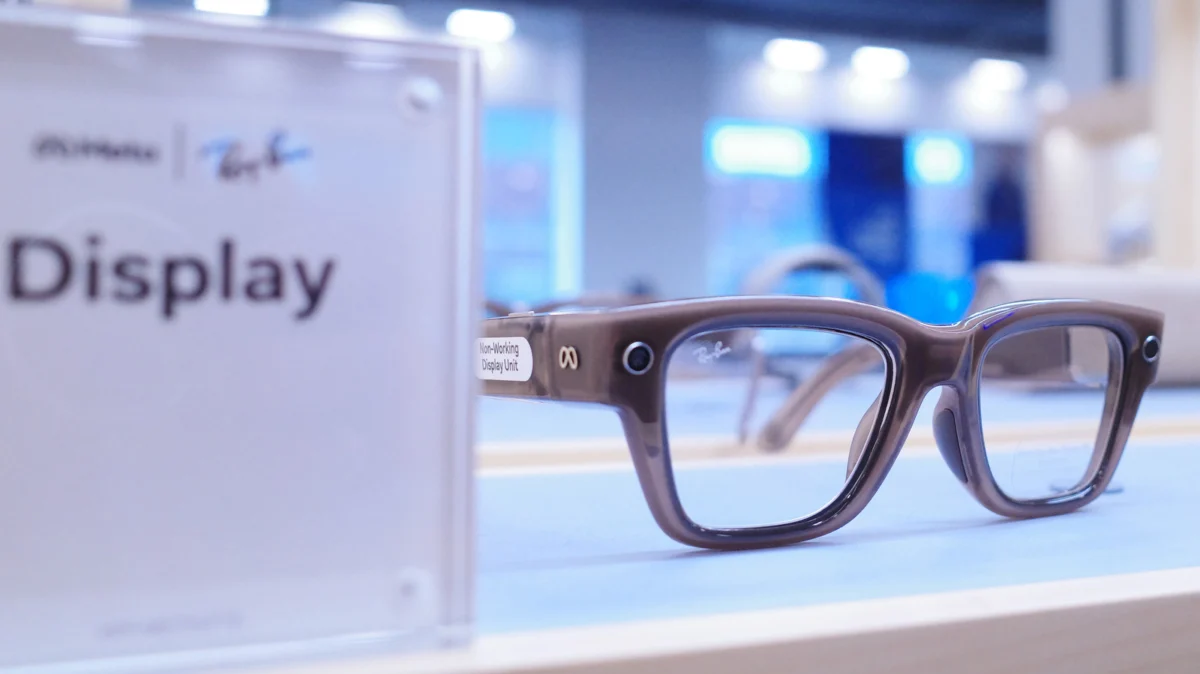
The increasing integration of smart wearables into daily life has brought both unprecedented convenience and new challenges, particularly in environments demanding heightened attention, such as driving. Meta’s latest iteration of its Ray-Ban smart glasses, the Meta Ray-Ban Display, exemplifies this duality, offering hands-free communication and notification access while simultaneously presenting a potential visual distraction through its integrated display. Recognizing this critical safety concern, Meta has introduced a sophisticated "Audio Only" mode, coupled with an automated "Driving Detection" feature, designed to mitigate risks by entirely deactivating the visual display when the wearer is operating a vehicle. This strategic development underscores a growing industry trend towards embedding responsible usage protocols directly into emerging technologies, aiming to harmonize technological advancement with paramount safety considerations.
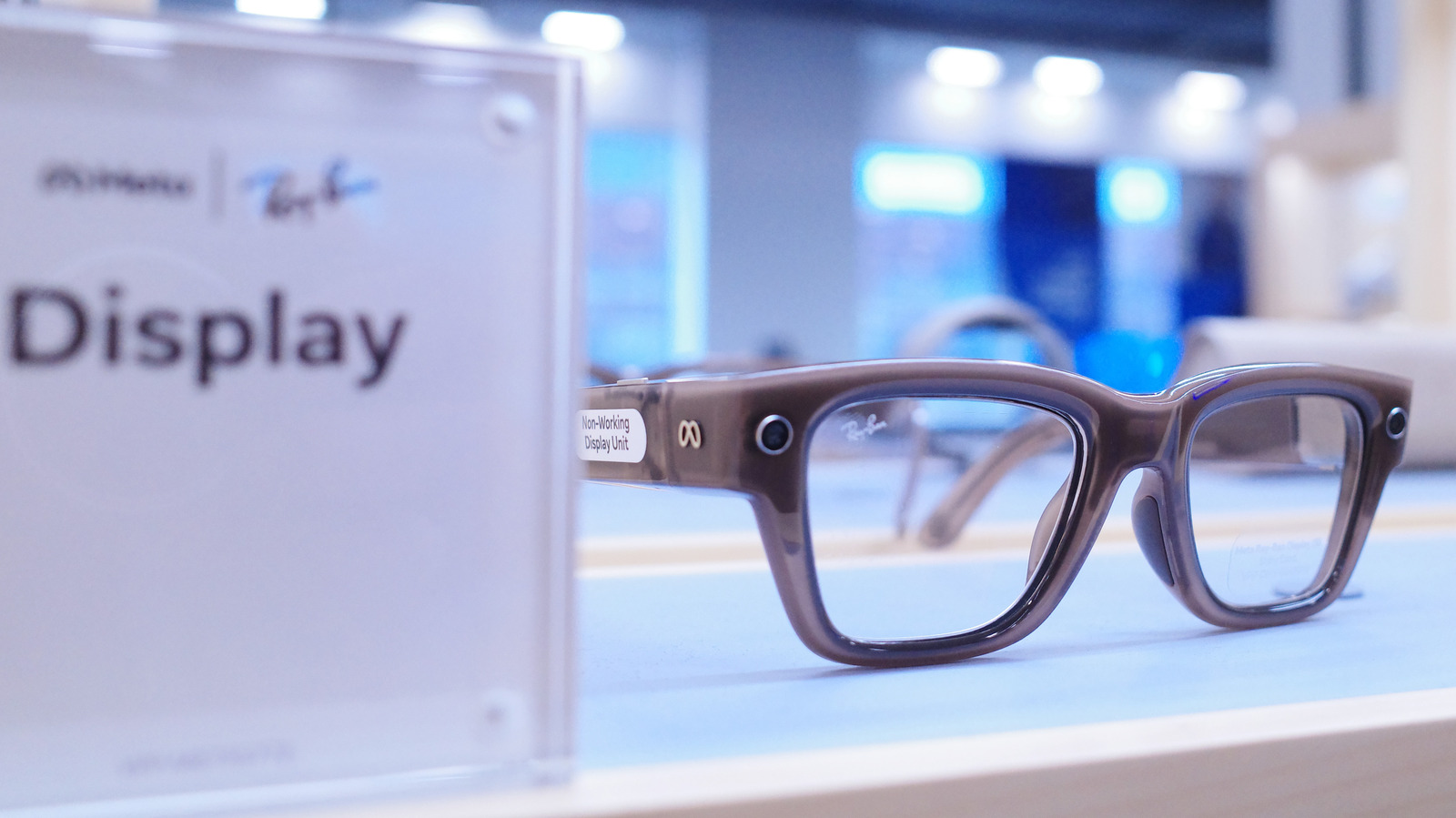
The proliferation of smart glasses, evolving from niche gadgets to increasingly polished consumer products, marks a significant shift in how individuals interact with digital information. For many, these devices have become integral to routines, enabling seamless management of calls, messages, and digital assistants without requiring a physical phone interaction. While this hands-free convenience is invaluable in numerous scenarios, its application behind the wheel introduces a complex safety calculus. A visual display, even a subtle one, can divert a driver’s attention from the road, potentially leading to hazardous situations. Meta’s "Audio Only" feature directly addresses this by transforming the Meta Ray-Ban Display glasses into a purely auditory interface when driving, effectively mimicking the functionality of traditional Meta Ray-Ban AI glasses by prioritizing sound-based interactions over visual cues. This ensures users can still leverage voice commands and hands-free audio for calls and music, but without the inherent distraction of an illuminated screen within their field of vision.
The Imperative of Distraction Mitigation in Driving Environments
Driver distraction remains a leading cause of road accidents globally, contributing to a substantial number of injuries and fatalities each year. According to statistics from various traffic safety organizations, activities like texting, talking on handheld phones, or interacting with in-car infotainment systems are frequently cited as primary factors in collisions. The introduction of smart glasses with integrated displays adds another layer to this complex issue, prompting technology developers to innovate solutions that prevent their devices from becoming additional sources of distraction.
The National Highway Traffic Safety Administration (NHTSA) in the United States, for instance, consistently highlights the dangers of cognitive, visual, and manual distractions. A visual display, regardless of its size, falls squarely into the visual distraction category, drawing a driver’s eyes away from the road. Even momentary glances can have severe consequences, as a vehicle traveling at highway speeds covers a significant distance in mere seconds. It is within this critical safety context that Meta’s "Audio Only" mode emerges as a proactive and responsible design choice. By automatically disabling the display, the feature aims to eliminate one potential source of visual distraction, allowing drivers to maintain their focus on the road, traffic, and surroundings. This move aligns with broader efforts by regulatory bodies and automotive safety advocates to minimize driver distraction through both technological safeguards and public awareness campaigns. The feature not only addresses immediate safety concerns but also positions Meta as a leader in designing wearables with a keen awareness of real-world usage scenarios and their associated risks.
Automated Safety: How Driving Detection Enhances User Experience and Compliance
The efficacy of safety features often hinges on their ease of use and automated integration. Meta’s "Driving Detection" feature exemplifies this principle by largely removing the burden of manual activation from the user. This intelligent system leverages the glasses’ internal sensors in conjunction with the connected smartphone’s capabilities to ascertain when the wearer is in a moving vehicle. Once activated, the glasses automatically transition into "Audio Only" mode, extinguishing the display without requiring any direct input from the driver. This seamless automation is crucial; relying on manual toggling before every drive would likely result in inconsistent usage, thereby undermining the feature’s safety benefits.
Setting up this crucial safety mechanism is designed to be straightforward, taking only a few moments through the Meta AI application on a paired smartphone. Users navigate to the app’s Settings, select their connected glasses, and then access Device Settings. Within this menu, they can activate "Audio Only" and then toggle "Driving Detection" to its active state. The system requires access to the phone’s sensors (such as GPS, accelerometer, and gyroscope) to accurately determine motion and context, prompting the user for necessary permissions during the initial setup. Once configured, the system operates autonomously: detecting vehicle motion, disabling the display, and subsequently reactivating it once the journey concludes and the wearer exits the car. This level of automation not only enhances safety but also improves the overall user experience by reducing cognitive load and ensuring consistent application of the safety protocol. For those who prefer direct control, the glasses also support a manual voice command, "Hey Meta, turn on/off audio only," offering flexibility in specific situations or for immediate override.
Historical Context: The Evolution of Smart Glasses and Safety Considerations
The journey of smart glasses from futuristic concept to consumer reality has been marked by both innovation and significant public scrutiny. Early entrants, such as Google Glass, faced considerable challenges related to privacy concerns, social acceptance, and practical utility. The integrated camera and persistent display raised questions about "glassholes" and the potential for ubiquitous surveillance, which hindered mainstream adoption. These early experiences provided invaluable lessons for subsequent developers in the wearable tech space.
Meta’s approach with the Ray-Ban Display glasses reflects a more refined understanding of these challenges. By integrating technology into a familiar and fashionable form factor – classic Ray-Ban frames – Meta aimed to overcome some of the social barriers. However, the fundamental challenge of integrating a visual display into a device worn on the face, particularly in safety-critical contexts like driving, remained. The development of features like "Audio Only" and "Driving Detection" can be seen as a direct response to these historical lessons and an acknowledgment of the responsibilities that come with deploying advanced wearable technology. It signifies a maturation of the smart glasses industry, moving beyond mere technological novelty to a focus on practical, responsible, and context-aware design. This evolution is crucial for fostering user trust and paving the way for broader acceptance of augmented reality and smart wearable devices in everyday life, ensuring that innovation does not come at the expense of public safety.
Meta’s Strategic Stance: Balancing Innovation with User Well-being
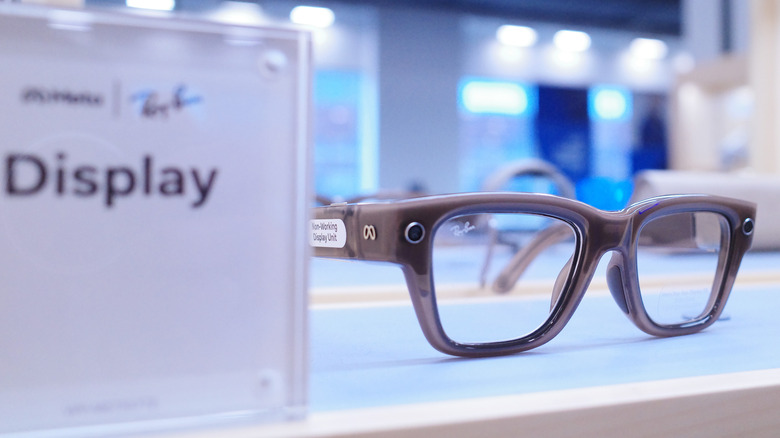
Meta’s decision to integrate a sophisticated "Audio Only" mode with automatic "Driving Detection" into its Ray-Ban Display glasses reflects a deliberate strategic commitment to user safety and responsible technology deployment. While Meta consistently pushes the boundaries of innovation in areas like augmented reality and AI, the company also faces immense pressure to ensure its products integrate seamlessly and safely into diverse daily activities. This feature underscores a product philosophy that seeks to balance cutting-edge functionality with practical, real-world considerations, particularly in high-stakes environments such as driving.
A hypothetical statement from a Meta spokesperson might emphasize this dual commitment: "At Meta, we are dedicated to developing technology that not only enhances daily life through innovative features but also prioritizes the safety and well-being of our users. The ‘Audio Only’ mode for Meta Ray-Ban Display glasses, powered by intelligent ‘Driving Detection,’ is a testament to this principle. We believe that smart wearables can offer incredible convenience, but it is our responsibility to ensure they do so without introducing unnecessary risks, especially when operating a vehicle. This feature is a proactive step in making our AI glasses a safe and intuitive companion for every journey, allowing users to stay connected responsibly while maintaining their focus on the road." This perspective highlights Meta’s understanding that the long-term success and broad adoption of wearable technologies depend significantly on their ability to integrate safely and unobtrusively into users’ lives, building trust through thoughtful design and protective features.
Broader Implications: Industry Trends, Regulatory Outlook, and User Trust
The introduction of Meta’s "Audio Only" driving mode carries significant implications beyond the immediate utility for Meta Ray-Ban Display users. It sets a precedent for how other manufacturers of smart glasses and head-mounted displays might approach safety features, particularly as these devices become more ubiquitous. This move contributes to a broader industry trend where technology companies are increasingly expected to embed safety mechanisms and context-aware intelligence into their products from the outset, rather than addressing issues reactively.
From a regulatory standpoint, features like "Driving Detection" could influence future legislation concerning wearable technology use in vehicles. As more advanced AR glasses emerge, regulators will likely look to industry best practices to inform guidelines or laws. Meta’s proactive approach may help shape these discussions, potentially establishing a standard for how displays in wearables should behave in driving scenarios. This could lead to a more harmonized regulatory landscape globally, benefiting both manufacturers and consumers.

For users, the "Audio Only" mode contributes significantly to building trust. Knowing that their device intelligently adapts to critical situations, prioritizing safety, can alleviate concerns about distraction and make them more comfortable adopting new technologies. This trust is vital for the long-term success of the wearable market. Furthermore, the battery-saving aspect of turning off the display while driving is a practical benefit, extending the device’s operational time and enhancing its overall utility throughout the day. In an era where digital fatigue is a growing concern, the ability to temporarily disengage from visual notifications, even automatically, offers a welcome respite, promoting a healthier balance between connectivity and mindful presence.
Limitations and Future Outlook: Navigation and Beyond
Despite its advancements, it is crucial for users to understand the current limitations of Meta Ray-Ban Display glasses regarding driving navigation. The existing interface and functionality of these glasses are explicitly not designed to provide real-time driving directions. Meta states that the glasses currently only support pedestrian navigation, meaning their visual cues are optimized for slower, walking-speed travel. The system lacks critical features necessary for effective in-car navigation, such as real-time traffic updates, lane guidance, complex highway interchange visualization, and integration with robust mapping databases that drivers rely on. Therefore, for vehicular navigation, users should continue to rely on established GPS systems found in their smartphones or integrated into their vehicles. Attempting to use the Meta glasses for driving directions could itself become a distraction, even with the "Audio Only" mode, as the underlying navigational capabilities are simply not suited for the dynamic environment of high-speed travel.
Looking ahead, the evolution of smart glasses and AI could eventually lead to safe and non-distracting in-car augmented reality navigation. However, such advancements would require significant technological leaps in display transparency, contextual awareness, and regulatory frameworks. Future iterations might project subtle, non-intrusive directional arrows directly onto the road ahead, or provide auditory cues with unprecedented precision, but these remain capabilities for a more distant future. For now, the "Audio Only" mode is a crucial safety bridge, ensuring that the benefits of hands-free audio communication from smart glasses can be leveraged responsibly while driving, without compromising the driver’s focus on the road.
In conclusion, Meta’s introduction of the "Audio Only" mode and "Driving Detection" feature for its Ray-Ban Display glasses represents a significant and responsible step in the development of wearable technology. By proactively addressing the critical issue of driver distraction, Meta not only enhances user safety but also contributes to the maturation of the smart glasses industry. This feature demonstrates a commitment to designing technology that intelligently adapts to diverse environments, balancing innovative functionality with paramount safety considerations. As smart wearables continue to integrate deeper into daily life, such thoughtful design choices will be essential for fostering user trust, guiding regulatory discussions, and ultimately shaping a future where technology serves humanity responsibly and safely.