Garick Elordi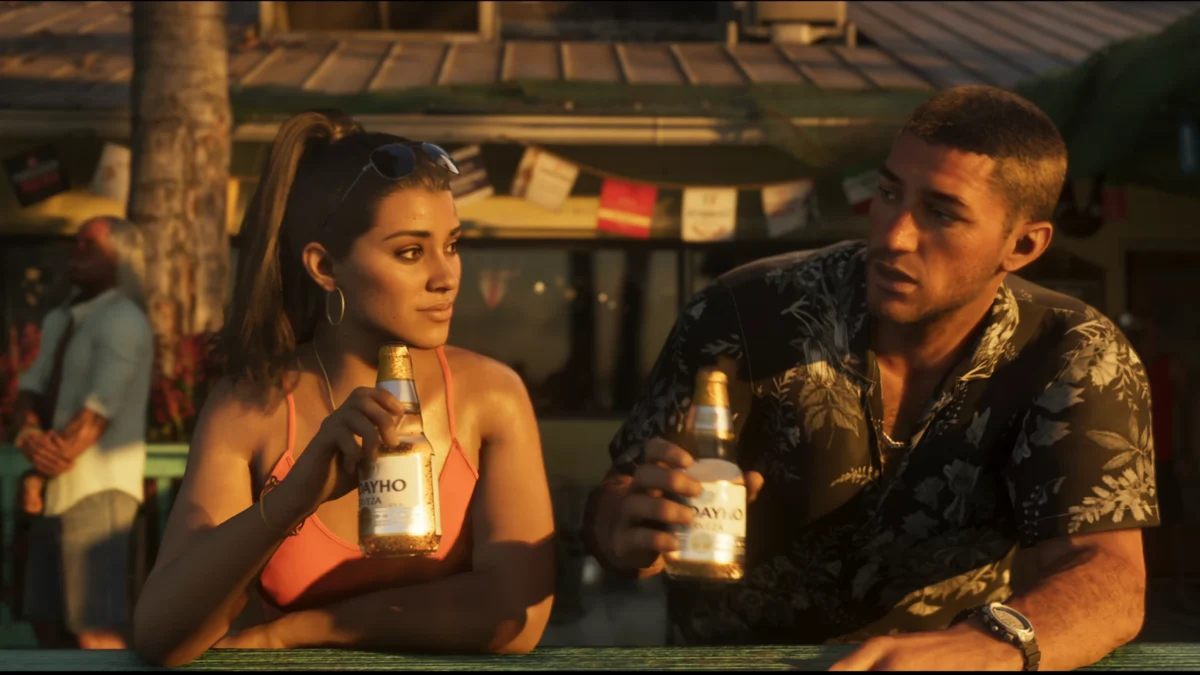
The debate surrounding the longevity of physical media in the interactive entertainment industry has gained significant momentum following recent commentary from two of the most influential figures in modern gaming history. Dan Houser, co-founder of Rockstar Games, and Lazlow Jones, a longtime writer and producer for the Grand Theft Auto and Red Dead Redemption franchises, shared their perspectives on the transition from physical discs to digital-only distribution during an appearance at San Diego Comic-Con (SDCC). Currently spearheading their new multimedia studio, Absurd Ventures, the duo addressed the growing friction between consumer desire for tangible products and the industry’s pivot toward digital convenience and post-launch agility.
The discussion arrives at a critical juncture for the industry. Rumors and reports surrounding the 2025 release of Grand Theft Auto VI have suggested that the title may signal a significant departure from traditional retail models. This, coupled with internal projections from Sony Interactive Entertainment indicating a potential sunsetting of physical disc production by early 2028, has left collectors and preservationists concerned about the future of game ownership.
Perspectives from the Architects of Vice City
During a panel focused on their upcoming graphic novel series, American Caper, Houser and Jones were asked to provide their stance on the physical versus digital divide. Houser, known for his reclusive nature and meticulous approach to world-building, offered a pragmatic view that balanced consumer sentiment with the technical realities of modern software development. While Houser noted that he does not personally harbor a strong preference, he emphasized that if a market demand for physical media exists, corporations have a responsibility to meet it.
However, Houser also highlighted the functional superiority of digital platforms in the context of maintenance. He noted that the ability to update games—a feature inherent to the digital era—has been indispensable for maintaining and improving game quality post-launch. In an era where "Day One" patches are standard, the digital pipeline allows developers to rectify critical bugs and refine gameplay loops in ways that were impossible during the era of "gold master" cartridges and discs.
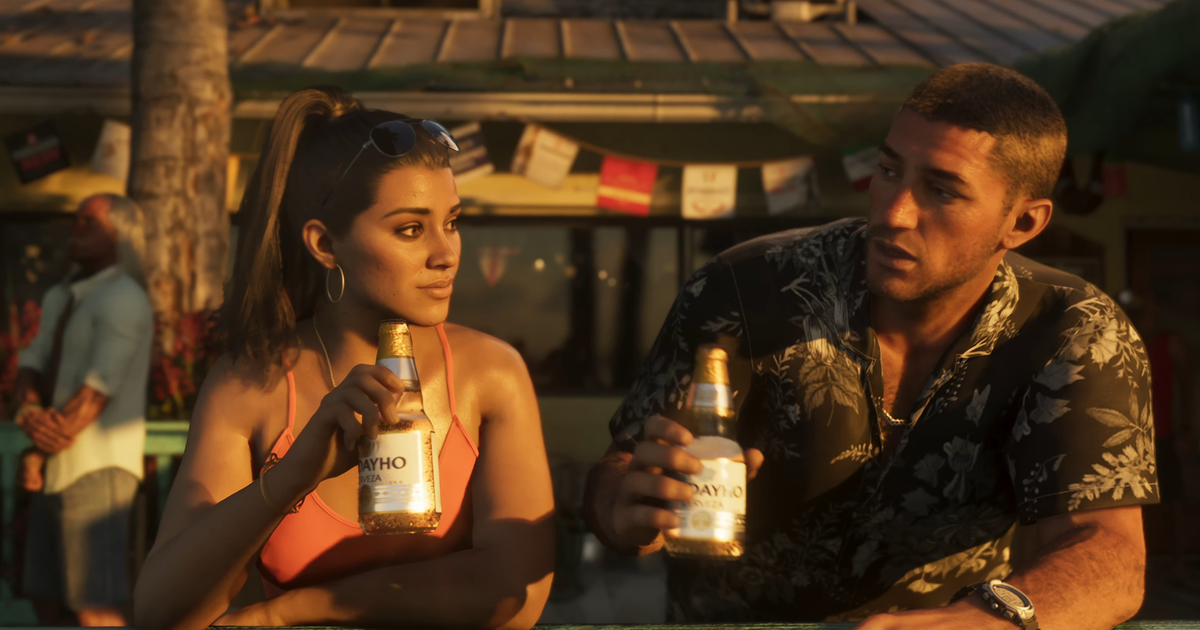
Lazlow Jones provided a more nuanced, lifestyle-oriented perspective. He acknowledged the sentimental value and tactile satisfaction of unboxing a new game and inserting a disc into a console, a ritual that has defined the medium for four decades. Conversely, Jones pointed to the undeniable utility of digital libraries, citing the convenience of downloading titles to portable hardware like the Steam Deck during travel. Jones’s comments reflect a broader industry trend where "convenience" often triumphs over "permanence" in the eyes of the mass-market consumer.
The Shift Toward a Digital-Only Ecosystem
The context for this debate is rooted in a decade-long transition. In the early 2010s, digital sales accounted for a fraction of total revenue for major publishers. According to data from the Entertainment Software Association (ESA) and various market research firms, the scales tipped decisively during the COVID-19 pandemic. By 2023, several major publishers, including Take-Two Interactive (the parent company of Rockstar Games) and Electronic Arts, reported that digital downloads accounted for upwards of 80% to 90% of their total software sales.
The financial incentives for this shift are clear. Digital distribution eliminates the costs associated with manufacturing, packaging, shipping, and retail markups. Furthermore, digital-only ecosystems allow platform holders like Sony, Microsoft, and Nintendo to exert greater control over their marketplaces, effectively eliminating the secondary used-game market—a sector that has long been a point of contention for publishers who do not see a share of resale profits.
The recent report regarding Sony’s internal roadmap has intensified these discussions. If Sony indeed ceases the production of physical discs by January 2028, it would likely coincide with the mid-to-late lifecycle of the PlayStation 5 and the potential launch of its successor. This move would force a total transition to the PlayStation Store, mirroring the "all-digital" editions of consoles that both Sony and Microsoft currently offer as lower-cost entry points.
A Chronology of the Physical-to-Digital Transition
To understand the weight of Houser and Jones’s comments, one must look at the timeline of the industry’s evolution:

- 2004: Valve Corporation launches Steam, standardizing digital distribution on PC and moving away from "Big Box" retail software.
- 2013: The launch of the PlayStation 4 and Xbox One introduces mandatory game installations, meaning the disc serves primarily as a license key rather than a playback medium.
- 2019: Microsoft releases the Xbox One S All-Digital Edition, the first major home console to ship without an optical drive.
- 2020: Sony follows suit with the PlayStation 5 Digital Edition, signaling that digital-only gaming is a primary pillar of their hardware strategy.
- 2023: Remedy Entertainment announces that Alan Wake 2 will be a digital-only release to keep the price point lower and streamline production, a move that sparked significant backlash from physical media advocates.
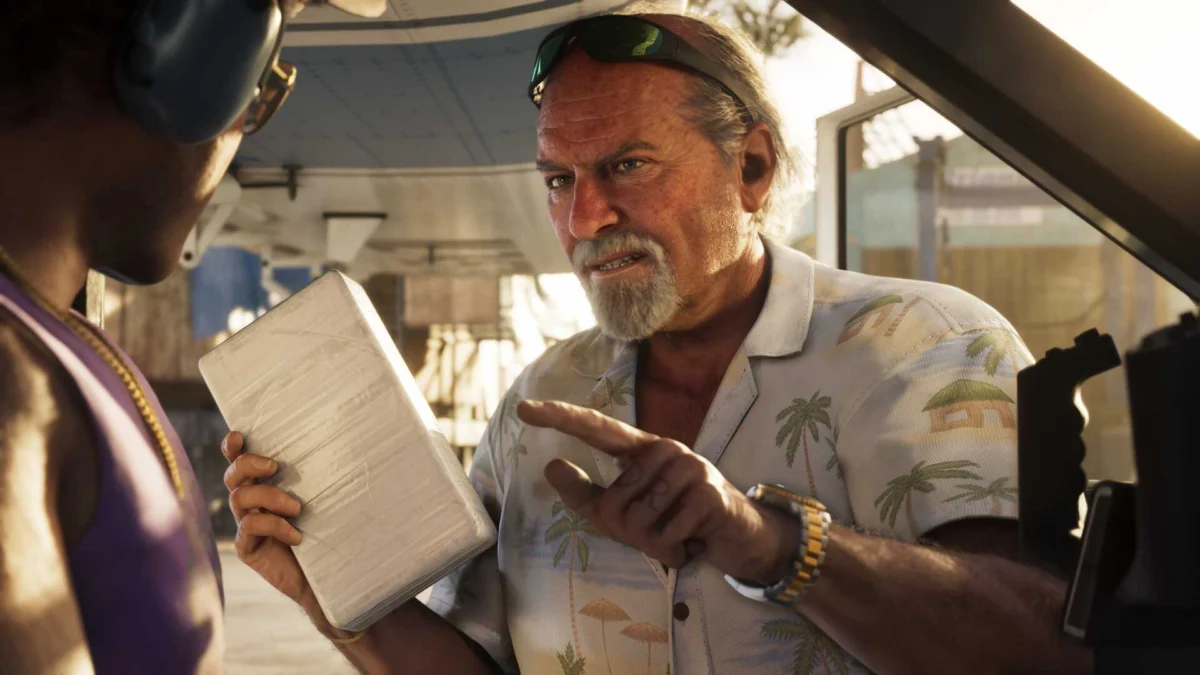
- 2024: Reports surface regarding Grand Theft Auto VI’s distribution strategy, suggesting a heavy emphasis on digital storefronts, potentially bypassing physical discs in certain regions or editions.
Divergent Industry Reactions and the Preservation Crisis
The stance taken by Houser and Jones is reflective of a larger schism within the gaming elite. While the Rockstar veterans lean toward a "consumer choice" model, other industry leaders have taken firmer positions.
Shuji Utsumi, President of Sega, recently reaffirmed the company’s commitment to physical media. Utsumi stated that physical games remain a vital part of the company’s heritage and that a significant portion of their global audience still values the ability to own a tangible product. This is particularly true in Japan and parts of Europe, where retail presence remains a strong marketing tool.
In contrast, Hideo Kojima, the visionary behind Metal Gear Solid and Death Stranding, has expressed a more somber outlook. Kojima, a known cinephile and collector, noted his sadness regarding the potential end of physical media. He has frequently spoken about the importance of physical artifacts in preserving culture, arguing that when a digital service shuts down, the art associated with it can vanish instantly.
This "digital volatility" was recently demonstrated when Ubisoft shuttered the servers for the racing game The Crew, rendering both digital and physical copies of the game unplayable. This incident sparked the "Stop Killing Games" movement, which seeks to establish legal protections for consumers to ensure that software remains accessible after a publisher ceases support.
From Software to Ink: The Absurd Ventures Approach
Interestingly, Houser and Jones’s current work at Absurd Ventures seems to embrace the very physical media they are discussing. Their upcoming project, American Caper, is launching as a physical comic book series. Jones noted that the creative process for a physical product is fundamentally different from the digital-first environment of modern game development. He described the fulfillment of holding a physical object that one has helped create—a sentiment that resonates with gamers who prefer bookshelves filled with cases over a digital list of icons.

Houser echoed this, stating a personal love for physical media despite his professional acknowledgment of digital’s utility. This duality—valuing the artifact while utilizing the digital tool—is the central tension of the current console generation.
Implications for the Future of Gaming
The comments from Houser and Jones highlight a critical transition period. As the industry moves toward a future where "ownership" is replaced by "licensing," several implications arise for the average consumer:
- The Loss of Resale Rights: Digital-only ecosystems prevent players from selling or trading in games they have finished, effectively increasing the long-term cost of the hobby for many.
- Internet Dependency: A digital-only future places a heavy burden on consumers in rural or developing areas with limited high-speed internet access, as modern games frequently exceed 100GB in size.
- Content Control: Digital platforms allow publishers to delist or alter content (such as removing licensed music or "censoring" certain scenes) through forced updates, a process that physical discs can sometimes bypass if kept offline.
- Hardware Longevity: If physical media is phased out, the longevity of consoles becomes tied entirely to the lifespan of their respective digital storefronts. Once the servers are turned off, the hardware becomes significantly less functional.
While the convenience of digital distribution is undeniable, the insights from Houser and Jones suggest that the industry is still grappling with what is lost in the pursuit of efficiency. As Grand Theft Auto VI approaches its launch window, it may serve as the ultimate litmus test for whether the gaming public is ready to leave the disc drive behind forever. For now, the veterans of Rockstar Games remain in the middle ground, acknowledging the inevitable march of technology while respecting the tactile history that built the industry.