Evan Lee Salim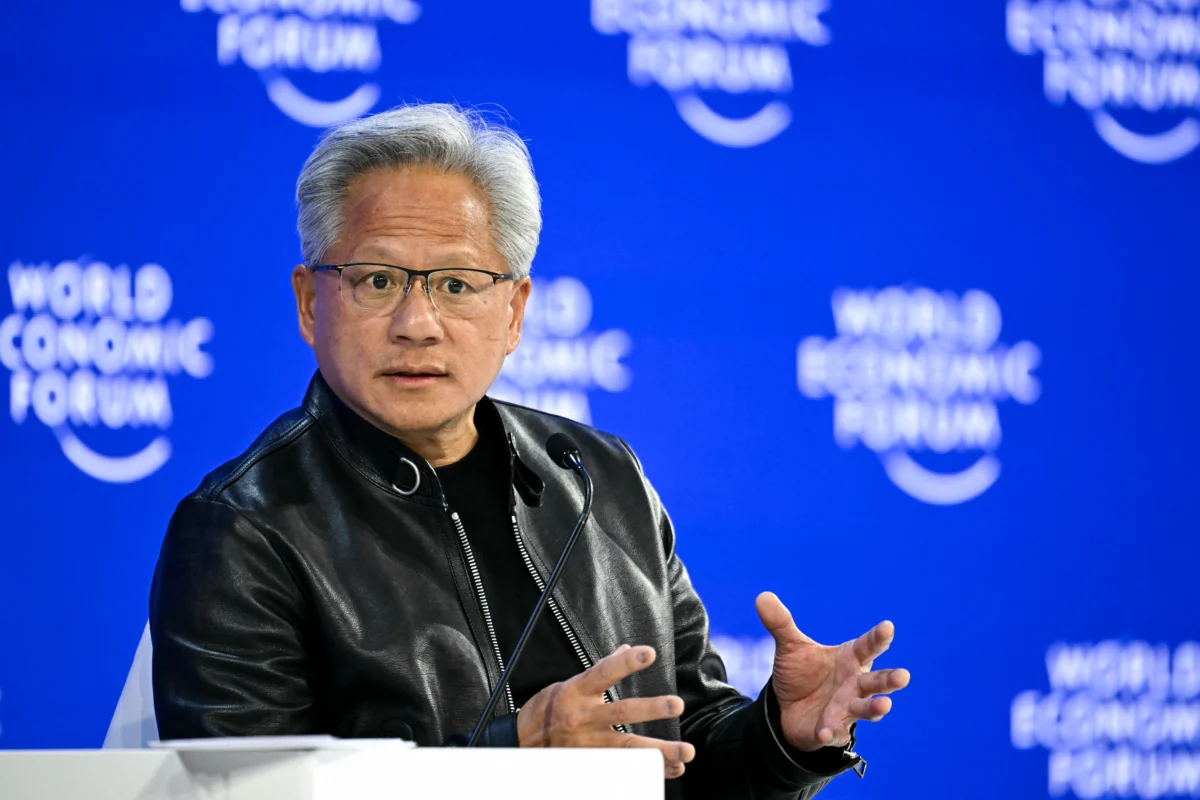
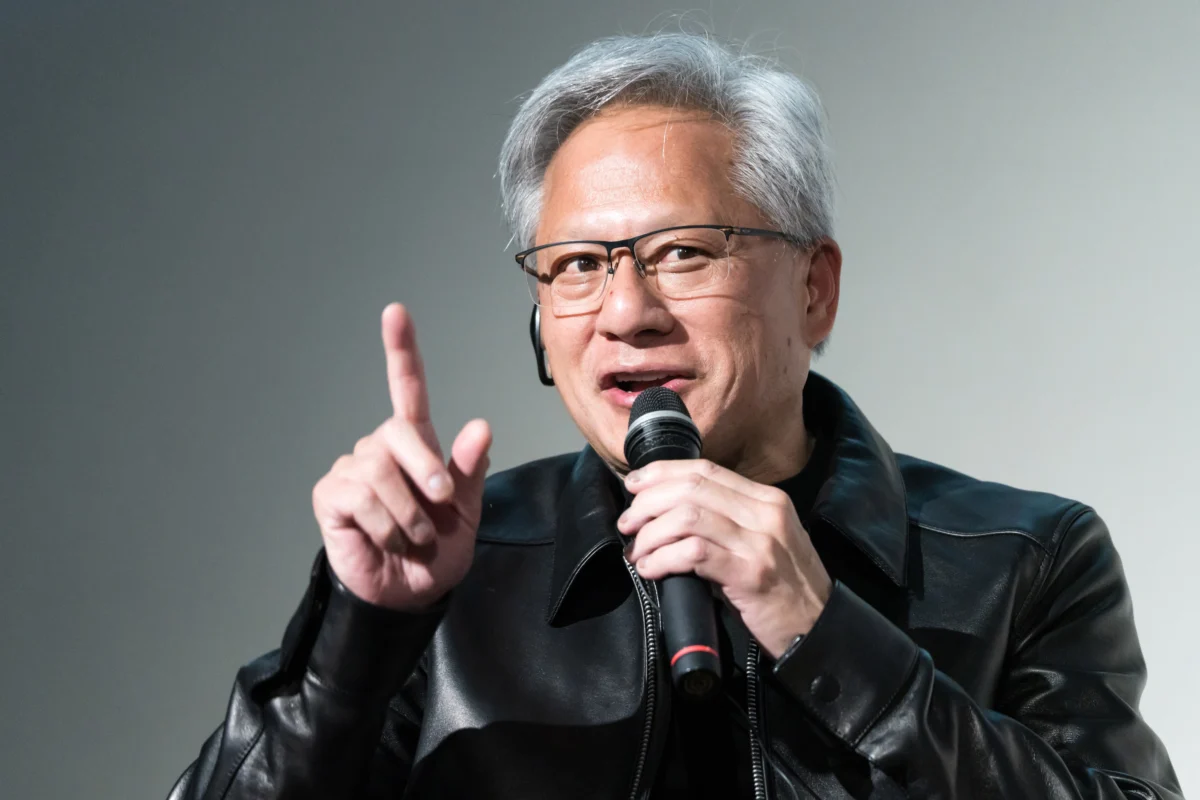
In an unexpected and highly unconventional moment that underscored the rapidly blurring lines between technology, business, and national politics, Nvidia CEO Jensen Huang received a live phone call from former President Donald Trump while onstage at the All-In Summit in Los Angeles. The impromptu conversation, which Huang broadcast to a captivated audience of tech luminaries and venture capitalists, quickly delved into contentious topics surrounding the pace of artificial intelligence development and the burgeoning backlash against data center construction, providing a rare glimpse into the high-stakes dialogue shaping the future of American innovation and economic competitiveness.
The All-In Summit Stage: A Hub for Tech Discourse
The All-In Summit, an extension of the highly influential "All-In with Chamath, Jason, Sacks & Friedberg" podcast, serves as a significant platform for candid discussions among prominent figures in the tech and venture capital sectors. Hosted by a quartet of well-known investors—Chamath Palihapitiya, Jason Calacanis, David Friedberg, and David Sacks—the summit is renowned for its unfiltered dialogue on market trends, technological advancements, and geopolitical dynamics. Sacks and Friedberg, notably, have previously served as White House advisors, indicating a pre-existing nexus between the hosts and political circles. Jensen Huang, whose company Nvidia has become the undisputed titan of the AI chip industry, was a marquee speaker, a testament to his pivotal role in driving the current AI revolution. His presence alone guaranteed significant attention, but the unexpected phone call from a former president elevated the event to a national talking point.
A Presidential Interruption: Details of the Unscripted Call
The call occurred on a Monday morning, interrupting Huang’s onstage session. Rather than dismissing it, Huang, known for his charismatic and often unconventional style, answered the call. "I’m onstage with the besties," Huang reportedly told Trump, a casual reference to the All-In hosts, which immediately set a relaxed, yet charged, tone for the interaction. In a move that sent ripples through the room and would undoubtedly induce "night terrors" for any public relations professional, Huang opted to put Trump on speakerphone, allowing the entire conference audience to hear the former president’s voice and remarks directly.
The initial exchange began with a lighthearted jab from Trump, who quipped, "The great thing about life is Jensen can develop the most complex computer chip in the world… but he can’t figure out how to put you on speaker." Huang, in fact, was actively seeking an additional microphone from stagehands to ensure Trump’s voice was amplified clearly for the large audience, demonstrating his intention to fully broadcast the conversation. This unscripted moment underscored Huang’s comfort and apparent rapport with the former president, signaling a notable alignment between one of the most powerful figures in global technology and a leading political voice.
The Great AI Pacing Debate: "Slow Down" vs. "Accelerate"
The conversation quickly pivoted to a subject of intense debate within the tech industry: the optimal pace of artificial intelligence development. Prior to Trump’s call, Huang and the All-In hosts had been discussing the recent advocacy by Anthropic CEO Dario Amodei, who has called for a deceleration in the rate at which AI capabilities are improved. Amodei’s position, articulated in essays and public statements, stems from concerns about the potential societal risks, ethical dilemmas, and existential threats posed by increasingly powerful AI systems if developed too rapidly without adequate safety measures and regulatory frameworks. This viewpoint has found resonance with other prominent tech leaders, including SpaceX and X CEO Elon Musk, and OpenAI CEO Sam Altman, both of whom have publicly expressed agreement with the need for caution and thoughtful pacing. Their concerns range from job displacement and algorithmic bias to the potential for autonomous AI systems to act in ways misaligned with human interests.
Jensen Huang, whose company’s fortunes are inextricably linked to the accelerated deployment and adoption of AI, has consistently held a diverging view. Nvidia’s business model thrives on the continuous advancement and widespread integration of AI across industries, from data centers to robotics. His stance, broadly speaking, champions rapid innovation as essential for maintaining technological leadership and unlocking unprecedented economic and societal benefits.
Donald Trump’s Stance: "Hoax" and Geopolitical Concerns
When the topic of slowing AI development was raised, Donald Trump wasted no time in articulating his firm opposition, echoing Huang’s pro-acceleration sentiment with characteristic vigor. "They’re just playing right in the hands of a lot of people that don’t want to see it happen," Trump asserted, suggesting ulterior motives behind calls for caution. He explicitly linked these efforts to geopolitical rivals and domestic political adversaries, stating, "That could be political people. It could also be China. And we’re not going to let that happen. It’s a hoax."
Trump’s use of the term "hoax" to describe concerns about AI development pace immediately politicized the debate further, framing it as a potentially subversive effort rather than a legitimate ethical or safety deliberation. His remarks align with his broader "America First" and economic nationalism platforms, which prioritize American technological and economic dominance. The explicit mention of China underscored the intense geopolitical competition for AI supremacy, where the United States and China are seen as locked in a race to develop and deploy advanced AI systems. For Trump, any move to slow down American AI development could be perceived as ceding ground to rivals, particularly China, which has made significant state-backed investments in AI research and development. Huang’s immediate agreement, "You’re right. We’re not going to let that happen, sir," followed by crowd applause, solidified a powerful public alignment between the tech titan and the former president on this critical issue.
Data Centers: The Unseen Battleground of AI Infrastructure
The conversation then shifted to another increasingly contentious aspect of the AI boom: the construction of massive data centers required to power AI workloads. Trump and his allies, such as Y Combinator CEO Garry Tan, have publicly posited that growing public sentiment against data center construction is part of an "international psyop" designed to impede American economic growth and technological progress. Tan, for instance, has argued that organized campaigns against data centers, often citing environmental concerns, are strategically orchestrated to undermine U.S. competitiveness.
However, the source of public concern regarding data centers is often more straightforward and localized. Recent Gallup polling data reveals a significant level of public opposition, with seven in ten Americans expressing disapproval of data center construction in their immediate areas. The reasons cited by respondents are primarily rooted in tangible local impacts. More than 50% of those surveyed expressed concerns about the effect of data centers on environmental resources, particularly water consumption and energy demand. Data centers are notoriously energy-intensive, consuming vast amounts of electricity, often sourced from non-renewable grids, and requiring significant cooling, which can strain local water supplies. Furthermore, approximately 20% of respondents voiced concerns about potential cost-of-living increases and broader negative effects on their quality of life, such as noise pollution from cooling systems, increased traffic, and the alteration of local landscapes.
These local concerns represent a growing tension between the national imperative for AI infrastructure and the local communities that bear the brunt of its development. While the tech industry and political leaders emphasize the need for robust computational power to maintain technological leadership, communities are grappling with the direct environmental and social costs. Trump’s dismissal of these concerns as a "hoax" or a "psyop" starkly contrasts with the reality of grassroots opposition driven by genuine local impacts.
Nvidia’s Ascent and Huang’s Vision
Jensen Huang’s prominence in this dialogue is a direct reflection of Nvidia’s meteoric rise. Over the past decade, Nvidia has transformed from a niche graphics card manufacturer into the dominant force in AI hardware. Its Graphics Processing Units (GPUs) are the fundamental building blocks for training and deploying complex AI models, making the company indispensable to virtually every major AI player, from startups to hyperscale cloud providers. This market dominance has propelled Nvidia’s valuation to unprecedented heights, making it one of the most valuable companies globally and Huang a visionary leader whose pronouncements carry immense weight. His alignment with Trump on accelerating AI and dismissing data center concerns signals a powerful coalition advocating for unbridled technological expansion, potentially shaping future policy and public discourse.
Reactions and Implications: A PR Paradox and Policy Shifts
The spontaneous phone call and its contents have sparked a diverse range of reactions and carry significant implications across various sectors.
The PR Perspective: Unconventional Engagement
For public relations professionals, the incident was a masterclass in both audacity and risk. While Huang’s directness might be lauded by some as authentic and transparent, putting a former president on speaker during a live event is a highly unconventional move that bypasses traditional media filters and corporate messaging protocols. It demonstrates a willingness to engage directly and spontaneously, but also opens the door to unscripted remarks that could be politically charged or misinterpreted, potentially creating reputational challenges for Nvidia.
Industry Responses: Divergent Views
Within the tech industry, reactions are likely to be polarized. Proponents of rapid innovation, particularly those whose businesses benefit from AI acceleration, may view the exchange as a welcome endorsement from a powerful political figure. However, those deeply concerned with AI safety, ethics, and responsible development may view Trump’s "hoax" comment as dismissive and unhelpful, potentially hardening divisions within the AI community. The explicit political alignment could also make it more challenging to forge broad consensus on critical AI governance issues, as the debate risks becoming more partisan.
Political Ramifications: Trump’s Tech Strategy
For Donald Trump, the call served multiple strategic purposes. It showcased his continued relevance and direct access to top tech leaders, reinforcing his image as a leader who prioritizes American innovation and economic strength. By aligning himself with Huang, he positioned himself as a champion of rapid technological advancement, appealing to tech-savvy voters and business communities. His strong stance against slowing AI development and his dismissal of data center opposition as politically motivated or foreign-influenced resonate with his populist base and "America First" narrative, framing technological growth as a national security imperative against geopolitical rivals. This direct engagement with a prominent tech CEO during a public event also aligns with Trump’s preference for unconventional communication, bypassing traditional media channels.
The Future of AI Governance and Infrastructure
The incident also shines a spotlight on the intensifying debate over AI governance and infrastructure. Trump’s remarks, coupled with Huang’s agreement, signal a powerful pushback against calls for caution and regulation in AI development. This could complicate efforts to establish international norms or domestic policies aimed at ensuring AI safety and ethical deployment. Furthermore, the dismissal of local concerns regarding data centers as a "psyop" suggests a potential federal-level push to override local opposition in the name of national economic and technological competitiveness. This could lead to increased friction between federal development agendas and local community interests, especially as the demand for AI infrastructure continues to surge.
Conclusion: Navigating the Intersection of Tech, Politics, and Public Interest
Jensen Huang’s unscripted call with Donald Trump at the All-In Summit was more than just a memorable event; it was a potent symbol of the complex, often contentious, intersection of technology, politics, and public interest. It brought into sharp relief the divergent philosophies on AI development—between those advocating for cautious pacing and those championing aggressive acceleration—and highlighted the growing tension surrounding the environmental and social costs of AI infrastructure. As AI continues its transformative march, this incident underscores that the debates over its direction and impact will not be confined to academic papers or industry conferences, but will increasingly play out on public stages, influenced by powerful political figures and shaped by the fundamental choices made by leaders like Jensen Huang. The implications of this very public alignment between a tech titan and a former president on issues as critical as AI’s future are profound, signaling a new era where technological progress is inextricably linked to, and often politicized by, national policy and global competition.