Sisilia Frederika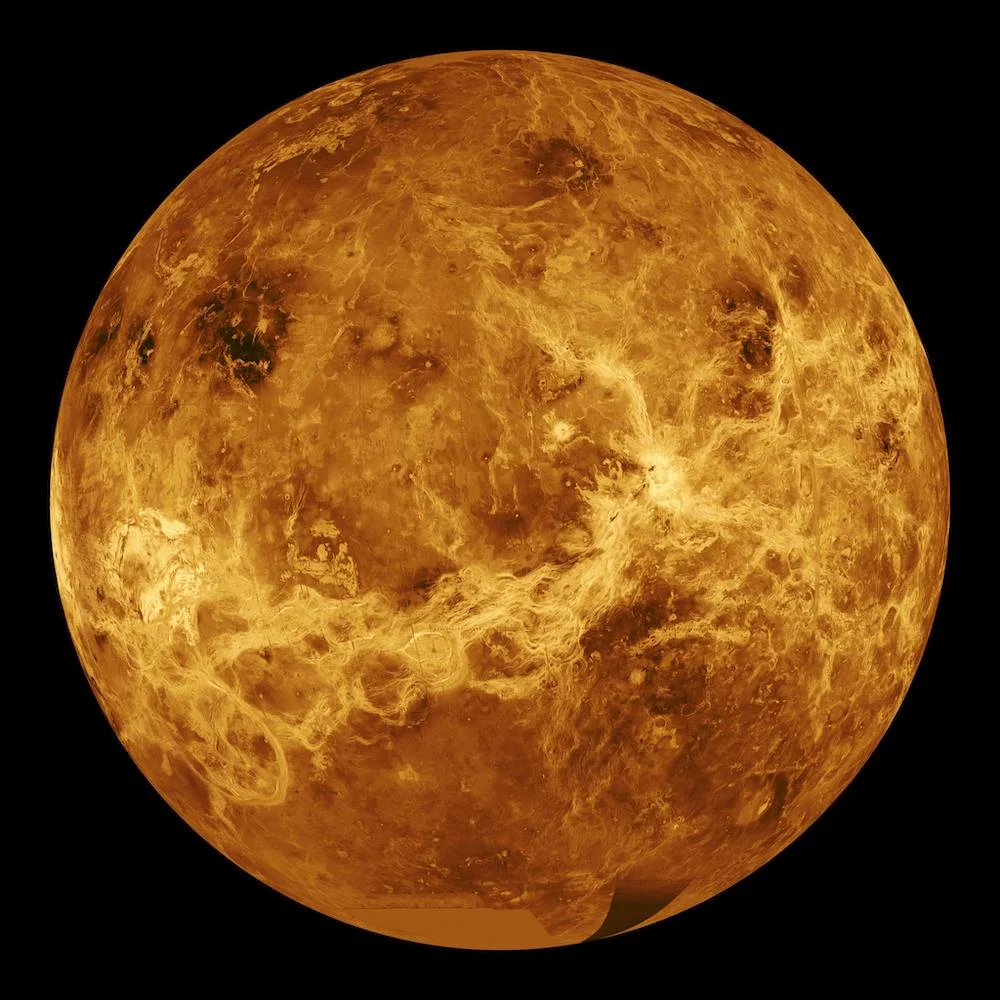
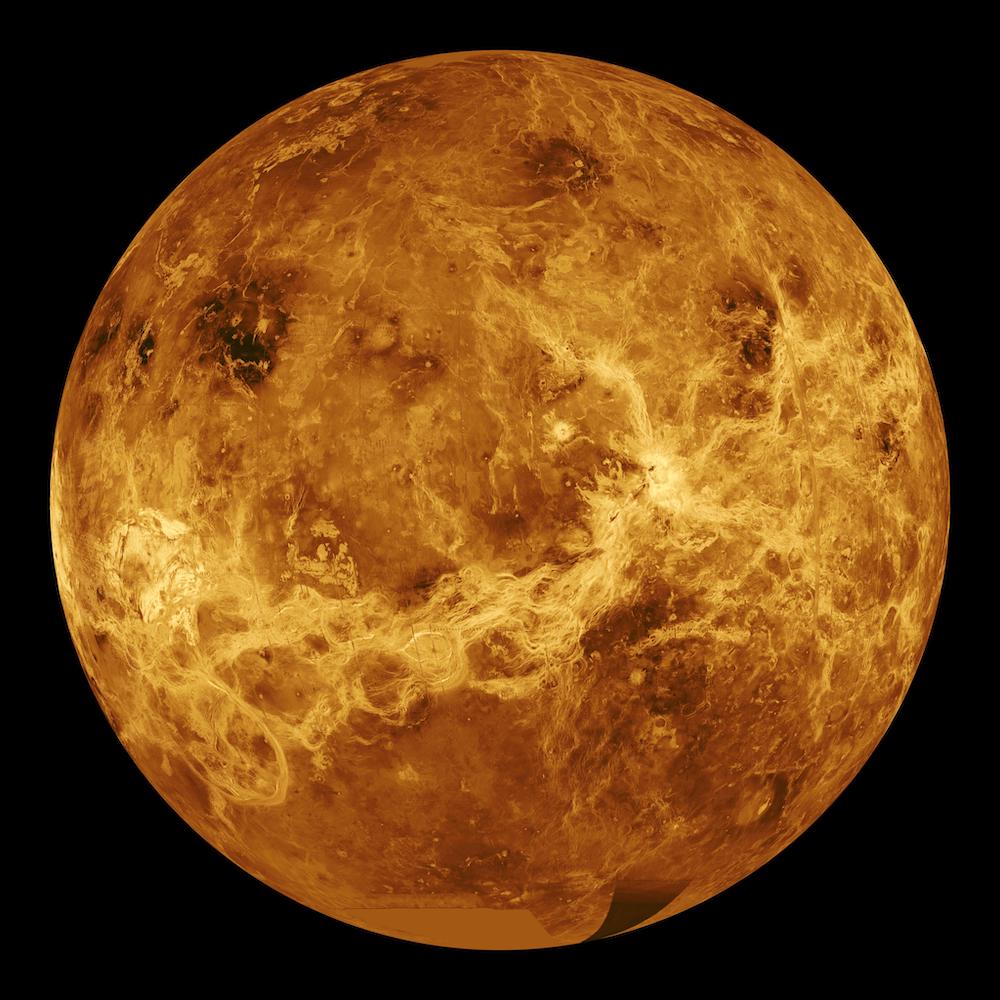
The celestial relationship between Earth and Venus has long been described by astronomers through the lens of siblinghood. Often referred to as "sister planets," the two worlds share striking similarities in size, mass, and bulk composition. However, the divergence in their evolutionary paths has resulted in two drastically different environments: Earth, a vibrant, water-rich sanctuary for life, and Venus, a world of crushing atmospheric pressure and surface temperatures hot enough to melt lead. Among the most conspicuous differences between these two terrestrial planets is the presence of a natural satellite. While Earth is orbited by the Moon—a body that stabilizes its axial tilt and drives its tides—Venus stands alone, a moonless sentinel in the inner solar system.
New research published in The Astrophysical Journal provides a compelling explanation for this discrepancy. Led by Stephen R. Kane, a professor of planetary astrophysics at the University of California, Riverside, the study titled "Tidal Demise: The Evolution and Fate of a Hypothetical Venus Moon" explores whether Venus once possessed a moon and, if so, what forces led to its eventual disappearance. Through rigorous computational modeling, Kane and his team have demonstrated that the unique rotational characteristics of Venus, combined with powerful tidal interactions from both the planet and the Sun, likely sealed the fate of any ancient Venusian satellite, drawing it into a terminal descent rather than allowing it to drift into a stable orbit.
The Mystery of the Missing Satellite
The question of why Venus lacks a moon has remained a central puzzle in comparative planetology for decades. Most models of solar system formation suggest that giant impacts were common during the early stages of planetary accretion. Earth’s Moon is widely believed to have formed from the debris of a collision between the proto-Earth and a Mars-sized body named Theia approximately 4.5 billion years ago. Given the proximity of Venus to Earth and their similar gravitational profiles, it stands to reason that Venus should have undergone similar cataclysmic events that could have resulted in the formation of one or more moons.
Previous hypotheses regarding the absence of a Venusian moon have varied. Some scientists suggested that Venus never suffered a moon-forming impact. Others proposed a "double impact" theory, where a second collision reversed the planet’s rotation and caused a previously formed moon to spiral inward. However, Kane’s research suggests a more streamlined, though no less dramatic, explanation: the inherent gravitational and rotational mechanics of the Venusian system were sufficient to destroy any moon that may have formed, without the need for a secondary celestial catastrophe.
Tidal Mechanics and the Role of Rotation
To understand the "tidal demise" of a hypothetical moon, it is necessary to examine the conservation of angular momentum and the physics of tidal bulges. On Earth, the planet rotates faster (once every 24 hours) than the Moon orbits it (approximately every 27.3 days). This disparity causes Earth’s tidal bulge—the slight deformation of the planet’s mass due to the Moon’s gravity—to "lead" the Moon’s position. This leading bulge exerts a gravitational pull on the Moon, accelerating it and causing it to slowly spiral outward at a rate of about 3.78 centimeters per year.
Venus, however, presents a radically different scenario. The planet rotates exceptionally slowly, taking 243 Earth days to complete a single rotation—a period longer than its orbital year. Furthermore, Venus exhibits retrograde rotation, meaning it spins in the opposite direction of most other planets in the solar system. In such a system, any moon orbiting the planet would likely be moving faster than the planet’s rotation. In this configuration, the tidal bulge lags behind the satellite, creating a gravitational drag that saps the moon’s orbital energy. Instead of being pushed away, the moon is pulled inexorably closer to the planet.
Simulation Data and Model Findings
Kane and his colleagues utilized sophisticated computer simulations to test the viability of a Venusian moon under various conditions. The researchers varied several key parameters to see if any scenario allowed for long-term satellite survival. These variables included:
- Lunar Mass: The simulations tested hypothetical moons ranging from 0.5 to 10 times the mass of Earth’s Moon.
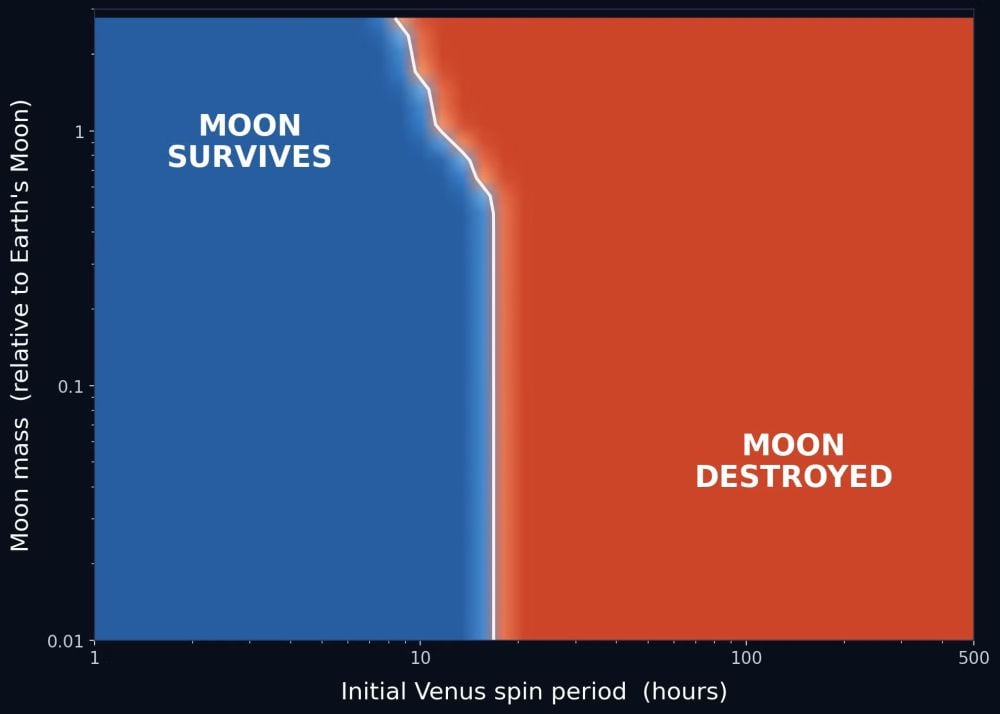
- Initial Rotation Rates: While Venus currently rotates slowly, it is theorized that the planet may have started with a much more rapid rotation before being slowed by atmospheric tides and solar interactions. The models accounted for various initial spin periods.
- Proximity to the Sun: Venus is significantly closer to the Sun than Earth is, meaning solar tides play a much larger role in the orbital dynamics of its potential satellites.
The results of the simulations were remarkably consistent. In the vast majority of scenarios, the hypothetical moon was unable to maintain a stable orbit. As the moon’s orbit decayed, it eventually reached the Roche limit—the distance at which a celestial body, held together only by its own gravity, will disintegrate due to a second celestial body’s tidal forces. Once past this threshold, the moon would have broken apart, with its remnants raining down onto the Venusian surface.
"When I made this discovery, I was shocked," Kane stated regarding the uniformity of the results. "I thought surely the broad range of scenarios I was exploring would lead to a variety of results. But it all went pretty much in the same direction." The data indicated that the more massive the moon, the faster it reached its terminal velocity and collided with the planet.
Implications for Early Habitability
The presence or absence of a moon is not merely a matter of celestial aesthetics; it has profound implications for a planet’s climate and potential for life. Earth’s Moon plays a critical role in stabilizing our planet’s obliquity, or axial tilt. This stability ensures relatively consistent seasons over millions of years, preventing chaotic climate shifts that could hinder the evolution of complex life.
In the case of early Venus, a moon of approximately one lunar mass could have stabilized the planet’s tilt for the first billion years of its existence. This period is particularly significant because many scientists believe that early Venus may have possessed liquid water oceans and a more temperate atmosphere. A moon would have generated tides in those ancient oceans, facilitating the distribution of heat and nutrients—conditions conducive to the emergence of life.
However, the eventual "tidal demise" of such a moon would have been a catastrophic event for the Venusian environment. The authors of the study note that the destruction of a moon at the Roche limit would deliver a "massive energy pulse" to the planet. This influx of kinetic energy and the subsequent impact of lunar debris could have triggered or accelerated a runaway greenhouse effect. The heat generated by such an event may have contributed to the boiling away of Venus’s oceans and the thickening of its atmosphere with carbon dioxide, ultimately transforming the planet into the inhospitable world observed today.
The Search for Geological Evidence
Confirming the existence of a long-lost moon presents a monumental challenge for geologists and planetary scientists. Unlike Earth, which preserves a record of its history in its crust and mantle, Venus underwent a global resurfacing event approximately 300 to 500 million years ago. Intense volcanic activity effectively "erased" the planet’s surface, covering ancient impact craters and tectonic features with fresh basaltic plains.
Despite this, hope remains for finding "seismic ghosts" of a lunar impact. On Earth, scientists have identified massive anomalies deep within the mantle, known as Large Low-Shear-Velocity Provinces (LLVPs), which some believe are the remains of Theia, the body that struck Earth to form the Moon. If a similar impact occurred on Venus, advanced seismic monitoring might one day reveal subsurface structures that point to an ancient lunar collision.
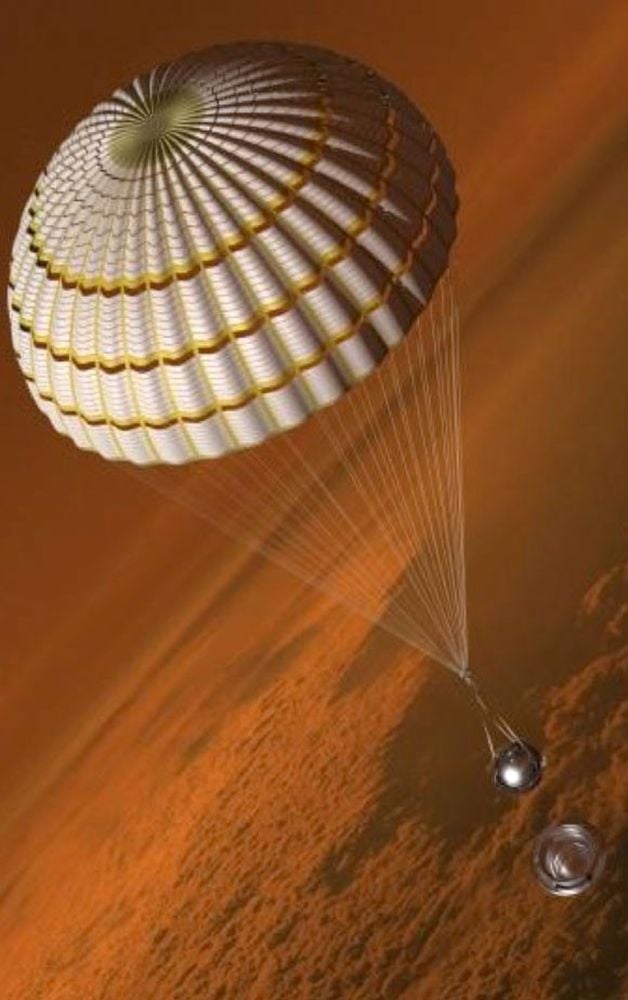
The upcoming decade of Venus exploration—often called the "Decade of Venus"—will provide new opportunities to investigate these theories. NASA’s DAVINCI (Deep Atmosphere Venus Investigation of Noble gases, Chemistry, and Imaging) and VERITAS (Venus Emissivity, Radio Science, InSAR, Topography, and Spectroscopy) missions are scheduled to launch in the late 2020s and early 2030s. VERITAS, in particular, will map the planet’s surface in high resolution, allowing scientists to look for evidence of rapid, global restructuring events that could be linked to a lunar impact.
Exoplanetary Context and Future Research
The findings of Kane’s study extend far beyond our own solar system. As astronomers discover more Earth-sized exoplanets in the "Venus Zone"—the region around a star where a planet is likely to develop a runaway greenhouse atmosphere—understanding the role of moons becomes vital.
The research suggests that slowly rotating terrestrial planets located close to their host stars are unlikely to retain large satellites. This "moonless" state may be a common feature of such worlds, influencing their axial stability and long-term habitability. When evaluating the potential for life on distant planets, astronomers must now consider not only the planet’s distance from its star but also its rotational history and the likelihood of it having lost a moon to tidal forces.
The study by Kane and his team underscores the delicate balance of forces that allow a planetary system to remain stable over eons. While Earth’s Moon continues to drift slowly away, providing a stabilizing influence that has lasted for billions of years, the hypothetical Venusian moon was caught in a gravitational trap. Its eventual destruction may have been the turning point that set Venus on its path toward becoming Earth’s "twisted sister," a cautionary tale of how gravity and rotation can dictate the destiny of an entire world.