Garick Elordi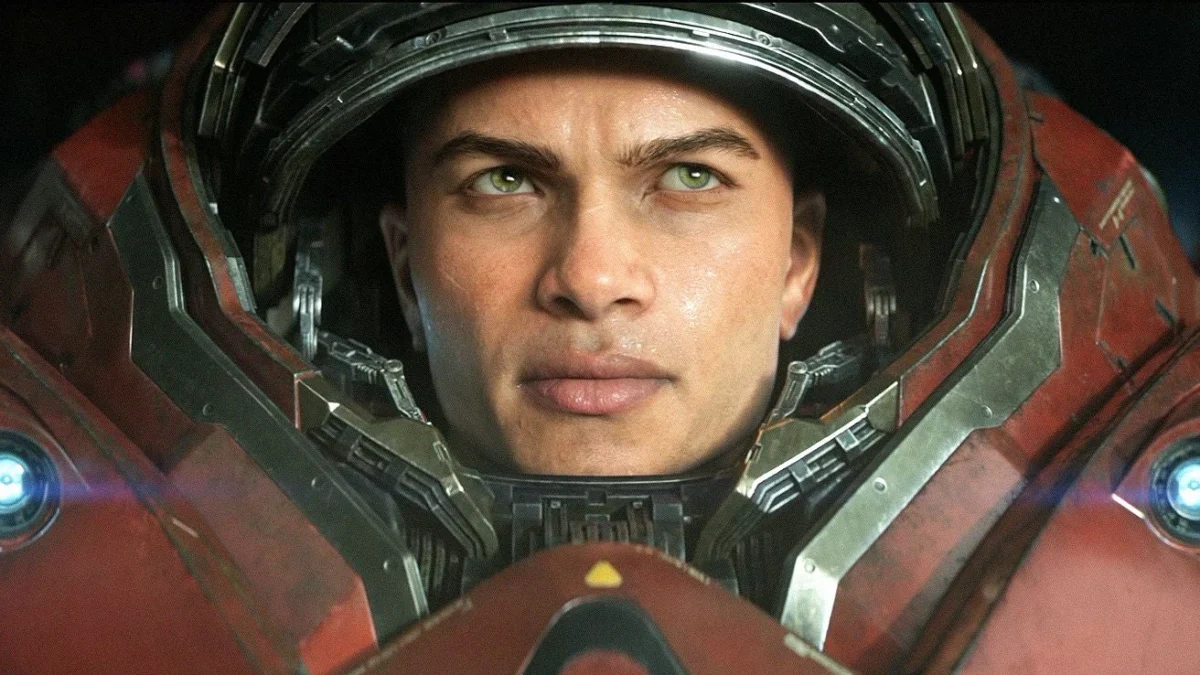
Blizzard Entertainment has provided the first significant technical and structural details regarding its upcoming StarCraft project, confirming the title will be a narrative-focused, open-world shooter currently slated for a 2030 release. During a media roundtable at BlizzCon 2026, project leader Dan Hay clarified the game’s architecture, describing it as a "boxed product"—a terminology that signals a departure from the "games-as-a-service" (GaaS) model that has defined the studio’s recent output, including Overwatch 2 and Diablo IV. This new StarCraft entry aims to provide a definitive single-player experience with a structured story arc, emphasizing exploration and character progression within a gritty, "space Western" setting.
The announcement marks a pivotal moment for the StarCraft franchise, which has remained largely dormant in terms of new installments since the conclusion of the StarCraft II trilogy and its subsequent DLC, Nova Covert Ops. By pivoting from the real-time strategy (RTS) genre to an open-world shooter, Blizzard is attempting to expand the intellectual property’s reach while utilizing the expertise of Dan Hay, who previously oversaw the Far Cry franchise at Ubisoft for a decade.
Structural Shift: The "Boxed Product" Philosophy
The most notable revelation from the BlizzCon 2026 roundtable is the game’s move away from seasonal content and ongoing monetization loops. Dan Hay explicitly likened the project to a traditional standalone release. "If I were to describe the overall structure we currently envision, it’s a ‘box product,’" Hay stated. He further detailed that the game would feature a narrative with a definitive beginning, middle, and end, allowing players to experience a complete story without the requirement of participating in a live-service ecosystem.
This structural choice is significant given the current climate of the AAA gaming industry, where many major publishers have faced scrutiny for over-reliance on battle passes and microtransactions. By positioning the StarCraft shooter as a standalone narrative experience, Blizzard appears to be targeting the market for premium single-player adventures, similar to titles like Cyberpunk 2077 or the newer Star Wars Jedi series. Hay emphasized that while players are encouraged to explore the world, the goal is for them to "experience its story" and move on, rather than being tethered to a seasonal schedule.
Gameplay Mechanics and World Design
The gameplay loop described by Hay suggests a hybrid of tight, scripted missions and expansive exploration. Players will create and name a custom character, progressing through a world that balances "serious missions" with free-form activities. Hay noted that the game would not be "overly punishing," but would maintain a high degree of challenge.
A core mechanic involves the interplay between the open world and narrative missions. If a player encounters a mission that is too difficult, the game encourages them to retreat into the open world to scavenge for resources, upgrade their armor, and improve their gear before attempting the challenge again. This "scavenge and return" loop is a hallmark of Hay’s previous work on the Far Cry series, adapted here to fit the high-technology setting of the StarCraft universe.
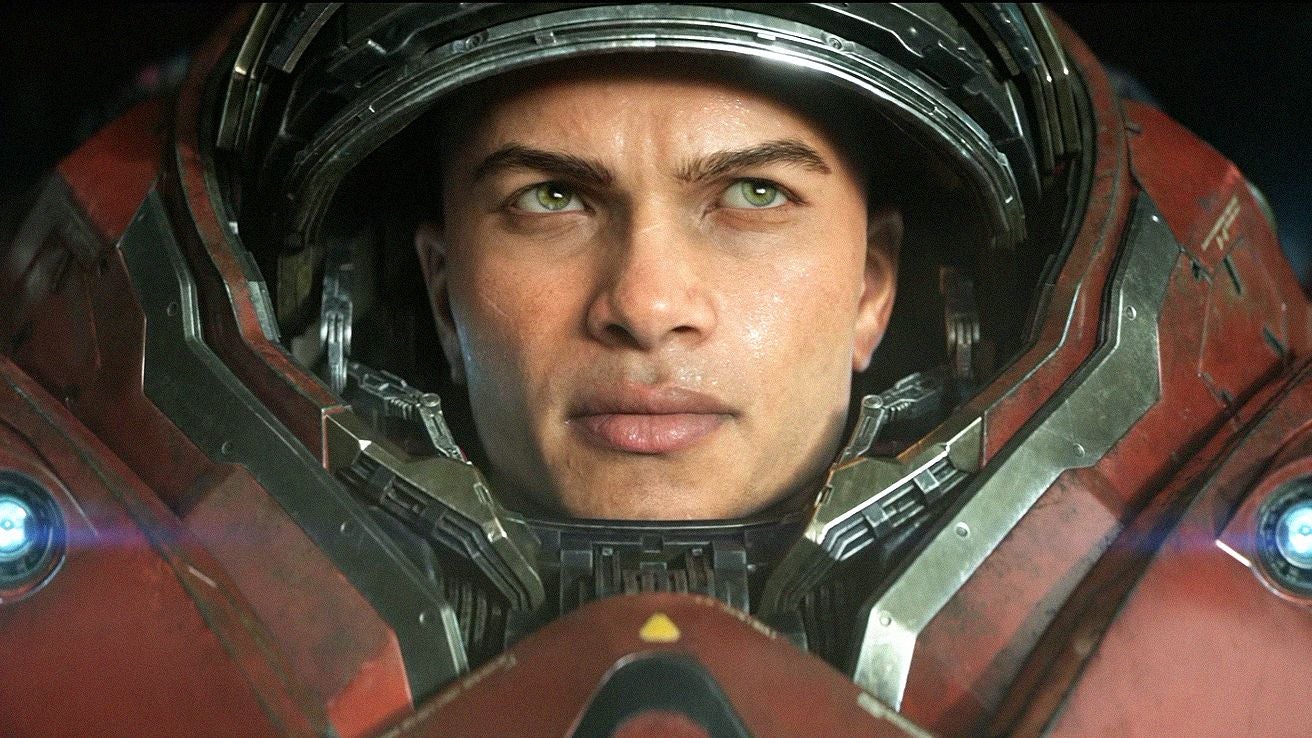
The perspective of the game is also a major point of focus. Unlike the top-down view of the RTS entries, this shooter is designed to be "up-close and personal," placing the player at eye level with the massive machinery and terrifying alien threats of the Koprulu Sector. Hay expressed a desire to capture the "intensity of emotion" found in the franchise’s lore, citing the abandonment of Sarah Kerrigan on Tarsonis as the benchmark for the narrative weight the team hopes to achieve.
Narrative Timeline and Setting
Chronologically, the new StarCraft title is set approximately 70 years after the events of the previous games. This time jump allows the development team to establish a new status quo while remaining grounded in the existing lore. The setting is described as a "space Western," characterized by a sense of isolation and frontier lawlessness.
In this future era, the political landscape has shifted significantly. Hay described a world of "countless political moves" and clashing factions, suggesting a more nuanced geopolitical environment than the binary Terran-Zerg-Protoss conflicts of the past. While the initial reveal trailer focused heavily on Terran technology and "Dominion" aesthetics, Hay confirmed that the Protoss remain a vital part of the world, even if their presence is more shadowed or clandestine. The atmosphere is intended to be "dark and gritty," leaning into the "rough edge" that distinguished the original 1998 StarCraft from more colorful science-fiction contemporaries.
Historical Context: The Long Road to a StarCraft Shooter
The transition of StarCraft to the shooter genre is a move that has been decades in the making. In 2002, Blizzard famously announced StarCraft: Ghost, a tactical third-person shooter starring the psychic operative Nova Terra. Despite years of development and multiple public demonstrations, the project was officially cancelled in 2006, becoming one of the most high-profile "vaporware" titles in gaming history.
The 2030 project represents a spiritual realization of that long-held ambition, though it appears to be much broader in scope than Ghost ever was. Between the cancellation of Ghost and the announcement of the 2030 shooter, Blizzard has undergone massive internal changes, most notably its acquisition by Microsoft. Analysts suggest that the financial backing and diversified portfolio of Microsoft Gaming may have provided the necessary stability for Blizzard to revisit a project of this scale without the immediate pressure of generating recurring live-service revenue.
Broader BlizzCon 2026 Announcements
The StarCraft reveal was part of a larger slate of announcements at BlizzCon 2026, which served as a showcase for Blizzard’s long-term roadmap. Other major highlights included:
- Diablo V: A surprise announcement for a Spring 2029 release, following the continued success of Diablo IV’s expansions.
- World of Warcraft Forever: A "Classic Plus" initiative designed to provide new content for the legacy version of the long-running MMORPG.
- Warcraft III: A new RTS campaign designed to bridge the gap between the classic strategy game and modern World of Warcraft lore.
The density of these announcements suggests a "renaissance" period for Blizzard’s core franchises, with a clear focus on diversifying the genres in which these IPs operate.
Analysis: The Future of StarCraft as an RTS
The pivot to an open-world shooter has raised questions among the fanbase regarding the future of StarCraft as a real-time strategy series. When questioned about whether an RTS entry was also in development, Dan Hay remained cautious. He acknowledged the "hugely important and powerful position" StarCraft holds within the RTS genre but refused to confirm any additional titles.
"I want to avoid a situation where I say something here and headlines come out reading ‘Blizzard Developing Another StarCraft Game Beyond This Title,’" Hay said. This suggests that for the foreseeable future, the 2030 shooter is the primary vehicle for the StarCraft brand.
Industry Impact and Expectations
The 2030 release date places this project at the end of the current console generation or the beginning of the next, implying that Blizzard is targeting high-end hardware to realize its vision of a "rich open world." By moving away from the seasonal model, Blizzard is making a calculated bet that the StarCraft brand is strong enough to carry a premium-priced, single-player-first experience.
Industry observers note that the success of this title could signal a shift in how legacy IPs are handled under the Microsoft-Blizzard umbrella. If a narrative-driven StarCraft shooter succeeds, it could pave the way for other dormant Blizzard properties—such as Overwatch or even older titles like Blackthorne—to be reimagined in new genres.
For now, the StarCraft community remains in a state of cautious optimism. While the departure from RTS is a significant change, the involvement of industry veterans like Dan Hay and the commitment to a "gritty, space Western" tone suggests that the core identity of the franchise is being preserved, even as its gameplay mechanics evolve. With a 2030 release window, Blizzard has afforded itself the time to refine what could be the most ambitious transformation of a franchise in the company’s history.