Metty Iskandar
The familiar sight of cellular signal bars on an Android Auto dashboard, a seemingly minor detail, has proven to be a surprisingly significant indicator for many drivers. These small icons provide an immediate visual cue about the stability of a user’s phone connection, crucial for uninterrupted calls, seamless navigation, and reliable data streaming. However, for a considerable period earlier this year, this vital visual feedback vanished for a segment of Android Auto users, leaving them in the dark about their connectivity status in areas with spotty network coverage. Now, a glimmer of hope has emerged with the rollout of Android Auto version 17.8.1638, which appears to be restoring this long-absent cellular signal indicator.
The Unseen Glitch: A Months-Long Disappearance
The issue first began to gain traction in early 2024, with numerous reports surfacing on online forums and user communities detailing the disappearance of the cellular signal strength indicator within the Android Auto interface. Users lamented that the once-present bars, typically located adjacent to the battery status icon, had simply ceased to appear. While the underlying functionality of calls, mobile data, and navigation services remained operational for most, the cosmetic absence of the signal indicator was a source of frustration. Drivers who had grown accustomed to relying on this visual cue to anticipate potential connectivity drops and dead zones found themselves navigating with a crucial piece of information missing.
This bug, while not impacting core functionalities, highlighted a subtle but important aspect of user experience design in automotive interfaces. The ability to quickly assess network strength is not merely about aesthetics; it’s about empowering users with foresight and control over their digital interactions while on the road. The absence of this indicator meant that users might only discover a lost signal after a call had already dropped or navigation had faltered, leading to inconvenience and potential safety concerns if they were relying on real-time traffic updates or communication.
A Timeline of Frustration and Hope
The first reports of the disappearing signal bars began to emerge around February 2024. Users on platforms like Reddit, specifically within the r/AndroidAuto subreddit, started threads detailing the problem. Initial speculation pointed towards a bug introduced in a recent Android Auto update, though the exact version responsible was not immediately clear. Over the subsequent months, the issue persisted for many, with no official acknowledgment or immediate fix from Google.
This period of sustained absence led to considerable discussion and a sense of collective annoyance among affected users. Many attempted troubleshooting steps, including clearing cache and data for the Android Auto app, reinstalling the app, and updating their phone’s operating system, often with no success. The problem appeared to be widespread, affecting a variety of phone models and car head units.
The turning point, according to recent user reports, began to surface in late August and early September 2024, coinciding with the availability of Android Auto version 17.8.1638. Users who managed to update to this beta build started reporting the return of the cellular signal bars. These reports, predominantly shared on Reddit threads like the one titled "Cell service status has returned," indicated that the familiar icons were once again appearing next to the battery indicator.
The Beta Rollout and Emerging Inconsistencies
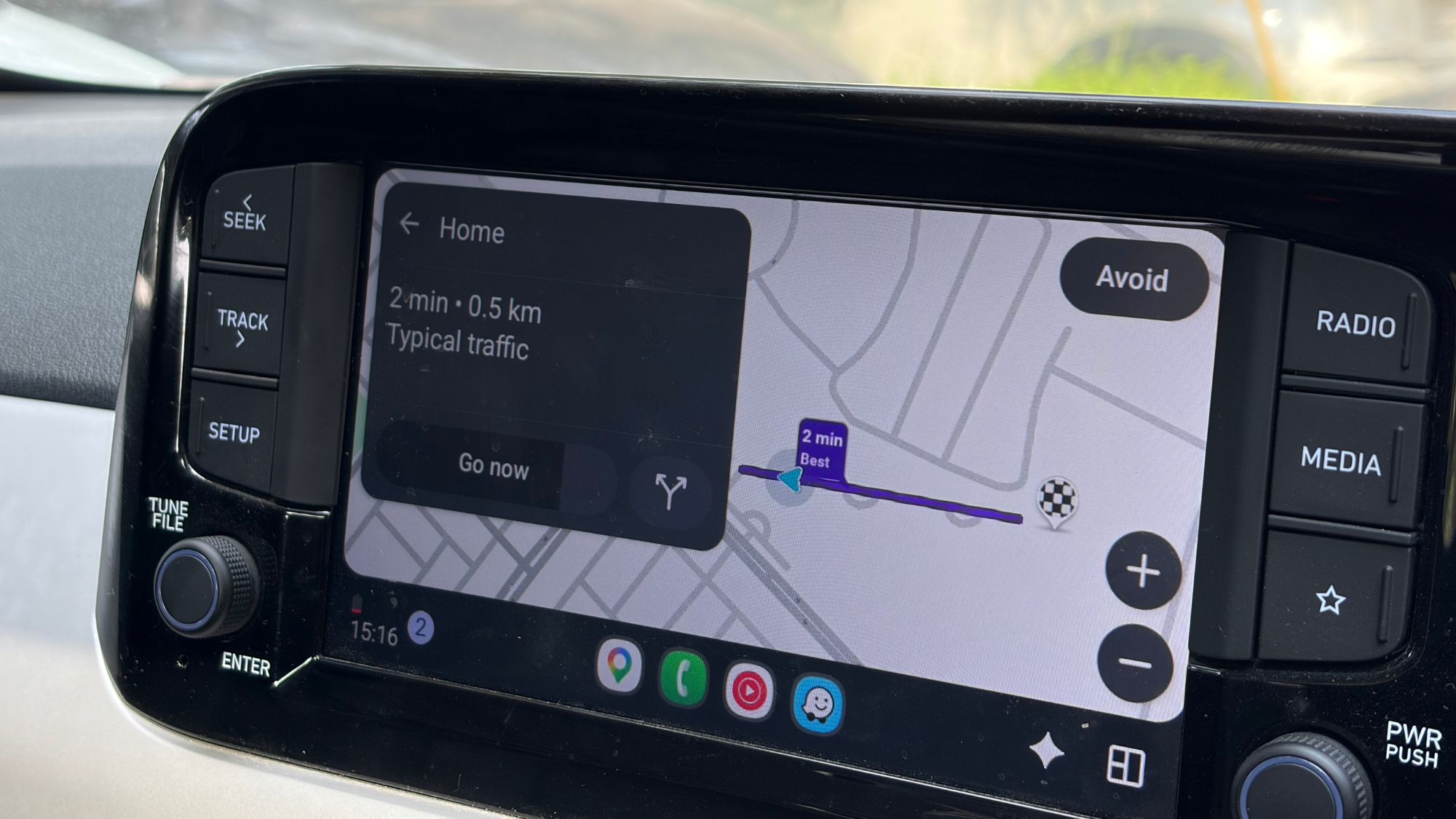
The good news, however, comes with a caveat. Android Auto version 17.8.1638 is currently in its beta phase. This means that stable-channel users, who receive updates through the standard Google Play Store release process, are unlikely to see this fix implemented just yet. The beta program, while allowing for early access to new features and bug fixes, is intended for more technically inclined users who are willing to report issues and provide feedback.
Furthermore, even among beta testers, the rollout of the restored signal indicator appears to be inconsistent. Some users have reported that the bars returned initially, only to disappear again shortly after, even without a further app update. In other instances, the signal bars reappeared after performing an additional cache clearing action, even when the app version number remained the same. This inconsistent behavior has led to speculation about a potential server-side component to the fix, suggesting that Google might be enabling the feature gradually through its backend infrastructure rather than solely relying on client-side app updates. However, Google has not yet officially confirmed the rollout mechanism for this specific fix.
This phased and somewhat unpredictable rollout highlights the complexities of deploying software updates, especially for a widely used application like Android Auto that interacts with a vast ecosystem of smartphones and vehicles. It also underscores the importance of user feedback in the development process, as community reporting is often the first indicator of widespread issues and successful fixes.
Analysis of Implications: More Than Just Pretty Pixels
The return of the cellular signal indicator, while seemingly a minor cosmetic fix, carries broader implications for the Android Auto user experience.
- Enhanced Situational Awareness: For drivers, knowing their signal strength is akin to knowing their fuel level. It allows for proactive decision-making. If the bars are low, a driver might delay an important call, switch to offline navigation, or be more attentive to potential disruptions in music streaming or traffic updates. This enhanced situational awareness can contribute to a less stressful and potentially safer driving experience.
- User Trust and Reliability: The prolonged absence of a basic visual indicator can erode user trust in the application’s polish and attention to detail. Its return signals that Google is actively addressing user-reported issues, even those that might be considered minor by some. This can foster a greater sense of reliability and encourage continued use of the platform.
- Understanding Connectivity Limitations: In an era where connectivity is paramount, understanding the limitations of that connectivity is equally important. The signal bars provide a tangible representation of the invisible network that powers many of Android Auto’s features. This visual feedback can educate users about the nature of cellular coverage and its impact on their in-car digital experience.
- The Importance of Beta Testing: The current situation with the beta rollout emphasizes the value of beta testing programs. They allow developers to identify and rectify issues before they affect the broader user base. However, it also highlights the need for robust testing and a clear communication strategy regarding feature rollouts, even within beta channels.
Looking Ahead: Stability and Future Enhancements
The primary hope among Android Auto users is that the cellular signal bars will not only make their way to the stable channel but will remain a permanent fixture this time. The experience of the past few months has underscored their utility, and their absence was keenly felt.
As Google continues to refine Android Auto, it is likely that further enhancements will be made to how connectivity status is displayed and managed. With the increasing integration of AI-powered features, such as Gemini in Android Auto, a stable and informative display of network strength will become even more critical for optimal performance. Users will be eager to see if future updates bring more granular connectivity information or proactive warnings about potential signal degradation.
For now, Android Auto users who are part of the beta program and have updated to version 17.8.1638 are advised to check their dashboards for the reappearance of the signal bars. For those on the stable channel, patience is recommended, as this fix is expected to roll out more broadly in a future stable release. The return of these seemingly small icons represents a significant step towards restoring a complete and intuitive user experience within the Android Auto ecosystem, ensuring drivers can stay informed and connected on their journeys.