Garick Elordi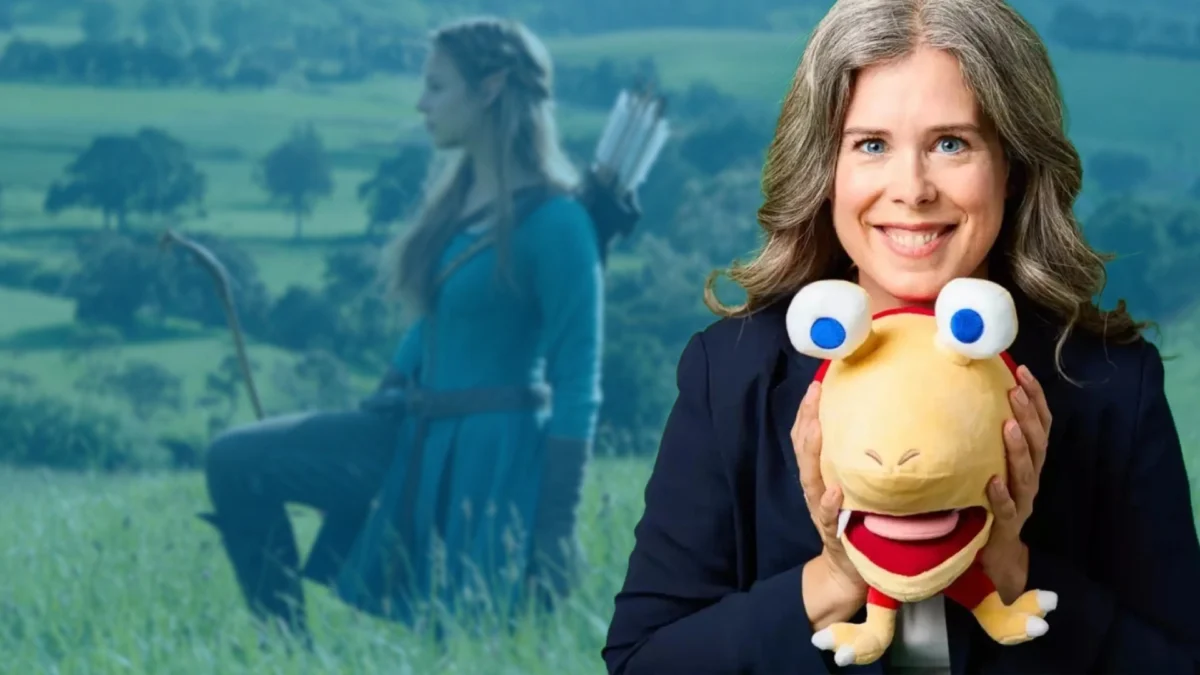
The global interactive entertainment landscape is currently witnessing a period of significant transition, yet Nintendo remains at the forefront of the industry’s most successful narratives. Recent financial reports and market analysis indicate that the Nintendo Switch 2 has achieved a historic milestone, officially becoming the fastest-selling video game hardware device in United States history. This achievement effectively unseats the long-standing record previously held by Sony’s PlayStation 4, a console that defined the eighth generation of gaming. By usurping this title, the Switch 2 has signaled a robust appetite for Nintendo’s hybrid-gaming philosophy and its unique ecosystem of first-party intellectual properties.
Data surrounding the console’s performance highlights a meteoric rise in adoption. Within its first year of release, the Switch 2 reached nearly 20 million units in sales, securing its position as the second-fastest selling console in U.S. history across all generations. This momentum has been fueled not only by brand loyalty but by a software lineup that has resonated deeply with both casual and hardcore demographics. The runaway success of titles such as Pokopia, alongside established first-party franchises, has provided a consistent value proposition for consumers. Even in the face of a strategic hardware price increase, Nintendo’s market velocity appears undiminished, suggesting a high level of price elasticity among its dedicated fanbase.
Strategic Vision and the Switch 2 Lifecycle
In a recent interview with Variety, Devon Pritchard, the Chief Operating Officer of Nintendo of America, provided insights into the company’s current trajectory and its long-term outlook. Pritchard emphasized that despite the record-breaking start, the company views this as merely the "beginning" of the Switch 2’s lifecycle. "This is just beginning and we’ve already had some really wonderful experiences, both ours and third-party come to the table," Pritchard noted. She expressed high expectations for the system’s future, highlighting the role of both internal and external developers in pushing the boundaries of what the hardware can achieve.
The Switch 2’s success is intrinsically linked to Nintendo’s ability to bridge the gap between traditional home console experiences and portable gaming. By refining the hardware capabilities while maintaining the versatility of its predecessor, Nintendo has successfully navigated the "sophomore slump" that often plagues hardware manufacturers following a massive hit. The COO’s comments suggest that the pipeline for the Switch 2 is robust, with a focus on delivering high-quality, polished experiences that leverage the unique architecture of the new system.
The Cinematic Pivot: From Pixels to the Big Screen
While hardware remains the core of Nintendo’s business, the company is aggressively expanding its footprint in the film industry. This diversification strategy is a response to the evolving ways in which consumers engage with entertainment brands. Following the unprecedented success of The Super Mario Galaxy Movie, which grossed an astounding $1 billion at the global box office—including a record-breaking $372.6 million in its opening weekend—Nintendo is setting its sights on its next major cinematic venture: The Legend of Zelda.
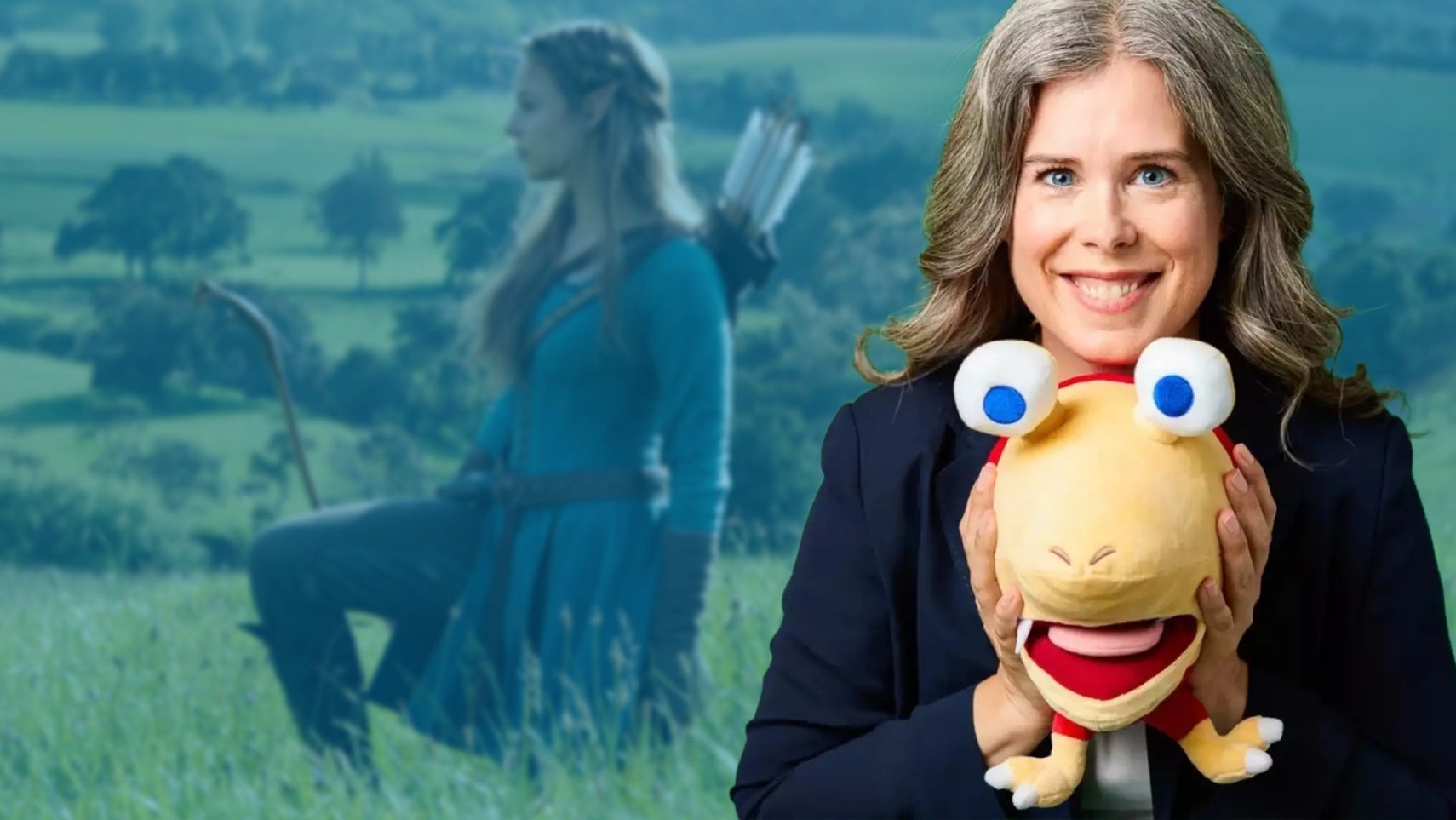
Unlike the collaboration with Illumination for the Mario franchise, Nintendo has partnered with Sony Pictures for the live-action adaptation of The Legend of Zelda. Pritchard confirmed that the film is slated for release at the end of April, an announcement that has generated significant anticipation within the industry. The choice to partner with Sony Pictures indicates a desire for a different tonal approach, likely leaning into the epic, high-fantasy elements that have defined the Zelda series for four decades.
"Those partnerships and touchpoints with companies like Sony and Sony Pictures around how we can bring those experiences more broadly to not only our current players and fans but to new ones… I think that’s one of the most exciting things for us over the next few years," Pritchard stated. This approach reflects a broader trend in the media landscape where video game IPs are increasingly viewed as the "new comic books," capable of sustaining massive multi-media franchises that transcend their original medium.
Production Timeline and the New Zealand Connection
The production of The Legend of Zelda film has been a subject of intense speculation. Following a dedicated "Zelda Direct" presentation in early September, it was revealed that the project—officially titled simply "The Legend of Zelda"—has reached a major milestone. Principal photography, which began in October 2025, has officially wrapped in New Zealand.
The choice of New Zealand as a primary filming location is strategic. The country’s diverse and dramatic landscapes were famously utilized for the Lord of the Rings trilogy, providing a visual benchmark for high fantasy cinema. By choosing these locales, director Wes Ball and the production team are signaling a commitment to a grounded, sweeping aesthetic that mirrors the vastness of Hyrule. While a full trailer has yet to be released to the public, the completion of filming suggests that the project is now entering an intensive post-production phase involving complex visual effects and scoring, likely to meet the ambitious April release window.
Software Synergy and the Role of Legacy Titles
Despite the excitement surrounding the film, Nintendo remains focused on its software roots. During her interview, Pritchard specifically referenced The Legend of Zelda: Ocarina of Time, a title often cited as one of the greatest video games ever made. While the COO did not explicitly detail new projects related to the title, her mention of it underscores Nintendo’s strategy of leveraging its rich history to inform future products.
The interplay between the film’s release and the gaming ecosystem is expected to be a major driver of revenue. Historically, successful film adaptations lead to a "halo effect," where interest in the original games spikes following a theatrical release. By timing the Zelda film alongside the growth of the Switch 2 library, Nintendo is positioned to capture a new generation of fans who may be introduced to Link and Zelda through the cinema before transitioning to the interactive experience on their consoles.
Philosophy of Engagement: Fun Over Competition
In an era where media companies are locked in a fierce battle for "eyeballs" and "engagement hours," Nintendo’s leadership maintains a distinct philosophical stance. When asked how the company plans to stand out in an increasingly crowded market where content is available 24/7, Pritchard pointed to a focus on quality over mere quantity.
"Content is available 24/7. So I think you hear a lot of times, people saying, we are competing for consumers’ time and I think what’s unique is that Nintendo is focused instead on building experiences that create relationships that last generations," she explained. This multigenerational approach has been a hallmark of Nintendo’s brand identity. By creating games that parents can play with their children—and that those children will eventually share with their own—Nintendo builds a level of brand equity that is rare in the volatile tech sector.
Pritchard admitted that the core of this strategy is deceptively simple: "How do we create those fun experiences? And that becomes the test: is something fun? It sounds simple, of course it’s not." This commitment to the "fun factor" serves as a North Star for the company’s development teams, often leading them to delay projects until they meet Nintendo’s exacting standards—a practice that has occasionally frustrated shareholders but has consistently rewarded consumers with polished, evergreen titles.
Resilience Amidst Global Industry Turbulence
The success of Nintendo is particularly noteworthy when contrasted with the current state of the wider gaming and tech industries. The sector has recently been characterized by a "great reset," involving massive layoffs, studio closures, and a significant contraction in consumer spending. Rising development costs and the "industry crunch" have forced many major publishers to scale back their ambitions or pivot to aggressive monetization strategies.
Nintendo, however, appears to be weathering these economic headwinds with relative stability. While the company is not entirely immune to global trends—evidenced by the hardware price adjustments—its reliance on high-margin first-party software and its controlled hardware ecosystem provides a buffer that third-party publishers lack. Furthermore, Nintendo’s conservative financial management and substantial cash reserves have historically allowed it to maintain its workforce and creative direction during downturns that cripple its competitors.
As the industry moves toward the latter half of the decade, Nintendo’s dual focus on cutting-edge hardware and cinematic expansion suggests a company that is not just reacting to market trends, but actively shaping them. With the Switch 2 breaking records and a major motion picture on the horizon, the "Nintendo era" shows no signs of waning. The coming years will determine if this momentum can be sustained, but for now, the house that Mario built remains the most formidable force in global entertainment.