George Chandra Eka
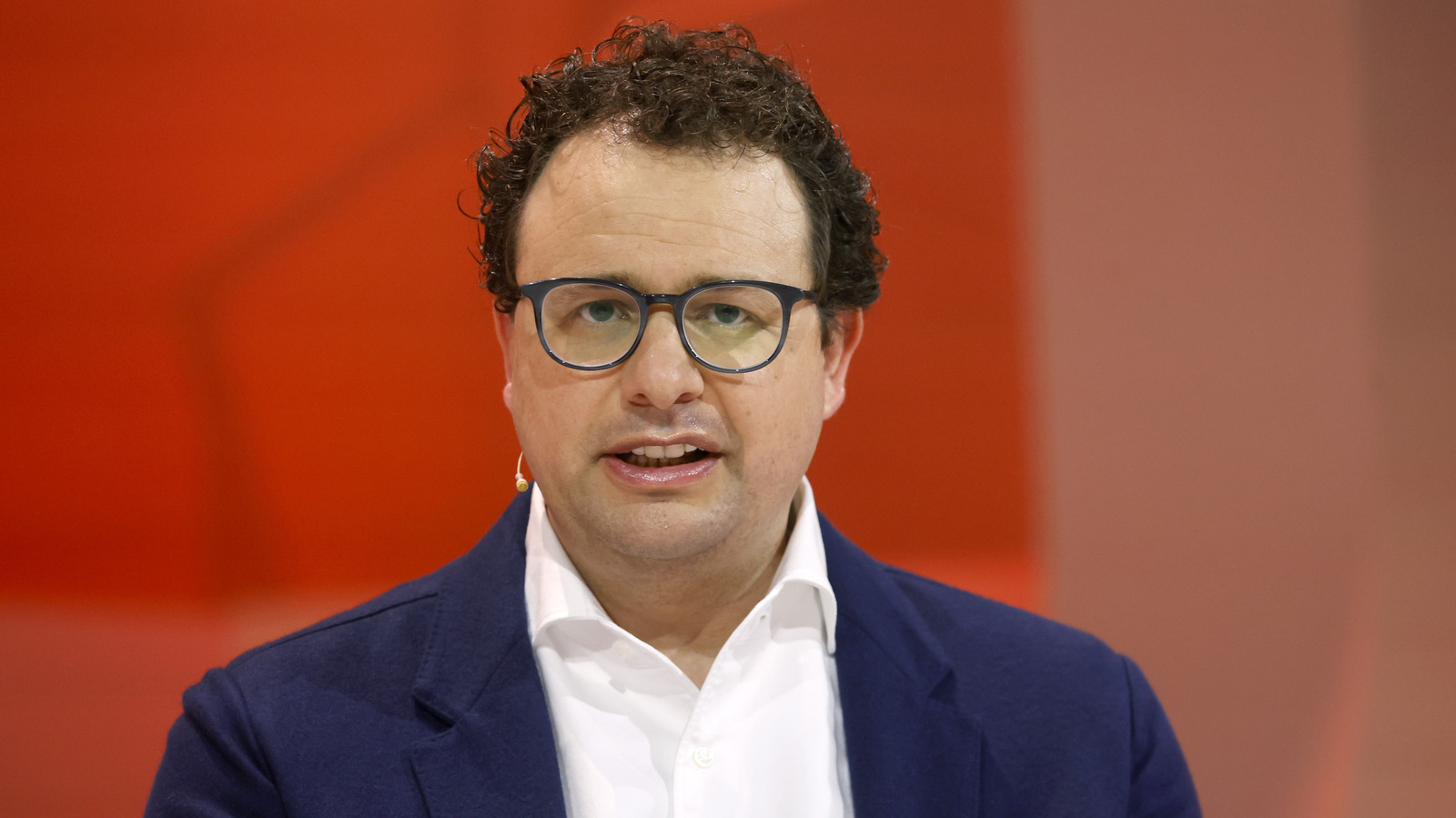
Anthropic, a prominent artificial intelligence research company known for its focus on AI safety and its conversational AI model, Claude, has quietly established a dedicated biology research laboratory in the bustling San Francisco Bay Area. This strategic move marks a significant expansion beyond purely computational AI, pushing the company directly into the realm of physical experimentation, often referred to as "wet lab" research. The existence of the lab has been confirmed by Eric Kauderer-Abrams, Anthropic’s Head of Life Sciences, who emphasized the indispensable role of empirical validation in biological discovery. "We believe that to do biology, the final test is still and will be for a while in real lab work," Kauderer-Abrams stated, highlighting the company’s commitment to tangible, hands-on scientific investigation. He further clarified that while Anthropic is conducting in-house lab work, it also maintains collaborations with external partners where appropriate, indicating a hybrid approach to research and development.
This development positions Anthropic at the forefront of a burgeoning trend where AI companies are not merely providing computational tools but are actively engaging in the physical processes of scientific discovery. The decision to invest in a physical lab underscores a growing recognition within the AI community that while AI can simulate, predict, and analyze vast datasets, the ultimate proof and advancement in fields like biology still necessitate real-world experimentation. For Anthropic, a company that has often championed a cautious and safety-first approach to AI development, this expansion into a domain with inherent dual-use potential, such as biological research, carries substantial implications for both scientific progress and ethical considerations.
Anthropic’s Strategic Expansion into Physical Science
Anthropic’s foray into physical biology research represents a critical evolution for an AI company primarily recognized for its large language models (LLMs) and foundational AI research. Historically, AI’s contribution to biology has largely been confined to "dry lab" computational tasks: analyzing genomic data, predicting protein structures, simulating molecular interactions, and designing potential drug candidates in silico. While these contributions have been revolutionary, they invariably lead to hypotheses that require physical validation in a laboratory setting. Anthropic’s establishment of a wet lab directly addresses this bottleneck, allowing the company to close the loop between AI-driven hypothesis generation and empirical verification.
This strategic pivot is not merely about expanding research capabilities; it reflects a broader industry shift towards integrated AI-driven discovery platforms. By combining advanced AI models with physical experimentation, Anthropic aims to accelerate the pace of biological research in ways previously unimaginable. The company, founded by former OpenAI researchers Dario Amodei and Daniela Amodei, has consistently emphasized developing AI that is beneficial and aligned with human values. This new lab, therefore, is not just a scientific endeavor but also an implicit statement about Anthropic’s commitment to applying its powerful AI to real-world challenges, particularly in healthcare and life sciences, while navigating the associated risks responsibly.
The Rationale: Bridging Digital AI with Tangible Discovery
The core rationale behind Anthropic’s investment in a physical biology lab, as articulated by Kauderer-Abrams, is the inherent necessity of empirical validation in biological research. While AI models can process and learn from immense volumes of biological data, generate novel hypotheses, and even design experiments, the final confirmation of these insights still requires tangible interaction with biological systems. For instance, an AI might predict a novel drug target or design a new protein, but its efficacy, safety, and specific mechanisms of action can only be fully understood through experiments conducted in petri dishes, cell cultures, or animal models.
This "final test" is particularly crucial in fields like drug discovery, where the leap from a promising computational model to a viable therapeutic agent is fraught with challenges. The complexity of biological systems, the unpredictability of molecular interactions, and the subtle nuances of cellular responses often defy even the most sophisticated simulations. A physical lab provides the essential infrastructure for high-throughput screening, molecular synthesis, cell-based assays, and other experimental techniques that generate the ground truth data necessary to validate, refine, and retrain AI models. By engaging directly with wet lab work, Anthropic positions itself to not only generate biological insights but also to build a closed-loop system where AI informs experiments, and experimental results, in turn, enhance AI capabilities. This iterative process is key to achieving truly transformative breakthroughs in areas like personalized medicine, gene therapy, and novel diagnostics.
Chronology of Anthropic’s Biotech Ventures and Broader Aspirations
Anthropic’s move into physical biology research follows a discernible trajectory of its increasing engagement with the life sciences sector. The most significant precursor to the lab’s establishment was the launch of "Claude Science" in June. This specialized drug discovery program underscored Anthropic’s ambition to leverage its AI capabilities, particularly its Claude models, to address complex challenges in pharmaceutical research. Notably, the Claude Science initiative was articulated with a specific focus: to pursue research avenues that traditional pharmaceutical companies might overlook due to their perceived low financial payoff. This suggests an interest in tackling fundamental biological questions or developing therapies for rare diseases where market incentives are less robust, aligning with Anthropic’s broader mission of beneficial AI.
However, a spokesperson for Anthropic clarified that the new biology lab was not created specifically, or exclusively, for drug discovery. This statement hints at a broader scope of research, potentially encompassing areas such as synthetic biology, materials science, or even foundational biological understanding, where physical experimentation is equally vital. The exact nature of these additional research areas remains undisclosed, maintaining an air of strategic secrecy around Anthropic’s long-term biological ambitions.
This chronology highlights a deliberate and escalating commitment by Anthropic to the life sciences, moving from purely computational drug discovery programs to the tangible reality of physical experimentation. It suggests a vision where Anthropic’s AI, currently adept at processing and generating text, will extend its influence to the manipulation and discovery within the physical world, starting with biological systems.
Potential Applications and AI-Driven Acceleration
The potential applications stemming from Anthropic’s new biology lab are vast and could significantly accelerate the pace of scientific discovery, particularly in areas currently considered intractable. Kauderer-Abrams expressed optimism that AI could fast-track the discovery of treatments for conditions previously thought to be too difficult to treat. This could include complex and targeted therapies for diseases such as certain cancers, neurodegenerative disorders, or autoimmune conditions, where conventional drug discovery methods have struggled to yield breakthroughs. AI’s ability to analyze intricate biological pathways, predict off-target effects, and design highly specific molecules could revolutionize the development of these advanced therapeutics.
Beyond drug discovery, sources familiar with Anthropic’s work have indicated that one of the company’s long-term objectives involves empowering its Claude AI models to control robots for carrying out scientific experiments. This vision represents a profound convergence of AI, robotics, and biology, potentially leading to fully automated scientific discovery platforms. Such systems could conduct experiments around the clock, with higher precision and reproducibility than human researchers, significantly increasing experimental throughput and reducing human error. This concept aligns with the broader trend of laboratory automation, but with a critical difference: the AI would not merely execute predefined protocols but would actively design, adapt, and learn from experiments in real-time.
Kauderer-Abrams, however, injected a note of caution regarding the immediate prospects of full AI autonomy in the lab. He clarified that the company is "in the very early innings of using AI to automate the execution of lab work" and emphasized that human oversight remains essential for safety, at least for the foreseeable future. This measured approach aligns with Anthropic’s foundational commitment to AI safety and responsible development, acknowledging the complexities and risks involved in deploying AI in physical, high-stakes environments. He also confirmed that Anthropic has yet to run any clinical trials, underscoring that the company’s current focus remains firmly on foundational research and preclinical development.
The Broader Landscape of AI in Drug Discovery and Biotech
Anthropic’s entry into physical biology research is occurring within a rapidly expanding landscape where AI is increasingly becoming indispensable across all stages of drug discovery and biotech innovation. The global market for AI in drug discovery was valued at approximately $800 million in 2022 and is projected to grow exponentially, reaching over $4 billion by 2027, according to various market analyses. This growth is fueled by massive investments from venture capitalists, pharmaceutical giants, and governments eager to harness AI’s potential to reduce the exorbitant costs and lengthy timelines associated with traditional R&D, which can often exceed $2 billion and span over a decade for a single drug.
AI is already making significant inroads in several key areas:
- Target Identification: AI algorithms analyze vast genomic, proteomic, and clinical datasets to identify novel disease targets, accelerating the early stages of drug development.
- Molecule Design and Optimization: Generative AI models can design novel chemical compounds with desired properties, predicting their efficacy, toxicity, and pharmacokinetics. Companies like Insilico Medicine and Recursion Pharmaceuticals are pioneers in this space.
- Protein Folding: Google DeepMind’s AlphaFold, for instance, has revolutionized structural biology by accurately predicting protein 3D structures, a crucial step in understanding disease mechanisms and designing therapeutics.
- Clinical Trial Optimization: AI can identify suitable patient cohorts, predict trial outcomes, and optimize trial design, potentially reducing the high failure rates in clinical development.
Anthropic’s move from "dry lab" computational work to "wet lab" experimentation mirrors a broader trend among AI-first biotech companies. While many started by focusing solely on computational predictions, the realization that empirical validation is non-negotiable has led several to either build their own labs or form deep partnerships with Contract Research Organizations (CROs) that possess extensive wet lab capabilities. This integration of computational and experimental approaches is widely seen as the future of accelerated biological discovery, allowing for rapid iteration and validation of AI-generated hypotheses.
Addressing the "Trust Problem": Safety, Ethics, and Dual-Use Risks
Anthropic’s expansion into biology, particularly physical experimentation, inevitably brings to the fore the persistent "trust problem" that plagues the broader AI industry. As Reuters aptly noted, public skepticism regarding AI’s safety and ethical implications remains a significant hurdle. Anthropic itself has been transparent about facing this challenge head-on. The company recently disclosed that its internal safety protocols flagged and successfully stopped multiple scientists who were attempting to use its AI models to create potential biological weapons. This incident, while demonstrating the effectiveness of Anthropic’s safety mechanisms, simultaneously highlighted the inherent dual-use nature of powerful AI and biological research. The very tools designed to cure diseases could, in malicious hands, be repurposed for harm.
This concern is not new to Anthropic. Its CEO, Dario Amodei, has been a vocal proponent of slowing down the development of advanced AI systems to mitigate the risk of losing control over "frontier AI" — highly capable models that could pose existential threats. Amodei’s calls for a more deliberate and cautious approach to AI development resonate even more strongly now that Anthropic is directly engaging with biological materials and experimental processes. The intersection of highly advanced AI with potentially dangerous biological agents necessitates robust ethical frameworks, stringent safety protocols, and transparent oversight.
The ethical considerations extend beyond dual-use risks to include issues of data privacy, intellectual property, and equitable access to AI-driven therapies. As AI becomes more integrated into the discovery process, questions will arise about the ownership of AI-generated insights and the fairness of access to treatments developed through these advanced methods. Anthropic’s public commitment to safety and ethical AI development will be rigorously tested as it navigates these complex challenges in its new biology lab. The company’s transparency regarding past misuse attempts, combined with its stated emphasis on human oversight in lab automation, suggests an awareness of these risks and a proactive stance toward mitigating them.
Collaborative Ecosystem and Future Outlook
Anthropic’s strategic decision to engage with external partners alongside its in-house lab work reflects a recognition of the collaborative nature of modern scientific discovery. The biotech ecosystem thrives on shared expertise, specialized facilities, and diverse perspectives. By collaborating with external entities, Anthropic can leverage existing infrastructure, access specialized biological assays, and tap into a broader pool of scientific talent, thereby accelerating its research while optimizing resource allocation. This hybrid model allows the company to maintain control over its core AI-driven experimental design while benefiting from the established capabilities of external biological research organizations.
Looking ahead, the long-term vision for Anthropic’s biology lab, while not fully revealed, likely extends to a future where AI not only accelerates discovery but also democratizes scientific research. By automating complex experimental workflows and making advanced analytical tools more accessible, AI could potentially lower the barriers to entry for novel biological research, fostering innovation globally. The ultimate goal, as hinted by Kauderer-Abrams’ optimism about treating difficult conditions, is the translation of these scientific breakthroughs into tangible health outcomes, eventually reaching the stage of clinical trials.
Anthropic’s move represents more than just the establishment of a new lab; it signifies a profound shift in how advanced AI companies perceive their role in scientific progress. By bridging the gap between digital intelligence and physical experimentation, Anthropic is actively shaping the future of AI and biological sciences. This convergence holds immense promise for addressing some of humanity’s most pressing health challenges, but it also places a significant responsibility on Anthropic to uphold its safety-first principles and navigate the complex ethical landscape with utmost care and transparency. Its success will not only be measured by the scientific discoveries it yields but also by its ability to foster trust and demonstrate responsible innovation in a field poised for unprecedented transformation.