George Chandra Eka
The humble cassette tape, a ubiquitous medium for music and spoken word throughout the latter half of the 20th century, holds a precarious place in the digital age. While often relegated to attics and storage bins, these magnetic relics possess a surprising resilience, though their longevity is far from guaranteed. Experts generally posit a lifespan of approximately 30 years under ideal conditions, a figure that can drastically shrink to as little as five years if exposed to adverse environments. Understanding the factors influencing their degradation and implementing proper preservation techniques are crucial for safeguarding the invaluable audio archives and cultural heritage they represent.
The Genesis and Golden Age of the Compact Cassette
Introduced by Philips in 1963, the compact cassette was initially conceived for dictation, offering unparalleled portability and ease of use compared to reel-to-reel tapes. Its impact, however, quickly transcended its utilitarian origins. By the 1970s, advancements in tape technology, including higher fidelity formulations and noise reduction systems like Dolby, transformed the cassette into a viable format for music distribution. This marked the beginning of its golden age, a period characterized by its democratizing influence on music consumption.
The 1980s witnessed the cassette’s peak, fueled by the explosive popularity of portable players like Sony’s Walkman, introduced in 1979. This device revolutionized personal listening, allowing individuals to carry their music wherever they went, a concept now ubiquitous with smartphones. Cassettes became the dominant format for pre-recorded music, outselling LPs for the first time in 1983. Beyond commercial releases, the ability to record at home fostered a vibrant culture of mixtapes—personalized compilations that served as potent expressions of sentiment, shared experiences, and nascent DJ skills. From recording songs off the radio (often with the inevitable intrusion of a DJ’s voice) to crafting sonic narratives for friends, lovers, and road trips, mixtapes became an integral part of youth culture and personal expression. This era solidified the cassette’s role not just as a playback device but as a creative tool, storing a generation’s soundtrack and personal memories.
However, the dawn of the 1990s brought forth a formidable challenger: the Compact Disc (CD). Offering superior sound quality, durability, and random track access, CDs rapidly eclipsed cassettes in market share. By the late 1990s, the cassette’s commercial dominance waned significantly, relegated largely to niche markets and spoken-word recordings. The subsequent rise of digital audio formats—MP3s, then streaming services like Spotify—further pushed cassettes to the periphery, seemingly consigning them to the annals of obsolete technology.
The Intricacies of Cassette Technology and Degradation
To comprehend the longevity of a cassette tape, one must understand its fundamental mechanics. Encased within a plastic shell are two spools connected by a thin, magnetic tape, typically made of polyester film coated with magnetic particles (iron oxide, chromium dioxide, or pure metal). When played, the tape moves past a magnetic head, which reads the encoded magnetic patterns, converting them into electrical signals that are then amplified and reproduced as sound.
The primary enemy of cassette tape longevity is not simply time, but the interaction of time with environmental factors and the inherent chemical instability of its components. The magnetic particles are bound to the polyester base film by a binder material, often polyurethane-based. Over decades, this binder can undergo hydrolysis, a chemical reaction with water molecules in the air, causing it to become sticky, shed particles, or even turn into a gummy residue. This phenomenon, colloquially known as "sticky shed syndrome," makes the tape unplayable, as it adheres to playback heads, causes friction, and can permanently damage the tape and player.
Another common issue is the loss of lubrication within the tape’s layers. The binder contains lubricants that allow the tape to move smoothly. As these lubricants evaporate or break down, the tape can become brittle or stiff, leading to increased friction, stretching, or snapping during playback. Furthermore, the magnetic particles themselves can lose their magnetic orientation over time, leading to a gradual degradation of the audio signal, characterized by a loss of high frequencies and increased noise, a process known as "print-through" or "self-erasure."
Physical stressors also contribute to degradation. Uneven winding, repeated playback, or poor player mechanics can stretch the tape, creating "wow and flutter" (variations in pitch) and audible distortion. The plastic shell itself can warp or crack, compromising the tape’s internal alignment and exposing it to dust and physical damage.
Crucial Factors Influencing Longevity: Beyond the Attic
While the general estimate of 30 years serves as a baseline, the actual lifespan of a cassette tape is heavily dependent on a confluence of environmental and handling factors. The oft-cited advice to avoid storing tapes in the attic is particularly pertinent due to the extreme temperature fluctuations common in such spaces.
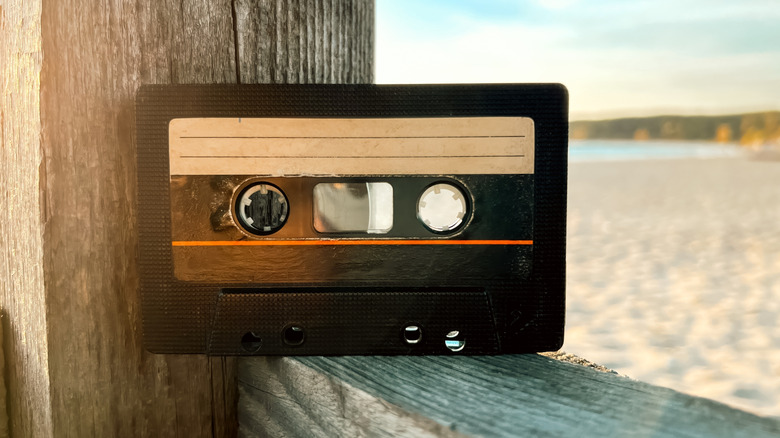
- Temperature and Humidity: These are arguably the most critical environmental factors. Ideal storage conditions recommend a stable temperature range of 59 to 73°F (15 to 23°C) and a relative humidity between 25-55 percent. High temperatures accelerate chemical degradation, particularly binder hydrolysis, while low temperatures can make the tape brittle. Frequent fluctuations between hot and cold are especially detrimental, causing materials to expand and contract, leading to stress and material breakdown. High humidity directly contributes to sticky shed syndrome, while excessively low humidity can dry out lubricants and make tapes brittle.
- Light Exposure: Ultraviolet (UV) light, even indirect sunlight, can accelerate the breakdown of plastic components and the tape’s binder, leading to embrittlement and discoloration.
- Dust and Contaminants: Dust particles can abrade the tape surface during playback, causing permanent damage and introducing noise. Dust mites, mold, and mildew thrive in humid, dusty environments and can feed on the organic components of the tape, causing irreparable damage.
- Magnetic Fields: Exposure to strong magnetic fields (e.g., from speakers, motors, or unshielded electronics) can partially or completely erase the magnetic information on the tape. While common household magnets are usually not strong enough to cause significant damage unless in direct contact for prolonged periods, powerful industrial magnets pose a serious threat.
- Physical Handling and Storage: Tapes should always be stored vertically in their original protective cases to prevent warping of the shell and to maintain consistent tape tension. Horizontal storage can lead to uneven pressure on the reels, potentially damaging the tape edges. Avoiding direct contact with the tape surface, handling only by the shell, and ensuring clean playback equipment are also vital.
- Usage Patterns: Ironically, lack of use can also be detrimental. Tapes that sit undisturbed for decades can develop "print-through," where magnetic signals from one layer bleed onto adjacent layers. Periodically fast-forwarding and rewinding (known as "exercising" the tape) can help redistribute lubricants and reduce layer-to-layer adhesion, preventing the binder from becoming too sticky. Conversely, excessive or rough playback on poorly maintained equipment can cause physical damage, stretching, or breakage.
Preservation Strategies for Decades to Come
For those wishing to preserve their cassette collections, whether for sentimental value, historical significance, or a love of analog sound, several strategies can significantly extend their lifespan.
Optimal Storage Environment:
The cornerstone of cassette preservation is a controlled environment. A cool, dry, and stable climate is paramount. Basements, if climate-controlled and free from moisture, can be suitable, but damp or fluctuating environments should be avoided. Dedicated archival storage boxes, often acid-free and designed to protect against dust and light, offer an additional layer of protection beyond the original plastic cases. Ensuring tapes are fully wound to one end (preferably fast-forwarded to the end and then rewound) before storage helps maintain even tension and reduces the risk of tape deformation.
Regular Maintenance:
Both the tapes and the playback equipment require attention. Periodically wiping down the exterior of cassette cases with a soft, lint-free cloth can prevent dust accumulation. For playback, regular cleaning of the tape heads, pinch rollers, and capstan of the cassette player is essential. Residue from shedding tapes can accumulate on these components, leading to muffled sound, uneven playback, and further damage to tapes. Specialized head cleaning kits, often involving isopropyl alcohol and cotton swabs or cleaning cassettes, should be used according to manufacturer instructions. Playing tapes occasionally, even just fast-forwarding and rewinding, helps keep the tape lubricated and prevents layers from sticking together.
The "Be Kind, Rewind" Mandate:
The popular Blockbuster-era slogan for VHS tapes holds true for cassettes. Always rewind tapes to the beginning after listening. This helps prevent uneven winding tension, which can stress the tape, and prepares it for the next playback, minimizing wear on the player’s rewind mechanism. Using the player’s rewind function rather than manually turning with a pencil (a common workaround for unspooled tapes) ensures consistent tension.
Digitization: The Ultimate Preservation Method:
While physical preservation aims to extend the life of the analog artifact, digitization offers a permanent, future-proof solution for the audio content itself. This process involves converting the analog audio signal into a digital file, such as WAV or FLAC for lossless quality, or MP3 for smaller file sizes and convenience.
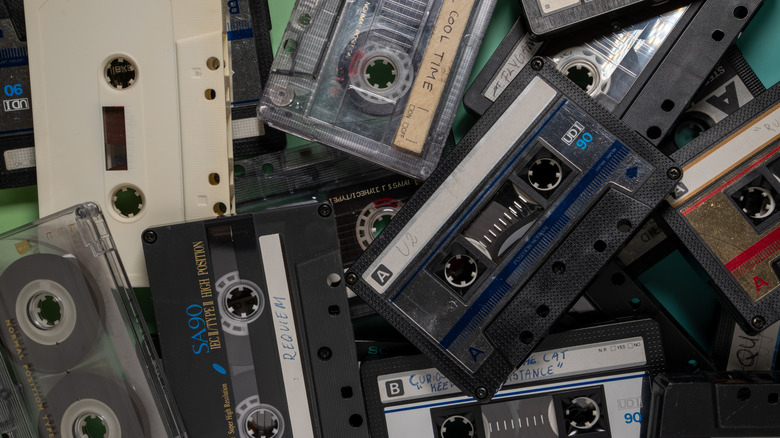
- DIY Digitization: For the technically inclined, this can be achieved at home. It requires a working cassette player (a high-quality deck is recommended for best results), an audio interface or sound card with line-in capabilities, and audio recording software like Audacity (a free, open-source option) or more professional Digital Audio Workstations (DAWs). The process typically involves connecting the cassette player’s line-out to the computer’s audio input, recording the playback in real-time, and then editing and saving the digital files. Careful calibration of recording levels is crucial to avoid clipping or low signal-to-noise ratios.
- Professional Digitization Services: For large collections, valuable historical recordings, or individuals lacking the equipment or expertise, professional digitization services offer a streamlined solution. These services often utilize high-end equipment, specialized software for noise reduction and restoration, and skilled technicians to ensure optimal audio transfer and archival quality. They can handle tapes in various states of disrepair, sometimes employing techniques like "baking" (carefully heating the tape to temporarily restore sticky binders) to make them playable for a single, high-quality transfer.
Digitization not only protects against the inevitable physical degradation of the tape but also makes the audio accessible on modern devices and shareable, ensuring the memories and music endure.
The Enduring Appeal and Modern Resurgence
Despite the dominance of digital audio, cassette tapes have experienced a curious and sustained resurgence in recent years, mirroring the vinyl revival. This analog renaissance is driven by a complex interplay of nostalgia, a desire for physical media, and a counter-cultural embrace by independent artists.
- Nostalgia and Tactile Experience: For many, particularly those who grew up in the 1970s and 80s, cassettes evoke powerful memories. The act of physically interacting with music—inserting the tape, pressing play, flipping sides, or even using a pencil to fix a tangled ribbon—provides a tactile, ritualistic experience that streaming lacks. It’s a connection to a specific time and place, a tangible link to personal history.
- Independent Music Scene: Cassettes have become a popular, affordable format for independent bands and small labels. They offer a low-cost alternative to vinyl for limited-edition releases, tour merchandise, and demo tapes. This allows artists to offer a physical product to fans, fostering a sense of exclusivity and direct connection. The lo-fi aesthetic often associated with cassette recordings also appeals to certain genres and artists.
- Collector’s Market: A growing community of collectors actively seeks out rare, vintage, or limited-edition cassettes. This market is fueled by scarcity, unique artwork, and the thrill of discovery. Data from the Recording Industry Association of America (RIAA) indicates a steady, albeit small, increase in cassette sales in recent years, with a notable jump in 2020 and 2021, demonstrating a niche but dedicated consumer base. While still a fraction of overall music sales, the trend signifies more than just a passing fad.
- Cultural Relevance: The cultural echoes of cassettes are evident in popular media, from hit TV shows like "Stranger Things" that prominently feature the Walkman and mixtapes, to fashion and design trends referencing the era. Just as Gen Z has shown an unexpected affinity for iPods, a similar generational curiosity is sparking interest in cassette tapes and their associated playback devices.
Implications for Cultural Heritage and the Future of Analog
The challenges of preserving cassette tapes extend beyond personal collections to vast archives of cultural heritage. Libraries, museums, and historical societies hold invaluable collections of oral histories, field recordings, broadcast materials, and unique musical performances on cassette. The degradation of these tapes represents a significant threat to the historical record, underscoring the urgency of mass digitization efforts. Audio archivists frequently emphasize that while physical tapes can theoretically last for a century under perfect conditions, relying solely on analog storage is a precarious gamble. The consensus among preservation specialists is that digitization is not merely an option but a critical imperative for long-term access and preservation.
The ongoing fascination with analog formats like vinyl and cassettes suggests a broader societal yearning for tangibility and a deeper connection to media in an increasingly ephemeral digital world. This trend presents both challenges and opportunities. Manufacturers are responding by producing new cassette players, including retro-styled boomboxes with modern features like Bluetooth connectivity, and affordable Walkman-style portables, ensuring that the means to play these tapes remain available. The continued production of new blank cassette tapes also supports the independent music scene and hobbyists.
In conclusion, while the lifespan of a cassette tape is finite and subject to the ravages of time and environmental factors, proactive preservation strategies can significantly extend its utility. From meticulous storage conditions and regular maintenance to the indispensable process of digitization, individuals and institutions alike have the tools to safeguard these magnetic vessels of memory and sound. The enduring appeal of the cassette tape, far from being a mere relic, underscores a fundamental human desire to connect with the past, to hold onto tangible pieces of culture, and to ensure that the soundtracks of generations continue to resonate for decades to come.