Sisilia Frederika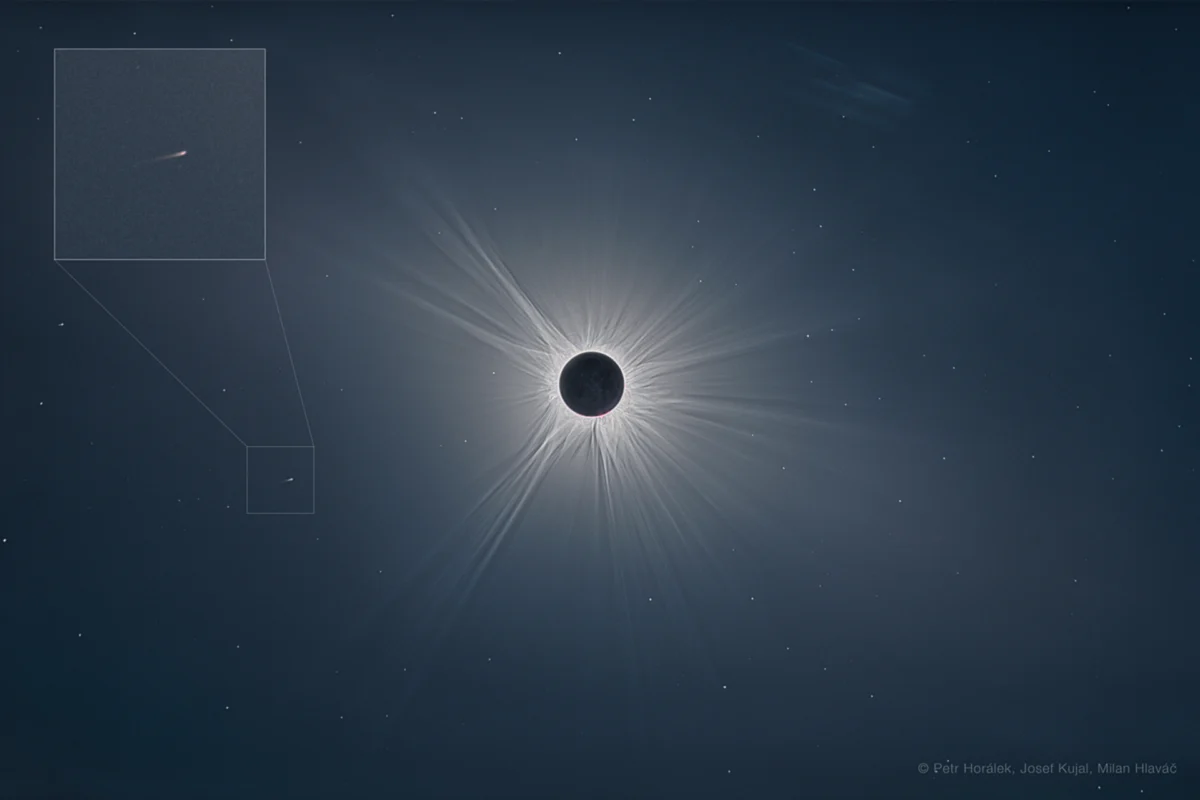
The global astronomical community and millions of skywatchers are shifting their focus toward August 12, 2026, as the Earth prepares for the only total solar eclipse of the year. This rare celestial alignment will see the Moon pass directly between the Earth and the Sun, casting a shadow that will sweep across the Northern Hemisphere, specifically touching Greenland, Iceland, the North Atlantic Ocean, and the Iberian Peninsula. As the event approaches, meteorologists, solar physicists, and logistics experts are analyzing weather patterns, solar activity, and regional conditions to provide the most accurate predictions for those positioned within the path of totality.
While total solar eclipses occur roughly every 18 months somewhere on Earth, the 2026 event is particularly significant due to its path over Western Europe and the high level of solar activity expected during the window of totality. Unlike the 2024 eclipse, which traversed North America, the 2026 path offers a unique set of viewing challenges and opportunities, ranging from the rugged, icy landscapes of the Arctic to the historic urban centers of Spain.
Geographic Path and Visibility Dynamics
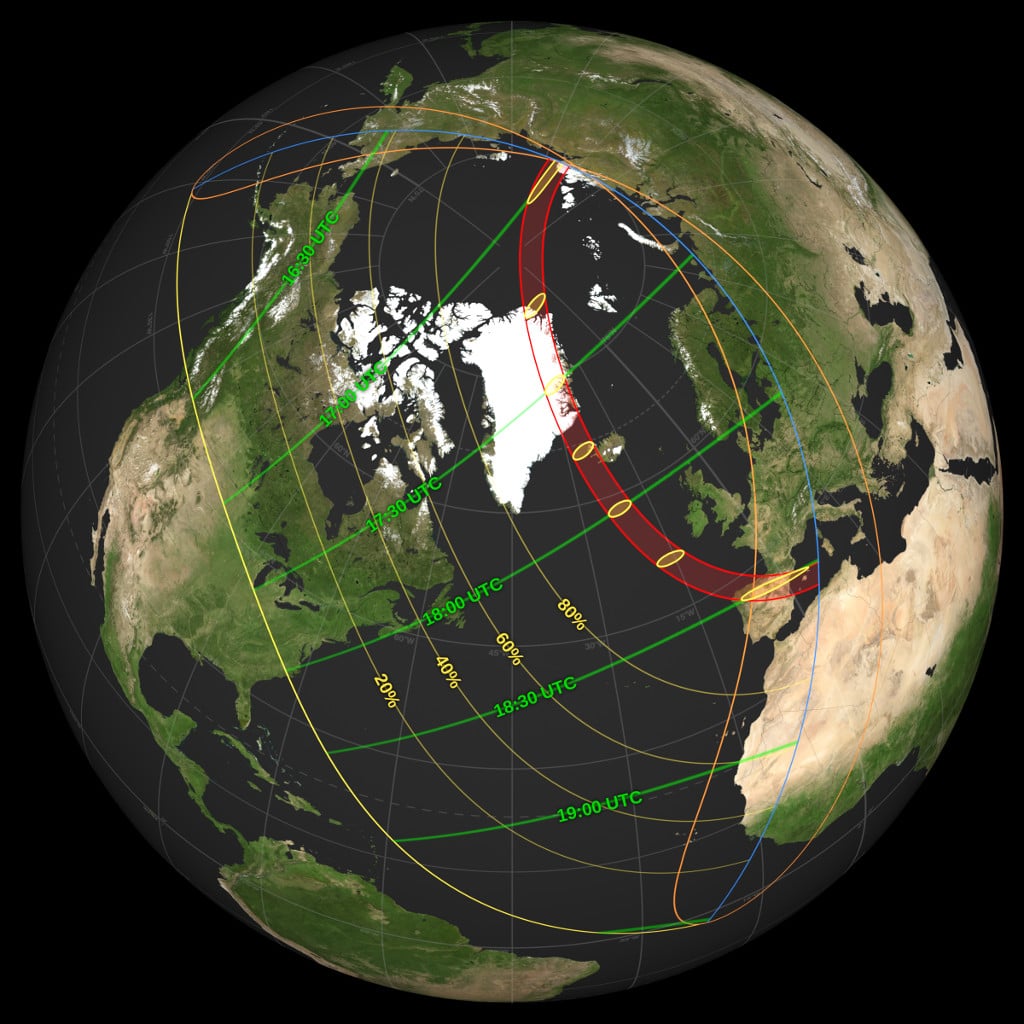
The path of totality for the August 12, 2026, eclipse begins in the remote regions of the Arctic. The Moon’s umbra—the darkest part of its shadow—will first make landfall in northern Greenland. From there, the shadow will travel southeast, crossing the Denmark Strait to encompass the western regions of Iceland, including the capital city of Reykjavik. This marks the first time Iceland has been in the path of a total solar eclipse since 1954, making it a primary destination for "umbraphiles" or eclipse chasers.
After leaving Iceland, the shadow will race across the North Atlantic Ocean before reaching the northern coast of Spain in the late afternoon. The path will cut a broad swath across the Spanish mainland, passing through major cities such as Gijón, León, Burgos, and Zaragoza, eventually reaching the Mediterranean coast and the Balearic Islands. For observers in Spain, the eclipse will occur low on the horizon, providing a dramatic visual of the solar corona against the colors of a late-summer sunset.
Beyond the path of totality, a partial solar eclipse will be visible across a much larger area. This includes nearly all of Europe, North Africa, and parts of North America. Notably, the partial phases will drape as far west as Alaska and parts of the northwestern United States, offering a significant astronomical event even for those thousands of miles away from the center of the shadow.
Weather Prospects and Regional Climate Challenges
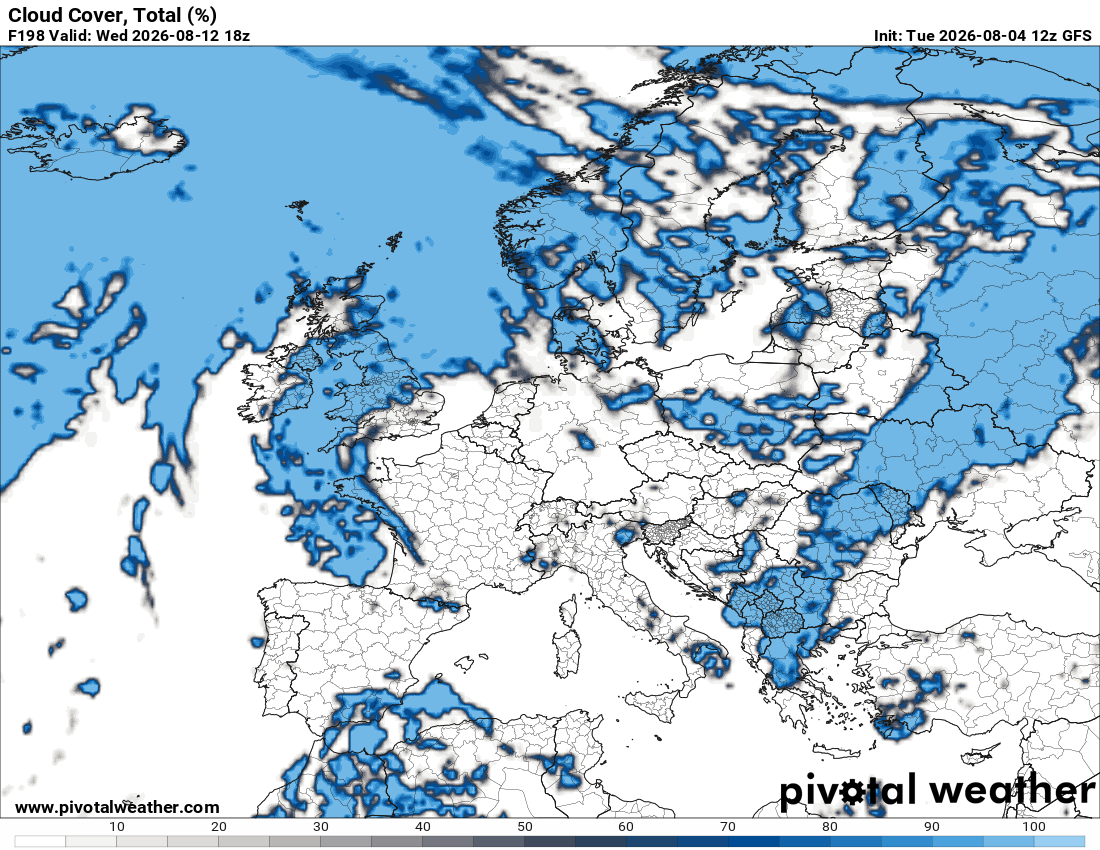
Weather remains the most critical variable for any eclipse observation. Historical climate data for mid-August suggests a stark contrast in viewing probabilities between the northern and southern segments of the path.
In Iceland and Greenland, maritime weather patterns often result in significant cloud cover. Current long-range models from the European Centre for Medium-Range Weather Forecasts (ECMWF) and Pivotal Weather indicate that Iceland faces a higher risk of overcast skies on eclipse day. However, the coastal nature of the path in Iceland allows for rapid weather changes, meaning that clear intervals could still occur.
In contrast, the Iberian Peninsula offers much higher statistical odds for clear skies. Northeastern and central Spain typically experience hot, dry conditions in August. However, the late-day timing of the eclipse in Spain introduces the risk of "calima"—a layer of dust and haze originating from the Sahara Desert—which can obscure the Sun when it is low on the horizon. Additionally, atmospheric extinction, the process where the Earth’s atmosphere absorbs and scatters light, will be more pronounced in Spain as the Sun sits at a lower altitude during totality compared to its position earlier in the day over the Atlantic.
Solar Cycle 25 and Coronal Expectations
The 2026 eclipse coincides with the predicted peak or "solar maximum" of Solar Cycle 25. This cycle has proven more active than many initial forecasts suggested, with an increase in sunspots, solar flares, and coronal mass ejections (CMEs). This heightened activity has a direct impact on the visual appearance of the Sun during totality.
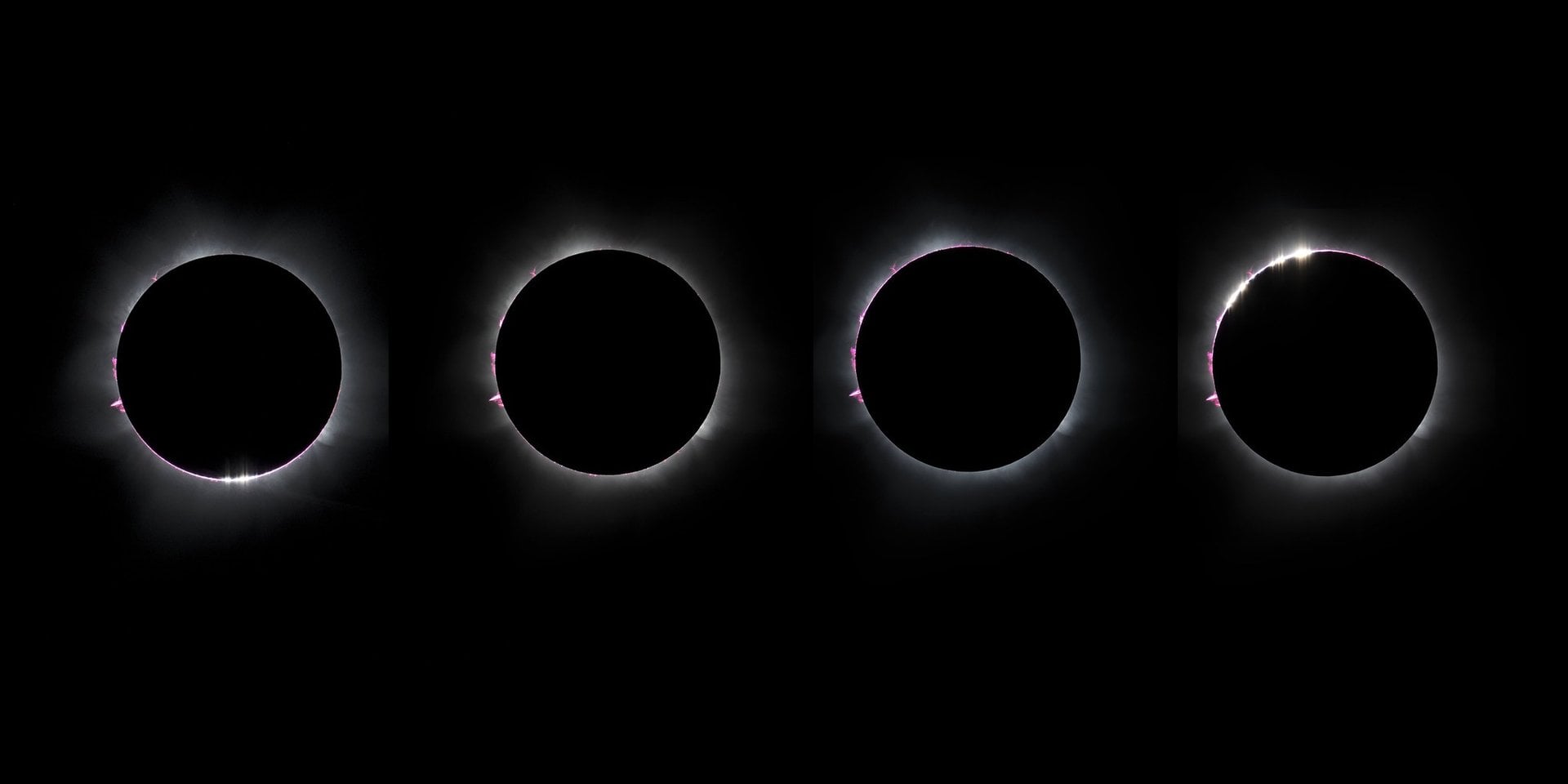
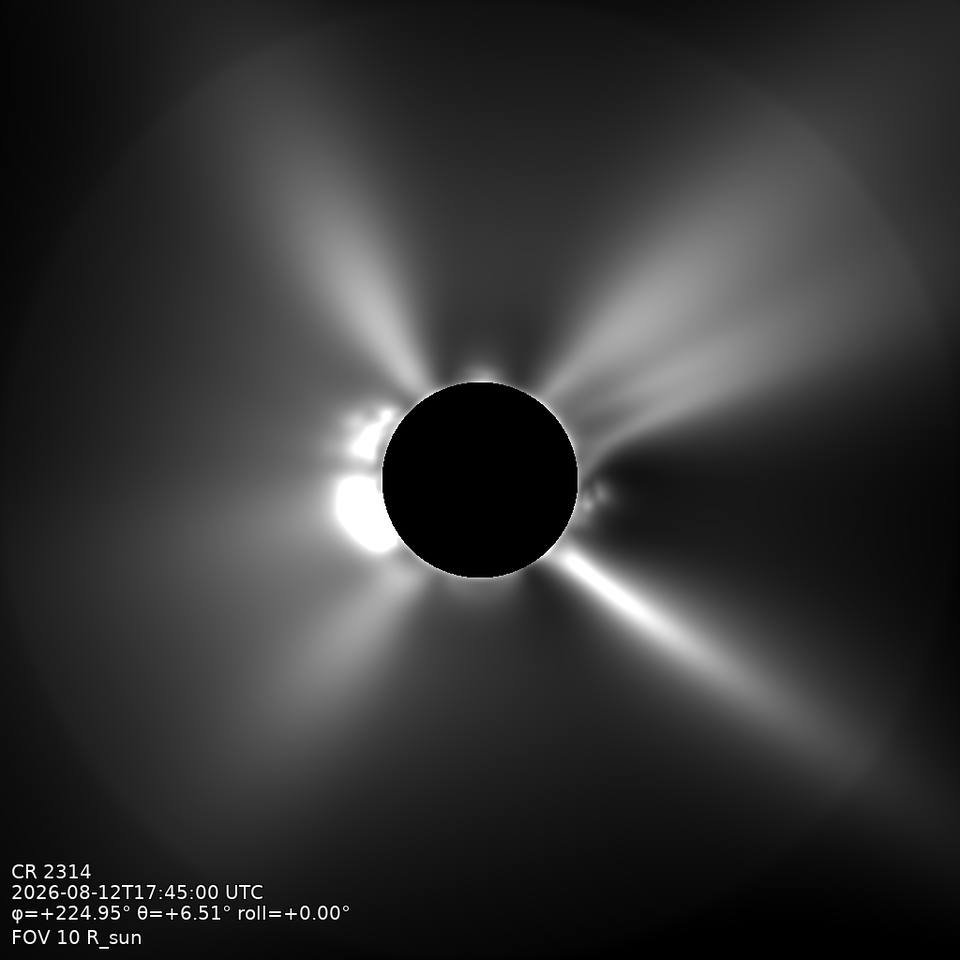
During the solar minimum, the solar corona—the Sun’s outer atmosphere—typically appears as a relatively simple, elongated shape with streamers extending primarily from the solar equator. During a solar maximum, however, the corona is expected to be much more complex and "hairy," with streamers radiating from all latitudes, including the poles. Observers can also expect to see prominent solar prominences—looping structures of plasma—visible as bright red or pink features along the limb of the Moon during the total phase.
The ESA’s KU Leuven COCONUT (COrona Computational Modeling) project is currently being utilized to simulate the expected shape of the corona. These predictive models help scientists understand the magnetic structure of the Sun and prepare for high-resolution imaging that can capture the fine details of the solar atmosphere.
Scientific Research and Space Weather Monitoring
Total solar eclipses are not merely public spectacles; they are vital opportunities for scientific research. The brief moments of totality allow researchers to study the Sun’s inner corona, a region that is difficult to observe even with specialized space-based telescopes known as coronagraphs.
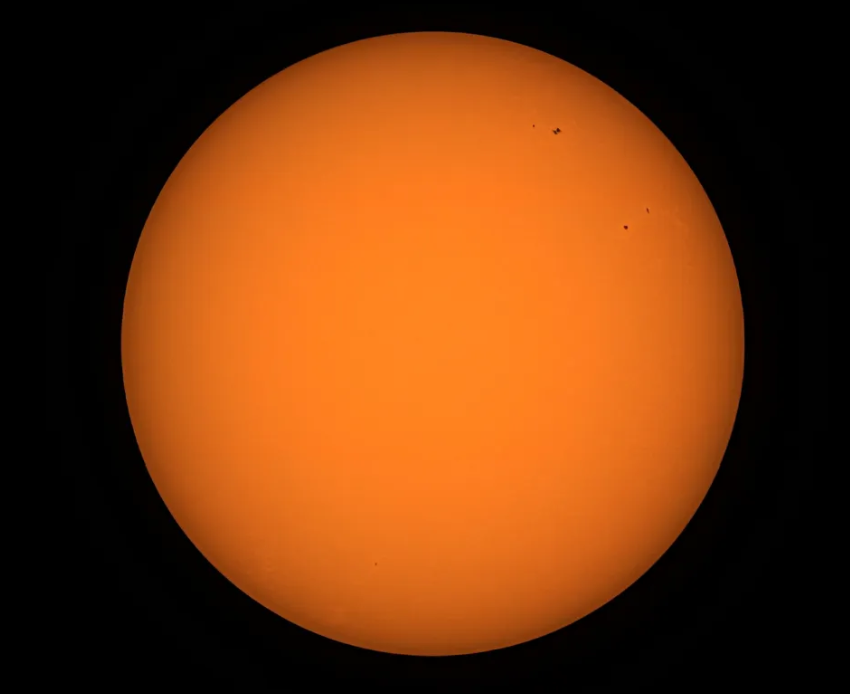
Several international agencies, including NASA and the European Space Agency (ESA), have coordinated efforts to monitor the 2026 event. NASA’s Solar Dynamics Observatory (SDO) will provide real-time data on sunspot activity leading up to the eclipse. Because the Sun rotates approximately once every 25 days, the sunspots visible five to seven days before the eclipse will likely be the same ones visible during the event.
There is also the "grim edge" possibility of observing the aurora borealis during totality in northern latitudes like Greenland and Iceland. If a Coronal Mass Ejection were to impact Earth’s magnetosphere within 48 to 72 hours of the eclipse, the sudden darkening of the sky during totality could reveal the northern lights, creating a rare "double" celestial phenomenon. Space weather agencies such as NOAA will be monitoring the K-index and solar wind speeds closely as August 12 approaches.
Wildfire Risks and Environmental Factors
Environmental conditions on the ground are also a factor for travelers and researchers. In recent years, southern Europe, particularly Spain and southern France, has faced increasingly severe wildfire seasons driven by summer heatwaves. In late July 2026, fires were reported near NASA’s Deep Space Network complex outside of Madrid, highlighting the potential for smoke and haze to impact visibility.
Local authorities in Spain have issued advisories regarding forest fire risks, as thousands of visitors are expected to congregate in rural areas along the path of totality. Regional governments are coordinating with emergency services to ensure that "eclipse tourism" does not exacerbate existing fire hazards or impede firefighting efforts.
Chronology of the Eclipse: Key Timings
The progression of the eclipse will follow a strict chronological sequence as the Moon’s shadow moves across the globe. (All times are estimated in Universal Time/UT):
- 16:30 UT: The partial eclipse begins over the North Atlantic and Greenland.
- 17:45 UT: Totality begins in northern Greenland.
- 17:58 UT: The shadow reaches the western coast of Iceland. Residents in Reykjavik will experience approximately 1 minute and 42 seconds of totality.
- 18:15 UT: The shadow travels across the North Atlantic, reaching its point of greatest eclipse, where totality will last approximately 2 minutes and 18 seconds.
- 18:25 UT: Totality reaches the northern coast of Spain.
- 18:32 UT: The shadow passes over Zaragoza and central Spain.
- 18:35 UT: Totality concludes as the shadow moves off the Balearic Islands into the Mediterranean Sea.
- 19:40 UT: The final partial phases of the eclipse end as the Moon’s penumbra leaves the Earth’s surface.
Economic and Cultural Impact
The 2026 eclipse is expected to generate a multi-million-euro boost for local economies within the path of totality. In Iceland, hotels and rental car services in the western fjords and the capital region have reported near-full occupancy for the week of the event. In Spain, the "Eclipse of 2026" is being marketed as a major cultural event, with festivals and scientific outreach programs planned in cities like Burgos and Valladolid.
However, the influx of visitors also presents logistical challenges. Authorities in smaller Spanish municipalities are preparing for "gridlock" on rural roads, similar to the traffic congestion seen in the United States during the 2017 and 2024 eclipses. Public safety campaigns are focusing on eye protection, emphasizing that solar filters and ISO-certified eclipse glasses are mandatory for viewing the partial phases to prevent permanent retinal damage.
Technological Observation and Live Coverage
For those unable to travel to the path of totality, technology will provide a front-row seat. NASA, ESA, and the Virtual Telescope Project have announced plans for comprehensive live webcasts. These streams will utilize high-altitude balloons and ground-based telescopes to ensure that even if weather conditions are poor in one location, viewers can still witness the event from another.
The use of "smartscopes" and mobile astronomical equipment has also surged in the lead-up to 2026. Amateur astronomers are using devices like the Dwarf Lab Dwarf Mini to track sunspot activity and practice imaging techniques, ensuring they are ready to capture the fleeting seconds of the corona’s appearance.
Conclusion
The total solar eclipse of August 12, 2026, stands as a testament to the predictable yet awe-inspiring "celestial gears" of the universe. While the path presents significant meteorological and logistical hurdles, the scientific data gathered during this period of high solar activity will be invaluable for our understanding of the Sun-Earth connection. As the Moon’s shadow prepares to race across the Atlantic, the world waits for the opportunity to stand briefly in the shadow of the Moon, witnessing the delicate and powerful beauty of the solar corona.