
 George Chandra Eka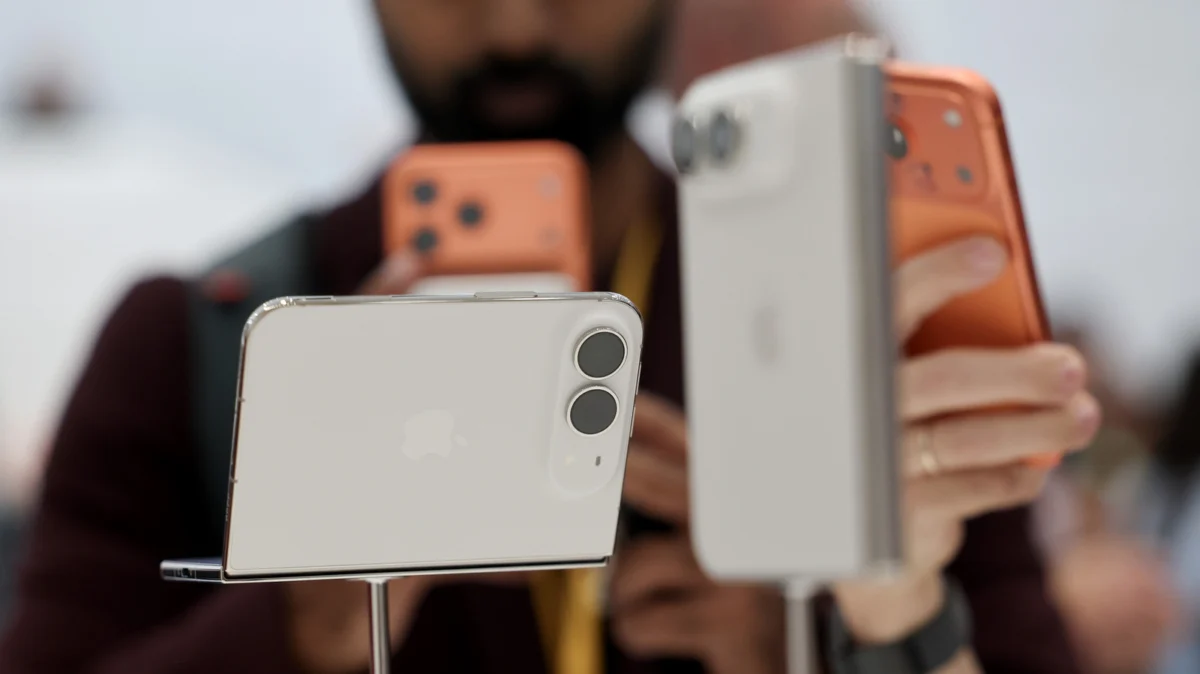
The advent of iPhone Handoff, a groundbreaking feature introduced with iOS 27, marks a significant evolution in mobile connectivity, fundamentally altering how users interact with multiple Apple devices. This innovation liberates users from the historical constraint of managing separate carrier accounts for each iPhone they possess, enabling a seamless, unified experience across two distinct handsets under a single mobile number. Unveiled initially at the annual Worldwide Developers Conference (WWDC) in 2026 and subsequently elaborated upon during Apple’s "Surprise and Shine" event on September 9, iPhone Handoff exemplifies Apple’s enduring commitment to ecosystem integration and user convenience.
A New Paradigm in Device Continuity
For years, Apple has championed the concept of "Continuity," a suite of features designed to bridge the gap between its various hardware and software offerings. From Handoff allowing users to start a task on one device and finish it on another, to Universal Clipboard for seamless copy-pasting, and Sidecar extending Mac desktops to iPad, the trajectory has consistently pointed towards a more interconnected and fluid digital existence. iPhone Handoff represents the pinnacle of this philosophy within the realm of cellular communication, directly addressing the growing trend of individuals owning multiple iPhones for distinct purposes – be it professional and personal separation, managing new and older devices, or leveraging specialized hardware like the rumored high-end "iPhone Duo."
The core promise of iPhone Handoff is deceptively simple: once configured, users merely unlock the iPhone they wish to use, and the device automatically assumes control of the primary cellular functions. This includes the ability to make and receive calls, send and receive messages, and utilize data services, all under the same familiar phone number. Beyond basic communication, the feature extends its utility to financial transactions, allowing payment cards configured on one device to function seamlessly on the other. Interactions with most applications and iCloud services are also designed to be instantaneous and synchronized, reinforcing the notion of a single, unified digital identity spread across two physical devices.
However, the implementation of such an advanced feature is not without its specific prerequisites and limitations. Foremost among these is the absolute necessity for carrier support, as the routing of cellular services across multiple devices requires significant infrastructure adjustments on the network provider’s end. Furthermore, while extensive, the Handoff capability does not encompass every aspect of the iPhone experience; for instance, it does not automatically switch a paired Apple Watch between devices, and certain sensitive wallet items, such as digital IDs and some passes, remain tethered to the original device for security and regulatory compliance.
The Genesis and Unveiling: A Strategic Rollout
The journey of iPhone Handoff from concept to public announcement reflects Apple’s strategic product revelation cycle. The initial mention at WWDC 2026 served as a preliminary glimpse, often reserved for features that, while significant, might not command headline status amidst larger architectural shifts or groundbreaking AI integrations (such as the heavily anticipated "Siri AI" enhancements for iOS 27, also previewed at the conference). This brief mention likely aimed to plant the seed of an upcoming innovation, allowing developers and early adopters to anticipate its potential.
The more comprehensive unveiling came on September 9 at Apple’s "Surprise and Shine" event. This timing is highly characteristic of Apple, as September events are historically dedicated to major iPhone launches and complementary hardware announcements. The detailed exposition of iPhone Handoff alongside new devices, such as the rumored iPhone 18 Pro and potentially the "iPhone Ultra" or "iPhone Duo," strategically positions the feature as an integral component of the latest generation of Apple’s mobile ecosystem. This synergy suggests that Handoff is not merely an add-on but a fundamental capability designed to enhance the value proposition of these new devices, particularly those catering to multi-device workflows or premium segments. The event’s focus on "Shine" might also imply an emphasis on refined user experience and polished functionality, perfectly aligning with Handoff’s promise of "invisible" ease of use.
Technical Architecture and User Experience
Setting up iPhone Handoff is designed to be intuitive, adhering to Apple’s principles of user-friendly technology. Both iPhones must be running iOS 27 or a later version, ensuring compatibility with the underlying software framework. Crucially, both devices need to be connected to the same Wi-Fi network and authenticated with the identical Apple ID for iCloud, FaceTime, and iMessage. This shared network and account authentication are paramount for the system to establish a secure and seamless link between the devices, allowing them to communicate and verify identity for cellular routing.
One iPhone is designated as the "primary" device, which typically houses the main eSIM (Embedded Subscriber Identity Module) and manages the core carrier settings. The secondary phone then leverages this primary connection, effectively mirroring its cellular identity. However, the system also offers flexibility: users can utilize an eSIM on each phone, provided both eSIMs are from supporting carriers. This dual-eSIM approach can offer enhanced reliability or allow for more complex scenarios, though the fundamental principle of sharing a single primary number remains.
The moment a user picks up and unlocks the desired iPhone, the system intelligently recognizes this action. A subtle notification appearing in the Dynamic Island, just below the Wi-Fi indicator, confirms that the device is now active for iPhone Handoff. This discreet feedback mechanism exemplifies Apple’s design philosophy, providing essential information without intruding on the user experience. The underlying technology likely involves a combination of secure peer-to-peer communication over Wi-Fi, Apple ID verification, and carrier network signaling to dynamically route calls and messages to the actively used device. This real-time switching ensures that users always receive communications on the device they are currently engaging with, eliminating the need to physically swap SIM cards or manage multiple phone numbers.
The Critical Role of Carrier Support and Commercial Implications
The success and widespread adoption of iPhone Handoff hinge significantly on carrier participation. As of its initial rollout, only T-Mobile in the United States and Telekom in Germany have confirmed their support. T-Mobile has further indicated that it will levy an additional monthly fee of $5 for the service, a pricing strategy that is not uncommon for multi-device connectivity features, particularly those involving wearables or tablets.
The requirement for carrier involvement underscores the fundamental nature of cellular networks. Handoff is not merely an on-device software trick; it necessitates the carrier’s network to recognize and manage a single subscriber identity across multiple endpoints. This often involves specific network architecture upgrades, signaling protocols, and billing system modifications. Carriers, therefore, must weigh the investment required against the potential for new revenue streams (like the $5 monthly fee) and the competitive advantage gained by offering such an innovative feature.
The limited initial carrier support suggests several possibilities. It could indicate the technical complexity and time required for network integration. Alternatively, it might reflect ongoing negotiations between Apple and various carriers regarding the commercial terms and technical specifications. For carriers, offering iPhone Handoff could be a powerful differentiator in a highly competitive market, attracting and retaining subscribers who value seamless multi-device experiences. As more users adopt iOS 27 and newer iPhones, the pressure on other major carriers worldwide to support Handoff is likely to intensify. This feature could become a standard expectation, pushing carriers to invest in the necessary infrastructure.
Diverse Use Cases and Target Demographics
While iPhone Handoff might appear to be a niche feature at first glance, its utility extends to a broad spectrum of users and scenarios.
-
Seamless Device Migration: One of the most immediate benefits is during the transition from an old iPhone to a new one. Instead of the traditional "big bang" switch, users can operate both devices simultaneously, gradually migrating data and personalizing the new phone without missing calls or messages on their primary number. This smooth migration path significantly reduces the friction associated with upgrading.
-
Enhanced Travel Convenience: For frequent travelers, Handoff offers practical advantages. Users can carry a less valuable or older iPhone for excursions into potentially risky environments, keeping their primary, more expensive device securely stored. Alternatively, one phone can host a local eSIM for data while the primary number remains active on another device for crucial communications, all without the hassle of forwarding calls or swapping SIMs.
-
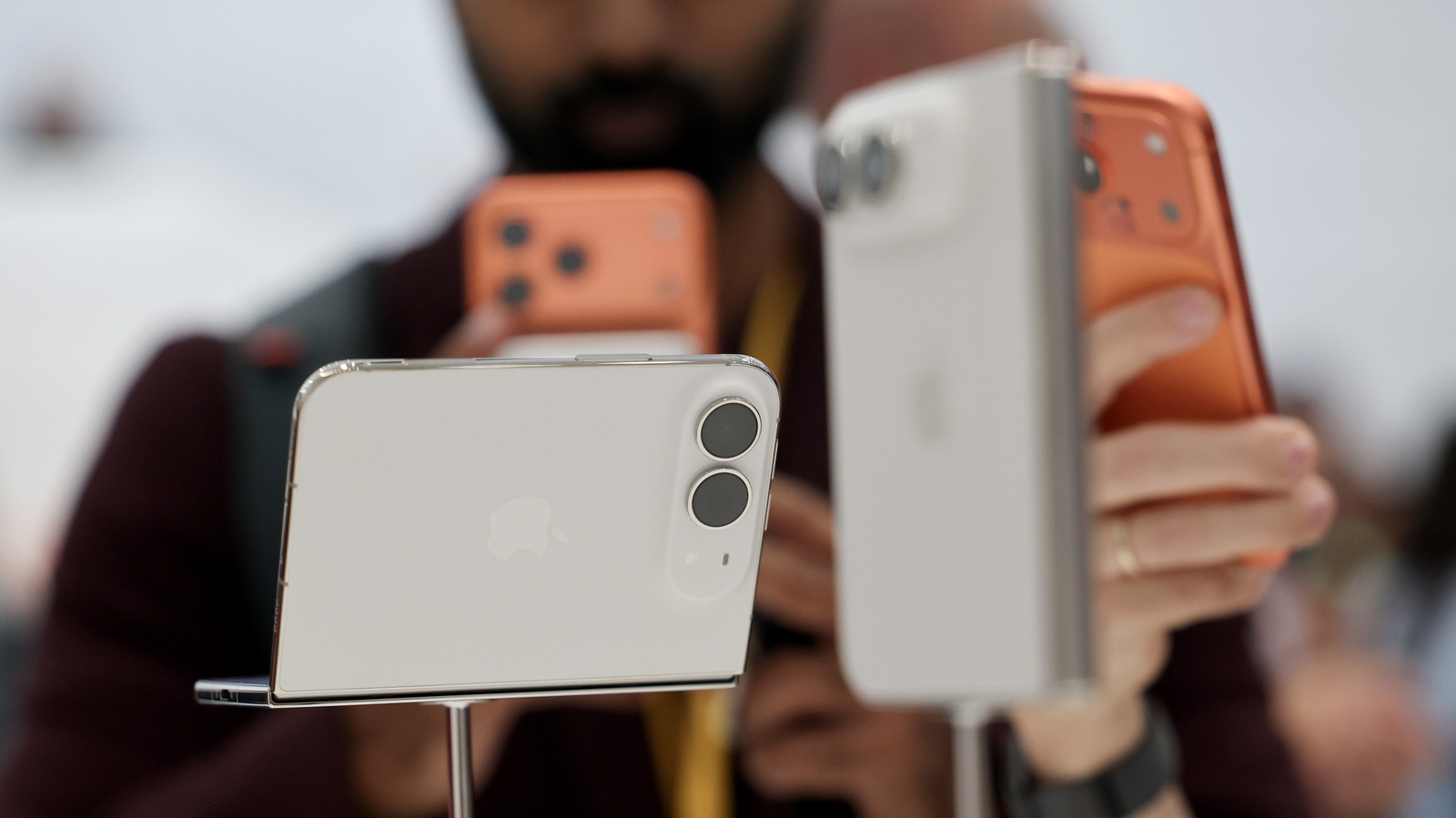
Specialized Device Utilization: The mention of a "$2,000 iPhone Duo" hints at Apple’s potential foray into more specialized or premium form factors, such as foldable phones or devices with unique dual-screen capabilities. Handoff would allow users to leverage the unique advantages of such a device (e.g., larger display for productivity) while having a more portable or conventional iPhone for everyday tasks, all under one number. This caters to a segment willing to invest in specialized hardware for specific use cases.
-
Professional and Personal Separation: Professionals often juggle work and personal life on their mobile devices. Handoff provides a clean solution: one iPhone can be dedicated to work applications and communications during office hours, while another, perhaps smaller or more casual, can serve personal needs during evenings or weekends. Both devices maintain access to the same core communication identity, streamlining professional responsiveness without compromising personal boundaries.
-
Activity-Specific Devices: Users engaging in rigorous outdoor activities or sports might opt for a rugged, more durable iPhone as their secondary device. Handoff ensures that even when the primary device is left safely at home or in a locker, critical calls and messages are still accessible on the activity-specific phone.
Management and Future Outlook
The management of iPhone Handoff, while mostly automated, does involve a few key considerations. When it’s time to replace one of the iPhones with an entirely new device, users must undertake the process of transferring the eSIM to the new hardware. This is a standard procedure for eSIM-enabled devices and ensures that the cellular identity is correctly associated with the active phone. Apple provides detailed support documentation for this process, which typically involves navigating through settings on both the old and new devices.
For those wishing to disable Handoff entirely, Apple states that users will need to contact their carrier. This requirement underscores the carrier’s central role in managing the single-number-multiple-device configuration. Since the cellular routing is handled at the network level, carriers retain ultimate control over enabling or disabling this feature for a subscriber’s account. This might also be a security measure, ensuring that changes to such a fundamental aspect of cellular service are verified directly with the account holder.
Looking ahead, iPhone Handoff is poised to become an increasingly integral part of the Apple ecosystem. Its success could encourage the development of even more sophisticated multi-device functionalities. As eSIM technology becomes ubiquitous and carriers continue to upgrade their networks, the friction associated with managing multiple devices with a single identity will further diminish. This positions Apple strongly against competitors in the mobile space, offering a level of seamless integration that is difficult to replicate without deep hardware-software synergy and strong carrier partnerships. The feature not only enhances user convenience but also strategically reinforces Apple’s ecosystem, encouraging users to remain loyal to the brand by providing unique, interconnected experiences that transcend individual devices. The rollout of iPhone Handoff with iOS 27 is not just a new feature; it is a clear signal of the future direction of mobile connectivity.







