George Chandra Eka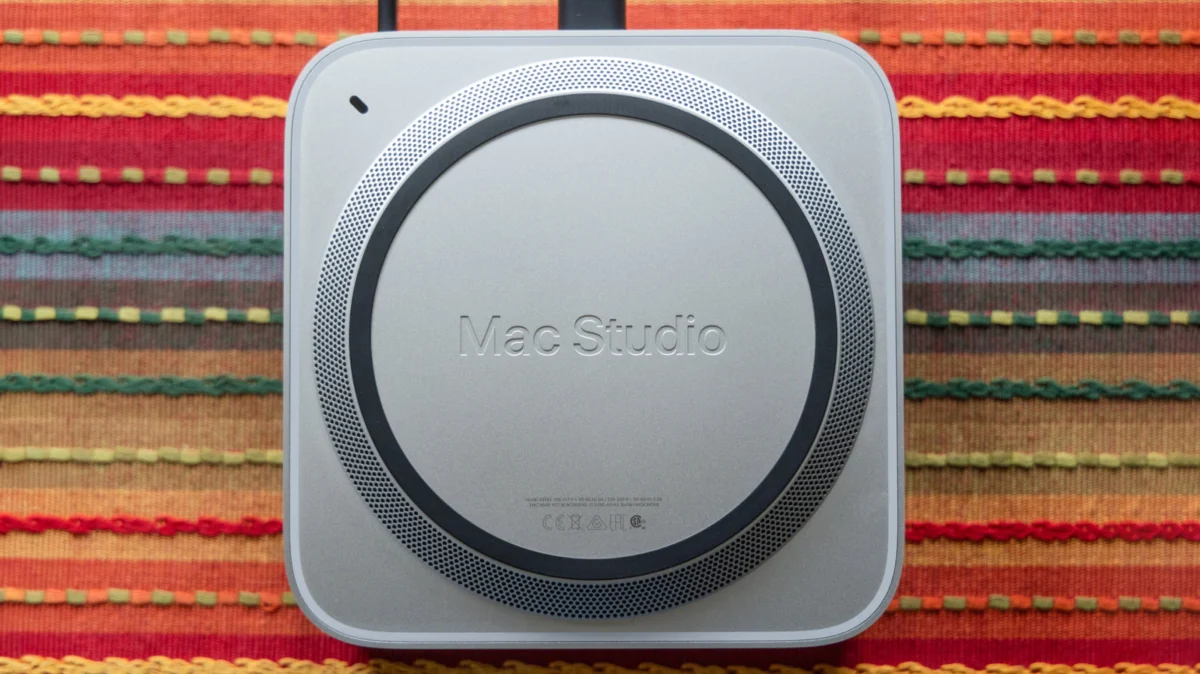
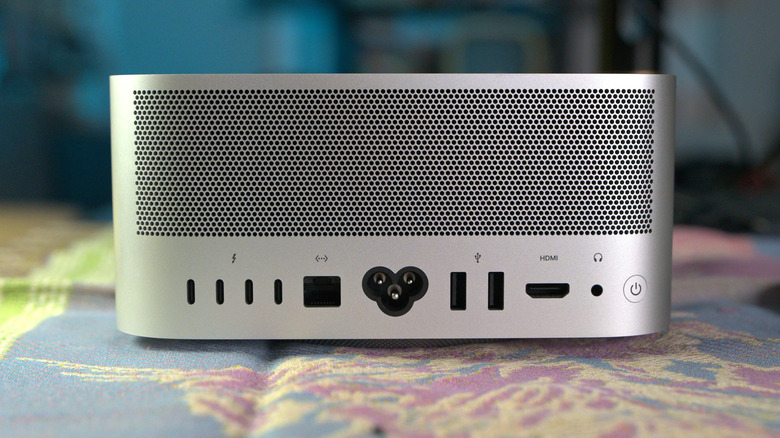
The latest iteration of Apple’s high-performance desktop, the Mac Studio, has hit the market with significantly elevated price tags, causing ripples among professional users and industry analysts alike. With the M5 Max base model now starting at $2,500 – a $500 increase from its M3 Ultra predecessor – and the M5 Ultra variant commanding an initial price of $5,500, a staggering $1,500 jump, these price adjustments far exceed typical generational upgrades for Apple hardware. A fully configured Mac Studio M5 Ultra with 256GB of unified memory and 2TB of storage now retails for $11,299, a sharp increase of $3,800 compared to the equivalent M3 Ultra model’s launch price of $7,499. This substantial escalation is largely attributed to the global surge in memory and storage component prices, often dubbed "RAMageddon," coupled with Apple’s strategic hedging and its consistent pursuit of robust profit margins.
The Mac Studio’s Niche: Powering the Pinnacle of Professional Creation
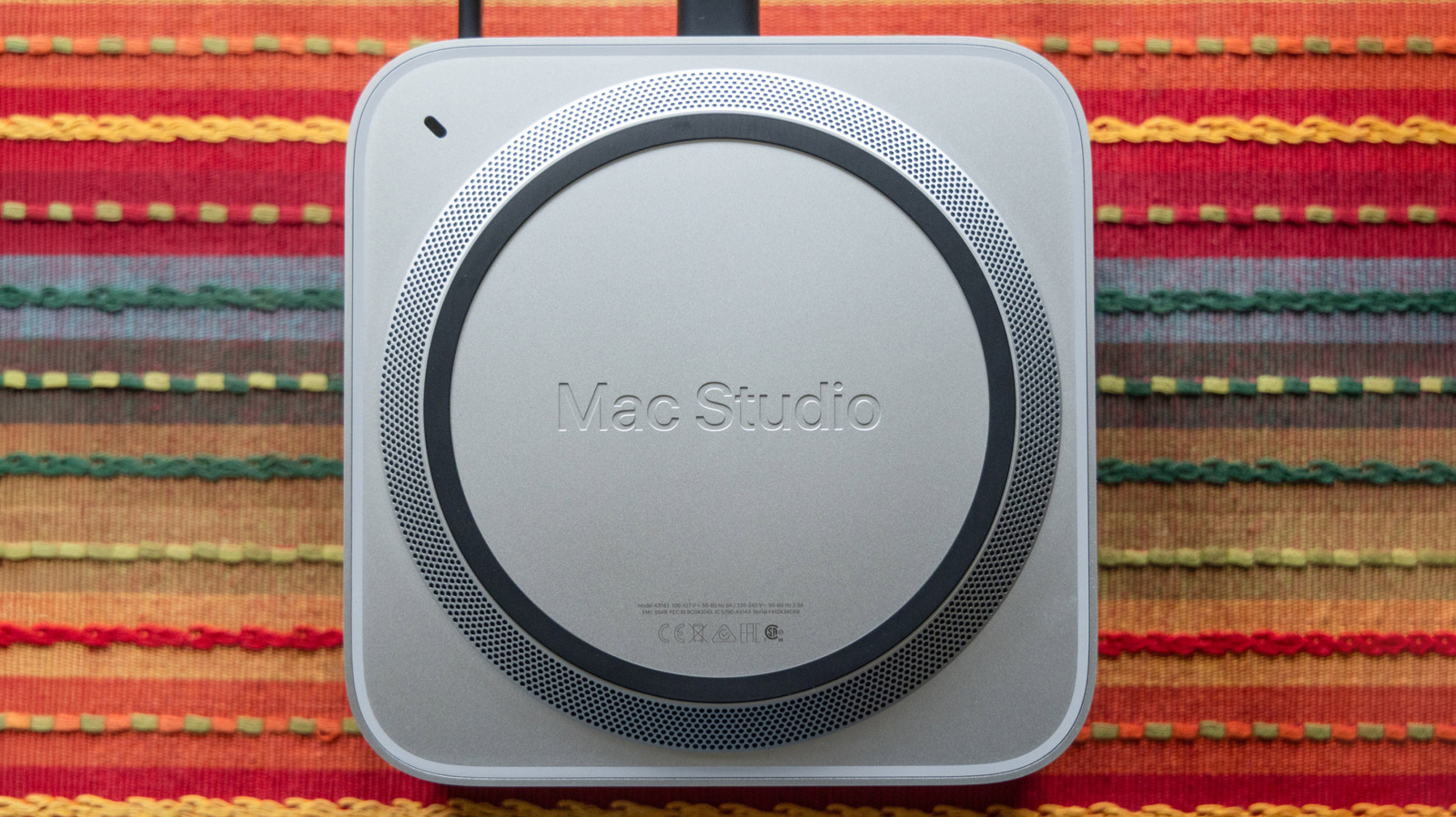
The Mac Studio is not merely another desktop computer; it is Apple’s unequivocal solution for professionals requiring extreme computational power for demanding workflows such as local AI model development, high-end Hollywood visual effects (VFX), and multi-stream 8K video editing. Positioned above the highly capable Mac Mini, which tops out with an M5 Pro processor and 64GB of RAM, the Mac Studio addresses the needs of users whose projects push the boundaries of memory capacity and processing speed.
The "base" M5 Max Mac Studio, beginning at $2,500, features an 18-core CPU, a 32-core GPU, and configurations offering up to 128GB of unified memory. This formidable setup is already adept at tasks like running large language models (LLMs) and editing complex 8K video projects. A more robust M5 Max configuration, with an 18-core CPU, 40-core GPU, 128GB of RAM, and 2TB of storage, pushes the price to $5,899, demonstrating the substantial cost associated with higher-tier specifications.
However, for the most intensive AI and media production workloads, the M5 Ultra model stands alone. Leveraging a processor that effectively combines two M5 Max chips, the M5 Ultra supports up to an astounding 512GB of unified memory. Apple highlights its typical use case as storing "huge datasets entirely in local memory, increase the tokens-per-second speed and run huge LLMs with hundreds of billions of parameters entirely on device." The M5 Ultra also offers unprecedented scalability, allowing professionals to cluster up to four units via high-speed Thunderbolt 5 ports to triple performance, a capability that reportedly caught Apple off-guard with unexpected demand in the previous generation.
Filmmakers and VFX artists will find the M5 Ultra equally compelling. Its capabilities extend to color-grading uncompressed 8K footage in real time, rendering intricate simulations with unparalleled speed, and simultaneously playing up to 33 streams of 8K ProRes 422 at 30 frames per second. The M5 Ultra model, starting at $5,500, comes with a 30-core CPU, 64-core GPU, and 96GB of unified memory. For those seeking the absolute pinnacle of performance, a configuration with a 36-core CPU, 80-core GPU, 256GB of unified memory (with 512GB becoming available soon), and 2TB of storage reaches the aforementioned price point of $11,299. This top-tier configuration boasts a memory bandwidth of 1.2TB/s, four times that of the Mac Mini, underscoring its specialized role.
Decoding the Price Explosion: The Anatomy of Component Costs
The primary drivers behind the Mac Studio’s significant price hike are the soaring costs of its high-end memory and storage components. Apple itself acknowledged the unprecedented nature of these market conditions in June, stating, "We’ve never seen component prices increase this much, this quickly. We’ve worked hard to absorb these costs and delay price increases for as long as possible, but the current environment has made that unsustainable."
"RAMageddon" Explained: The Memory Market Meltdown
At the heart of the Mac Studio’s performance, and its increased cost, is its "unified memory" architecture, which seamlessly shares RAM between the CPU and GPU. The M5 Ultra, especially, utilizes LPDDR5X memory to achieve its remarkable 1.2TB/s bandwidth when fully configured. LPDDR5X is among the fastest and most expensive memory technologies available, second only to High Bandwidth Memory (HBM) predominantly used in data center GPUs. To maximize speed and minimize latency, Apple integrates this memory directly onto the M5 Ultra processor package via an exceptionally wide 1,024-bit bus.
The global memory market has been in turmoil, with significant price increases impacting manufacturers across the board. Industry analysts have pointed to a confluence of factors, including robust demand from the burgeoning artificial intelligence sector, which requires vast quantities of high-speed memory for training and inference. While Apple was reportedly paying around $6 per gigabyte for LPDDR5X memory earlier this year, market estimates suggest that price could now be closer to $10 or $11 per gigabyte. For a Mac Studio M5 Ultra configured with 256GB of RAM, this translates to an estimated raw memory cost of $2,500 to $2,800 – a substantial portion of the device’s bill of materials. The complexities of manufacturing LPDDR5X, coupled with a constrained supply chain, have only exacerbated this "RAMageddon."
The Surge in NAND Storage Pricing
Beyond memory, the cost of NAND storage has also witnessed a dramatic escalation. The Mac Studio utilizes high-end PCIe 5.0 memory for its solid-state drives, known for its exceptional speed and reliability. Market reports indicate that prices for NAND storage have quadrupled for memory and doubled for storage components since the release of the previous Mac Studio model. Based on current market rates for high-performance SSDs, Apple’s cost for 2TB of storage is estimated to be in the range of $300 to $500.
Cumulatively, these memory and storage price hikes alone account for an estimated increase of $2,200 to $2,400 in component costs for a high-end Mac Studio M5 Ultra. Factoring in other potential component increases across the board, the overall rise in Apple’s manufacturing cost for such a unit could realistically be in the vicinity of $2,400 to $2,600.
Apple’s Strategic Pricing: Hedging and Margin Management
Given the estimated component cost increases, the $3,800 price differential between the current M5 Ultra flagship and its M3 Ultra predecessor warrants further examination. Apple typically aims for approximately 40 percent gross margins on its computer hardware. However, the new Mac Studio M5 Ultra pricing suggests a margin that is nearly 60 percent higher than the estimated increase in component costs alone. This discrepancy points to a multi-faceted pricing strategy.
One significant factor is "hedging." In a volatile market characterized by unpredictable supply and demand, particularly for critical components like high-speed RAM, manufacturers like Apple may enter into long-term agreements with suppliers to secure future inventory at fixed prices. This strategy aims to stabilize consumer pricing over the product’s lifecycle and mitigate the impact of future price spikes. However, these fixed prices are often higher than immediate spot market rates, representing a premium paid for stability and supply assurance. By setting a higher initial price, Apple could be hedging against even further anticipated increases in RAM and storage costs, thereby limiting future price adjustments for the Mac Studio M5 series.
The second potential factor is profit optimization. With the Mac Studio increasingly becoming an indispensable tool for highly lucrative professional industries – such as AI development, which commands significant investment, and Hollywood VFX, where project budgets are substantial – Apple may be leveraging the unique demand for its flagship desktop to bolster its profit margins. The Mac Studio occupies a unique space, offering a macOS ecosystem with Apple Silicon’s power efficiency and integrated memory architecture, a combination not easily replicated by competitors. This positions Apple to command a premium for a product that has become critical infrastructure for its target demographic. It is likely a combination of both hedging against future market volatility and optimizing profitability within a specialized, high-value market segment.
The Chronology of Escalation: A Timeline of Rising Costs
The current price trajectory of the Mac Studio is not an isolated incident but rather a reflection of broader market trends and Apple’s response to them.
- 18 Months Ago (Previous Generation Launch): The Mac Studio M3 Ultra (or M4 Max, depending on the naming convention) launched with an equivalent high-end configuration at $7,499. At this time, memory and storage prices, while subject to market fluctuations, were significantly lower than current levels.
- Early 2026: Reports from analysts like AppleInsider indicated Apple was paying around $6 per gigabyte for LPDDR5X memory. However, market signals of impending shortages due to surging AI demand were already emerging.
- June 2026: Apple publicly acknowledged unprecedented component price increases, applying these adjustments to other product lines like MacBooks. This statement foreshadowed the broader impact on its hardware portfolio.
- Mid-to-Late 2026: The term "RAMageddon" gains traction in tech media, describing the severe global shortage and exponential price increases of high-bandwidth memory (HBM) and high-speed LPDDR5X, largely driven by the insatiable demand from AI data centers and accelerated computing. TechRadar published analyses predicting that the memory chip market was heading toward a severe shortage, potentially worsening through 2027 and beyond, directly attributing this to the AI boom.
- Late 2026 (New Mac Studio Launch): The M5 Max and M5 Ultra Mac Studios debut with the substantial price hikes, reflecting the culmination of these market pressures.
- Projected 2027: MacRumors reported that Apple has already agreed to pay 30-40 percent higher prices for RAM and storage for the upcoming year, suggesting that the current elevated costs are not a temporary blip but a new market reality that Apple is bracing for.
Implications for High-End Professionals and the Industry Landscape
The significantly increased cost of the Mac Studio has profound implications for its target audience and the wider creative and technological industries.
- Budgetary Strain for Professionals: For individual freelancers, small studios, and independent developers, the Mac Studio’s new pricing transforms it from a significant investment into an enterprise-level capital expenditure. This could force some to delay upgrades, explore alternative (often less optimized) hardware solutions, or lease equipment rather than purchase outright. The democratization of high-performance computing, crucial for fostering innovation, could be subtly undermined if entry costs become prohibitive.
- Impact on AI Development: The necessity of running large AI models locally, driven by privacy concerns, efficiency, and the desire for customized solutions, makes high-memory workstations like the Mac Studio indispensable. Higher costs for these tools could slow down independent AI research and development, potentially concentrating cutting-edge work within larger, better-funded corporations.
- Apple’s Market Positioning: The price hikes reinforce Apple’s position as a premium brand catering to specialized, high-value segments. While it might deter some price-sensitive buyers, it solidifies the Mac Studio’s image as a top-tier tool for mission-critical work where performance justifies the cost. This strategy allows Apple to maintain high profit margins even in challenging component markets.
- Competitive Landscape: Competitors in the workstation market, primarily PC manufacturers offering Windows or Linux-based systems, may see an opportunity to offer more cost-effective alternatives. However, Apple’s integrated hardware-software ecosystem and its unified memory architecture remain unique advantages that are difficult to replicate.
- Long-Term Industry Trends: The ongoing "RAMageddon" suggests a new era of higher hardware costs, particularly for memory-intensive applications. This could spur further innovation in software optimization, cloud-based solutions, or alternative computing architectures to circumvent the high cost of physical RAM.
The Unsettling Outlook: Is Waiting a Viable Option?
For professionals contemplating a Mac Studio purchase, the question of whether to wait for potential price drops is a natural one. However, historical precedent and current market projections offer a grim outlook. Apple rarely lowers prices on its products mid-cycle; the notable exception being the somewhat humorous instance of its polishing cloth. Typically, price reductions only occur at the end of a product’s lifecycle, just before a new version is introduced, or in the case of specific promotional bundles.
The Mac Studio M3 Ultra/M4 Max model itself saw price increases over time due to rising memory costs, a clear indication that Apple is willing to adjust prices upwards in response to market realities. Furthermore, industry analyst projections, such as those cited by TechRadar, suggest that RAM shortages and elevated prices could persist through 2028. Compounding this, reports from MacRumors indicate that Apple has already committed to paying 30-40 percent higher prices for RAM and storage components for the upcoming year.
Given these factors, it is highly improbable that Mac Studio prices will decrease in the near future. In fact, if the "RAMageddon" projections hold true, further price adjustments upwards are not out of the question. Therefore, for professionals and companies who have an immediate need for the unparalleled performance offered by the Mac Studio for high-end AI or media production, the prevailing advice is to acquire the machine now rather than deferring the purchase in hopes of a more favorable price point. For those with slightly less extreme requirements, the Mac Studio M5 Max, particularly a decently equipped 48GB or 64GB configuration ranging from $3,100 to $3,600, presents a more accessible high-performance option for video and graphics professionals. The era of cheaper, high-capacity computing appears to be temporarily on hold, ushering in a new chapter of strategic investment in professional-grade hardware.