Metty Iskandar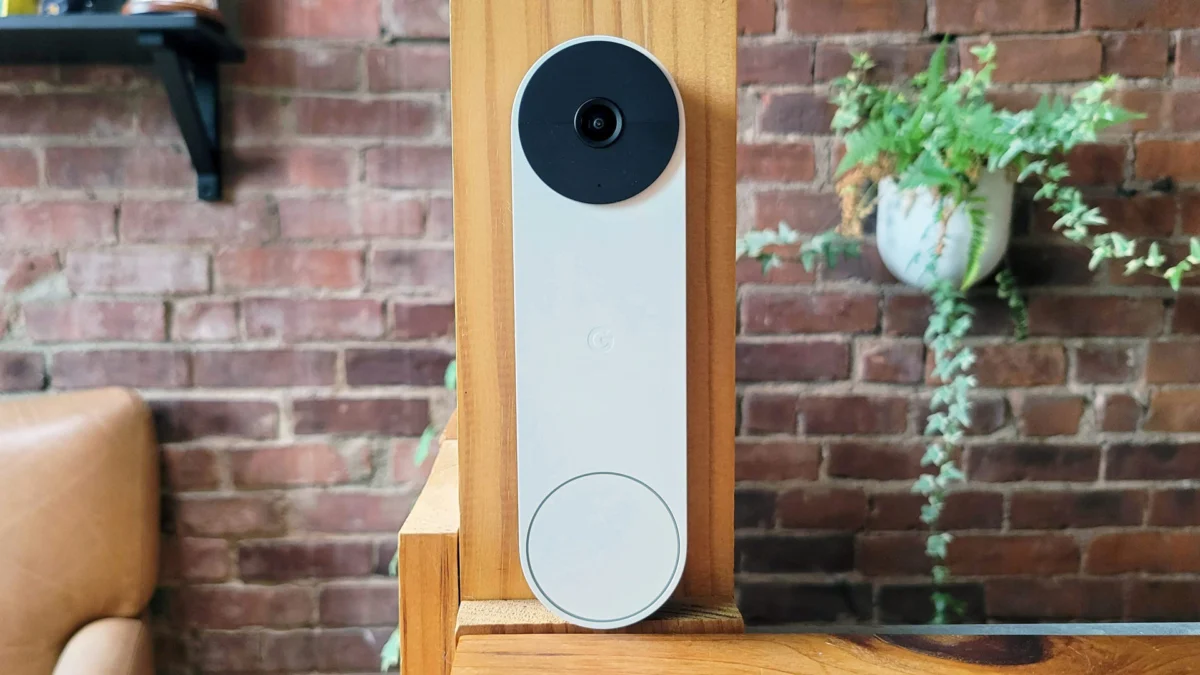
In recent days, the Google Home ecosystem has been experiencing a series of intermittent disruptions, impacting various functionalities and user experiences. While the company has been actively addressing issues such as Voice Match recognition failures, a peculiar and seemingly isolated bug has now emerged, specifically affecting the Google Nest Doorbell. Users across different international regions are reporting that their Nest Doorbells are announcing visitors in a language they’ve set, but with an unexpected and jarring accent, often diverging from the established voice profiles of their other Google Assistant-enabled devices.
The Accent Anomaly: A Global Phenomenon
The core of this emerging issue lies in a significant accent mismatch experienced by Nest Doorbell users outside of the United States. Reports originating from platforms like Reddit indicate a pattern where, despite devices being configured for a specific language and accent, the Nest Doorbell’s audio notifications default to a US English accent, even when the user has opted for a different regional dialect.
One user based in France detailed their experience on Reddit, explaining that their entire Google Home setup, encompassing smart speakers and displays, consistently responds in French with a native French accent. This cohesive linguistic experience is standard across all their Google Assistant interactions. However, when a visitor rings the Nest Doorbell, the announcement, while correctly in French, is delivered with a distinct American accent. This creates a disorienting auditory disconnect for the user, as the doorbell’s voice suddenly deviates from the familiar cadence of their local assistant.
Similar reports have surfaced from users in the United Kingdom. Multiple Nest Doorbell owners have observed that their doorbell announcements have inexplicably shifted to a US English accent. This occurs even though their other Google Home devices continue to use their preferred British English voices for all other interactions. This suggests a specific malfunction within the Nest Doorbell’s audio output system, rather than a broader language setting error across the entire Google Home ecosystem.
Potential Workarounds and Lingering Questions
While Google has not yet issued a formal statement regarding this specific Nest Doorbell accent anomaly, some users have explored potential temporary fixes. One user, who reported success in resolving a similar accent issue with their Google Assistant, suggested a workaround that involved setting US English as a secondary language on their device. After a brief period, this secondary language setting was then removed. The user claimed this process restored the correct accent for their Google Assistant interactions.
However, it remains unclear how widespread the success of this particular workaround has been, or if it is applicable to the Nest Doorbell specifically. The nature of the Nest Doorbell’s hardware and its integration with the broader Google Home network may present unique challenges that a simple software adjustment cannot entirely overcome. The fact that this issue is primarily affecting international users also points to a potential regional configuration or deployment oversight.
The accent support within the Google Home ecosystem is a nuanced feature. Gemini for Home, the underlying AI powering many of these devices, supports a substantial number of languages, including English, French, German, Spanish, and Japanese. Furthermore, users have the ability to select preferred accents within these languages, such as US or UK English. While some users might experiment with different accents for novelty, the vast majority tend to align their assistant’s accent with their native or preferred spoken dialect. The current Nest Doorbell issue disrupts this personalized auditory experience, creating an unexpected and often unwelcome deviation.
Broader Context: A Pattern of Google Home Instability
This Nest Doorbell accent glitch occurs against a backdrop of other recent issues plaguing the Google Home platform. The aforementioned Voice Match recognition problems, where Google Assistant devices have struggled to accurately identify different users’ voices, have caused significant frustration for many. This has led to incorrect responses, personalized settings being misapplied, and a general degradation of the smart home experience.
The timing of these disparate issues raises questions about the stability and robustness of Google’s smart home infrastructure. Whether these are isolated incidents, or indicative of a larger underlying problem within the Google Home software or server architecture, remains to be seen. The company’s commitment to providing a seamless and intuitive smart home experience is challenged by these recurring glitches.
Implications and Future Outlook
The implications of this Nest Doorbell accent anomaly, while seemingly minor in isolation, can have a tangible impact on user perception and trust. For a product designed to enhance home security and convenience, a persistent audio glitch can undermine its reliability and the overall user experience. In a global market, where diverse linguistic preferences are paramount, such an accent mismatch can create a sense of disconnect and even a feeling of being overlooked or underserved by the technology.
The fact that this issue appears to be confined to the Nest Doorbell, while other Google Home devices maintain correct accent settings, suggests a specific component or software module responsible for doorbell audio is at fault. This could be related to the doorbell’s firmware, its integration with the cloud services responsible for voice generation, or even the specific audio hardware within the device itself.
As of now, Google has not provided an official explanation or timeline for a resolution. The company’s typical response to such issues involves thorough investigation and phased rollouts of software updates. Given the growing number of user reports, it is probable that Google is actively working on a fix. However, the absence of a public statement leaves users in a state of uncertainty.
The company’s commitment to its smart home ecosystem is substantial, with continuous development and integration of new features. However, maintaining the stability and consistency of existing functionalities is equally crucial. The current spate of issues, including the Nest Doorbell’s accent problem, highlights the ongoing challenges in managing a complex, interconnected network of smart devices and services.
Users experiencing this particular accent bug are encouraged to report it through official Google support channels and community forums. Providing detailed information about their device model, language settings, and the specific nature of the accent mismatch can aid Google’s engineering teams in diagnosing and resolving the issue more effectively. The resolution of this accent anomaly will be a critical step in restoring user confidence and ensuring the Google Nest Doorbell continues to deliver a seamless and reliable home security experience for all its users, regardless of their geographical location. The company’s swift and transparent communication throughout this process will be key to mitigating any potential damage to its reputation within the competitive smart home market.