Metty Iskandar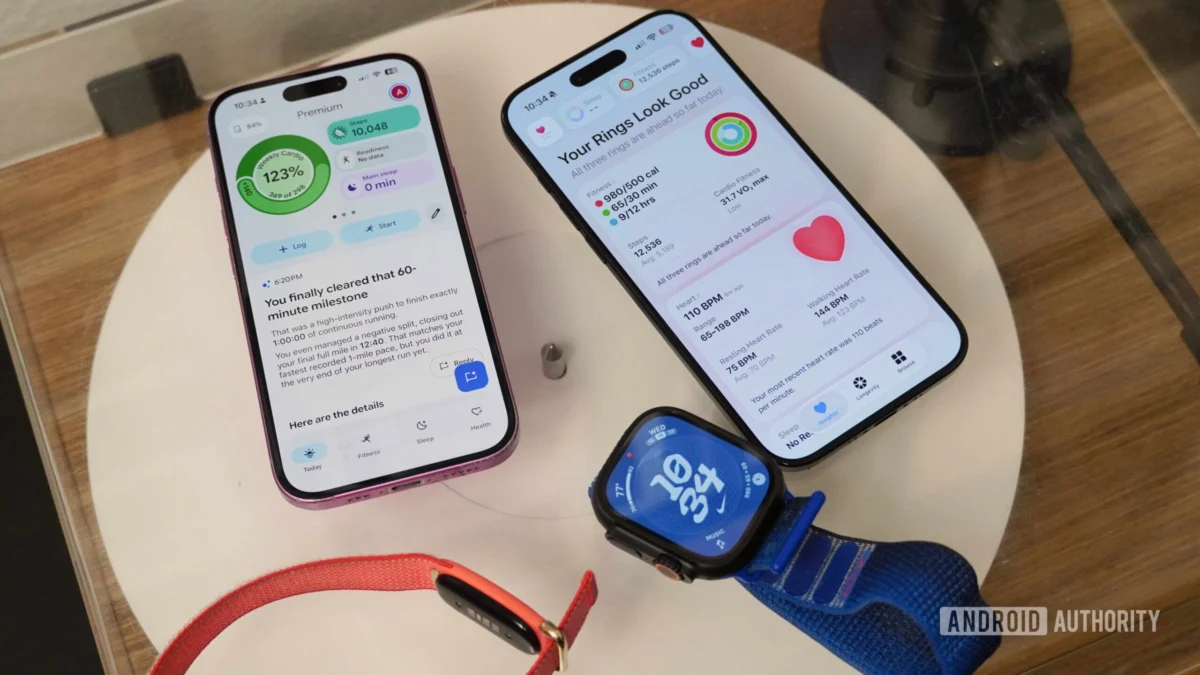
The burgeoning field of digital health and wearable technology has seen a significant evolution, with major tech players like Apple and Google vying for dominance. For years, users have navigated the distinct ecosystems of Apple Health and Google Health, often finding themselves tethered to one platform based on their hardware choices. However, Apple’s upcoming revamp of its Health app, driven by advanced AI integration, is signaling a potential shift in user allegiance, prompting a re-evaluation of what constitutes a superior health tracking experience. This development comes at a critical juncture, as Google itself has recently rebranded and significantly updated its health platform, creating a compelling showdown between two distinct approaches to personal health data management.
A Decade of Digital Health: The Shifting Landscape
The personal journey detailed in the original report highlights a common dilemma for consumers entering the wearable market. Starting with early devices like the Fitbit Charge HR and progressing to the Apple Watch, users often find themselves invested in a particular ecosystem. The author’s decade-long tenure with Apple Watch underscores this loyalty, but the subsequent acquisition of Fitbit by Google and the subsequent overhaul of its health platform, culminating in the recent Google Health rebrand, introduced a compelling alternative. The initial embrace of a Fitbit Air device and a complete switch to Google Health by the author illustrates the magnetic pull of a comprehensive, unified health strategy. However, Apple’s strategic move to integrate sophisticated AI capabilities into its Health app, anticipated for release later this year, suggests a powerful counter-offensive that could potentially draw users back into its fold.
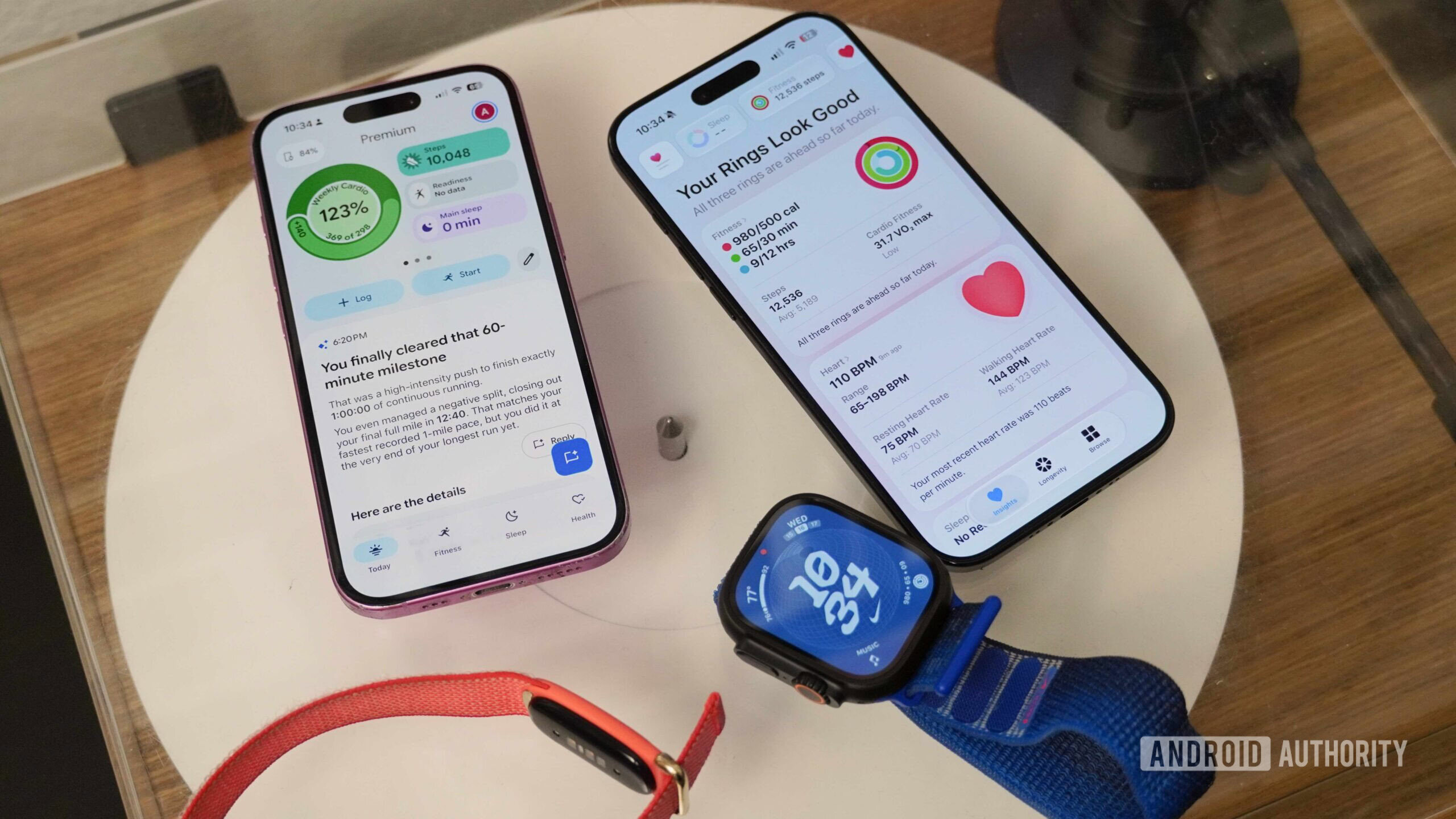
The core of the debate appears to hinge on the fundamental philosophy behind each platform’s approach to health data. Early impressions of the new Apple Health app, experienced through a developer beta of iOS 27.2, suggest a design ethos that prioritizes raw data and user-centric insights, potentially offering what the author posits Google Health should have been from its inception. This divergence in approach raises questions about the underlying architecture and strategic priorities of both tech giants in the increasingly critical digital health sector.
Apple’s Health Sensing System: A Data-First Philosophy
A significant aspect of Apple’s upcoming Health app overhaul is its reliance on advanced hardware, specifically the iPhone 15 Pro, iPhone 15 Pro Max, or newer models, to unlock its full potential. This requirement, while potentially limiting for users with older devices, underscores Apple’s commitment to leveraging its latest technological advancements for a richer health experience. In contrast, the new Google Health app maintains broader compatibility, supporting devices running at least Android 11 or iOS 16.4. This accessibility is a notable advantage for Google, allowing a wider user base to engage with its platform.
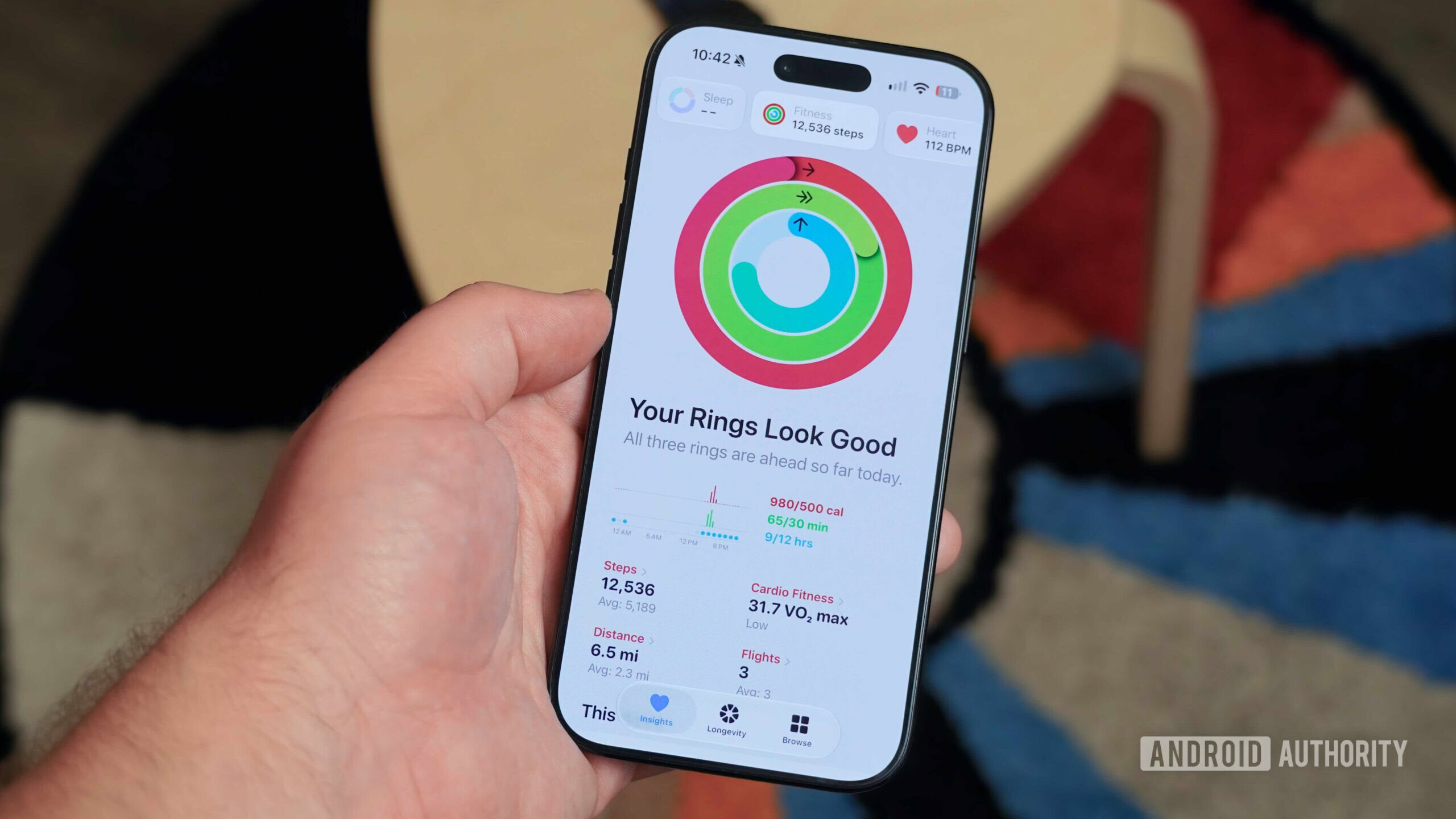
However, the beta testing of the iOS 27.2 developer build reveals a number of compelling improvements within the Apple Health app. A key enhancement is the prominent display of Activity Ring data within a new "Insights" tab. Previously, users had to navigate between the Fitness and Health apps to access this vital information. This consolidation streamlines the user experience, offering a more holistic view of daily activity.
Furthermore, the introduction of a "Longevity" tab promises to provide users with an estimated "health age," a metric derived from the sophisticated fitness data collected by their Apple Watch. This feature aligns Apple with other premium health-focused wearable brands like Garmin, WHOOP, and Oura, which have long championed such advanced health metrics. The ability to refine this health age estimate through personalized tests, utilizing the iPhone’s camera and AI-powered vision models, adds a layer of interactive and potentially more accurate health assessment. This feature, which includes manual VO2 max tests – a measure of the body’s maximal oxygen uptake during strenuous exercise – is currently a unique offering not found in Google Health.
Readiness Scores: A Contested Feature
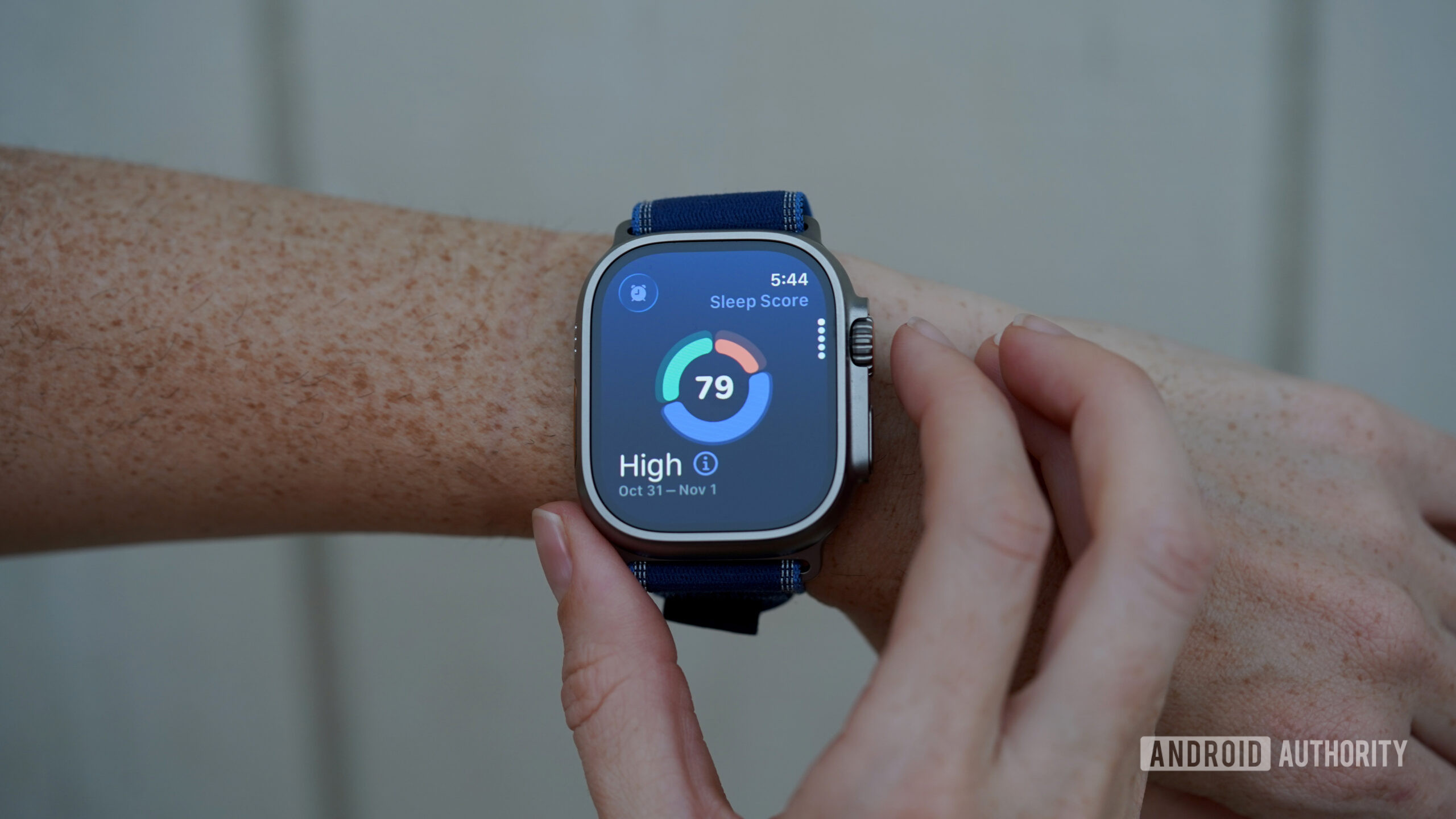
Another significant addition to Apple’s Health app is the "Readiness" score, a feature that aims to guide users on their body’s capacity for daily activities and planned workouts. While Google Health already incorporates a readiness score on a 1-100 scale, Apple’s iteration offers a more streamlined approach, presenting a score on a 0-10 scale with one of four distinct recommendations: "Recover," "Pace Yourself," "Ready," or "Go For It." This simplified output is designed for immediate comprehension and actionable guidance.
However, the implementation of this feature introduces a significant hardware dependency. Users require the latest Apple Watch Series 12 or Ultra 4 models to access this capability, a decision that has raised concerns about the annual hardware upgrade cycle. The underlying technology for the readiness score, termed the "Health Sensing System," incorporates advanced optical and electrical heart rate sensors, coupled with an upgraded S11 chip. This system enables more frequent heart rate monitoring (every five seconds) and significantly more frequent heart rate variability measurements, a level of detail that older Apple Watch models, including the author’s Apple Watch Ultra 3, reportedly lack the hardware to support. This hardware-centric approach, while ensuring data accuracy, creates a potential barrier for existing users and raises questions about product lifecycle support.
Google Health’s AI Coach: A Conversational Approach
In stark contrast to Apple’s data-centric, hardware-dependent strategy, Google Health has adopted a more conversational and broadly accessible approach, heavily leveraging its AI capabilities through the Google Health Coach. The "Today" tab in Google Health, much like Apple’s "Insights" tab, dynamically adjusts its content based on the time of day and available data, often summarizing sleep patterns or daily activity. However, the fundamental difference lies in the AI’s presentation.
Google’s Health Coach acts as an AI-powered assistant, designed to offer guidance on fitness and health improvement. Users can engage with the coach through natural language queries, request training plans, and receive summaries of their data, complete with identified key points and potential action items. A prominent disclaimer, however, repeatedly warns that "AI responses may contain mistakes, not for medical advice," a crucial caveat given the platform’s often verbose and sometimes repetitive nature.
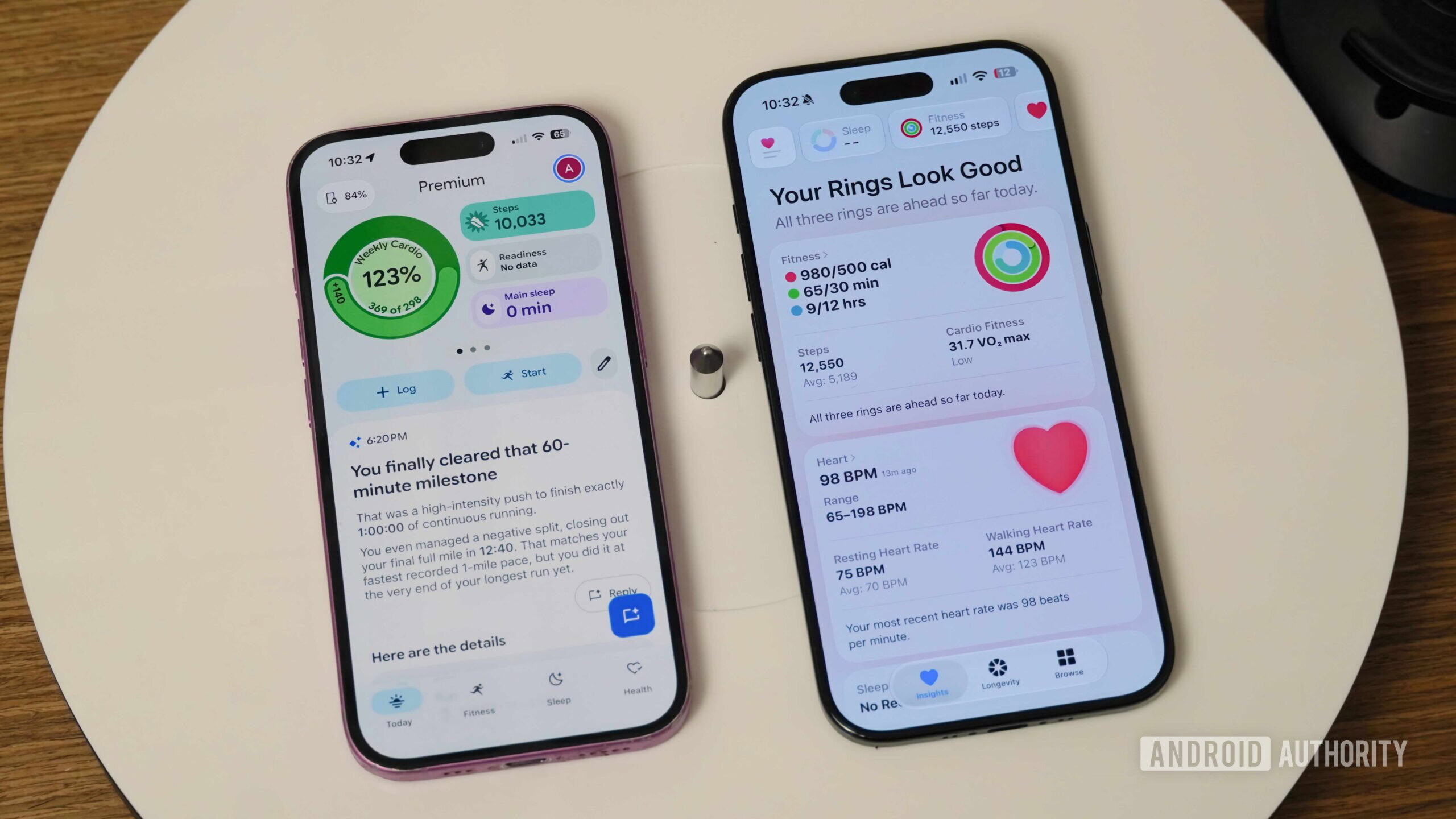
The contrast in data presentation is evident when comparing post-run summaries from both platforms. While the new Apple Health app focuses on broader trends like Activity Ring progress and vital sign trajectories, the Google Health app tends to offer more detailed, sentence-based recaps of specific workouts, often highlighting only a few specific data points like duration and split times. This verbose approach, while aiming for helpfulness, can sometimes lead to information overload and a feeling that the AI is compensating for a perceived lack of deeper analytical capabilities or comprehensive data from less advanced devices.
The author’s experience with the Google Health app, particularly with its Fitbit integration, highlights instances where the Health Coach’s chatty nature seems to overcompensate for fundamental issues. Reminders to drink water, observations about the weather, or admonishments for forgetting to wear a tracker, while seemingly helpful, can feel patronizing and detract from the platform’s perceived accuracy and sophistication. This reliance on AI-generated conversational output, rather than a more direct presentation of empirical data, has led to a degree of suspicion regarding the platform’s overall reliability.
The Underlying Divide: Inclusivity vs. Integration
The contrasting strategies of Apple and Google in the digital health space can be partly attributed to their broader business models and product portfolios. Google’s commitment to broad device compatibility, encompassing everything from low-cost Fitbit trackers to the premium Pixel Watch 5, necessitates a platform that can accommodate a wide range of sensor capabilities and data quality. This inclusivity, while commendable from a user accessibility standpoint, may present challenges in delivering consistently sophisticated insights. The Google Health Coach’s reliance on Gemini, its large language model, may be an attempt to bridge these data gaps through sophisticated interpretation and conversational engagement.
Conversely, Apple’s decision to tie its most advanced health features to its latest hardware reflects a strategy focused on seamless integration and delivering a premium, data-rich experience. By limiting access to newer devices, Apple ensures that the Health Sensing System, with its enhanced sensors and processing power, can accurately gather and analyze the complex data required for features like the readiness score and health age estimations. This approach, while potentially alienating to users with older hardware, prioritizes the integrity and depth of the health insights provided.
The implication of Apple’s strategy is a clear message to its user base: to fully leverage the future of digital health, investment in the latest Apple ecosystem is increasingly becoming a prerequisite. This stands in contrast to Google’s more open approach, which aims to be a more universal health companion across a wider array of devices and operating systems.
Future Implications and User Choice
The evolving landscape of digital health platforms presents consumers with increasingly distinct choices. Apple’s renewed focus on data-driven insights, powered by advanced AI and sophisticated hardware, positions its Health app as a potentially more reliable and insightful tool for health management. The emphasis on empirical data and clear, concise summaries, as observed in the beta version of the new Apple Health app, appeals to users who prioritize accuracy and actionable intelligence over conversational interactions.
Google’s Health platform, with its broad device support and conversational AI coach, offers a more inclusive and accessible entry point into digital health tracking. However, concerns regarding the accuracy of AI-generated advice and the platform’s ability to consistently deliver deep, data-backed insights remain. The author’s suspicion about the platform’s accuracy, amplified by the AI’s own disclaimers, highlights a critical challenge for Google in building user trust in its health offerings.
As both companies continue to innovate, the competition in the digital health arena is set to intensify. Users will be faced with the decision of whether to prioritize hardware-driven, integrated experiences or broader device compatibility and AI-driven conversational support. The success of Apple’s AI overhaul and Google’s continued refinement of its Health Coach will ultimately determine which platform best captures the attention and loyalty of the health-conscious consumer in the years to come. The fundamental question remains: in the realm of personal health, is it better to have a precise, data-rich analysis, or a chatty, broadly accessible assistant? The answer will likely shape the future of how we track and understand our well-being.