Metty Iskandar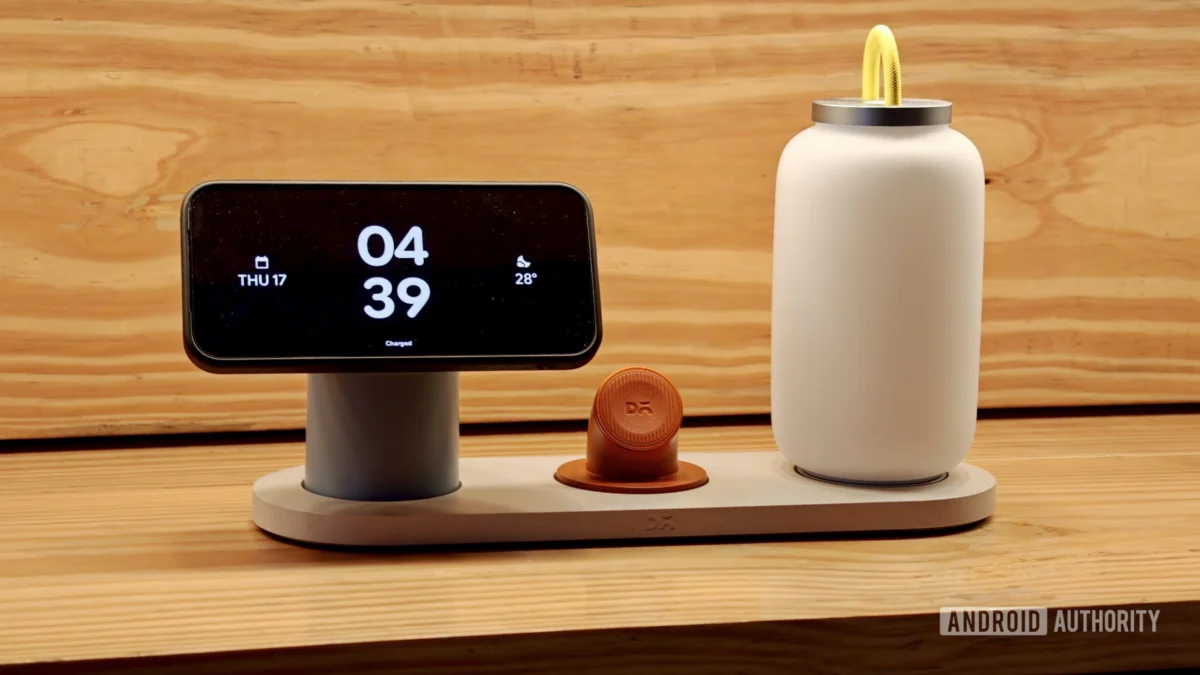
In a market saturated with static charging solutions, the DailyObjects Node emerges as a disruptive force, challenging the conventional approach to powering our increasingly interconnected devices. This innovative modular charging system, inspired by the ambition of Apple’s never-realized AirPower, offers unprecedented flexibility in configuration and portability, potentially redefining user expectations for desk accessories and travel chargers.
For years, consumers have been presented with a dilemma: either a collection of individual chargers, leading to cable clutter and desk disarray, or a consolidated charging station that dictates a fixed layout for smartphones, earbuds, and smartwatches. This rigid design often fails to accommodate individual usage patterns or evolving technological needs. The DailyObjects Node directly addresses this deficiency by introducing a system where users can customize their charging setup to their specific requirements, and crucially, detach individual modules for use on the go. This inherent adaptability is central to its value proposition, especially considering its premium price point.
The Genesis of Modularity: Addressing a Market Stalemate
The proliferation of personal electronic devices has outpaced the evolution of their charging infrastructure. The typical user juggles multiple gadgets, each with its own charging cable and power brick, leading to a persistent battle against desk clutter. Existing charging stations, while offering a semblance of organization, often represent a significant compromise. They typically present a fixed arrangement of charging pads, forcing users to adapt their device placement rather than the other way around. This inflexibility becomes particularly problematic for individuals who frequently rearrange their workspace or prioritize specific aesthetic considerations.
The DailyObjects Node enters this landscape as a direct response to these long-standing user frustrations. By embracing a modular design, it liberates users from the constraints of pre-determined layouts. This approach acknowledges that individual needs vary greatly; some users may require multiple wireless chargers for their devices, while others might prioritize a specific arrangement of phone and smartwatch chargers. The Node system empowers users to create a personalized charging ecosystem.
Unpacking the Node: A System Built for Adaptation
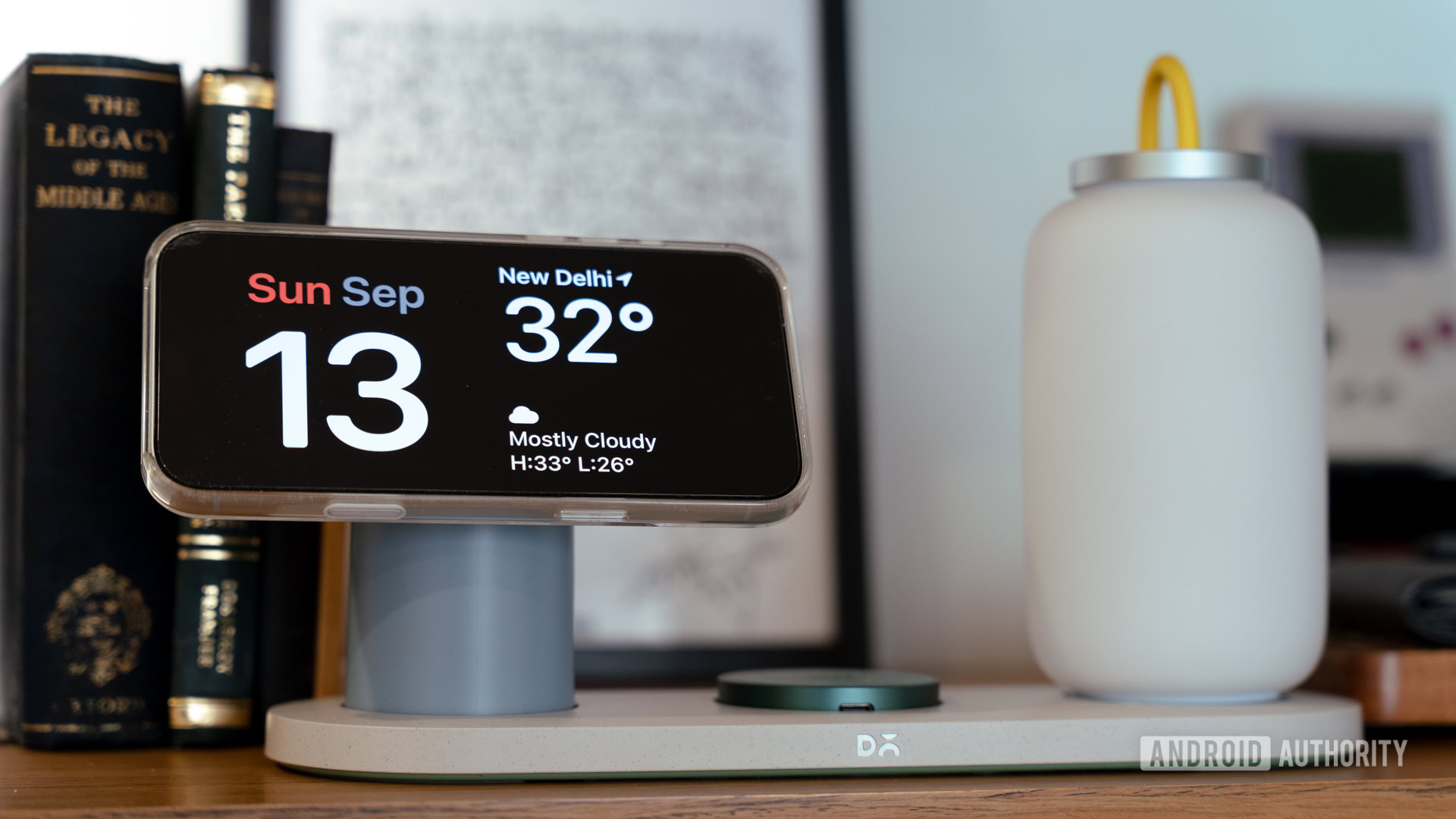
At the core of the DailyObjects Node system is a central base unit equipped with multiple pogo-pin connectors. These connectors serve as the docking points for various individual charging modules. The magnetic attachment mechanism ensures that modules snap securely into place, providing a satisfying tactile experience. This magnetic adhesion, coupled with the ease of detachment, allows for effortless reconfiguration of the charging setup.
The available modules represent a thoughtful selection designed to cater to a broad range of user needs. These include:
- Qi2 Wireless Charger: A high-speed wireless charging pad compatible with the latest Qi2 standard, ensuring efficient power delivery to smartphones.
- Qi2 Wireless Charging Puck with Earbud Charging: This versatile module serves a dual purpose, capable of charging a Qi2-compatible smartphone while simultaneously providing a dedicated charging surface for wireless earbuds.
- Apple Watch Charger: A dedicated module designed to charge Apple Watch devices, offering a more streamlined alternative to the standard Apple charging cable.
- Desk Lamp Module: This unique addition brings an integrated lighting solution to the charging system. It can function as an ambient light source when docked on the base and also boasts a built-in battery for portable use.
The ability to mix and match these modules allows users to construct a charging station that precisely aligns with their device ecosystem. For instance, an individual with an iPhone and AirPods might opt for the Qi2 wireless charger and the earbud charging puck. Conversely, a user with an iPhone and an Apple Watch could combine the Qi2 charger with the dedicated Apple Watch module. The system even supports the configuration of multiple wireless chargers, providing ample power for various devices simultaneously.
Beyond the Desk: Portability as a Key Differentiator
While the modularity of the Node system is a significant advantage for desk organization, its true innovation lies in the portability of its individual modules. Each module is designed to function independently, featuring a dedicated USB slot on its rear. This feature transforms the Node from a mere desk accessory into a comprehensive charging solution that extends beyond the confines of a workspace.
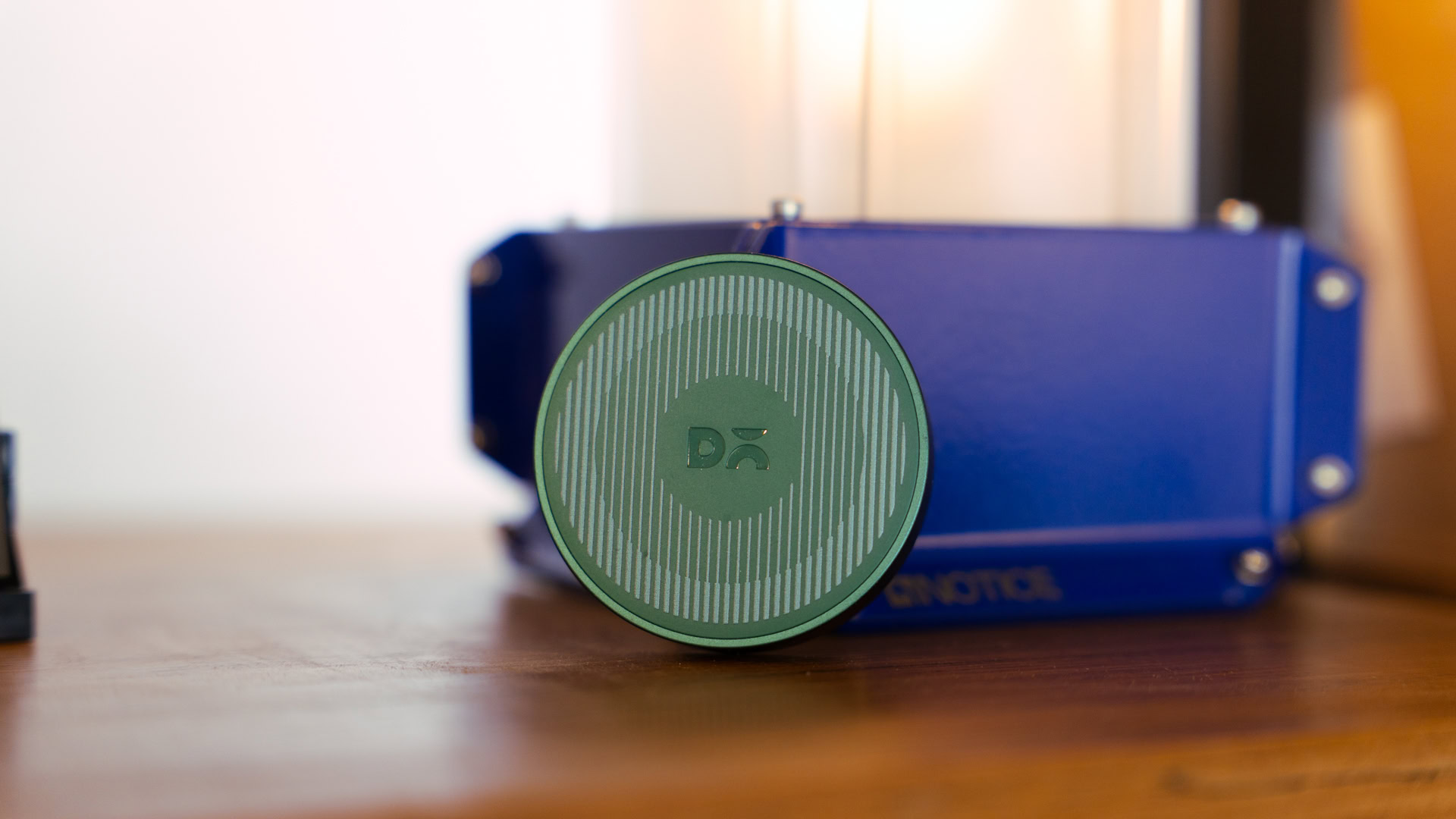
Consider the Qi2 wireless charging puck: when docked on the Node base, it seamlessly integrates into the desk setup. However, when a user needs to travel, the puck can be easily detached and packed into a bag, serving as a standalone wireless charger. This eliminates the need to carry separate travel chargers, simplifying packing and reducing bulk. This "detachable and portable" functionality extends to the Apple Watch charger as well, offering a more convenient alternative to managing Apple’s often lengthy charging cables during travel.
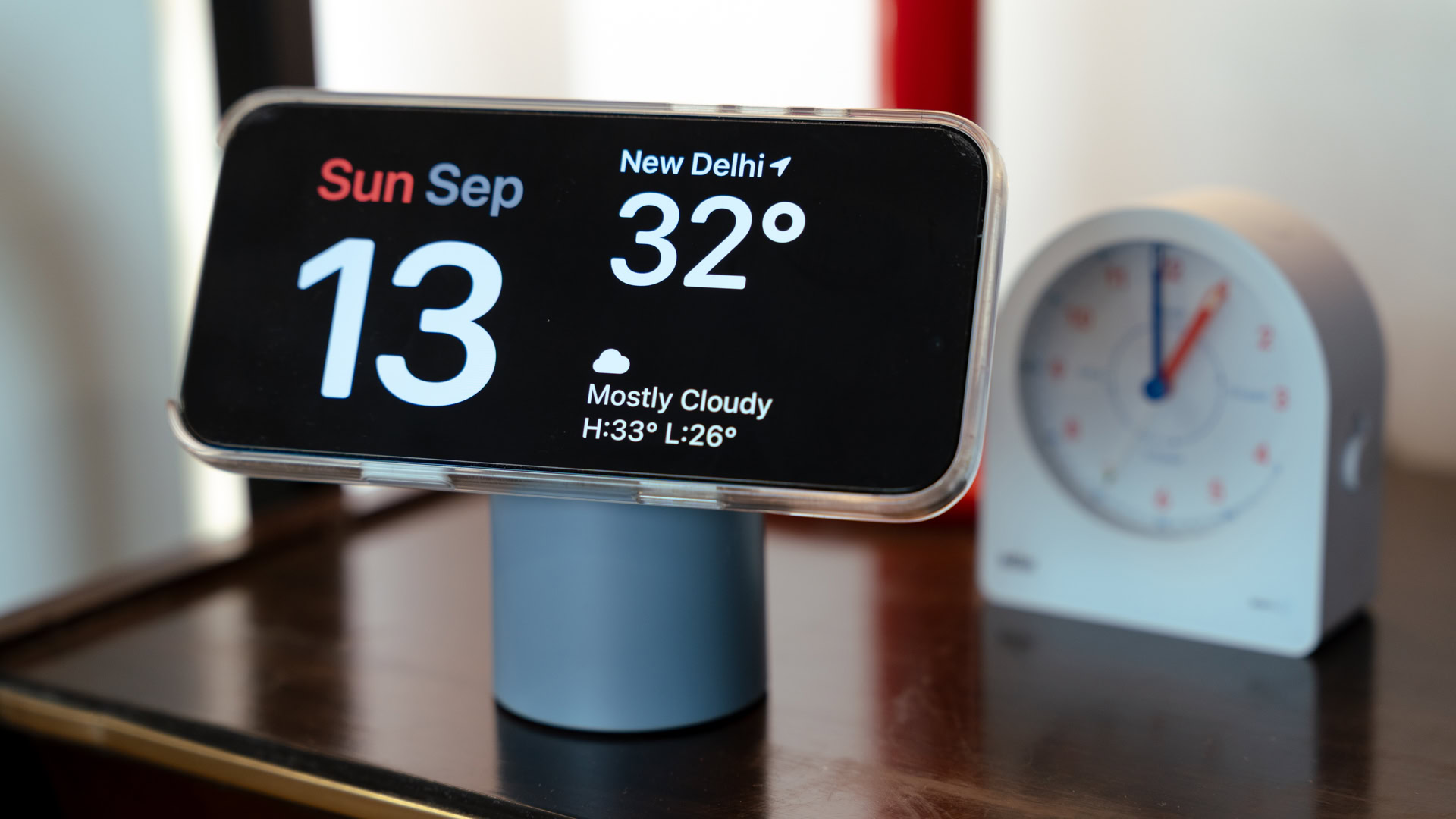
The wireless charging phone stand module is particularly noteworthy due to its integrated 7,800 mAh battery. While its form factor might lean more towards a transportable power bank than a compact replacement, its utility is undeniable. It allows users to charge their phones away from their desks, such as on a coffee table while reading, without the need for an extended cable. This added battery capacity provides a crucial layer of flexibility for users who find themselves away from power outlets.
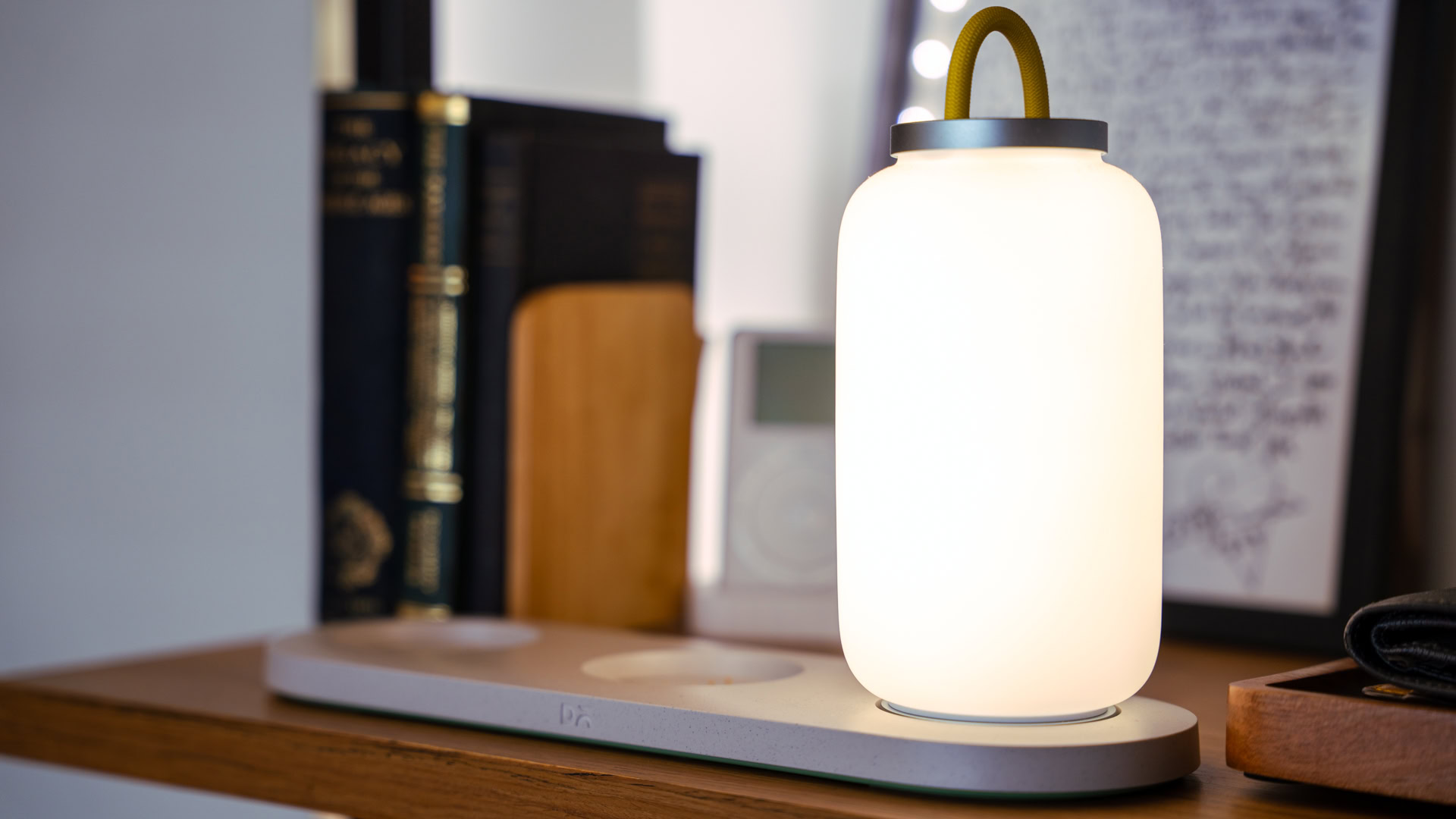
The desk lamp module further exemplifies this portable design. When docked, it illuminates the workspace and charges its internal battery. When detached, it can serve as a portable reading lamp on a bedside table or any other location requiring localized illumination. The seamless transition between docked and portable use, facilitated by the magnetic system, is a testament to the thoughtful design of the Node.
This dual functionality—serving as both a desk organizer and a portable charging solution—is a critical factor in justifying the Node’s premium price. Users are not merely purchasing a static charging dock; they are acquiring a versatile set of charging accessories that can accompany them across different environments. This inherent adaptability significantly enhances the perceived value of the system.
Customization and Value: Building a System That Fits
The modular nature of the DailyObjects Node offers a distinct advantage: users can purchase only the components they genuinely need. Unlike many conventional charging stations that include features irrelevant to specific users (such as an Apple Watch charger for Android users), the Node system allows for a tailored approach.
An individual primarily focused on charging their smartphone can acquire the base unit and a single Qi2 wireless charging module, bypassing other accessories. As their needs evolve—perhaps with the purchase of a smartwatch or a desire for additional lighting—they can seamlessly integrate new modules into their existing setup. This incremental approach to building a charging ecosystem is both economically sensible and practical, avoiding the need to replace an entire charging station due to minor changes in device ownership.
This philosophy of "buy only what you need" resonates strongly in a market where consumers are increasingly seeking personalized solutions. It allows for a phased investment, enabling users to gradually build a comprehensive charging setup without a significant upfront expenditure.
However, it is important to note that the DailyObjects Node system does not include a power adapter. The company recommends a minimum 65W USB-C power brick to ensure optimal performance across all modules. The base unit itself features a standard USB-C port for power input, offering flexibility in choosing a power adapter. Nevertheless, the absence of an included charger, or even a discounted bundled option, represents a potential drawback when compared to some competing products, adding to the overall cost for the end-user.
The Aesthetics of Functionality: Design and Integration
Beyond its functional advantages, the DailyObjects Node distinguishes itself through its design. The system features a minimalist aesthetic, characterized by muted color palettes, quality materials, and clean lines. This sophisticated design ensures that the Node integrates seamlessly into modern living and working spaces, appealing to users who prioritize both functionality and visual appeal. The tactile experience of snapping modules into place further enhances the user’s interaction with the product, contributing to its premium feel.
Target Audience and Strategic Positioning
Despite its innovative features, the DailyObjects Node is not a universal solution. Its premium pricing, coupled with the need for a separate power adapter, positions it as a high-end product. The system is best suited for users who:
- Own multiple electronic devices: The ability to charge smartphones, earbuds, smartwatches, and potentially other Qi-enabled gadgets efficiently and neatly is a primary draw.
- Value desk organization and aesthetics: For individuals who strive for a clean, minimalist workspace, the Node offers a sophisticated and customizable solution.
- Require portability in their charging solutions: The detachable modules transform the Node into a versatile travel companion, eliminating the need for separate portable chargers.
- Appreciate flexibility and future-proofing: The modular design allows users to adapt their charging setup as their device needs change, avoiding the obsolescence of static charging stations.
Conversely, users seeking a simple, budget-friendly phone charger or those who do not prioritize desk aesthetics or portability may find the Node to be an unnecessary investment. The system’s true value is unlocked by users who actively leverage its modularity and portability.
Implications and Future Outlook
The DailyObjects Node represents a significant step forward in the evolution of charging accessories. Its modular design and emphasis on portability challenge the status quo, offering a compelling alternative to conventional, static charging stations. The success of this approach could inspire further innovation in the market, leading to more adaptable and user-centric charging solutions.
While currently available primarily in India, the broader appeal of such a system suggests potential for wider international distribution. The continued development of new modules, perhaps expanding to include tablet charging or smart home device integration, could further solidify the Node’s position as a leading-edge charging ecosystem. As consumers increasingly demand personalized and adaptable technology, modular systems like the DailyObjects Node are poised to play a pivotal role in shaping the future of how we power our digital lives.