Galang Taruna
Google Pixel smartphone users are once again grappling with a critical and long-standing issue: unreliable alarms that fail to sound, leading to missed wake-up calls and significant disruptions to daily routines. The latest incident, widely reported on community forums, highlights a persistent software flaw that has plagued Pixel devices across multiple generations since as early as 2021, casting a shadow over the brand’s reputation for seamless Android integration.
The most recent wave of complaints stems from a Reddit user’s account detailing how both of their morning alarms failed to emit any sound. Instead of the expected audible alert, the Google Clock application merely presented a notification indicating that the alarms had "sounded" and were subsequently "silenced automatically" after their defined duration. This occurred despite the user explicitly stating they had not interacted with any settings to disable or mute the alarms. The notification typically appears when an alarm rings for its set duration without user intervention, automatically silencing itself. However, in these reported cases, the alarms appear to have been silenced without ever having made an audible chime, rendering them entirely ineffective.
This particular user’s experience quickly resonated within the dedicated Google Pixel subreddit, a hub for device owners to discuss issues, share tips, and seek support. Several community members initially suggested common user errors, such as sleeping through the alarm, inadvertently lowering the volume, or accidentally dismissing the alert in a groggy state. However, the original poster vehemently denied these possibilities, asserting they were awake and attentive, confirming that no sound was produced. A potentially crucial detail shared by the affected user was that their phone’s storage was nearly full. While this might seem tangential, storage constraints can sometimes lead to unpredictable behavior in applications, potentially interfering with critical background processes required for timely and audible alarm activation. This theory, however, remains unconfirmed by Google.
The critical importance of a reliable alarm function in modern smartphones cannot be overstated. For millions, their smartphone has replaced traditional alarm clocks, becoming the sole device responsible for waking them for work, school, appointments, or medication schedules. A failure in this fundamental utility can have far-reaching consequences, from missed professional commitments and academic deadlines to disrupted personal plans and potential safety concerns in time-sensitive situations. This reliance underscores why the persistent nature of this bug is particularly troubling for the Pixel user base.
A Chronology of Silent Alarms: A Recurring Nightmare
The recent reports are not isolated incidents but rather the latest chapter in a troubling chronology of alarm malfunctions dating back several years. Google’s Pixel line has seemingly struggled with the reliability of its integrated clock and alarm features across various hardware iterations and software updates.
- September 2021: Early reports of silent alarms surfaced, with Google officially acknowledging a bug linked specifically to alarms set using Spotify ringtones. At the time, Google’s support team confirmed the issue and advised users to switch to standard ringtones as a temporary workaround. This initial incident highlighted the potential for third-party application integration to interfere with core system functions.
- March 2025: Owners of the then-newer Pixel 9 models began to report similar issues, experiencing silent wake-ups. These complaints indicated that the bug was not merely a one-off anomaly related to a specific app integration but a more deeply rooted problem within the Pixel’s operating system or the Clock app itself, persisting across hardware generations.
- Late September 2026: Another wave of user complaints emerged, reaffirming that the problem continued to affect Pixel users, regardless of specific model or previous patches. These reports demonstrated that despite previous acknowledgments and supposed fixes, the underlying vulnerability remained active.
- Recent Incident (Late 2026/Early 2027): The current spate of reports, exemplified by the Reddit user’s detailed account, confirms that the issue persists into the latest Pixel models and Android versions, frustrating a user base that expects core functionality to be robust and dependable. The recurring nature of this bug, spanning at least five years and multiple device launches, raises serious questions about Google’s ability to diagnose and permanently resolve such fundamental software flaws.
Google’s Official Stance and Ongoing Investigation
In response to the growing chorus of complaints, the official "Pixel Community" account on Reddit, representing Google’s support team, has actively engaged with affected users. The team stated that they have contacted several individuals experiencing the issue via private messages to gather more detailed diagnostic information. This proactive step indicates that Google is aware of the gravity of the situation and is actively investigating. However, as of now, no official cause has been identified, nor has a definitive fix or timeline for its deployment been announced. This ongoing investigation, while necessary, offers little immediate solace to users who rely on their Pixel phones for critical daily functions. The lack of a clear explanation or a swift resolution after years of intermittent reports further exacerbates user frustration and contributes to a perception of slow progress in addressing core software stability.
Beyond Alarms: Broader Software Stability on Pixel Devices
The alarm bug is not an isolated incident in Google’s recent software history for its Pixel line. The context of this persistent issue is further complicated by other significant software glitches reported by Pixel users. For instance, the recent launch of the Pixel 11 Pro XL has been marred by reports of an "incoming call bug," where the phone fails to display or audibly notify users of incoming calls. This particular issue marks the third such significant problem related to call functionality reported on Pixel devices since May 2026.
These concurrent software stability issues – affecting basic functions like alarms and phone calls – paint a concerning picture for Google’s flagship smartphone brand. While all complex software systems are prone to bugs, the recurrence of critical functionality failures across multiple device generations and Android versions suggests a deeper challenge in software quality assurance or architectural design within the Pixel ecosystem. This trend could erode user trust, impact customer loyalty, and ultimately affect Google’s competitive standing in the premium smartphone market, where reliability is a key differentiator.
Technical Underpinnings: Why is this Bug So Elusive?
The persistent nature of the alarm bug, despite Google’s repeated attempts to address it, suggests a complex technical challenge. Modern smartphone operating systems like Android are incredibly intricate, managing numerous background processes, power-saving optimizations, and interactions between system apps, third-party applications, and hardware components.
Several factors could contribute to such an elusive bug:
- Aggressive Power Management: Android’s sophisticated battery optimization features might, in some scenarios, inadvertently suspend or delay the Clock app’s processes, preventing the alarm from firing correctly. This is a delicate balance between extending battery life and ensuring critical functions operate reliably.
- Race Conditions: Software bugs often manifest as "race conditions," where the timing of multiple concurrent operations can lead to unexpected outcomes. If the alarm service, audio service, and user interface elements do not execute in the precise intended sequence, a silent alarm could result. These types of bugs are notoriously difficult to reproduce and debug.
- Interference from Third-Party Apps: As seen with the 2021 Spotify bug, other installed applications, especially those with extensive background permissions or audio integration, could inadvertently interfere with the Clock app’s ability to play sounds.
- Memory Management and Storage: The observation that a full phone storage might be a contributing factor points to potential memory or resource allocation issues. If the system is struggling for resources, critical processes might be deprioritized or fail to load correctly.
- Variations Across Hardware and Android Versions: Google Pixel phones run stock Android, but even minor hardware variations between models or subtle changes in Android updates could introduce new vectors for the bug to manifest. Ensuring consistency across a diverse ecosystem is a monumental task.
The difficulty in consistently reproducing the bug across all users and devices makes it particularly challenging for developers to pinpoint the exact cause and implement a universal fix. This often leads to a cycle of partial fixes that address specific manifestations of the bug, only for it to reappear in slightly different forms.
Mitigation Strategies for Concerned Users
While Google works towards a definitive solution, the Pixel community and support forums have proposed several temporary workarounds for users who cannot afford to miss their alarms:
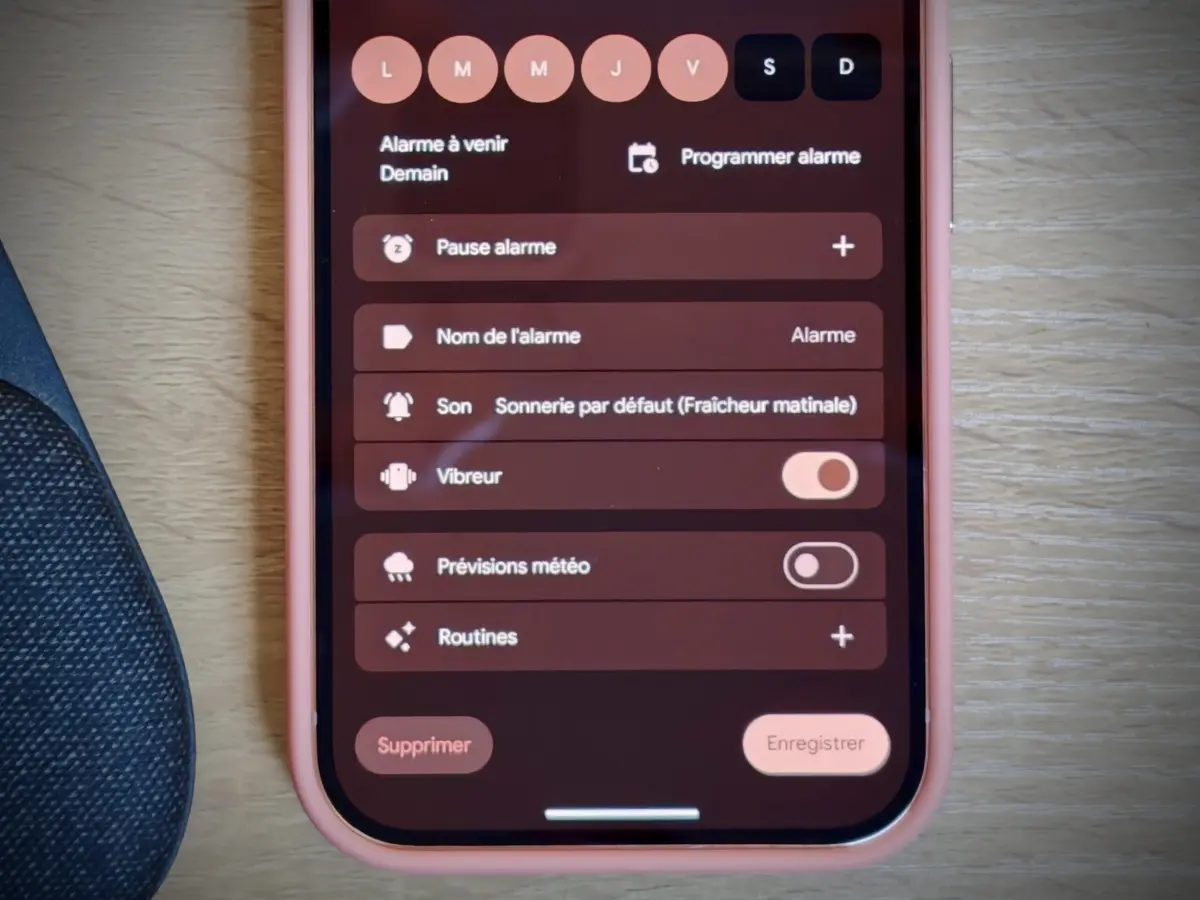
- Adjusting the "Silence After" Setting: Within the Google Clock application’s settings, users can modify the "Silence after" option. By setting this to "Never," users ensure that an alarm, once triggered, will theoretically continue to ring indefinitely until manually dismissed. While this might not solve the problem of the alarm not sounding at all, it eliminates the possibility of it being automatically silenced after a short duration without the user’s knowledge. However, if the core bug prevents the alarm from making any sound in the first place, this setting offers limited protection.
- Utilizing Third-Party Alarm Applications: One of the most frequently recommended and seemingly reliable workarounds is to install a third-party alarm application from the Google Play Store, such as "Alarmy" or "Sleep Cycle." These applications often employ their own independent alarm mechanisms and may not be susceptible to the same underlying bugs affecting the native Google Clock app. Many offer additional features like mandatory puzzles or QR code scans to ensure the user is fully awake before the alarm can be dismissed, adding an extra layer of reliability.
- The Analog Fallback: For mission-critical wake-ups, many users are reverting to the age-old solution: a dedicated, physical alarm clock placed on the nightstand. While this might seem like a step backward in an era of advanced technology, it offers an undeniable level of reliability that current Pixel software is failing to provide for this essential function. This approach completely bypasses any software-related issues on the smartphone.
These workarounds, while functional, highlight a significant inconvenience for users who have invested in a premium smartphone expecting comprehensive reliability. The need to resort to external solutions for a basic, core function is a poor reflection on the device’s overall user experience.
Implications for User Trust and Brand Perception
The persistent alarm bug, coupled with other software stability issues, poses a substantial challenge to Google’s Pixel brand. In a fiercely competitive smartphone market, user trust is paramount. When a device fails at fundamental tasks, it erodes confidence in the brand’s engineering capabilities and commitment to quality. Users expect their premium smartphones to perform basic functions flawlessly.
For Google, the Pixel line is not just about selling hardware; it’s a showcase for the purest Android experience and Google’s vision for mobile computing, often featuring cutting-edge AI and software innovations. However, if these innovations come at the cost of basic reliability, the brand’s value proposition is significantly undermined. Competitors like Samsung, Apple, and even other Android OEMs benefit when a major player struggles with such fundamental issues. This could lead to customer churn, negative word-of-mouth, and a reluctance for potential buyers to invest in future Pixel devices.
Conclusion: A Call for a Definitive Resolution
The recurring silent alarm bug on Google Pixel devices represents more than just a minor inconvenience; it is a critical flaw impacting user trust and the very definition of smartphone reliability. While Google’s Pixel Community team is actively investigating, the prolonged nature of this issue demands a more definitive and transparent resolution. Users need to understand the root cause and have confidence that a permanent fix is in place.
As technology continues to integrate more deeply into our daily lives, the reliability of core functions like alarms becomes increasingly non-negotiable. Google faces an imperative to not only squash this persistent bug but also to reinforce its software quality assurance processes to prevent similar issues from undermining the user experience of its flagship devices in the future. Until a reliable, system-wide fix is implemented, Pixel users will continue to rely on a combination of caution, third-party applications, and even traditional alarm clocks to ensure they wake up on time. The onus is now squarely on Google to deliver a solution that restores faith in the fundamental reliability of its Pixel ecosystem.