George Chandra Eka
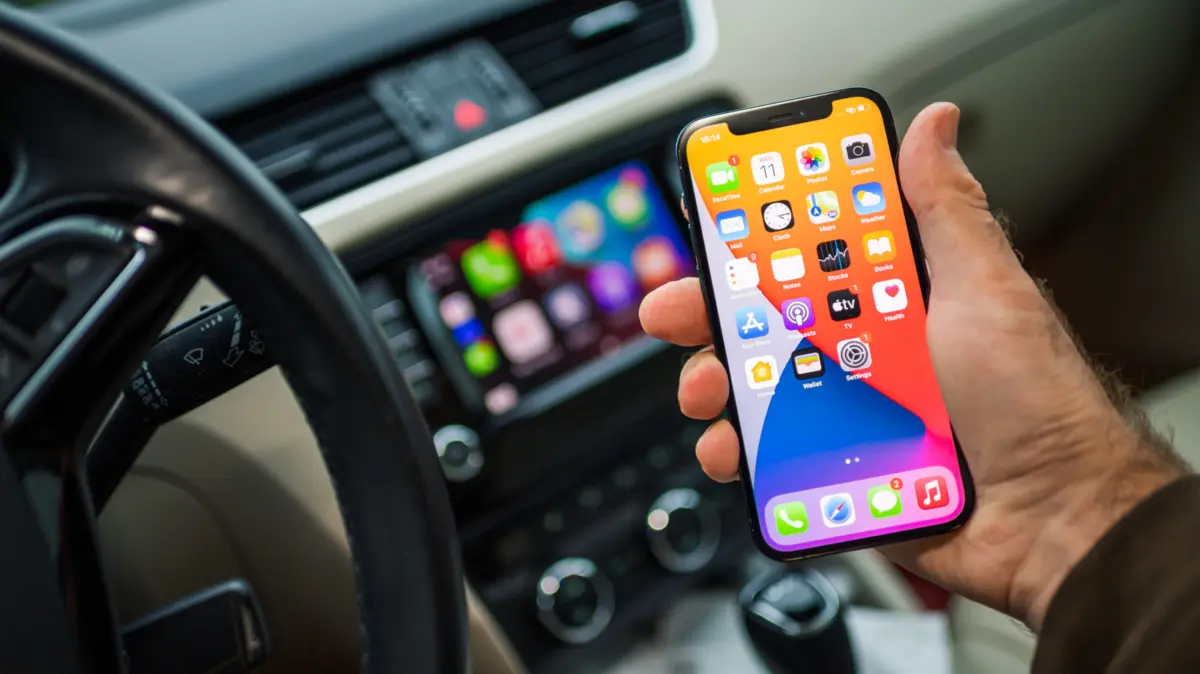
Apple has officially rolled out iOS 27.2, an update that brings a suite of advanced Siri and artificial intelligence (AI) functionalities to iPhone users, with a direct and profound impact on the Apple CarPlay ecosystem. As CarPlay operates by mirroring the iOS experience from a connected iPhone onto a vehicle’s infotainment display, these system-wide enhancements translate into tangible improvements for drivers and passengers alike. The update, keenly observed by tech publications such as 9to5Mac, ushers in two primary changes for CarPlay: a comprehensive redesign of the Podcasts application and substantial upgrades to Siri’s AI capabilities, alongside a series of minor aesthetic and functional adjustments.
A Refined Audio Journey: The Podcasts App Overhaul
One of the most immediate and user-facing changes in iOS 27.2 for CarPlay is the complete revamp of the Podcasts app’s Home tab. Apple has introduced two distinct sections: "New Episodes" and "Continue Playing," strategically replacing the previously familiar "Up Next" feature. This structural alteration aims to streamline the user experience, making content discovery and resumption more intuitive, particularly in the dynamic environment of a moving vehicle.
The "New Episodes" section serves as a dedicated hub for the latest installments of podcasts to which a user is subscribed. This aggregation means listeners no longer need to navigate through individual show pages to identify recently published content. For avid podcast consumers, this represents a significant convenience, ensuring that fresh content is immediately accessible upon launching the app in CarPlay. The design prioritizes timely access, reflecting a broader trend in media consumption where users expect instant availability of new releases.
Conversely, the "Continue Playing" section addresses a common pain point: resuming playback from where a user last left off. Whether a podcast was paused moments ago during a quick errand or days prior, this section consolidates all unfinished episodes, allowing for seamless continuation without the need to remember the specific episode or its progress. This feature is particularly valuable for commuters and long-distance travelers, ensuring continuity in their audio journey. The removal of "Up Next" and its replacement with these two focused categories signals a deliberate move by Apple to simplify the interface and reduce cognitive load for drivers, aligning with safety principles that prioritize minimal interaction with the infotainment system while on the road.
Industry analysts suggest that this redesign reflects Apple’s continuous effort to refine its native applications based on user feedback and evolving content consumption habits. Podcasts have seen exponential growth in listenership over the past decade, transforming into a primary source of information and entertainment for millions. By enhancing the CarPlay Podcasts experience, Apple reinforces its commitment to providing a superior and safe in-car media consumption platform, recognizing that the vehicle is often a prime location for podcast engagement.
Siri’s Cognitive Leap: Advanced AI Integration in CarPlay
Perhaps the most impactful upgrade within iOS 27.2 for CarPlay users comes in the form of significantly enhanced Siri AI capabilities. These improvements mirror those introduced to Siri on mobile devices, extending a more intelligent and context-aware virtual assistant to the automotive environment. The core of these advancements lies in Siri’s newfound ability to recall past conversations and draw information from a wider array of personal data sources.
The capacity for Siri to recall previous interactions marks a substantial leap forward. Users can now engage in more natural, multi-turn conversations with the assistant, building upon prior queries. For instance, if a user asked Siri for cafe recommendations last week but couldn’t locate the specific chat or recall the suggestions, they can now simply ask Siri to "remind me of those cafe recommendations from last week." This feature eliminates the frustration of having to restart a conversation from scratch, making Siri a more effective and helpful co-pilot. This enhanced memory function moves Siri closer to the ideal of a truly intelligent personal assistant, capable of understanding and adapting to ongoing user needs rather than just responding to isolated commands.
Furthermore, Siri’s AI in CarPlay can now access and synthesize information from a broader spectrum of personal data sources, providing more detailed and relevant responses. These new sources include:
- Voicemails: Siri can now understand and summarize the content of voicemails, potentially allowing users to get quick updates without needing to listen to entire messages, enhancing productivity and safety while driving.
- Safari History and Reading List: This integration enables Siri to provide context-aware responses related to web browsing. For example, a user could ask Siri about an article they viewed recently, or to recall a specific piece of information from their reading list, facilitating quick information retrieval without diverting attention to a phone screen.
- Attendees in Calendar Events: Siri can now leverage calendar data to provide information about upcoming meetings, participants, and potentially even help navigate to event locations, making event management more seamless on the go.
- Photos Attached in Messages: While not directly for viewing photos, this integration suggests Siri’s ability to understand context from image attachments, potentially allowing for more nuanced responses related to ongoing conversations. For example, if a contact sent a photo of a restaurant, Siri might be able to recall that information when asked about dining options.
These expanded data sources significantly enhance Siri’s utility, transforming it from a command-and-control interface into a more proactive and knowledgeable assistant. For drivers, this translates into greater hands-free control over various aspects of their digital lives, potentially contributing to increased road safety by reducing the need for manual phone interaction. The ability to access personal data, however, also implicitly raises considerations regarding privacy and data security, topics that Apple typically addresses through on-device processing and robust encryption protocols.
Minor Adjustments and Design Philosophy
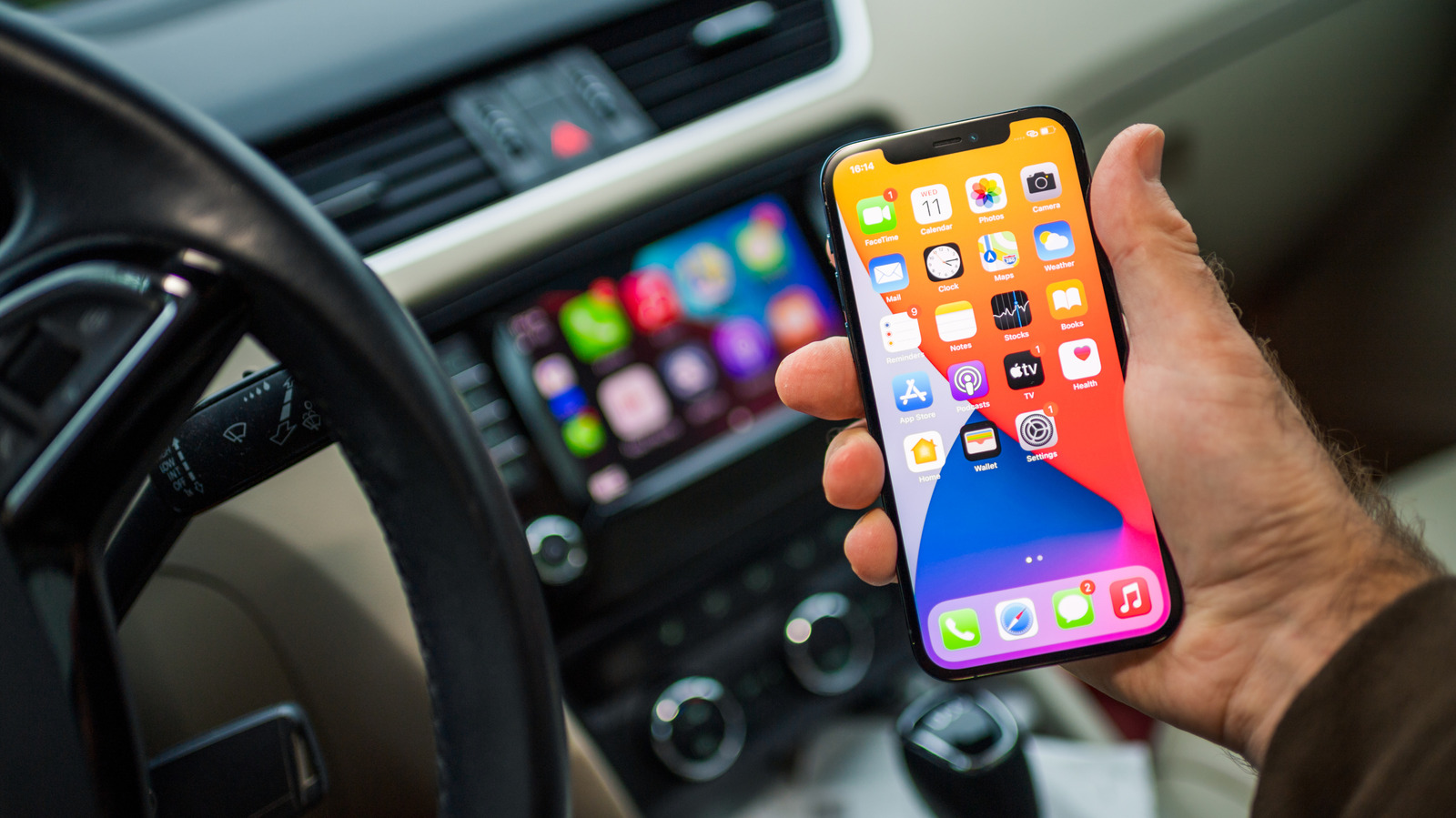
Beyond the major functional upgrades, iOS 27.2 also introduces a few subtle, yet notable, changes to the CarPlay interface. One such aesthetic alteration is the redesigned Music app icon. Apple has transitioned its iconic red music note to a monochromatic scheme: a white icon with a black music note in light mode, which inverts to a black icon with a white note when dark mode is activated. This shift aligns with a broader design philosophy observed across Apple’s ecosystem, emphasizing minimalism, consistency, and a more uniform appearance across various applications and interfaces. Such design decisions often reflect a maturation of a platform’s visual language, aiming for timelessness and reduced visual clutter.
User Reactions and Unintended Consequences: The APTV Conundrum
While the update brings numerous improvements, it has also reportedly introduced an unintended consequence for a segment of CarPlay users. Reports emerging from communities like the CarPlay subreddit indicate that iOS 27.2 may have removed support for APTV functionality. APTV, or Apple TV functionality within certain aftermarket or integrated infotainment systems, typically allowed users to play videos on their car screens, often when the vehicle was stationary.
The apparent discontinuation of APTV support has sparked discussions among users who relied on this feature, particularly for entertaining passengers during stops or waits. While Apple has not issued an official statement specifically addressing the removal of APTV functionality, industry observers suggest several potential reasons. One primary driver could be safety; Apple consistently emphasizes driver and passenger safety, and limiting video playback capabilities while a vehicle is in motion (or even stationary, to prevent misuse) aligns with this ethos. Another possibility relates to platform control and consistency. As Apple prepares for its "next-generation CarPlay" experience, which promises deeper integration with vehicle hardware and more comprehensive control over the in-car environment, it may be consolidating features and standardizing the user experience. Discontinuing support for niche or third-party video playback solutions could be part of a strategy to ensure a cohesive and controlled media experience within CarPlay, potentially steering users towards Apple’s own content ecosystems or approved entertainment options. This aligns with Apple’s historical approach to maintaining a curated and secure user environment across its platforms.
Broader Context: The Evolution of Apple CarPlay and In-Car Technology
The release of iOS 27.2 and its subsequent impact on CarPlay must be viewed within the larger context of Apple’s long-term strategy for automotive integration. Introduced in 2014, CarPlay has steadily grown from a simple phone mirroring solution to a sophisticated in-car operating system that now supports a vast array of applications and vehicle functions. Its adoption rate has been impressive, with statistics showing that a significant majority of new vehicles sold globally now offer CarPlay compatibility. This widespread acceptance underscores the demand for a familiar, smartphone-like interface in vehicles.
Apple’s vision for CarPlay extends beyond mere app projection. The company has already announced plans for a "next-generation CarPlay" that promises even deeper integration with a vehicle’s core systems, including instrument clusters, climate controls, and various vehicle settings. This future iteration aims to transform the entire digital dashboard, offering a unified Apple-designed experience across multiple screens. The enhancements in iOS 27.2, particularly the advanced Siri AI and the refined app experiences, can be seen as foundational steps towards this more ambitious future, paving the way for a more intelligent, integrated, and seamless automotive user experience.
The improvements to Siri, in particular, highlight Apple’s ongoing commitment to advancing its artificial intelligence capabilities across all its platforms. With competitors like Google’s Android Auto and various automotive manufacturers investing heavily in their own infotainment and AI solutions, Apple’s continuous innovation in CarPlay is crucial for maintaining its competitive edge. A more intelligent Siri that understands context and accesses personal data makes the hands-free experience more robust and reliable, which is paramount in a driving scenario where distraction must be minimized.
Implications and Future Outlook
The iOS 27.2 update for CarPlay carries several significant implications. For users, it promises a more efficient, intuitive, and safer in-car experience, particularly for media consumption and voice-controlled interactions. The redesigned Podcasts app directly addresses common user frustrations, while the enhanced Siri AI offers a level of convenience and intelligence previously unavailable in the automotive context. This could lead to increased engagement with Apple services while driving, further embedding the Apple ecosystem into daily routines.
For Apple, these updates reinforce its position as a leader in in-car technology. By continuously refining CarPlay and integrating its latest AI advancements, Apple ensures that its platform remains compelling for both consumers and automotive manufacturers. The strategic decision to enhance Siri’s capabilities and streamline native applications like Podcasts reflects a user-centric approach, aiming to solve real-world problems faced by drivers.
Looking ahead, the trajectory set by iOS 27.2 suggests a future where in-car infotainment systems are not merely extensions of smartphones but fully integrated, intelligent co-pilots. As AI technology continues to evolve, future iterations of CarPlay are likely to become even more predictive, personalized, and capable of handling complex multi-step requests, further blurring the lines between the digital and physical driving experience. While the reported loss of APTV functionality may disappoint some, it could be a precursor to a more standardized and perhaps even safer, controlled environment within the next generation of CarPlay. The release of iOS 27.2 is not just an incremental update; it is a significant stride towards a more intelligent and integrated automotive future powered by Apple’s technology.