Chandra Wibowo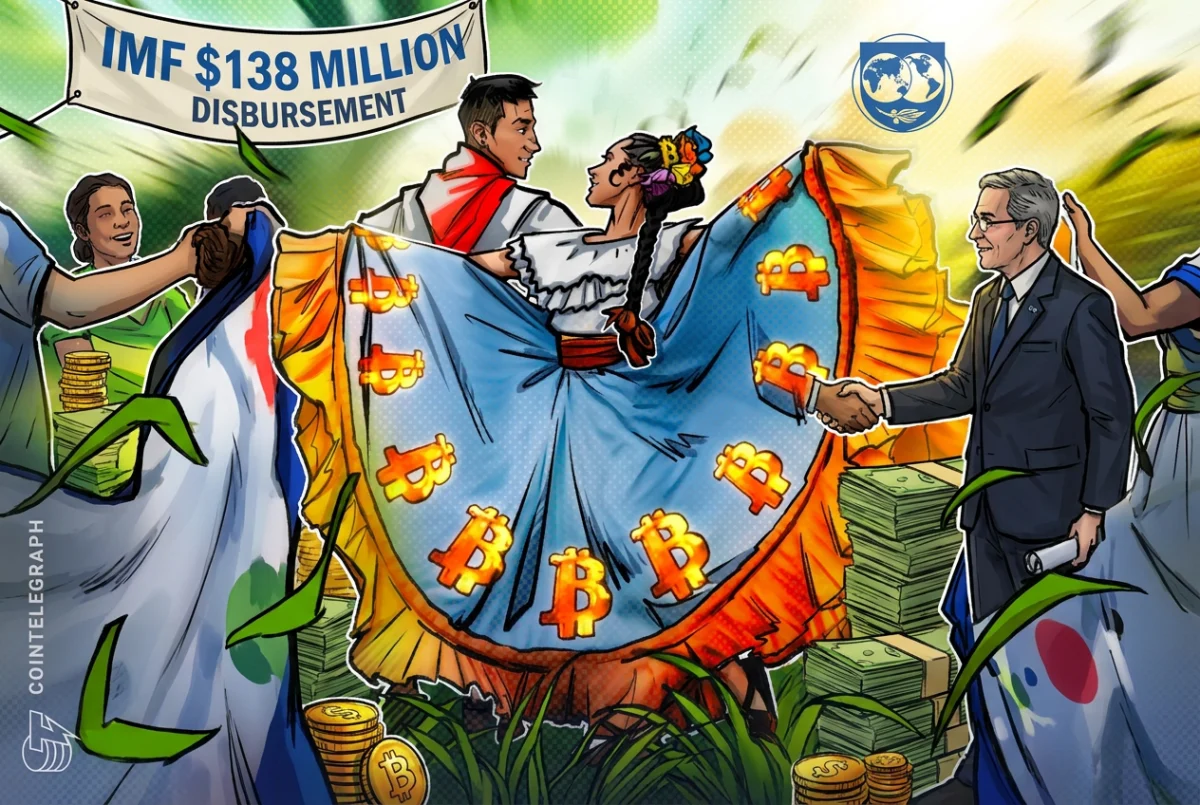
The International Monetary Fund (IMF) has approved the immediate disbursement of approximately $138 million to El Salvador, a significant tranche under the country’s existing $1.4 billion financing program. This decision comes as the IMF’s Executive Board concluded the second and third reviews of El Salvador’s 40-month Extended Fund Facility (EFF) arrangement on Thursday. While the nation did not meet all stipulated performance criteria, the IMF granted waivers, citing "strong corrective measures and renewed commitments" from the Salvadoran authorities.
The IMF’s Executive Board’s decision marks a critical juncture for El Salvador’s economic stability and its relationship with international financial institutions. The Extended Fund Facility (EFF) is designed to assist countries facing serious balance of payments problems, offering financial assistance and policy advice over extended periods. El Salvador’s program, initiated to support its economic recovery and structural reforms, hinges on meeting specific benchmarks related to fiscal management, financial sector stability, and anti-money laundering (AML) and combating the financing of terrorism (CFT) efforts.
H2: Navigating Performance Gaps and IMF Waivers
Despite the positive step of receiving the disbursement, the IMF’s report acknowledged that El Salvador had fallen short on certain performance criteria. A key area of concern for the international lender has been El Salvador’s adoption and accumulation of Bitcoin as legal tender. The IMF’s press release explicitly mentioned "Bitcoin accumulation" as one of the areas where performance criteria were not met.
However, the Fund’s decision to grant waivers underscores a willingness to engage with El Salvador’s ongoing reform efforts. The IMF noted that these waivers were contingent upon the country demonstrating "strong corrective measures and renewed commitments." This suggests a degree of flexibility and a collaborative approach from the IMF, recognizing the complexities El Salvador faces in implementing ambitious economic policies. The IMF’s stance indicates that while specific targets were missed, the overall trajectory and commitment to reform were deemed sufficient for continued financial support.
H2: Progress in Key Reform Areas
The IMF’s assessment highlighted notable progress in several crucial areas that have been central to the EFF arrangement. These include:
- Financial Sector Reforms: El Salvador has been working to strengthen its financial sector, a vital component for economic stability and growth. Reforms in this area are typically aimed at enhancing regulatory frameworks, improving supervision, and fostering a more resilient financial system.
- Fiscal Transparency: The IMF places a strong emphasis on fiscal transparency, which involves making government financial information accessible and understandable to the public. Improvements in this domain are essential for building trust, attracting investment, and ensuring accountability in public spending.
- AML/CFT Reforms: El Salvador’s commitment to combating money laundering and the financing of terrorism is a critical requirement for its integration into the global financial system. Robust AML/CFT frameworks are necessary to prevent illicit financial flows and maintain the integrity of the financial sector.
- Chivo Bitcoin Wallet Privatization: A significant development noted by the IMF is the transfer of majority ownership and control of the government’s Chivo Bitcoin wallet to a private operator. This move addresses concerns about the state’s direct involvement in cryptocurrency operations and aligns with calls for reduced state exposure to volatile digital assets.
H3: IMF’s Stance on Future Bitcoin Activities
The IMF’s press release provided explicit guidance on El Salvador’s future engagement with Bitcoin. The organization stated, "Efforts will continue to reduce the state’s involvement in Bitcoin-related activities, strengthen crypto-asset regulation and governance, and enhance transparency regarding public-sector crypto-asset holdings." This indicates a clear directive from the IMF for El Salvador to scale back its direct participation in the cryptocurrency market and focus on robust regulatory oversight.
Crucially, the IMF added, "No further Bitcoin accumulation is envisaged beyond the documented donations." This statement directly addresses a persistent point of contention and offers clarity on the path forward. It suggests that any future increases in El Salvador’s Bitcoin holdings should not involve public funds or be driven by government-led acquisition strategies.
H2: Clarifying Bitcoin Accumulation: Private Donations and No Public Funds
The question of El Salvador’s Bitcoin holdings has been a recurring theme in its IMF program reviews. In September 2025, Cointelegraph reported that the IMF had confirmed El Salvador did not use public resources to accumulate Bitcoin following the first review of its financing program in June 2025. This clarification was vital in dispelling concerns about the country potentially violating the terms of its IMF agreement by using state funds for speculative asset purchases.
The IMF’s verification was based on documents provided by Salvadoran authorities, which substantiated that the increase in Bitcoin holdings originated from private donations. According to the IMF, this means that the growth in El Salvador’s Bitcoin reserves did not reflect additional purchases financed by government resources. This distinction is critical, as it separates private philanthropic contributions from sovereign financial decisions.
H3: The Chivo Wallet Transition: A Shift in Control
Further elaborating on the Chivo wallet, the IMF confirmed that majority ownership and operational control had been transferred to a private operator. While the government retains a minority stake and custodial responsibilities, this signifies a substantial shift away from direct state management of the digital wallet. This move is likely intended to mitigate risks associated with state-run cryptocurrency infrastructure and to leverage private sector expertise in managing such platforms.
The explanation provided by the IMF was particularly relevant following El Salvador’s announcement in November 2025 that it had acquired 1,090 BTC, valued at $100 million. This acquisition had reignited questions regarding the country’s compliance with its $1.4 billion IMF program, as the source of these funds was initially unclear. The subsequent clarification from the IMF about private donations and the partial privatization of the Chivo wallet has helped to alleviate these concerns.
H2: Background and Chronology of El Salvador’s Bitcoin Journey and IMF Engagement
El Salvador’s adoption of Bitcoin as legal tender in September 2021 marked a bold and controversial experiment in monetary policy. The decision was met with both enthusiasm and significant apprehension from international financial bodies, including the IMF.
- September 2021: El Salvador officially recognizes Bitcoin as legal tender, becoming the first country in the world to do so. This move was accompanied by the launch of the Chivo wallet, intended to facilitate Bitcoin transactions and provide access to financial services for the unbanked population.
- Early 2022: Concerns begin to mount among international financial institutions regarding El Salvador’s Bitcoin strategy, particularly its volatility and the potential implications for financial stability and money laundering risks.
- March 2022: The IMF begins discussions with El Salvador for a $1.4 billion financing program, with significant emphasis placed on addressing Bitcoin-related risks and strengthening fiscal management.
- June 2025: The IMF completes the first review of El Salvador’s EFF arrangement, providing a disbursement and noting progress in some reform areas. However, questions about Bitcoin accumulation persist.
- September 2025: Cointelegraph reports that the IMF has verified that El Salvador’s Bitcoin accumulation after the first review was from private donations, not public funds.
- November 2025: El Salvador announces the acquisition of an additional 1,090 BTC, worth approximately $100 million, leading to renewed scrutiny regarding compliance with the IMF program.
- Thursday (Current Reporting Period): The IMF’s Executive Board concludes the second and third reviews under the EFF arrangement, approving the disbursement of approximately $138 million. Waivers are granted for missed performance criteria, including Bitcoin accumulation, with a focus on corrective measures and renewed commitments.
H2: Broader Implications and Analysis
The IMF’s continued financial support for El Salvador, despite missed performance criteria, signals a pragmatic approach to supporting a nation undergoing significant economic and technological transitions. The waivers granted suggest that the IMF prioritizes the overall commitment to reform and the implementation of corrective actions over rigid adherence to every single benchmark, especially when faced with unique circumstances like El Salvador’s embrace of cryptocurrency.
The IMF’s emphasis on reducing state involvement in Bitcoin-related activities and strengthening regulatory frameworks is a clear indication of the global financial community’s concerns regarding the risks associated with widespread cryptocurrency adoption by governments. While El Salvador’s experiment with Bitcoin has been groundbreaking, it has also served as a case study for other nations and international bodies, highlighting the need for careful consideration of regulatory, economic, and social implications.
The privatization of the Chivo wallet’s majority ownership and control is a significant step that aligns with international best practices for managing digital asset platforms. It diversifies risk and potentially enhances operational efficiency and security. The IMF’s explicit statement that no further Bitcoin accumulation is planned beyond donations provides a clear boundary, aiming to prevent the sovereign’s financial stability from being unduly influenced by the speculative nature of cryptocurrencies.
For El Salvador, this IMF disbursement is crucial for bolstering its foreign exchange reserves, managing its debt obligations, and financing essential public services. It also provides a degree of reassurance to investors and international creditors about the country’s commitment to economic stability and its ongoing efforts to reform its financial and fiscal architecture.
The long-term success of El Salvador’s economic strategy will depend on its ability to sustain these reform efforts, prudently manage its fiscal position, and navigate the evolving landscape of digital assets with robust regulatory oversight. The ongoing dialogue and collaboration with the IMF will remain a vital component of this journey, providing both financial assistance and crucial policy guidance. The nation’s experience with Bitcoin and its interaction with the IMF will continue to be closely watched as a precedent for other developing economies considering similar technological or financial innovations.