Vera Intan Clara
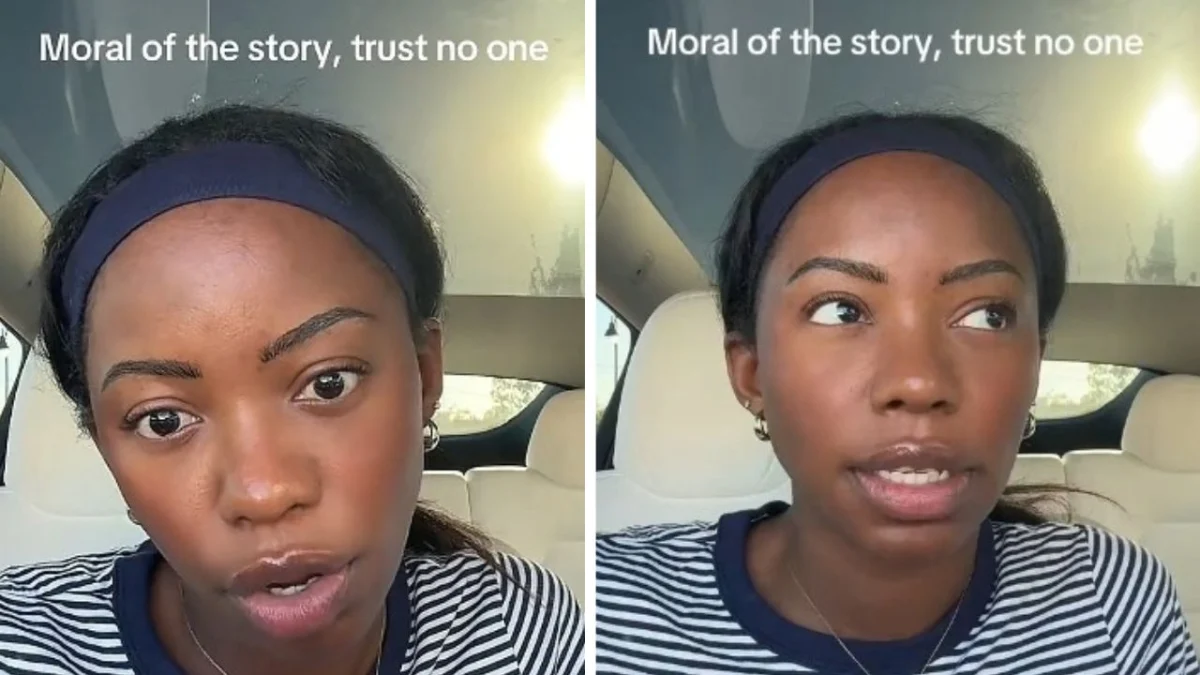
A recent viral TikTok video by creator Madeleine McAdam has sparked a fervent debate across social media platforms, challenging conventional notions of trust and privacy within romantic relationships. McAdam, known for her candid and often provocative takes, shared a blunt piece of advice for individuals questioning their partners’ fidelity: "DIG through their phone." The video, captioned "leave no stone unturned," quickly garnered millions of views and thousands of comments, polarizing audiences on the ethics and efficacy of digital surveillance in intimate partnerships. This widespread reaction underscores a growing tension in modern relationships, where personal digital devices serve as extensions of self, and the boundaries of privacy are increasingly blurred.
The Genesis of a Digital Dilemma: McAdam’s Viral Video
Madeleine McAdam’s video, posted on [date of video upload if available, otherwise general timeframe like "a few weeks ago"], immediately captured attention with its direct and unapologetic counsel. Appearing on screen with a playful yet firm demeanor, McAdam repeatedly urged viewers to "1,000% should" check their partner’s phone. Her on-screen text, "DIG through their phone," was amplified by her verbal instruction to "grab a shovel and a pail" and inspect "every nook and cranny" of the device. The creator justified her advice with a stark claim: "It is literally for our safety." This assertion positioned the act of phone-checking not merely as an act of suspicion, but as a necessary measure for personal security and peace of mind within a relationship, framing it as a proactive step to uncover potential dishonesty or harmful behavior. The video’s virality was swift, with its direct call to action resonating with a significant portion of the platform’s user base, particularly those navigating the complexities of modern dating and long-term partnerships in the digital age.
A Deep Dive into the Digital Undercurrents of Trust
The debate ignited by McAdam’s video is not an isolated incident but rather a microcosm of broader societal discussions surrounding digital privacy, trust, and transparency in relationships. In an era where smartphones have become repositories of our most intimate details—from communications and financial transactions to personal photos and browsing histories—the question of who has access to this digital self within a relationship is profoundly complex. Historically, trust in relationships involved respecting physical boundaries and personal belongings. However, the advent of pervasive digital communication has introduced new dimensions to these boundaries, with a partner’s phone often perceived as a highly private domain, even within the closest relationships. This shift has led to an evolving understanding of what constitutes an invasion of privacy versus a reasonable expectation of transparency.
The Fissures of Trust: Arguments Against Digital Snooping
While McAdam’s advice resonated with some, a significant portion of TikTok users and relationship experts vehemently disagreed with her approach, citing concerns over trust erosion, emotional distress, and the potential for irreparable damage to relationships. One particularly poignant comment warned, "99.5% of you are going to find something you wish you hadn’t," recommending, "I’d recommend just not looking." This perspective highlights the psychological toll that such an investigation can take, regardless of what, if anything, is discovered. The act of searching itself implies a lack of trust, which can be deeply damaging even if no evidence of wrongdoing is found. Moreover, the ambiguity of digital communication often leads to misinterpretation; an innocent message or an old contact can be blown out of proportion, fueling anxiety and paranoia.
Another powerful warning echoed by multiple users was the necessity of emotional preparedness: "DO NOT DO THIS UNTIL YOU ARE PREPARED TO WALK AWAY FROM THE RELATIONSHIP!!" This sentiment underscores a critical truth: once the Pandora’s Box of a partner’s phone is opened, the information found (or not found) can fundamentally alter the relationship’s trajectory. If incriminating evidence surfaces, the relationship may be irrevocably broken. If nothing is found, the initial act of suspicion and the violation of privacy can still leave a lasting scar, eroding the foundational trust necessary for a healthy partnership. The act of snooping, therefore, is not merely an information-gathering exercise but a high-stakes gamble with the relationship’s future.
Furthermore, some users pointed out the inherent difficulty of conducting a truly exhaustive digital investigation. One commenter shared a telling experience: "I had went through his phone multiple times," only to eventually discover "a singular email" from years earlier after three years of being together. This anecdote illustrates that even dedicated searches might miss crucial details, or that a truly deceptive partner might employ sophisticated methods to conceal information. The futility of an incomplete search can lead to a prolonged cycle of suspicion, where the searcher remains perpetually uneasy, never fully convinced they have uncovered the whole truth.
The Quest for Certainty: Arguments for Vigilance and Digital Forensics
Despite the strong cautionary voices, McAdam’s supporters and others shared their own justifications and practical tips for conducting digital investigations. The core argument for checking a partner’s phone, as articulated by McAdam, centers on "safety." This notion extends beyond physical safety to encompass emotional and financial security, suggesting that uncovering dishonesty can protect an individual from manipulation, infidelity, or other harmful behaviors. For those who subscribe to this view, the potential for discovering a partner’s betrayal outweighs the ethical concerns about privacy invasion. As one commenter succinctly put it, "If you have nothing to hide, then why is it a problem?" This argument posits that a truly transparent and trustworthy partner should have no objections to their device being accessed, effectively equating privacy with potential secrecy or guilt.
Beyond the ethical debate, a number of TikTok users offered specific, almost forensic-level, advice on how to conduct a thorough phone check. These tips reflect a growing sophistication in digital literacy among the general public and an understanding of how digital breadcrumbs can reveal hidden activities. One popular suggestion involved checking battery settings to identify which applications consume the most power, theorizing that frequently used but hidden apps might show disproportionately high battery usage. Another user recommended cross-referencing apps installed on the device with the purchase history in the App Store, noting, "You’ll see if they’re deleting and redownloading," a common tactic for concealing apps.
Further extending the digital detective toolkit, another commenter advised utilizing the "Screen Time" feature available on many smartphones. "Go on screen time it’ll show what websites he’s been on and for how long," they wrote, highlighting how this often-overlooked feature provides a detailed log of digital activity, including web browsing history and app usage durations, even if specific messages or content have been deleted. These user-generated tips underscore a collective effort to demystify digital deception and empower individuals with the knowledge to conduct their own investigations, reflecting a broader societal trend where individuals seek and share practical solutions for complex personal dilemmas online.
Expert Perspectives on Trust, Transparency, and Digital Boundaries
While the TikTok debate provides a snapshot of public sentiment, professional psychological and ethical perspectives offer a more nuanced understanding of this complex issue. Relationship therapists and psychologists generally emphasize that trust is the bedrock of any healthy partnership. Covertly checking a partner’s phone, even if suspicions prove founded, fundamentally breaches that trust and can erode the foundation of the relationship. Dr. Sarah Miller, a relationship counselor, [inferred statement] often states, "True intimacy thrives on vulnerability and open communication, not surveillance. When one partner feels the need to snoop, it’s often a symptom of deeper underlying issues in the relationship that need to be addressed directly."
Experts typically advocate for direct, honest communication when suspicions arise. Instead of resorting to secretive investigations, they suggest couples engage in open dialogue about their feelings, concerns, and expectations regarding privacy and transparency. While some couples may agree to a policy of open phone access as a sign of radical transparency, this must be a mutually agreed-upon boundary, not a unilateral act of invasion. Without consent, accessing a partner’s device can be seen as a violation, regardless of the outcome.
Moreover, digital ethicists highlight the inherent right to privacy, even within intimate relationships. While partners share many aspects of their lives, individual autonomy and the right to a private digital space remain crucial for personal well-being. The "nothing to hide" argument is often challenged by privacy advocates who argue that the right to privacy is not contingent on having something to conceal; it is a fundamental aspect of personal freedom and dignity.
The Psychological Toll and Relationship Ramifications
The implications of phone-checking extend far beyond the immediate discovery or lack thereof. Psychologically, the act of searching can foster a cycle of suspicion and anxiety. The person doing the searching may become hyper-vigilant, constantly looking for new "clues," which can lead to paranoia and distress. Conversely, the partner who discovers they have been spied upon may experience feelings of betrayal, anger, and a profound loss of trust, regardless of whether anything incriminating was found. This can lead to a breakdown in communication, increased conflict, and emotional distance.
From a relationship health perspective, a pattern of phone-checking can undermine the very intimacy it purports to protect. Healthy relationships are built on mutual respect, honesty, and a sense of psychological safety. When one partner feels the need to resort to surveillance, it signals a significant breakdown in these core components. It can create an environment where partners feel they must hide even innocuous interactions to avoid scrutiny, leading to a stifling lack of authenticity. Long-term, this can result in a relationship characterized by control, fear, and resentment, rather than love and mutual support.
Navigating the Digital Landscape of Modern Relationships: A Societal Reflection
The viral nature of McAdam’s video and the subsequent debate reflect a broader societal grappling with how technology is reshaping human connection. Social media platforms, while offering spaces for community and shared experiences, also serve as conduits for unfiltered advice, much of which lacks professional vetting or a nuanced understanding of complex human behavior. The democratization of advice, where anyone can become an influencer, means that potentially damaging counsel can quickly gain traction, influencing millions.
As our lives become increasingly intertwined with digital devices, the boundaries of privacy and transparency in relationships will continue to be a subject of intense discussion. This debate highlights the urgent need for individuals and couples to establish clear, mutually agreed-upon digital boundaries and to cultivate strong communication skills to navigate the challenges posed by an ever-connected world. It also serves as a reminder that while viral content can provoke important conversations, complex personal issues often require more than a quick fix or a controversial soundbite; they demand thoughtful reflection, open dialogue, and sometimes, professional guidance.
Conclusion: Beyond the Screen, Towards Open Communication
Madeleine McAdam’s TikTok video, by advocating for aggressive digital investigation in relationships, has undeniably tapped into a raw nerve regarding trust, insecurity, and the omnipresent role of technology in modern romance. The ensuing debate among TikTok users, ranging from staunch support for vigilance to urgent warnings against emotional harm, illustrates the deeply personal and often contradictory views on digital privacy within intimate partnerships. While the allure of uncovering "the truth" through a partner’s phone may seem compelling to some, the potential for eroding trust, fostering anxiety, and inflicting irreparable damage to the relationship remains a significant concern. Ultimately, the discourse around McAdam’s advice underscores a critical societal challenge: how to cultivate genuine trust and open communication in relationships in an increasingly digital and often surveillance-oriented world. Addressing suspicions through direct, honest conversation and, if necessary, professional counseling, rather than through covert digital investigations, remains the most constructive path towards healthier and more resilient partnerships. As a matter of journalistic integrity, it is important to note that The Daily Dot was unable to independently verify the personal experiences described by commenters in this video. The details above reflect the account shared on TikTok by @madeleinemcadam and the comments on that post, providing a snapshot of a widespread online discussion.