Galang Taruna
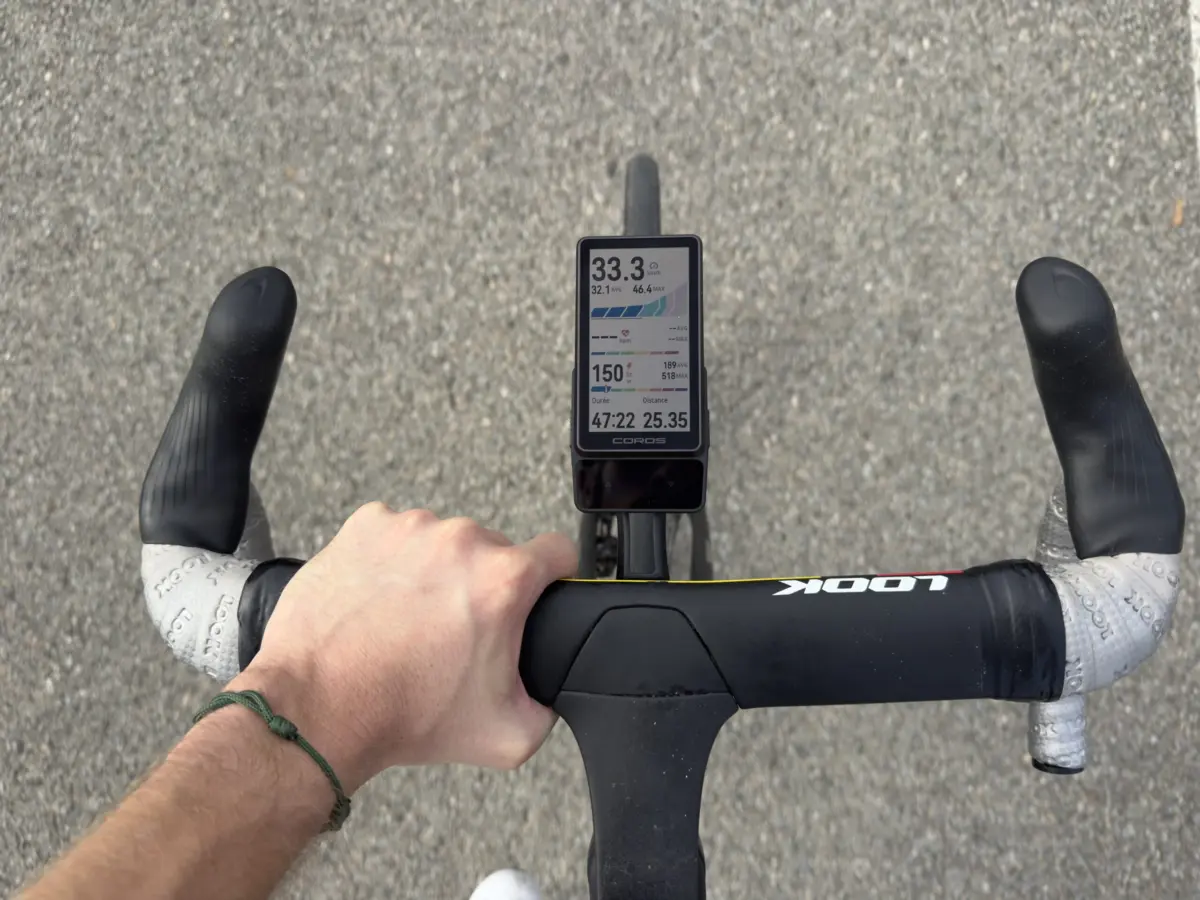
Coros, a notable player in the performance sports technology sector, is set to launch its second-generation cycling GPS computer, the Coros Dura 2 Solar, on November 3, 2026. This new iteration arrives with enhanced aesthetics, a larger display, and refined software, aiming to build upon the groundbreaking success of its predecessor. While retaining the remarkable solar-powered autonomy that defined the original Dura, the Dura 2 Solar introduces a premium positioning that has nearly doubled its price, prompting a re-evaluation of its value proposition within a competitive market dominated by established giants like Garmin.
The Evolution of Coros and the Dura Legacy
Coros first entered the cycling computer market with a clear objective: to offer robust, feature-rich devices without the prohibitive price tags often associated with high-end models. The original Coros Dura, launched at 289 euros, quickly garnered acclaim for its straightforward yet comprehensive approach, intuitive functionality, and, most critically, its unprecedented battery life bolstered by solar charging. It carved a niche for itself, appealing to both casual riders and serious competitors who sought reliability and endurance above all else. Its aggressive pricing strategy and innovative solar integration positioned it as a disruptive force, challenging the status quo and proving that premium performance didn’t necessarily require a premium investment. The anticipation for its successor, the Dura 2 Solar, has therefore been considerable, with industry observers keenly watching how Coros would evolve its successful formula.

Refined Aesthetics and Aerodynamic Design
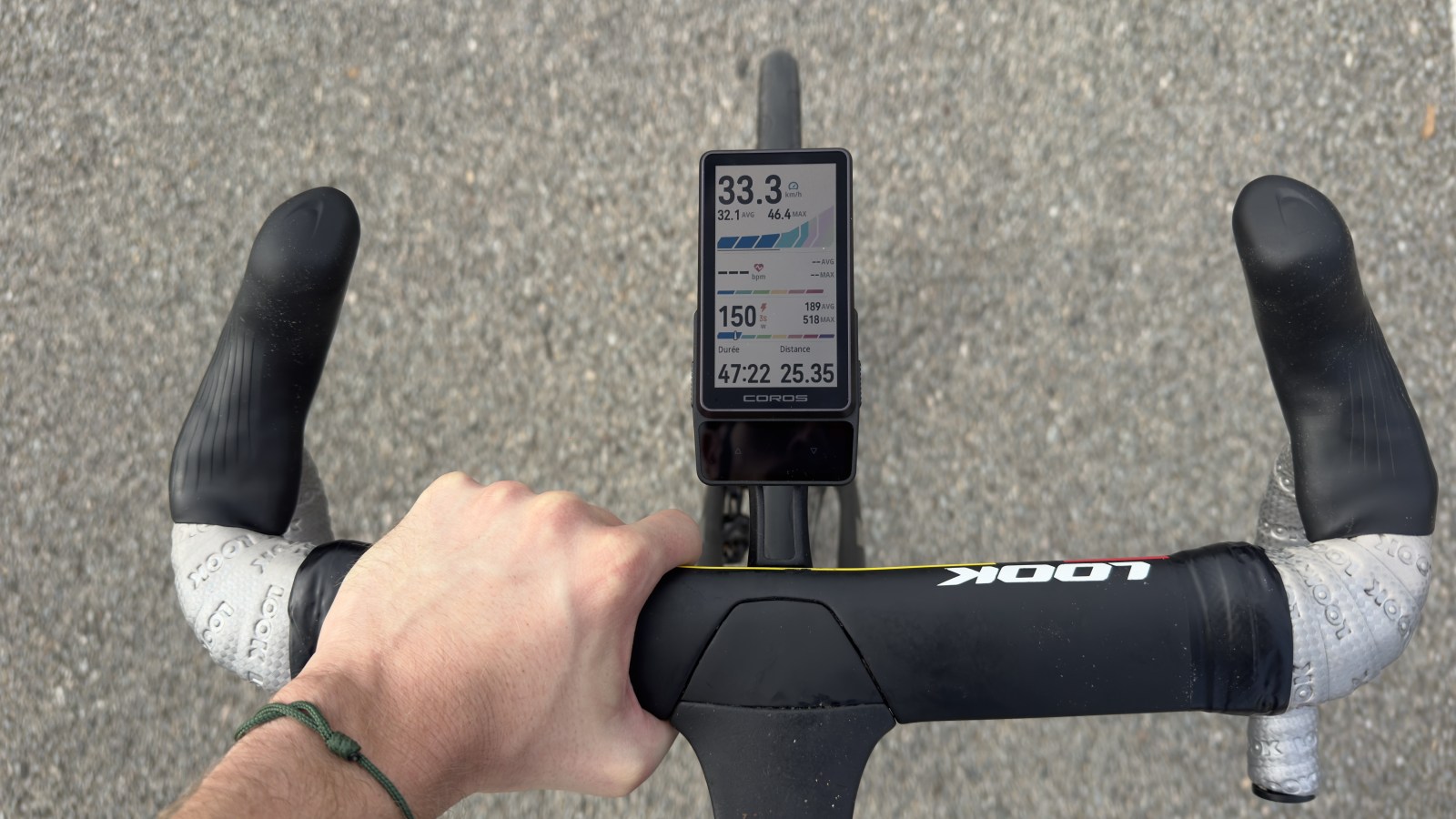
The Coros Dura 2 Solar marks a significant departure in design philosophy from its utilitarian predecessor, embracing a more premium and aerodynamic aesthetic. Its profile, described by Coros as "ultra-thin," measures a mere 5.7 mm for the screen section, creating a sleek visual impression. The device incorporates elevated materials, including a T700 carbon fiber sheet on its rear face and an aluminum frame, which contribute to a heightened sense of quality and durability. This material upgrade is a deliberate move by Coros to position the Dura 2 Solar alongside high-end competitors such as the Garmin Edge 850 in terms of perceived build quality and style.

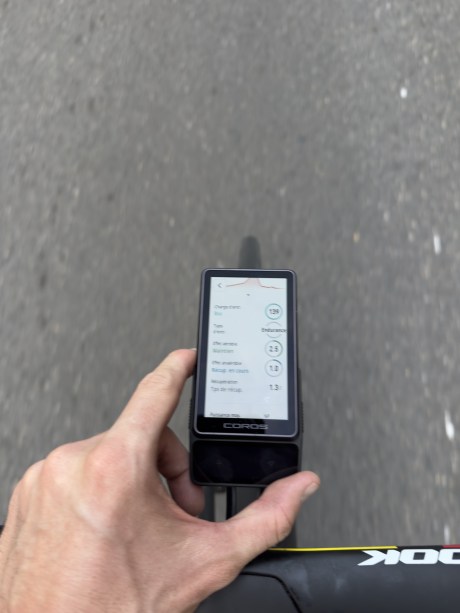
Despite the slender screen, the overall thickness of the unit, measured at the handlebar mount, reaches 17 mm, making it marginally thicker than the first-generation Dura (15.7 mm). However, the device sheds a few grams, weighing in at 99 grams compared to its predecessor’s 102 grams. The front fascia now features two glossy black haptic buttons, replacing the physical scroll wheel that was a defining characteristic of the original Dura. While these haptic buttons contribute to the cleaner, more modern aesthetic, some early feedback suggests they may lack the tactile responsiveness and ease of use of a physical wheel, particularly when navigating menus or data screens during a ride. The Dura 2 Solar maintains compatibility with standard Garmin quarter-turn mounts, ensuring broad accessory compatibility for existing users. The unit’s unique design, characterized by a thicker base for components and a very thin screen, means it does not lie flat on a surface, a minor but noteworthy ergonomic detail.
Display Technology: Bridging Legibility and Efficiency

At the heart of the Coros Dura 2 Solar’s user experience is its 3.5-inch MIP (Memory-in-Pixel) transflective display, a notable upgrade from the Dura 1’s 2.7-inch screen. Coros’s continued reliance on MIP technology underscores its commitment to maximizing battery efficiency and ensuring exceptional readability in diverse lighting conditions, especially bright sunlight. This technology leverages ambient light to illuminate the display, making it inherently power-efficient and highly legible outdoors, without the need for a constantly active backlight.
While the MIP display offers improved contrasts and a responsive touch interface compared to its predecessor, it deliberately eschews the vibrant, high-resolution visuals of LCD screens found in some premium competitors, such as the Garmin Edge 850. This choice represents a strategic trade-off: prioritize unparalleled battery life and outdoor visibility over the "wow factor" of a richly colored, high-density display. The Dura 2 Solar does, however, incorporate an adaptive backlight, ensuring visibility in low-light conditions or during night rides. The expanded screen real estate slightly enhances navigation comfort, though some reviewers still find the overall display size somewhat limiting for intricate map details.

Software Ecosystem: Smartphone Integration as a Core Philosophy
The software interface of the Coros Dura 2 Solar is designed with simplicity and directness in mind, offering a focused on-device experience complemented by extensive smartphone integration. The main menu provides quick access to predefined activity profiles, including road cycling, home-trainer, gravel, mountain biking (MTB), E-Bike, and eMTB, each tailored to specific riding disciplines. Sub-menus facilitate access to navigation, training sessions, a training calendar, fitness tests, activity history, notifications, battery usage, and general settings. During an activity, a quick button press allows for pausing, ending, accessing navigation, or selecting training sessions, ensuring essential functions are always at hand.

However, the depth of customization and advanced configuration largely resides within the Coros smartphone application. Users must utilize the app to personalize data fields, structure training workouts, or create new routes. This smartphone-centric approach, while streamlining the device’s on-board interface, can be a point of friction for users who prefer making quick, on-the-fly adjustments to data fields or initiating navigation to a specific point on a map without retrieving their phone. A significant software enhancement in the Dura 2 Solar is its ability to recalculate routes offline, provided that regional maps have been pre-downloaded via the Coros app.
The Dura 2 Solar also introduces voice command functionality, activated by a long press of the left-side button. Currently, this feature allows users to trigger automatic pause, send messages to activity groups, or initiate training programs. Coros has indicated that voice-activated destination search will be implemented in a future update. Early assessments suggest that while the voice command is a novel addition, its practical utility for all users, particularly those familiar with their routes or disinclined to use voice assistants, may vary. The device also offers convenient media controls, allowing users to manage smartphone music playback (skip tracks, pause, adjust volume) directly from the computer, a practical feature for those who ride with headphones in appropriate environments.
Precision and Performance Data for the Demanding Cyclist
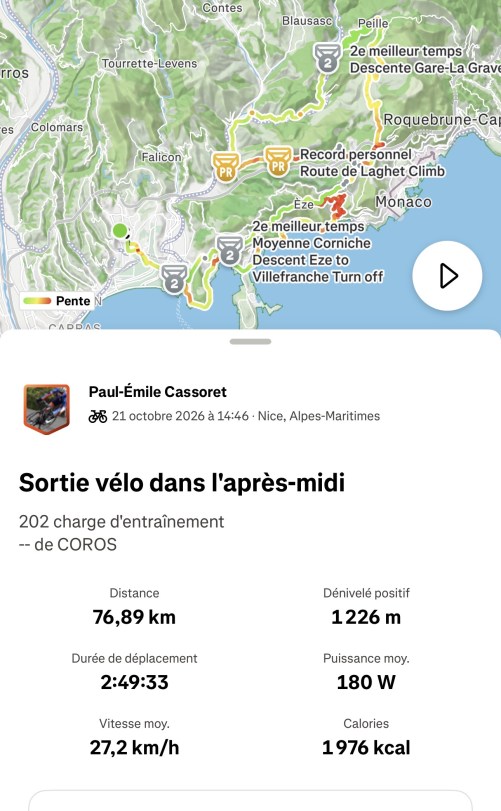
The Coros Dura 2 Solar is engineered to meet the data demands of serious cyclists and competitors, offering a comprehensive suite of performance metrics and robust tracking capabilities. It supports a full array of global navigation satellite systems (GNSS), including GPS, GLONASS, Galileo, BeiDou, and QZSS. Crucially, it incorporates dual-frequency L1 + L5 GNSS, a technology that significantly enhances positioning accuracy, particularly in challenging environments such as urban canyons, dense forests, or mountainous terrain. This ensures highly reliable tracking of cycling activities. While maintaining high accuracy, the device, like many others, may experience temporary signal loss in specific enclosed areas, such as tunnels.
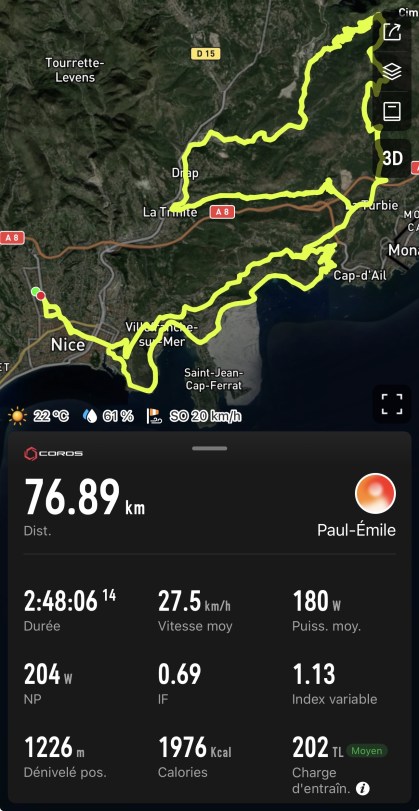
The enlarged screen slightly improves the visibility of GPS guidance, which now includes turn-by-turn directions, itinerary following, and the aforementioned offline route recalculation. The device also claims to offer climb tracking even without a pre-loaded route, though some initial tests found this feature challenging to activate. Data consistency across platforms remains a common industry challenge; minor discrepancies in normalized power and average speed are observed between the detailed Coros app analytics and third-party platforms like Strava, though overall distance tracking appears consistent.
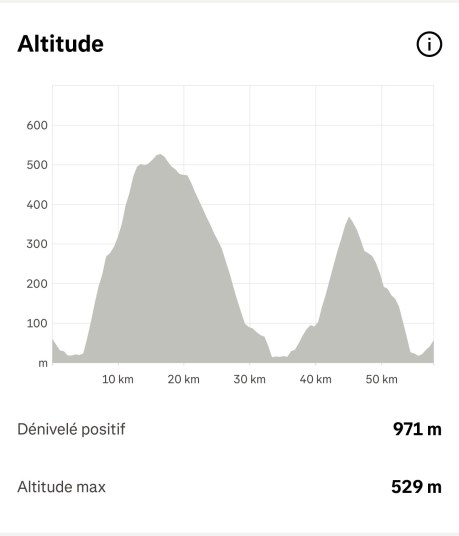
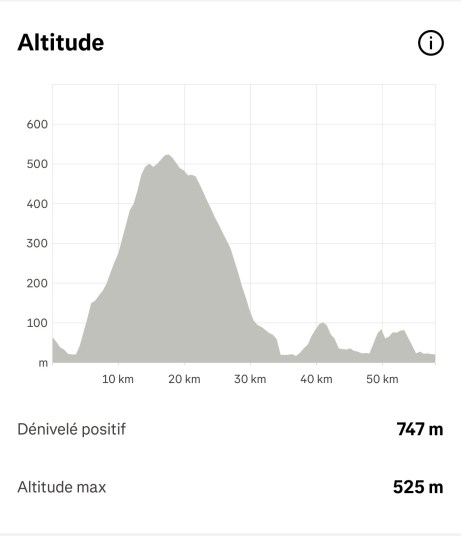
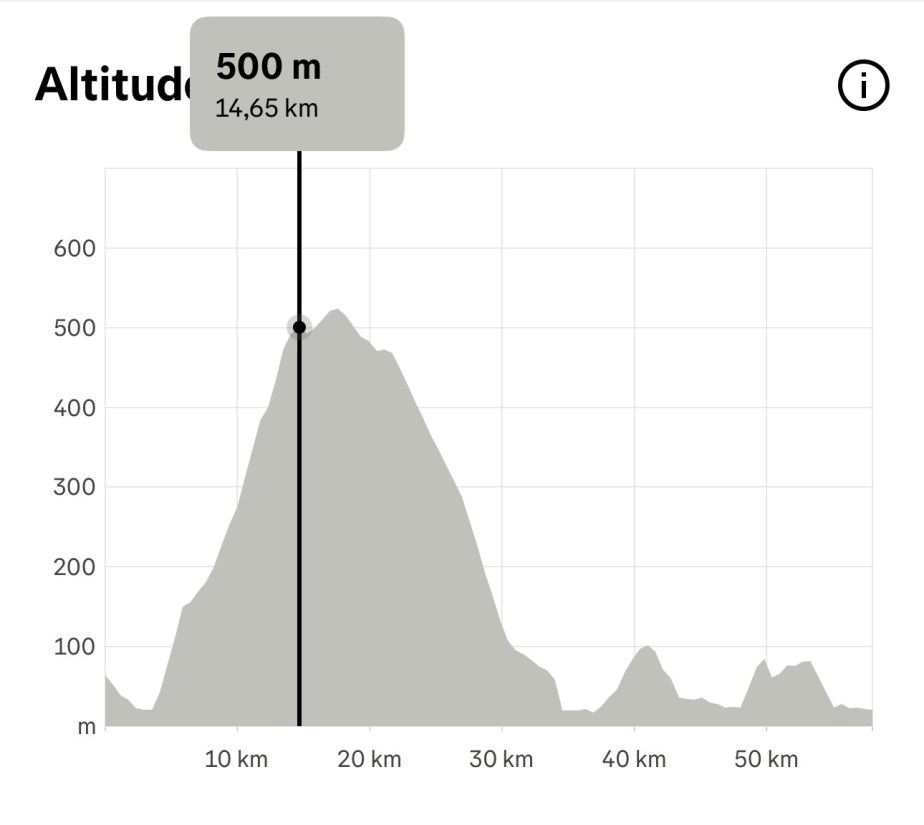
Elevation data, critical for cyclists tackling varied terrain, is reliably measured by the Dura 2 Solar through its integrated barometric altimeter. This system accurately tracks positive and negative elevation gains, providing data that generally aligns with real-world topography. Minor variations with official signage at mountain passes are noted, a common occurrence given potential inconsistencies in official data sources. For instance, the device accurately recorded the summit of Col d’Èze at 500 meters, matching local signage.
Cyclists can deeply personalize their data screens via the smartphone app, displaying up to nine data fields per screen. This flexibility allows riders to prioritize information such as power output, heart rate, cadence, speed, distance, altitude, and gradient. Different pages can be configured for varying ride phases, such as climbing or flat sections. The display uses color-coding for intensity zones (power and heart rate), providing quick visual cues on effort levels. Beyond instantaneous values, the device can show averages and maximums, especially useful for power metrics and post-ride analysis. The comprehensive post-ride summary provides insights into time spent in zones, training load, kilojoules expended, aerobic and anaerobic effects, normalized power, and energy consumption, including solar energy recuperated.
Seamless Connectivity and Rapid Data Synchronization
Connectivity is a strong suit of the Coros Dura 2 Solar, supporting both ANT+ and Bluetooth protocols. This dual compatibility ensures broad interoperability with a vast ecosystem of cycling sensors and accessories. The device can simultaneously connect with up to 15 sensors, accommodating a wide range of setups, including heart rate monitors, power meters, speed and cadence sensors, smart home trainers, rear radars (e.g., Garmin Varia), and electronic shifting systems from Shimano and SRAM. This generous sensor capacity is particularly beneficial for cyclists owning multiple bikes, each potentially equipped with different power meters or other peripherals, eliminating the need for frequent re-pairing.
The speed and stability of sensor pairing are commendable; the device establishes connections almost instantaneously upon power-up, allowing riders to commence their activities without delay. Furthermore, data synchronization with the Coros application is exceptionally swift. Upon completing a ride, data is transferred to the app almost immediately, and if linked to third-party platforms like Strava, the activity is often available for analysis and sharing within moments of dismounting the bike. This seamless and rapid data flow significantly enhances the overall user experience, catering to the modern cyclist’s expectation for instant feedback and social sharing.
Unrivaled Autonomy: The Solar Charging Paradigm
The standout feature that most distinctly differentiates the Coros Dura 2 Solar from its competitors, and a direct inheritance from its predecessor, is its exceptional battery autonomy augmented by solar charging. Coros claims the Dura 2 Solar can achieve up to 120 hours of operation, or approximately 70 hours when utilizing the more power-intensive dual-frequency GPS. These figures are already impressive on their own, but the integrated solar panel significantly extends these durations under favorable conditions.

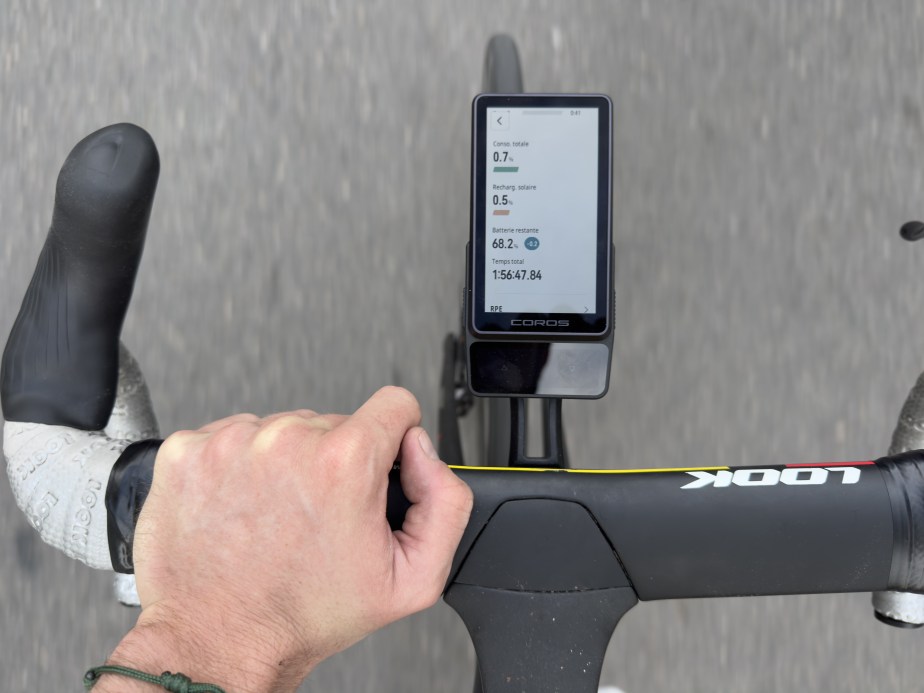
Coros states that the solar panel can generate up to two hours of additional autonomy for every hour of direct sunlight exposure (measured at 75,000 lux, representing full sun). While actual gains vary based on geographical location, weather conditions, and ride duration, real-world testing validates this capability. During an autumn period, a 2.5-hour ride under cloudy skies resulted in a minimal battery drain of 2.9%. More remarkably, a two-hour ride on a moderately sunny October afternoon saw a net battery consumption of only 0.2%, after accounting for energy consumed versus energy recovered from solar charging.
This effective solar harvesting capability means that for many users, particularly those who frequently ride outdoors in sunny regions, recharging via the USB-C port becomes an infrequent necessity, potentially extending for weeks or even months. This "virtually limitless" autonomy is a significant advantage, particularly for ultra-endurance cyclists or those who simply prefer the convenience of not having to regularly worry about battery levels. It starkly contrasts with devices like the Garmin Edge 850, where its vibrant LCD screen, while visually appealing, necessitates more frequent charging. The Dura 2 Solar’s autonomy proposition remains unrivaled, offering unparalleled peace of mind for long excursions.
Market Dynamics and Pricing Strategy
The Coros Dura 2 Solar will be available for purchase starting November 3, 2026. Its pricing strategy marks a significant shift from Coros’s initial market entry. The device will retail for 499 euros for the unit alone, or 549 euros when bundled with the dedicated aluminum handlebar mount, which is also available separately for 79 euros. This pricing represents a near doubling compared to the original Coros Dura, which was launched at 289 euros.
This substantial price increase places the Dura 2 Solar directly in competition with well-established premium models from competitors. It finds itself vying for market share against devices like the Garmin Edge 840 Solar, which, despite being an older model, also offers solar charging and is now available at a more competitive price point. Furthermore, it competes with the Garmin Edge 850, known for its superior LCD display, albeit with a trade-off in battery life.
The Coros Dura 2 Solar’s higher price point raises questions about its value proposition, particularly when its core functionality and solar autonomy – its most compelling features – were already largely present in its significantly cheaper predecessor. While the Dura 2 Solar offers a more premium aesthetic, enhanced materials, and a larger screen, these improvements may not, for all users, justify a near 100% price hike. Coros appears to be shifting its market strategy from being a value-driven disruptor to a premium competitor, targeting cyclists who prioritize refined design and advanced features alongside enduring performance. This strategic pivot may alienate some users who were initially drawn to Coros for its blend of high performance and aggressive pricing, especially as the original Dura, which will gradually be phased out, remains a compelling and cost-effective alternative.
Broader Implications for the Cycling Technology Landscape
The Coros Dura 2 Solar emerges as a technically accomplished and aesthetically refined cycling GPS computer, successfully building upon Coros’s established reputation for exceptional battery life. It caters effectively to the needs of endurance cyclists and those who appreciate premium design and minimal charging routines. The larger screen, improved materials, and robust connectivity create a sophisticated user experience. However, its most significant challenge lies in the enduring legacy of its own predecessor, the original Coros Dura. The first Dura set a high bar for value, delivering groundbreaking autonomy and comprehensive features at a price point that made it accessible to a wide audience.

The Dura 2 Solar’s higher price, while reflecting an upgrade in materials and screen size, positions it in a different segment of the market. It is now a direct competitor to high-end Garmin devices, where the battle often hinges on subtle feature sets, display technologies, and brand loyalty. This move by Coros signals a broader trend in the cycling technology market, where brands are increasingly segmenting their offerings to cater to distinct consumer preferences: some prioritizing vibrant, data-rich displays, while others focus on pure endurance and convenience.
Ultimately, the Coros Dura 2 Solar is an excellent device for discerning cyclists who value a premium build, advanced features, and, above all, the peace of mind offered by its unparalleled solar-augmented autonomy. For those who prioritize these attributes and are willing to invest in a top-tier experience, the Dura 2 Solar is a strong contender. However, for users seeking the best value for essential functionality and long battery life, the soon-to-be-discontinued first-generation Coros Dura may, paradoxically, remain the more compelling choice. Coros’s strategic decision to elevate the Dura 2 Solar’s pricing and aesthetic, while retaining its core strengths, creates a complex value proposition that will undoubtedly shape its reception in the competitive cycling computer market.