George Chandra Eka
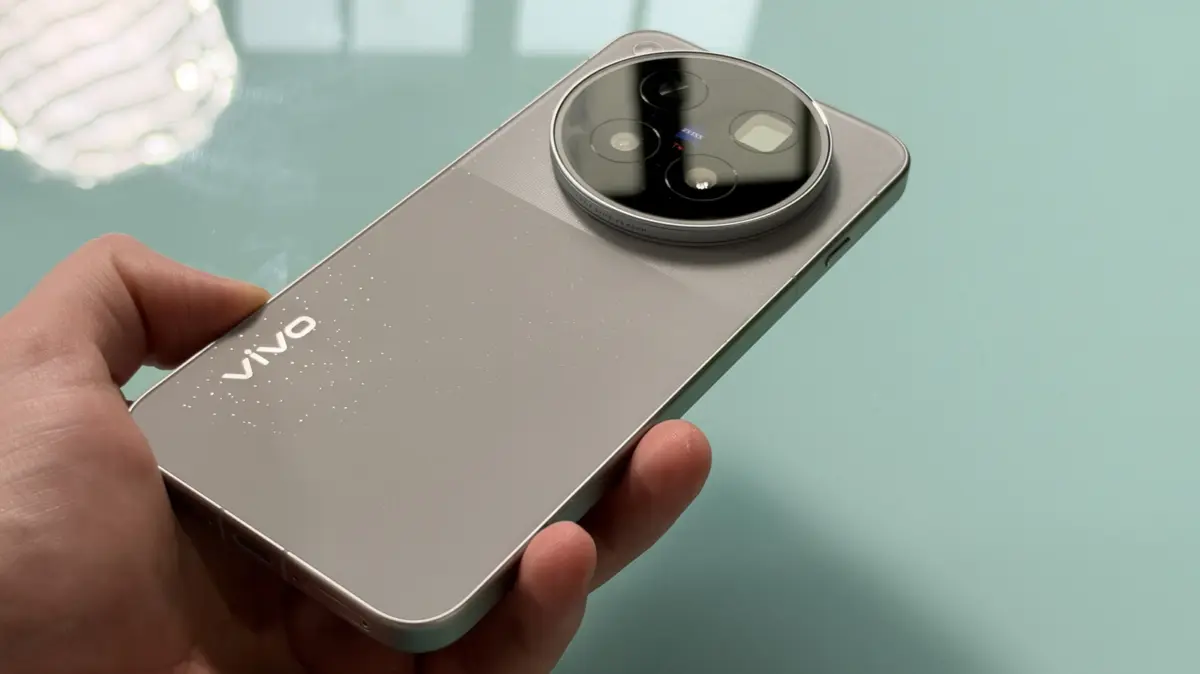
Vivo, a prominent player among China’s rapidly innovating smartphone manufacturers, has officially unveiled its latest flagship, the X500 Pro Max. Positioned to challenge rivals such as Oppo and Xiaomi in the premium segment, the device places an emphatic focus on advanced camera capabilities, particularly in videography, while also introducing substantial hardware upgrades. This launch signifies Vivo’s continued commitment to carving out a niche in a highly competitive market, distinguishing itself through specialized imaging technologies and strategic partnerships.
A New Standard in Mobile Imaging: The X500 Pro Max’s Camera Arsenal
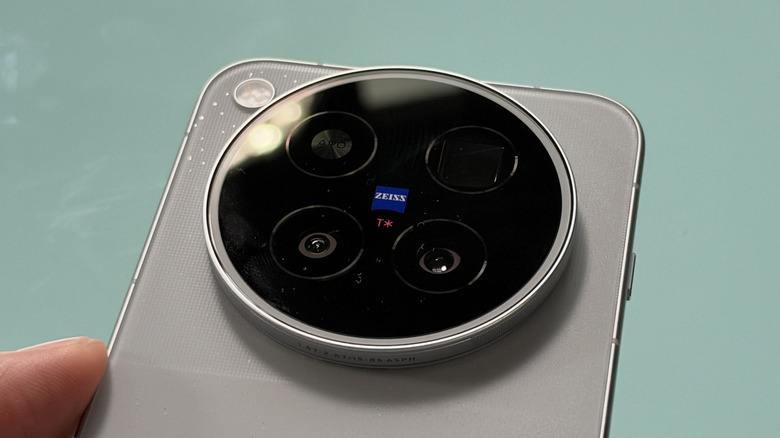
The X500 Pro Max arrives with a formidable camera array designed to appeal to both photography enthusiasts and professional videographers. At its core is a new 50-megapixel Sony Lytia 1/1.28-inch sensor boasting an f/1.6 aperture. This sensor is notable for its LOFIC (Lateral Overflow Integration Capacitor) technology, which enables an impressive 17 stops of dynamic range. This high dynamic range is achieved by incorporating extra capacitors into each pixel, designed to capture and store overflow light charge, thereby preserving detail in both extreme highlights and deep shadows. This approach offers a distinct technological pathway compared to Oppo’s DeepPix, which reconfigures existing pixel setups using FDTI (Front Deep Trench Isolation) to enhance capacity.
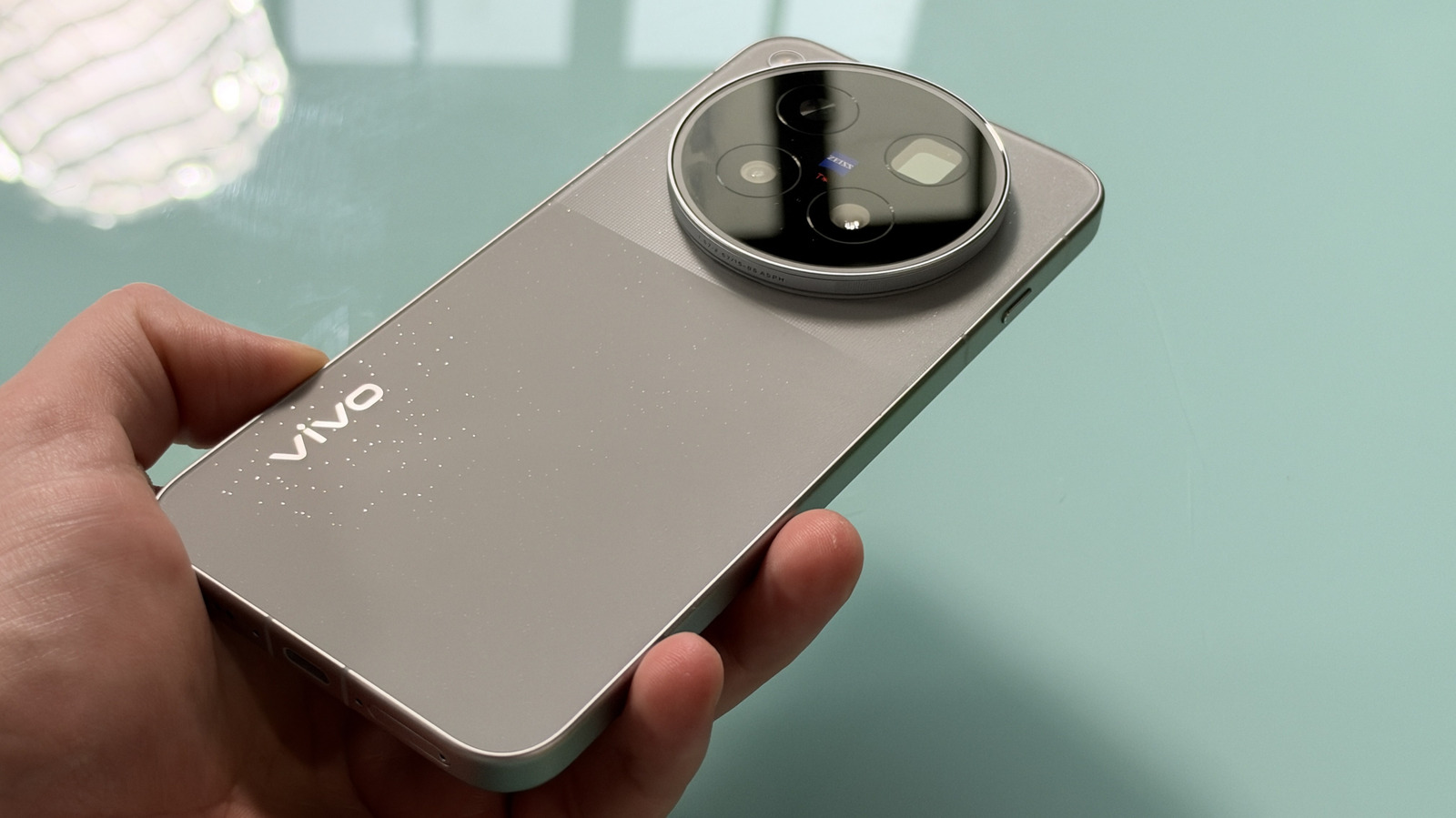
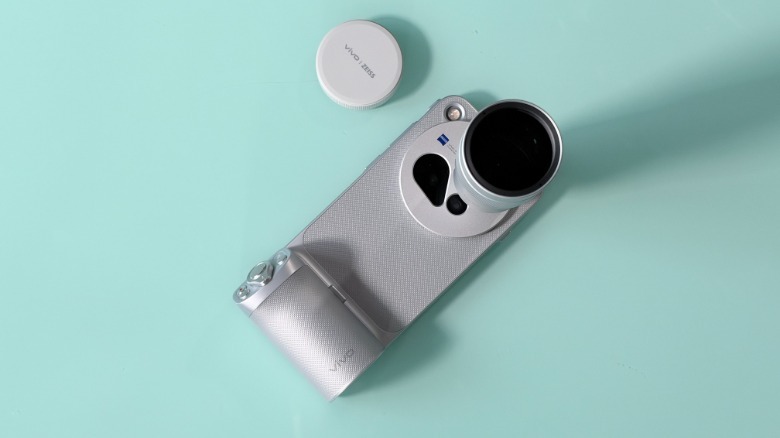
Complementing the main sensor is a 50MP ultra-wide camera, featuring a 1/1.75-inch sensor, offering expansive landscape and architectural shots. For long-range capture, Vivo has integrated a high-resolution 200MP 1/1.4-inch telephoto sensor, providing up to 10x lossless magnification. This telephoto prowess is further augmented by a partnership with legendary German optics firm Zeiss, allowing for the use of attachable teleconverter lenses. The Gen 2 Telephoto Extender offers 2.35x magnification, while the Gen 2 Ultra pushes optical zoom to 4.7x, building upon the native 200MP periscope telephoto sensor.
Gimbal-Grade Stabilization and Professional Videography Features
One of the X500 Pro Max’s most compelling features is its advanced image stabilization system, a hallmark of Vivo’s X series. The main sensor benefits from three-degree gimbal-grade stabilization, a hardware-based solution that physically compensates for a wider range of motion than conventional OIS. This technology is particularly effective in smoothing out footage during active shooting scenarios, such as walking or panning, delivering video that rivals dedicated gimbal setups. In practical tests, this system has been observed to produce remarkably smooth, judder-free video, even in challenging low-light conditions where other cameras often struggle with focus pulsing.
The telephoto camera also features robust stabilization, with CIPA 7-rated Optical Image Stabilization (OIS). While distinct from the main sensor’s gimbal system, this rating signifies a high level of anti-shake effectiveness, crucial for maintaining sharpness during long-zoom shots and in dimly lit environments where even minute hand tremors can degrade image quality. The CIPA 7.0 rating measures the final anti-shake effectiveness in terms of exposure time, optimizing for scenarios where stability is paramount for precise capture.
For professional users, the X500 Pro Max introduces a comprehensive "Pro Video Mode." This mode supports custom LUTs (Look-Up Tables) with real-time previews, allowing videographers to apply specific color grades and stylistic looks directly on the device. Furthermore, Vivo’s log format integrates with the ACES (Academy Color Encoding System) workflow, a global standard for color management in professional film and television production. This inclusion positions the X500 Pro Max as a serious tool for content creators seeking seamless integration into professional post-production pipelines. The device supports 4K recording at up to 240 frames per second, a significant leap from the X300 Ultra’s 120 fps cap, enabled by its upgraded processor. However, it notably lacks an open-gate recording option, a feature present on Oppo’s competing Find X10 Pro Max, which allows for recording the full sensor area for greater flexibility in cropping.
Design, Performance, and Power
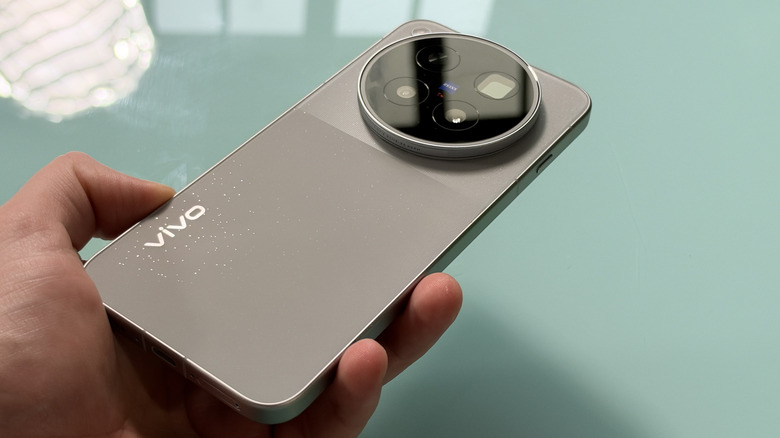
Beyond its photographic prowess, the Vivo X500 Pro Max showcases a refined hardware design and substantial performance upgrades. Aesthetically, it maintains the sleek lines characteristic of recent Vivo flagships, though it introduces a subtle dot-matrix effect on the rear glass panel, offering a dynamic interplay with light.
Under the hood, the X500 Pro Max is powered by MediaTek’s new Dimensity 9600 Pro 2nm processor. This cutting-edge chipset promises significant improvements in computational photography, AI processing, and overall system performance, ensuring smooth multitasking and demanding gaming experiences. The 2nm fabrication process contributes to enhanced power efficiency, extending battery life.
One of the most notable hardware enhancements is the massive 7,800mAh battery, a significant increase from the X300 Ultra’s 6,600mAh capacity. This substantial battery is designed to support extended periods of high-intensity use, such as 4K video recording or mobile gaming, without frequent recharging. When power runs low, the device supports high-wattage charging up to 90W with Vivo’s proprietary charger, enabling rapid replenishment. Furthermore, the X500 Pro Max incorporates bypass charging, a feature that allows the phone to draw power directly from the charger to run the device during intensive tasks, circumventing the battery and reducing heat buildup, thus prolonging battery longevity.
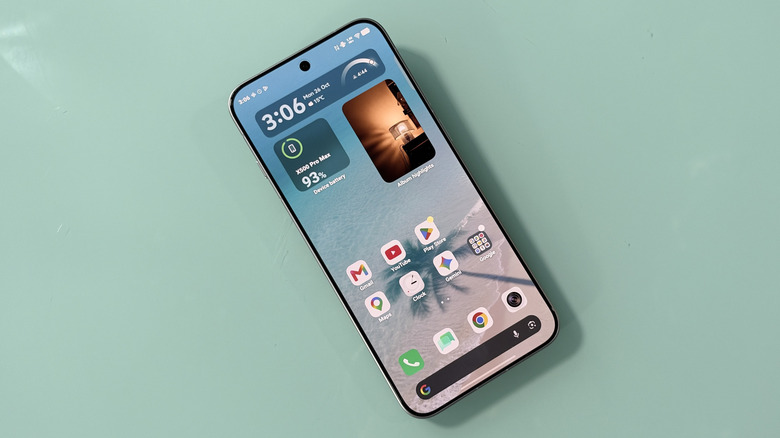
The visual experience is delivered through a slightly larger 6.85-inch display, a marginal increase over the X300 Ultra’s 6.82-inch screen, both sharing an identical 1,440 x 3,168 resolution. This AMOLED panel offers up to a 144Hz refresh rate for incredibly fluid visuals, supports Dolby Vision and HDR10+ for vibrant color reproduction and enhanced contrast, and boasts a staggering peak brightness of up to 4,500 nits, ensuring excellent visibility even in direct sunlight.
Durability is also a key consideration, with the X500 Pro Max featuring dual ingress protection ratings: IP68 and IP69. The IP68 rating signifies resistance to dust and submersion in water up to 1.5 meters for 30 minutes, a standard for many premium smartphones. The additional IP69 rating indicates resistance to high-pressure, high-temperature water jets, offering an extra layer of protection against environmental elements.
Software Experience and Market Strategy: Navigating Challenges
While Vivo excels in hardware innovation, the software experience on the X500 Pro Max, powered by its custom Origin OS 7 skin, presents a mixed bag. The operating system is characterized by frequent, unsolicited tips explaining basic gestures and features, which can be intrusive. More significantly, the software is laden with Vivo’s proprietary "V-App Store," which aggressively promotes its own versions of popular applications like Netflix and WhatsApp. This store is also noted for being cluttered with pop-up advertisements, including those for AI tools like ChatGPT. Users often find themselves needing to uninstall preinstalled apps and reinstall them via the Google Play Store to mitigate these issues. The V-App Store, unfortunately, cannot be fully removed, contributing to an overall sense of software clutter and a less streamlined user experience compared to some competitors. This aspect remains a critical area for improvement for Vivo as it seeks to broaden its global appeal.
In terms of market strategy, the X500 Pro Max follows a similar global launch pattern to its predecessor, the X300 Ultra, and mirrors the approach of rivals like Oppo’s Find X10 Pro Max. While Vivo describes it as a global launch, availability is concentrated in specific regions, including Spain, Brazil, India, Austria, Italy, Singapore, and Hong Kong. Notably, the United States and United Kingdom markets are excluded from the initial rollout, a common trend for several Chinese smartphone brands facing unique regulatory and competitive landscapes in these regions. Pricing details are expected to be announced at official launch events, which are ongoing.
Competitive Landscape and Broader Implications
The launch of the Vivo X500 Pro Max intensifies the already fierce competition among Chinese smartphone manufacturers, particularly in the premium, camera-centric segment. Vivo’s direct comparison with Oppo’s Find X10 Pro Max underscores a strategic rivalry, where both companies are pushing the boundaries of mobile imaging through distinct technological pathways for dynamic range and stabilization. Xiaomi, another major player, also heavily invests in camera technology, creating a triumvirate of innovation driving advancements in the sector.
Vivo’s decision to heavily invest in videography features, such as custom LUTs and ACES workflow support, indicates a strategic move to capture the growing market of professional content creators who rely on smartphones for their work. The integration of Zeiss lenses, while not new, reinforces the brand’s commitment to delivering a high-quality optical experience. However, the persistent issues with computational photography, such as "AI interference" leading to overly processed or unrealistic images, particularly with telephoto attachments, highlight a challenge that many manufacturers are still grappling with. The balance between computational enhancement and photographic realism remains a critical frontier.
The X500 Pro Max represents a significant iteration for Vivo, demonstrating a clear progression from models like the X300 Pro and even surpassing the X300 Ultra in several key areas. Its aggressive specifications, from the powerful Dimensity 9600 Pro processor and massive battery to the cutting-edge camera sensors and stabilization systems, position it as a strong contender in the high-end Android market. However, the software experience remains a potential impediment to broader user adoption, particularly in regions accustomed to cleaner, less intrusive operating systems.
Ultimately, the Vivo X500 Pro Max is a testament to the rapid pace of innovation in the smartphone industry. It reinforces the trend of smartphones evolving beyond mere communication devices into sophisticated professional tools, particularly for imaging. Vivo’s strategy of combining niche, high-performance camera features with robust hardware aims to appeal to a discerning segment of the market, even as it navigates the complexities of global distribution and software refinement. Its success will depend not only on its technical merits but also on its ability to offer a cohesive and intuitive user experience that justifies its premium positioning.