Chandra Wibowo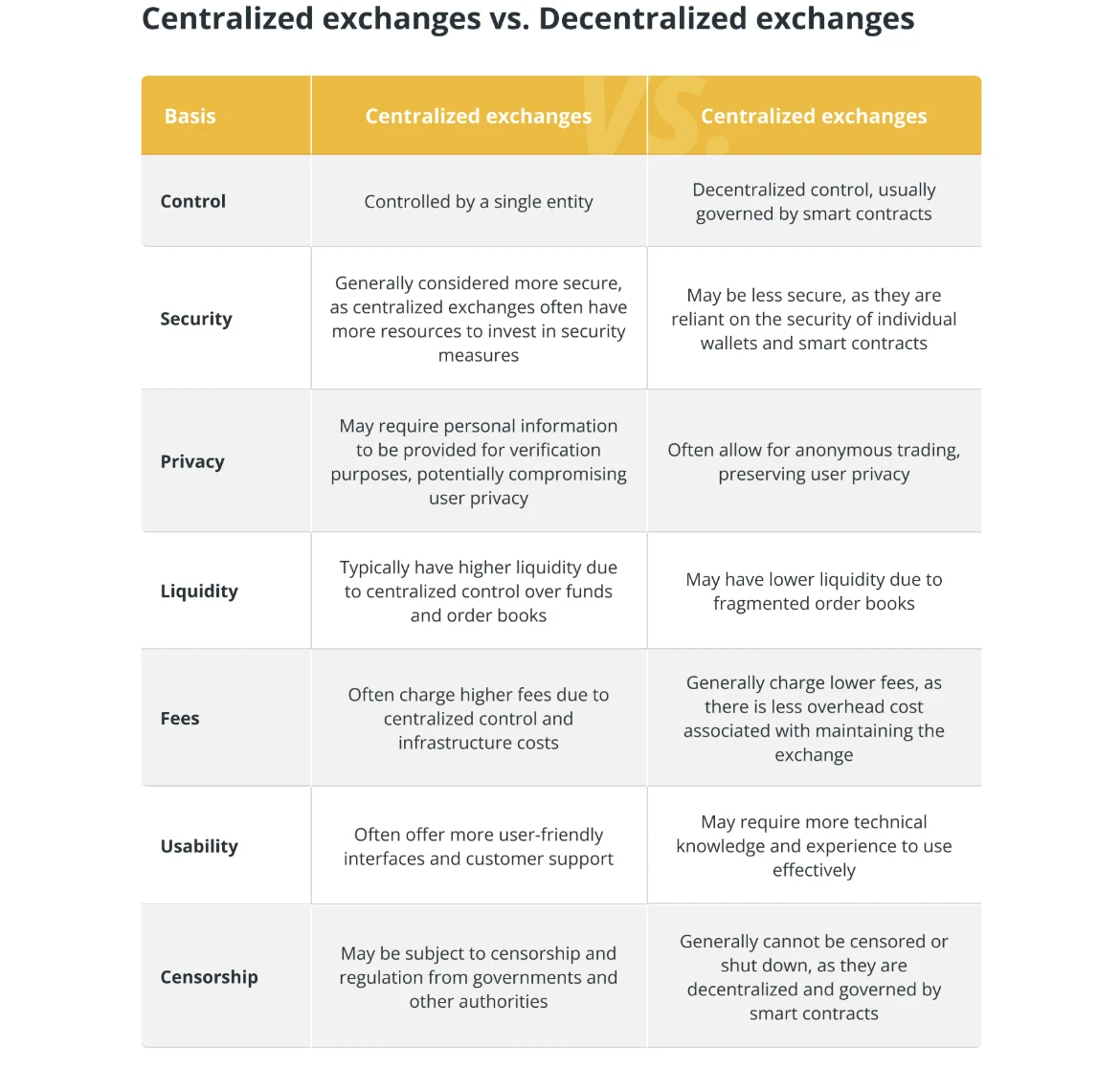
Fidelity Investments has formally requested that the U.S. Securities and Exchange Commission (SEC) expedite the development of a robust regulatory framework governing how broker-dealers can offer, custody, and trade crypto assets on Alternative Trading Systems (ATS). This significant recommendation was conveyed in a letter submitted to the SEC on Friday, marking a proactive stance from one of the nation’s largest asset managers in shaping the future of digital asset markets. The submission was a direct response to a call for public comments issued earlier this month by the SEC’s Crypto Task Force, which aims to address the evolving landscape of digital assets and their integration into traditional financial systems.
The impetus behind Fidelity’s plea stems from the burgeoning complexity and diversity of tokenized securities. These digital representations of traditional assets, such as stocks, bonds, and real estate, present unique challenges for regulators accustomed to established financial instruments. Fidelity articulated in its letter that a comprehensive regulatory blueprint is not merely beneficial but "critical" for fostering investor confidence and ensuring market integrity. The company stressed the need for clear "rules of the road" that would provide clarity for market participants engaging in the trading of tokenized securities, particularly those issued by third parties.
The nuances of tokenization were highlighted by Fidelity as a key reason for regulatory urgency. The letter detailed how tokenized instruments possess varied issuance structures, distinct legal classifications, and disparate valuation models. This inherent variability means that a one-size-fits-all regulatory approach is unlikely to be effective. For instance, tokenized real-world assets (RWAs) can encompass a wide spectrum of underlying asset classes, ranging from equities and real estate to bonds and private credit. Each of these asset types carries its own set of regulatory considerations, which are further complicated when represented as digital tokens.
Fidelity elaborated on the diverse nature of tokenization models, explaining that the rights afforded to token holders can differ significantly. In some scenarios, a crypto asset might represent an indirect interest in an underlying security through a securities entitlement. In others, the crypto asset could function as a securities-based swap, a financial derivative instrument that is typically restricted to eligible contract participants due to its inherent risks. This heterogeneity underscores the need for granular regulatory guidance that can distinguish between these different forms of tokenized assets and their associated risks.

Bridging the Gap Between Centralized and Decentralized Trading
Beyond the specifics of tokenized securities, Fidelity also called upon the SEC to address the regulatory disparities between centralized and decentralized trading systems. Roberto Braceras, Fidelity’s General Counsel, penned the recommendation, emphasizing the importance of considering how both intermediated (centralized) and disintermediated (decentralized) trading venues can evolve and coexist within a cohesive regulatory framework. This suggests an acknowledgment of the growing influence and potential of decentralized finance (DeFi) and other peer-to-peer trading platforms.
A significant hurdle identified by Fidelity in integrating decentralized systems into existing regulatory structures is the inherent difficulty in applying traditional reporting requirements. DeFi platforms and other disintermediated systems often lack a central authority, making it challenging, if not impossible, to generate the detailed financial reports that the SEC typically mandates from regulated entities. Fidelity proposed that existing reporting rules need to be overhauled to accommodate this technological reality, thereby removing what it termed "undue burden" from these emerging systems. This suggests a pragmatic approach, recognizing that rigid adherence to old rules could stifle innovation in new technological paradigms.
Leveraging Distributed Ledger Technology for Recordkeeping
In a move that signals a forward-thinking perspective, Fidelity recommended that the SEC issue guidance permitting broker-dealers to utilize distributed ledger technology (DLT) for their ATS and other recordkeeping functions. This proposal aligns with the underlying technology that powers many crypto assets and could offer significant benefits in terms of transparency, security, and efficiency. By embracing DLT for recordkeeping, financial institutions could potentially streamline operations, enhance data integrity, and improve audit trails, all while operating within a regulatory-approved environment.
Historical Context and SEC’s Evolving Stance
The SEC’s engagement with digital assets has been a gradual and often cautious process. For years, the commission has grappled with classifying various crypto assets and determining the extent of its regulatory purview. However, under the leadership of Chairman Paul Atkins, the SEC has repeatedly signaled a growing openness to innovation in capital markets. This has manifested in support for 24/7 capital markets and, crucially, in granting regulatory approval for financial companies to experiment with tokenized trading. For example, the SEC previously approved Nasdaq’s pilot program for tokenized trading, indicating a willingness to explore new avenues for market participation.
The regulatory landscape surrounding tokenized securities has also seen recent developments from other U.S. financial agencies. In March, a joint policy statement was published by the Federal Reserve, the Federal Deposit Insurance Corporation (FDIC), and the Office of the Comptroller of the Currency (OCC). This statement clarified that tokenized securities are subject to the same banking capital requirements as the underlying assets they represent. The agencies explicitly stated that "The technologies used to issue and transact in a security do not generally impact its capital treatment." This unified stance from key financial regulators reinforces the principle that the fundamental nature of an asset, rather than its technological wrapper, dictates its regulatory treatment concerning capital adequacy.

Analysis of Implications
Fidelity’s letter carries significant weight due to the firm’s substantial presence in the financial services industry. As the third-largest asset manager in the U.S., its recommendations carry considerable influence and suggest a strong institutional appetite for engaging with digital assets under a clear and predictable regulatory environment.
The core implication of Fidelity’s submission is the call for regulatory clarity and adaptation. By urging the SEC to develop a comprehensive framework, Fidelity is signaling that the current regulatory uncertainty poses a barrier to innovation and wider adoption of crypto assets and tokenized securities. The firm’s focus on ATS suggests a desire to integrate digital asset trading into existing market structures, rather than operating in a completely separate, nascent ecosystem.
Furthermore, Fidelity’s emphasis on bridging the gap between centralized and decentralized trading acknowledges the reality of a bifurcated market. The proposals for adapting reporting rules for DeFi and allowing DLT for recordkeeping indicate a pragmatic approach to regulation, one that seeks to accommodate technological advancements rather than stifle them. This could pave the way for more inclusive regulatory oversight, allowing both traditional financial institutions and newer decentralized platforms to operate with greater certainty.
The SEC’s response to Fidelity’s letter, and its ongoing work within the Crypto Task Force, will be closely watched by the entire financial industry. The commission’s ability to craft a balanced regulatory approach that fosters innovation while safeguarding investors and market integrity will be a defining factor in the future of digital asset markets in the United States. Fidelity’s proactive engagement underscores the critical need for regulators to keep pace with technological evolution and to provide the necessary guidance for the responsible development of these transformative financial instruments. The firm’s stance suggests that the path forward involves not just understanding crypto assets but actively shaping the regulatory environment that will govern their integration into mainstream finance.