admin
admin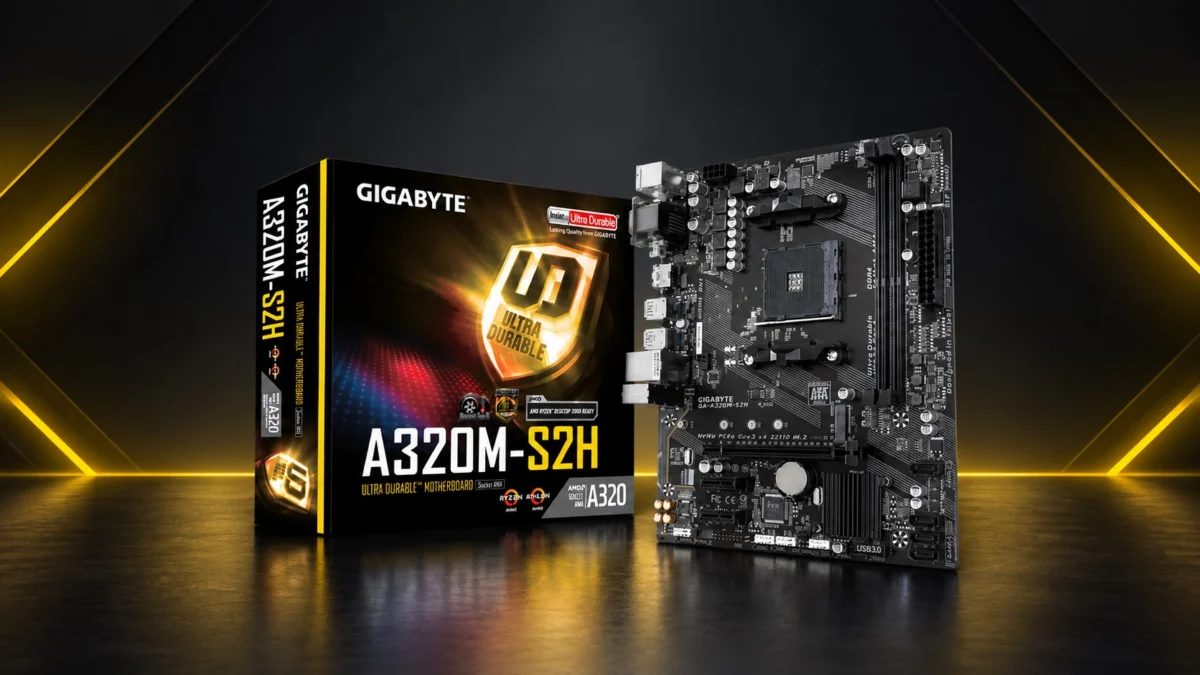
The technology landscape is often defined by rapid obsolescence, yet the AMD AM4 platform continues to defy industry norms through persistent manufacturer support and a steady stream of firmware updates. In a notable development for the budget hardware community, ASUS has released a critical BIOS update for the PRIME A320M-A, an entry-level motherboard that has remained in active service for nearly nine years. This update, identified as BIOS version 6265, integrates AMD’s latest AGESA (AMD Generic Encapsulated Software Architecture) firmware, specifically ComboV2 PI 1.2.0.12. This release is not merely a routine maintenance patch; it represents a significant security and stability milestone for a chipset that was originally launched during the early days of the Ryzen revolution. By providing these updates, ASUS and AMD are extending the functional lifespan of millions of legacy systems, ensuring they remain compatible with modern security standards and the latest budget-tier processors.
The PRIME A320M-A occupies a unique position in the history of the AM4 socket. When it was first introduced, the A320 chipset was positioned as the "essential" tier for users who required stability over performance-tuning features. Unlike its higher-end counterparts, the B350 and X370, the A320 chipset was designed with locked overclocking capabilities and a more modest set of I/O options. However, its simplicity has proven to be an asset for long-term reliability. The recent discovery of the version 6265 update by hardware enthusiasts highlights a broader trend where motherboard vendors are revisiting their back catalogs to address emerging security vulnerabilities. Specifically, this BIOS update is designed to mitigate fTPM (firmware Trusted Platform Module) vulnerabilities, documented under CVE-2026-6726 and CVE-2026-6727. These vulnerabilities, if left unpatched, could potentially allow unauthorized access to sensitive cryptographic keys or compromise the integrity of the boot process, making the update essential for users running modern operating systems like Windows 11.
A Chronology of AM4 Longevity
To understand the significance of this update, one must look at the timeline of the AM4 platform. Launched in late 2016 for OEM systems and in early 2017 for the general consumer market, AM4 was AMD’s ambitious attempt to unify its processor lineup under a single socket. At its inception, AMD promised support through 2020, a commitment that many industry observers viewed with skepticism given the frequent socket changes typical of the era.

By 2020, AMD had successfully supported four generations of Ryzen processors on the AM4 platform, including the Zen, Zen+, Zen 2, and Zen 3 architectures. However, rather than retiring the platform following the launch of the AM5 socket and DDR5 memory in 2022, AMD chose to maintain AM4 as a value-oriented alternative. In 2023 and 2024, AMD surprised the market by releasing new SKUs, such as the Ryzen 7 5700X3D and the Ryzen 5 5600GT, specifically designed to give older AM4 builds a performance boost. The release of BIOS updates in late 2026 for A320 motherboards indicates that the platform’s lifecycle has effectively doubled its original projected lifespan. This nine-year trajectory is unprecedented in the modern x86 desktop market, where platform transitions usually occur every two to three years.
Technical Specifications and the Role of AGESA PI 1.2.0.12
The core of this update lies in the AGESA ComboV2 PI 1.2.0.12 firmware. AGESA is a critical component of the BIOS that initializes the processor, memory, and chipset during the boot sequence. For the A320 chipset, keeping the AGESA code current is vital for maintaining compatibility with the latest microcode updates from AMD. While the A320 chipset is hardware-limited to PCIe 3.0 speeds and does not support the PCIe 4.0 or 5.0 standards found on newer platforms, the firmware update ensures that the communication between the CPU and the motherboard remains efficient and secure.
The mitigation of fTPM vulnerabilities is the primary highlight of the 6265 BIOS version. As more users have transitioned to Windows 11, which requires a TPM 2.0 module, the reliance on AMD’s firmware-based TPM solution has increased. Security researchers identified that certain implementations of fTPM were susceptible to memory-based exploits. By addressing these through the 1.2.0.12 firmware, ASUS ensures that even a decade-old motherboard can meet the stringent security requirements of contemporary enterprise and consumer software environments.
Market Context: The Budget Builder’s Sanctuary
The continued relevance of the A320 chipset is driven largely by the economic realities of the PC hardware market. While the AM5 platform offers superior performance through Zen 4 and Zen 5 architectures, the transition to AM5 requires a significant investment. Users must purchase not only a new motherboard and CPU but also DDR5 memory, which remains at a price premium compared to the mature DDR4 market.

For budget-conscious builders, students, and users in emerging markets, an A320 motherboard paired with a low-cost Ryzen 5000 series processor represents the most cost-effective path to a capable computing experience. A320 motherboards like the ASUS PRIME A320M-A are often available for a fraction of the cost of entry-level AM5 boards. When combined with the high availability of used DDR4 memory and affordable storage, the AM4 platform allows for the construction of a complete system for less than the price of a mid-range GPU alone.
Furthermore, AMD’s strategy of releasing "new" legacy chips, such as the Ryzen 5 5500F, reinforces this ecosystem. The 5500F provides a modern six-core architecture without the integrated graphics, lowering the price point even further. By ensuring that motherboards from 2017 can still house these 2024 and 2025 processor releases, AMD and its partners like ASUS have created a circular economy of hardware that reduces e-waste and maximizes the value of consumer purchases.
Cross-Vendor Support and Industry Response
While the ASUS update has garnered attention, it is part of a coordinated effort across the industry. Documentation shows that GIGABYTE has also released similar updates for its GA-A320M-S2H model, utilizing the same AGESA 1.2.0.12 microcode. This suggests that AMD is actively distributing these firmware packages to all its board partners, encouraging them to maintain their legacy product lines.
Industry analysts suggest that this continued support is a strategic maneuver to retain market share in the low-end segment, where Intel has traditionally been strong. By keeping AM4 alive, AMD prevents budget-conscious users from migrating to Intel’s LGA 1700 platform. Intel, recognizing this threat, has reportedly begun preparations for "Raptor Lake NEXT," a series of refreshed processors for the LGA 1700 socket designed to compete directly with AMD’s budget AM4 offerings. This "battle of the legacy sockets" is a win for consumers, as it forces both manufacturers to provide long-term software support and competitive pricing for entry-level components.

Implications for the Future of PC Hardware
The longevity of the ASUS PRIME A320M-A serves as a case study for the benefits of platform stability. In an era where environmental concerns and "right to repair" movements are gaining traction, the ability to use a motherboard for nearly a decade is a significant achievement. It challenges the "planned obsolescence" model and sets a high bar for future platforms like AM5 and Intel’s upcoming LGA 1851.
However, there are technical hurdles to this extended support. The BIOS chips on older motherboards often have limited storage capacity (frequently 16MB or 32MB). As AGESA code grows in size to accommodate more processor models and security patches, engineers must often make difficult choices, such as removing support for older Bristol Ridge APUs to make room for newer Ryzen microcode. The fact that ASUS has managed to squeeze the latest security mitigations into the A320M-A’s BIOS without sacrificing core functionality is a testament to the proficiency of their firmware engineering teams.
Conclusion
The rollout of BIOS version 6265 for the ASUS PRIME A320M-A is more than a simple patch; it is a reaffirmation of the AM4 platform’s enduring legacy. By addressing fTPM vulnerabilities and integrating the latest AGESA firmware, ASUS has ensured that one of the most affordable motherboards in history remains a viable, secure choice for users in 2026 and beyond. As the PC industry continues to balance the push for cutting-edge performance with the need for sustainable, affordable computing, the continued life of the A320 chipset stands as a remarkable example of how thoughtful platform design and consistent manufacturer support can benefit the global consumer base. Whether for a secondary home server, a student’s first PC, or an office workstation, the AM4 platform—bolstered by these latest updates—remains a cornerstone of the modern computing world.