Galang Taruna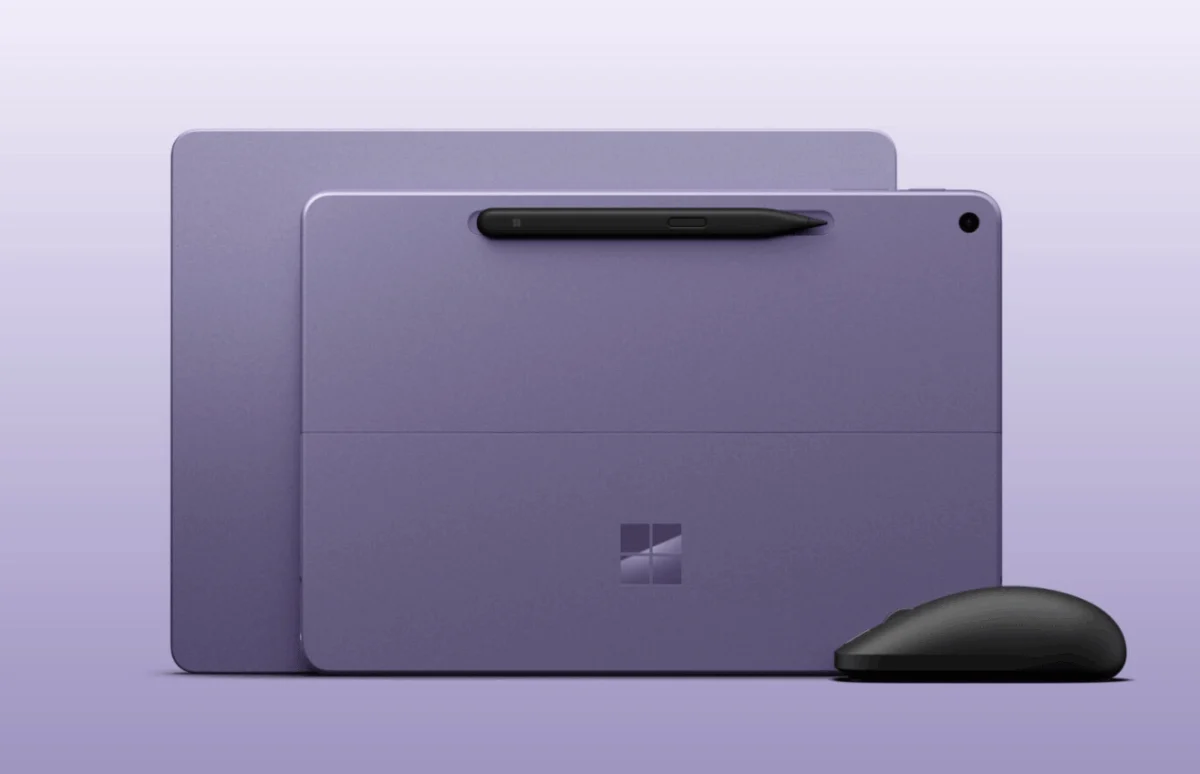
In a significant strategic pronouncement that redefines its hardware ambitions, Microsoft has confirmed it will not launch a low-cost Surface device designed to directly compete with Apple’s recently introduced MacBook Neo, which is priced at a highly competitive 799 euros in France. This decision signals a deliberate pivot towards the premium segment of the personal computer market, entrusting its long-standing original equipment manufacturer (OEM) partners with the responsibility of catering to the budget-conscious consumer segment. The announcement, made by Brett Ostrum, Corporate Vice President for Microsoft’s Surface and PC Products, underscores a calculated strategy to maintain brand positioning and foster a diverse Windows ecosystem rather than engaging in a direct price war at the entry level.
The Strategic Retreat: Why Microsoft Isn’t Chasing the Entry-Level
Brett Ostrum articulated Microsoft’s position in an interview with Windows Central published on September 26, conducted during Qualcomm’s annual Snapdragon Summit. Ostrum unequivocally stated that Microsoft is not preparing a portable PC to rival the MacBook Neo. This means that the most accessible Surface devices currently on offer begin at a significantly higher price point of 1,259 euros, creating a substantial gap of over 450 euros compared to Apple’s new entry.
Ostrum’s justification for this strategic choice draws a parallel with Microsoft’s approach to the gaming PC market. He explained that Microsoft has never directly sold gaming PCs because its partners already adequately meet consumer demand in that specialized segment. Applying the same logic to the more affordable PC category, Ostrum declared, "We have chosen to let OEMs offer less expensive devices." This statement highlights Microsoft’s foundational philosophy of supporting its vast network of hardware partners, including industry giants like Dell, HP, and Asus, who are primarily responsible for bringing a wide array of Windows-powered machines to market. This cooperative model, Ostrum implies, allows Microsoft to focus on innovation and setting benchmarks with its Surface line, while its partners ensure market breadth and accessibility across various price points.
The Microsoft executive also affirmed that the company was well aware of the MacBook Neo’s impending arrival for an extended period. He acknowledged having heard the consistent demands from the press, retailers, and partners for a more affordable Surface option, and confirmed that Microsoft would "study certain options." However, Ostrum’s ultimate declaration was resolute: "We are not obligated to play on all fields." This underscores a commitment to a focused strategy, prioritizing specific market segments where Microsoft believes it can add the most value and maintain profitability, rather than pursuing market share at all costs across the entire spectrum.
The MacBook Neo Factor: Apple’s Disruptive Entry
Apple’s MacBook Neo represents a significant strategic move by the Cupertino giant, traditionally known for its premium pricing. Priced at 799 euros, the MacBook Neo is designed to capture a broader market segment, targeting students, first-time laptop buyers, and users seeking Apple’s ecosystem experience at a more accessible price point. This move by Apple is a calculated attempt to expand its market footprint, potentially drawing users away from the Windows ecosystem who might have previously been deterred by the higher cost of entry into the Mac world. The MacBook Neo, while likely featuring specifications tailored to its price point, is expected to deliver the core macOS experience, robust build quality, and integration with Apple’s services, making it a formidable competitor in its category.
Apple’s entry into the sub-€1000 laptop market with a new, distinct product line has sent ripples through the industry. For years, the affordable laptop segment has been dominated by Windows PCs and Chromebooks. The MacBook Neo’s launch signals Apple’s intent to diversify its revenue streams and capture new demographics, potentially putting pressure on both Windows OEMs and Microsoft itself. This aggressive pricing strategy from Apple forces competitors to re-evaluate their own market positioning and product portfolios, highlighting the significance of Microsoft’s decision not to directly counter it with a Surface device.
A Shifting Surface Strategy: From Affordability to Premium
Ironically, Microsoft has not always shied away from the more affordable end of the market with its Surface brand. The company previously made inroads into this segment, most notably with the launch of the Surface Laptop Go in 2020. This model was a deliberate attempt to offer a premium-feeling Microsoft-designed laptop at a more accessible price, starting below 1,000 euros. It featured a compact design, a touchscreen, and solid performance for everyday tasks, aiming to bridge the gap between high-end Surface devices and the budget offerings from its OEM partners. The Surface Laptop Go was generally well-received for its value proposition and introduced the Surface brand to a wider audience who might not have considered the more expensive Surface Pro or Surface Laptop models.
However, Microsoft has since clearly abandoned this particular niche. The trajectory of Surface pricing in recent years illustrates a definitive shift towards the premium and ultra-premium segments. Just prior to Ostrum’s statement, on September 23, Microsoft unveiled the second generation of its Surface Pro 12-inch and Surface Laptop 13-inch. These new devices were launched with starting prices of 1,259 euros and 1,319 euros in France, respectively. This substantial increase from previous generations, and from the Laptop Go’s initial pricing, firmly positions these core Surface products well above the entry-level market.
Sources close to Windows Central indicate that Microsoft now internally categorizes all its Surface products into three distinct tiers, all falling within the "high-end" spectrum. This structured approach suggests a deliberate strategy to solidify Surface’s identity as a premium brand, focusing on innovative features, superior build quality, and advanced performance, rather than competing on price. This commitment to the high-end is further underscored by Microsoft’s upcoming Surface event scheduled for October 7. At this event, the company is expected to detail its Surface Laptop Ultra, a model anticipated to push the boundaries of performance and design even further, likely commanding an even higher price point. This consistent upward trend in pricing and feature sets reinforces Microsoft’s strategic direction for its first-party hardware.
Microsoft’s Ecosystem Philosophy: Partners Over Direct Competition
Microsoft’s decision to cede the budget laptop market to its OEMs is deeply rooted in its long-standing ecosystem philosophy. Unlike Apple, which controls both its hardware and software end-to-end, Microsoft’s business model for Windows has always relied heavily on a diverse ecosystem of hardware partners. These OEMs are crucial for distributing Windows across a vast range of devices, catering to every conceivable price point, form factor, and performance requirement.
Ostrum’s analogy with gaming PCs is particularly insightful. The gaming PC market is highly specialized, with numerous manufacturers like Alienware (Dell), Republic of Gamers (Asus), Omen (HP), and others offering a wide array of configurations, designs, and price points to suit hardcore gamers. Microsoft provides the Windows operating system and develops DirectX APIs, but it leaves the hardware innovation and competition to its partners. This approach has allowed the Windows gaming ecosystem to thrive with unparalleled variety and performance.
By applying the same logic to the sub-€1000 laptop market, Microsoft aims to avoid direct competition with its partners. Such competition could strain relationships, potentially leading OEMs to explore alternative operating systems or reduce their investment in Windows hardware development. Instead, Microsoft positions Surface as a "halo product" – a reference design that showcases the best of Windows, pushes the boundaries of innovation, and inspires its partners. The Surface line demonstrates what a premium Windows experience can be, often introducing new form factors, technologies, and design philosophies that OEMs can then adapt and integrate into their own offerings. This strategy allows Microsoft to maintain its role as a software and platform leader, while empowering its partners to drive volume and market diversity.
Market Dynamics and Supporting Data
The sub-€1000 laptop market is a massive and highly competitive segment. According to various market research firms, laptops priced under $1,000 (or euros) consistently account for a significant majority of total PC shipments. For instance, data from IDC and Gartner often indicates that entry-level and mid-range devices make up over 60-70% of the market volume. This segment is particularly sensitive to economic conditions, with consumers often prioritizing affordability and basic functionality over premium features.
The average selling price (ASP) of Windows PCs has historically been lower than that of Macs, largely due to the sheer volume of budget-friendly Windows machines available. While Macs have seen their ASPs increase, the MacBook Neo is a clear attempt by Apple to lower its own ASP while expanding its user base. For Windows OEMs, the challenge has always been to offer compelling value at lower price points while maintaining profitability. Brands like Acer, Lenovo, HP, and Dell have extensive portfolios of laptops ranging from a few hundred euros to several thousand, ensuring that there is a Windows PC for every budget.
For example, a quick survey of current offerings would reveal numerous Windows laptops from major OEMs available in the 500-800 euro range. These devices typically feature Intel Core i3/i5 or AMD Ryzen 3/5 processors, 8GB of RAM, and 256GB or 512GB SSDs, offering perfectly adequate performance for everyday tasks, web browsing, productivity, and streaming. These are the devices that will now directly contend with the MacBook Neo for market share, free from direct competition from a Microsoft-branded counterpart. Microsoft’s decision, therefore, effectively clears the path for its partners to fully capitalize on this large and vital segment without the added pressure of a first-party competitor.
Implications for the PC Landscape
Microsoft’s strategic choice carries significant implications for various stakeholders within the personal computing landscape:
- For Consumers: For those seeking an affordable, high-quality laptop, the absence of a budget Surface means they will continue to rely on Windows OEMs or consider Apple’s MacBook Neo. While the variety of Windows options remains vast, Microsoft’s direct influence on the entry-level hardware experience will be limited. Consumers prioritising the "Microsoft experience" (integrated hardware and software) will need to pay a premium.
- For OEMs: This decision is largely beneficial. It eliminates a direct competitor from Microsoft in a high-volume segment, potentially leading to increased sales and market share for budget Windows laptops. OEMs can now focus on innovating within their respective price tiers, confident that Microsoft is not directly vying for the same customers. This could foster stronger collaboration and investment in the Windows platform from these partners.
- For Apple: The MacBook Neo now faces less direct competition from a first-party Microsoft device, potentially allowing Apple to more easily gain traction in this new segment. The absence of a "Surface Neo" or similar device makes Apple’s offering unique in its price bracket for a premium brand, which could accelerate its market share growth.
- For Microsoft and Windows: The risks and rewards are balanced. By focusing Surface on premium, Microsoft reinforces its brand image as an innovator and leader in high-end computing. This strategy might boost Surface’s profitability per unit and ensure that the brand remains synonymous with cutting-edge technology. However, it also means ceding a potentially large and growing market segment to Apple, which could impact the overall market share of the Windows ecosystem. The long-term success of this strategy hinges on the ability of OEMs to effectively counter Apple’s offering and maintain the dominance of Windows in the budget and mid-range segments.
The ARM Context: Snapdragon Summit and Future Directions
The context of Brett Ostrum’s statement at the Snapdragon Summit is also crucial. Qualcomm’s annual event is a showcase for its Snapdragon processors, particularly their growing presence in the PC market with ARM-based chips. Microsoft has been a strong proponent of Windows on ARM, seeing it as a path towards always-connected, power-efficient devices with enhanced AI capabilities. While ARM-based Windows PCs have traditionally occupied a somewhat premium niche, Qualcomm’s ambition is to bring these advantages to more mainstream price points.
Ostrum’s comments, made at an event focused on the future of PC processing, suggest that this premium-focused Surface strategy applies across both x86 and ARM architectures. While ARM-based PCs offer significant advantages in battery life and connectivity, their performance-per-dollar ratio has historically lagged behind x86 counterparts in certain benchmarks, making true "budget" ARM PCs a challenge. However, as Snapdragon chips for PCs evolve, the potential for powerful yet affordable ARM-based Windows laptops could grow. If such a segment emerges, Microsoft’s current stance implies that it would still rely on its OEM partners to populate it, rather than launching a budget ARM Surface itself. This further solidifies Microsoft’s role as a platform provider and enabler, rather than a direct competitor across all hardware segments.
In conclusion, Microsoft’s decision not to launch a low-cost Surface to challenge Apple’s MacBook Neo marks a clear strategic demarcation. By entrusting its OEM partners with the responsibility of serving the budget laptop market, Microsoft reaffirms its commitment to a premium-focused Surface brand, prioritizing innovation, design, and high-end performance. This strategy, articulated by Brett Ostrum, is a calculated move to strengthen the Windows ecosystem through cooperation rather than direct competition, allowing Microsoft to concentrate on setting benchmarks while its partners ensure market breadth. While it cedes a potentially significant market segment to Apple, it also clears the path for Windows OEMs to vigorously compete in the crucial sub-€1000 category, shaping a diverse and competitive PC landscape for years to come.