Vera Intan Clara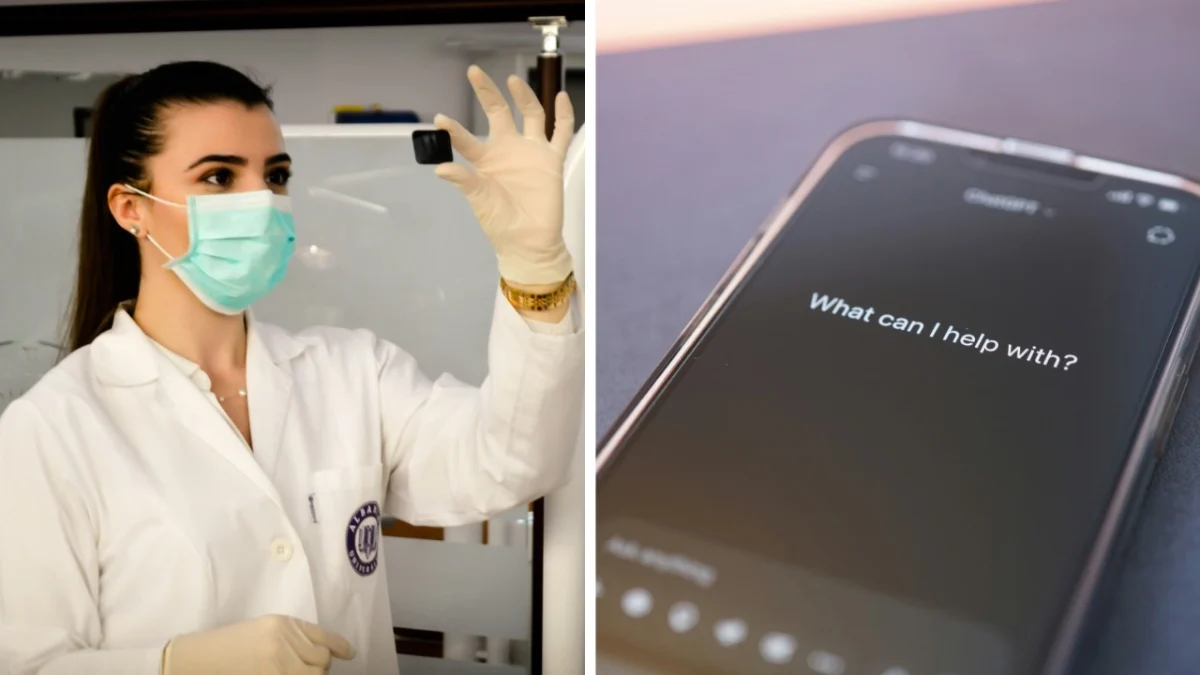
A recent incident, widely shared on the popular online forum Reddit, has ignited a fervent debate regarding the intersection of artificial intelligence, patient privacy, and medical ethics within clinical settings. A Reddit user, posting in the r/antiai community under the stark title “Today I was radicalized,” recounted an experience where a nurse allegedly utilized a consumer-grade AI tool, specifically ChatGPT, to transcribe notes during a medical appointment without obtaining adequately informed consent. The post, which quickly amassed over 11,000 upvotes and more than 1,100 comments, highlighted a growing tension between technological adoption and fundamental patient rights.
The Incident: A Breach of Trust and Protocol?
According to the Reddit user, the encounter began with a seemingly innocuous query from the nurse: “Do you mind if I have AI take notes today?” The user stated they agreed to the request, perceiving it as a novel, perhaps even advanced, form of digital documentation. However, their perception shifted dramatically upon noticing the nurse’s personal mobile phone already recording the conversation within the examination room. Alarmingly, the user observed that ChatGPT was already open and actively recording on the device. This immediate observation raised significant concerns for the patient, who subsequently questioned whether such a practice truly respected their privacy and the principle of explicit, informed consent. The user further reported that their immediate concerns about the recording during the appointment were reportedly dismissed by the nurse, adding to the patient’s discomfort and sense of unease. The Daily Dot, which initially reported on the Reddit post, stated it could not independently verify the appointment or the nurse’s specific actions.
This incident, as described, taps into a complex web of existing regulations and ethical considerations. The Health Insurance Portability and Accountability Act of 1996 (HIPAA) in the United States, for instance, mandates strict standards for protecting sensitive patient health information (PHI). The use of personal devices for recording patient encounters, especially with consumer-grade applications not approved by a healthcare institution, poses a significant risk of HIPAA violations due to the potential for unauthorized access, data breaches, and a lack of secure data handling protocols. PHI, when processed by third-party AI models without explicit business associate agreements (BAAs) and robust security frameworks, could easily leave the protected environment of a healthcare system, exposing patients to significant privacy risks.
The Online Fallout: Consent, Confidentiality, and the AI Divide
The Reddit thread quickly became a crucible for diverse opinions, with the overwhelming majority of commenters converging on issues of consent and patient confidentiality rather than an outright rejection of AI technology itself. Numerous users expressed outrage, with one commenter succinctly advising, “Report her. She violated your consent and patient confidentiality.” Another user underscored the necessity of clear protocols, asking, “And you require affirmative consent from the patient to use, right?” This immediate shift in focus highlighted a widespread expectation among the public that healthcare providers must adhere to stringent ethical and legal standards when handling sensitive personal data, regardless of the technology employed.
The ensuing discussion revealed a clear divide between the potential benefits of AI-powered transcription tools and the critical need for secure, compliant implementation. Many Redditors drew a sharp distinction between institutionally approved, encrypted AI recording systems integrated with electronic health records (EHRs) and the casual use of personal devices running public AI applications like ChatGPT. As one user emphatically stated, “ChatGPT.com is NOT ONE OF THEM,” referring to legitimate transcription apps. This sentiment reflects a crucial understanding that while AI offers promising avenues for efficiency in healthcare, the chosen tools must meet rigorous security, privacy, and compliance standards.
AI in Healthcare: A Double-Edged Sword
The broader context of AI adoption in healthcare underscores the complexity of this debate. The global market for artificial intelligence in healthcare was valued at approximately $15.1 billion in 2023 and is projected to reach over $187.95 billion by 2032, according to reports by Precedence Research. This exponential growth is driven by the promise of AI to revolutionize diagnostics, drug discovery, personalized medicine, and administrative tasks. One of the most frequently cited benefits, and relevant to this incident, is AI’s capacity to alleviate the significant documentation burden on clinicians. Physicians spend an estimated one-third of their workday on administrative tasks, including charting, which contributes to burnout and reduces direct patient interaction time. AI-powered clinical documentation tools, by automating note-taking and transcribing conversations, offer the potential to free up clinicians, allowing them to devote more attention to patients during appointments. Indeed, one Redditor echoed this sentiment, suggesting that transcription tools could give doctors "more time with patients" by reducing the need for manual notetaking.
However, the rapid proliferation of AI tools also introduces new challenges, particularly concerning data governance and patient trust. While advanced AI-powered ambient clinical intelligence (ACI) platforms, such as Nuance DAX or Abridge, are specifically designed for healthcare environments with robust security features, HIPAA compliance, and direct integration with EHRs, consumer-grade large language models (LLMs) like ChatGPT are not. These public models are often trained on vast datasets from the internet and their data handling policies may involve retaining user inputs for further model training, which is antithetical to patient privacy regulations.
Data Security, Consent, and Institutional Policy
The Reddit discussion highlighted critical concerns regarding data retention and the destination of recorded information. One user recounted being asked to sign a consent form for AI note-taking but refused after staff could not adequately explain where the data would be stored or processed. This scenario underscores the absolute necessity of transparent and comprehensive informed consent. For consent to be truly "informed," patients must understand not only that AI is being used but also how it is being used, what data is collected, where that data will go, how it will be protected, and for how long it will be retained. The inability to provide such details is a significant barrier to ethical AI implementation.
Healthcare institutions are grappling with developing appropriate policies. Several healthcare workers commented on their varied experiences: some reported that their workplaces actively push AI tools despite employee concerns, while others stated their employers explicitly ban the use of consumer AI for patient information. The distinction between personal devices and institutional hardware also emerged, with one Redditor noting that personal phones could potentially support compliant software under strict hospital policies, implying that the issue is not merely the device but the software and its adherence to organizational and regulatory frameworks. This reflects the reality that many healthcare systems are in various stages of developing and implementing AI governance frameworks, often lagging behind the pace of technological innovation.
Ethical and Legal Implications
The alleged incident, if verified, carries significant legal and ethical ramifications. From a legal standpoint, the use of a personal device and a public AI application to record and process patient information without explicit, HIPAA-compliant consent could constitute a serious breach of patient privacy. The Office for Civil Rights (OCR), which enforces HIPAA, has levied substantial fines against healthcare entities for privacy violations, including those stemming from unauthorized access or disclosure of PHI. Furthermore, state laws often provide additional layers of protection for patient data, sometimes requiring two-party consent for recordings.
Ethically, the incident erodes the foundational trust between patient and provider. Patients expect their medical consultations to be confidential and their sensitive health information to be handled with the utmost care. The casual, potentially non-compliant use of AI tools undermines this trust, fostering an environment of suspicion rather than therapeutic alliance. Medical professional organizations, such as the American Medical Association (AMA) and the American Nurses Association (ANA), have begun issuing ethical guidelines for AI use in practice, consistently emphasizing patient safety, data privacy, transparency, and the primacy of the human clinician in decision-making. These guidelines universally advocate for explicit patient consent and the use of secure, validated technologies.
The Future of AI in Clinical Documentation
The debate spurred by the Reddit post highlights a critical juncture in the integration of AI into healthcare. While the potential for AI to enhance efficiency and improve patient care is undeniable, its deployment must be meticulously planned, rigorously secured, and ethically guided. Key takeaways from this incident and the subsequent discussion include:
- Strict Adherence to Consent: Informed consent must be a non-negotiable prerequisite for any AI involvement in patient care, clearly outlining the technology used, data handling, and patient rights. Patients must be given the option to refuse without penalty.
- Distinction Between Consumer and Enterprise AI: Healthcare institutions must educate staff on the critical difference between public, consumer-grade AI platforms and secure, HIPAA-compliant enterprise solutions specifically designed for clinical use. Personal devices and unapproved applications should be strictly prohibited for handling PHI.
- Robust Institutional Policies: Healthcare organizations need to develop and enforce clear, comprehensive policies regarding AI use, including guidelines for device usage, data security protocols, and employee training. These policies must be regularly updated to keep pace with technological advancements.
- Transparency and Education: Both patients and healthcare providers need better education on how AI tools function, their benefits, and their associated risks. Transparency about AI’s role can help build patient trust.
- Technological Safeguards: Approved AI documentation tools must incorporate end-to-end encryption, secure data storage, and compliance with all relevant privacy regulations (e.g., HIPAA, GDPR). They should also integrate seamlessly with EHR systems, ensuring data integrity and accessibility within the patient’s record.
Ultimately, the Reddit user’s experience serves as a stark reminder that while technology offers immense promise for modernizing healthcare, the human elements of trust, privacy, and autonomy must remain paramount. The "radicalization" described by the original poster was not against AI itself, but against the perceived disregard for established protocols and patient rights in its application. As AI becomes increasingly prevalent in medicine, the industry faces the urgent task of ensuring that innovation serves humanity without compromising its fundamental ethical obligations.