
 George Chandra Eka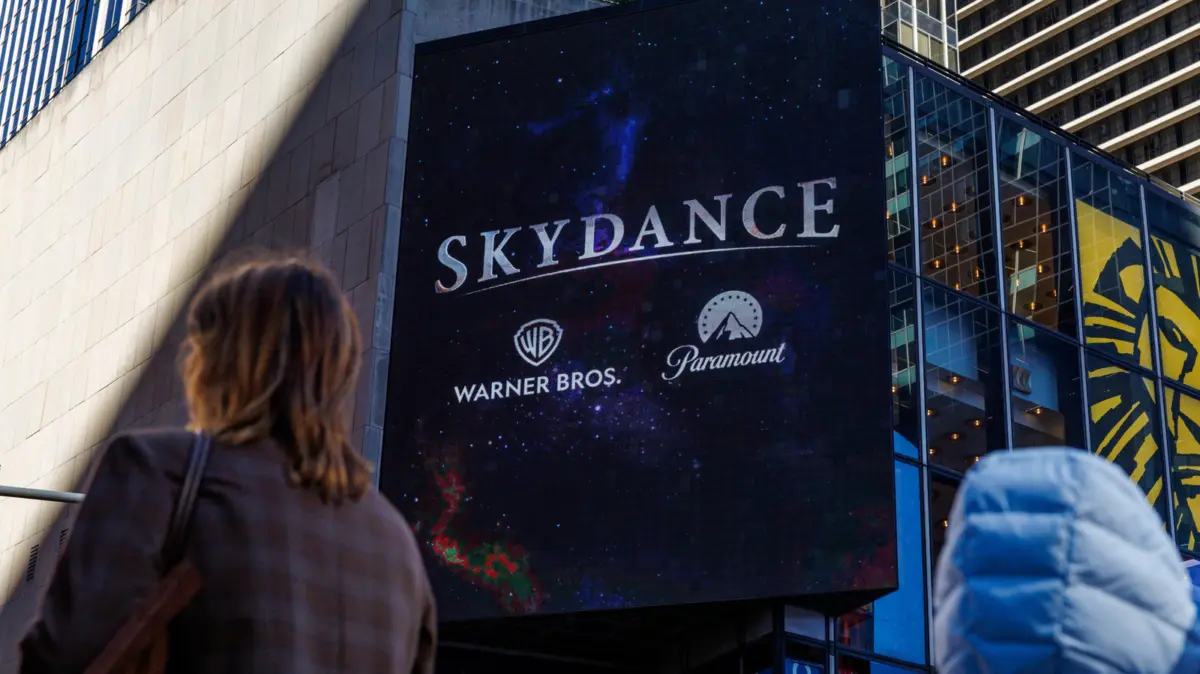
The landscape of global entertainment is poised for a significant transformation as Skydance, the newly formed media entity resulting from Paramount’s acquisition of Warner Bros. Discovery, officially announced its intention to unify its diverse portfolio of streaming services. This strategic move will see HBO Max, Paramount+, and Discovery+ eventually consolidate into a single, comprehensive streaming platform, marking a pivotal moment in the ongoing consolidation within the direct-to-consumer market. The confirmation came as part of the announcement detailing the completion of the monumental $110 billion acquisition of Warner Bros. Discovery, a process that spanned nearly a year and navigated considerable regulatory scrutiny.
The Unification Strategy: A New Era of Streaming Consolidation
Skydance’s commitment to merge its streaming applications into a singular service over time underscores a growing industry trend towards consolidation, aimed at combating subscriber churn, enhancing content discovery, and leveraging economies of scale. While specific details regarding the new service’s name, launch timeline, or pricing structure remain undisclosed, the strategic imperative is clear: to create a formidable competitor in an increasingly saturated streaming environment. This unification is expected to create a direct-to-consumer powerhouse boasting an estimated "little over 200 million subscribers," a figure previously cited by Skydance CEO David Ellison when discussing the potential combination of Paramount+ and HBO Max.
The decision reflects a broader industry recognition that a fragmented streaming ecosystem, characterized by multiple subscriptions and disparate content libraries, can lead to subscriber fatigue and increased churn rates. By bringing together the premium cinematic and television offerings of HBO Max (which already incorporates Discovery+ content as Max), the extensive film and television catalog of Paramount+, and the vast non-fiction library of Discovery+, Skydance aims to offer an unparalleled entertainment destination. This integration is designed to simplify the consumer experience, reduce operational redundancies, and maximize the value of its extensive intellectual property.
A Content Juggernaut: The Combined Library
The proposed unified service promises an extraordinary breadth and depth of content, unmatched by most standalone platforms. Each constituent service brings unique strengths to the table:
- HBO Max (now Max): Renowned for its critically acclaimed original programming, including prestige dramas like "Game of Thrones," "Succession," and "House of the Dragon." It also houses the extensive Warner Bros. film library (featuring iconic franchises such as DC Universe and Harry Potter), classic animation from Cartoon Network and Looney Tunes, and a growing slate of unscripted content inherited from Discovery+. This platform has become synonymous with high-quality, appointment viewing.
- Paramount+: Offers a rich array of content from Paramount Pictures, including blockbuster film franchises like "Mission: Impossible," "Top Gun," and "Transformers." It is also the home to the expanding "Star Trek" universe, popular original series such as "Yellowstone," and a robust selection of CBS originals. Furthermore, Paramount+ provides significant live sports programming, including NFL games and UEFA Champions League coverage, which serves as a major draw for subscribers.
- Discovery+ (standalone content): Specializes in non-fiction and reality television, featuring popular channels and brands like HGTV, Food Network, TLC, ID, and Animal Planet. Its extensive library caters to audiences seeking lifestyle, true crime, nature, and documentary programming.
The amalgamation of these libraries will present subscribers with an expansive selection spanning every genre imaginable, from award-winning dramas and cinematic blockbusters to live sports and unscripted reality television. This comprehensive offering is intended to appeal to a wider demographic, reduce the need for multiple subscriptions, and enhance the perceived value of the unified service. Skydance CEO David Ellison has emphasized that HBO would continue to "operate with independence" after the merger, a crucial point for maintaining the brand’s highly respected creative autonomy and quality standards. The recent appointment of HBO CEO Casey Bloys to Co-Chair and Chief Content Officer of Skydance DTC further reinforces this commitment, signaling the company’s intent to leverage HBO’s prestige and curatorial excellence across its broader programming slate. This strategic decision aims to ensure that the "HBO quality" continues to influence and elevate the overall content offering of the new entity.
The Road to Merger: A Timeline of Strategic Moves
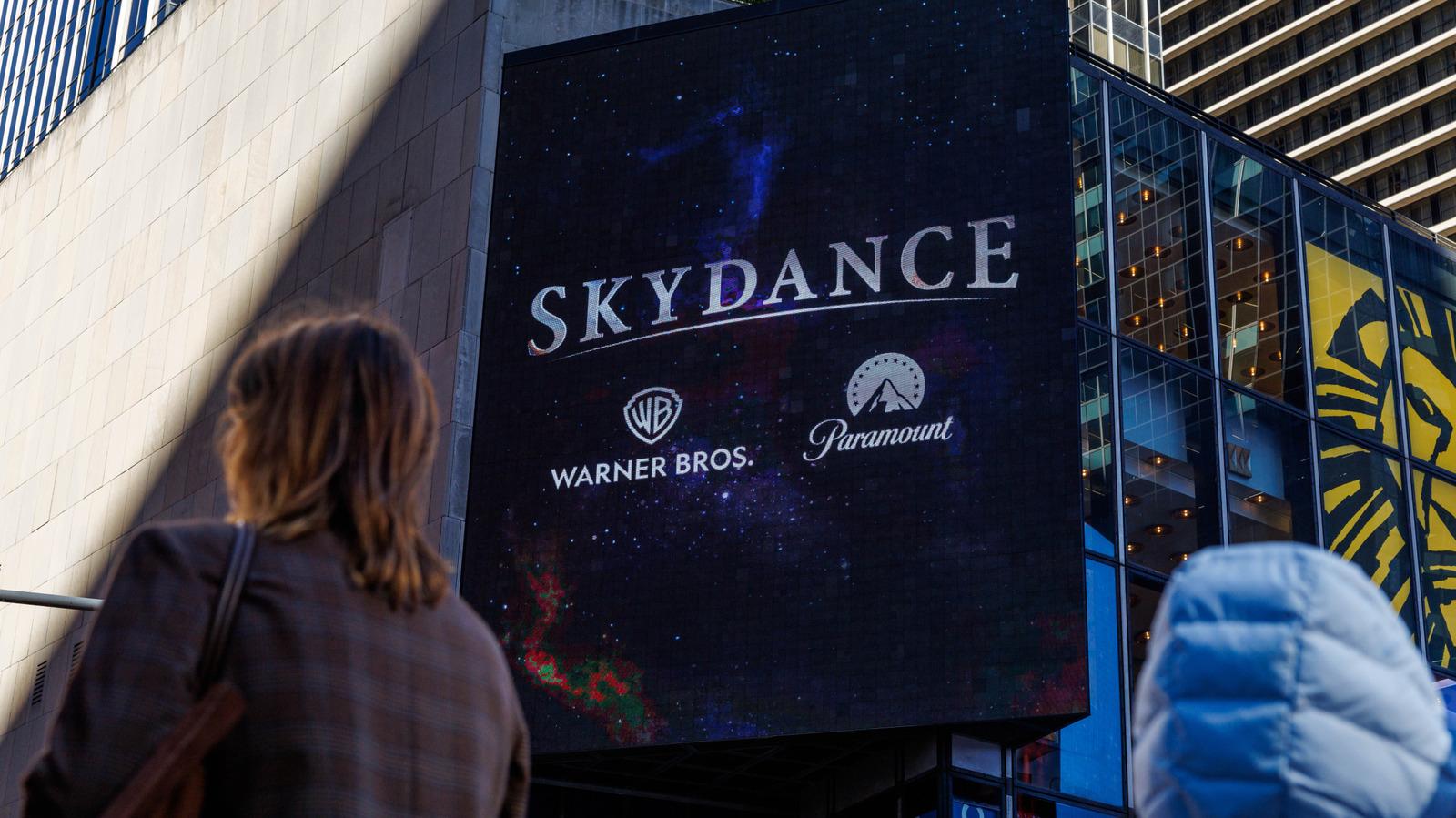
The journey to this significant consolidation has been a complex and protracted one, characterized by intense negotiations, regulatory challenges, and strategic repositioning within the media industry.
- Late 2023: Initial reports and industry speculation began to surface regarding potential merger talks between Paramount Global and Warner Bros. Discovery. The idea of combining these entertainment giants quickly captured the attention of investors and analysts, recognizing the potential for market dominance.
- January 2024: Official discussions gained momentum, with reports indicating serious negotiations between Paramount Global, led by Shari Redstone, and Warner Bros. Discovery. The proposed $110 billion valuation for the combined entity underscored the sheer scale and ambition of the deal.
- March 2024: Skydance CEO David Ellison publicly articulated his vision for combining Paramount+ and HBO Max into a single streaming entity, even before the full merger was complete. This early statement signaled the company’s clear strategic intent for its direct-to-consumer offerings.
- April 2024: The merger faced its first major hurdle when a multi-state lawsuit was filed by several U.S. states. The lawsuit alleged that the proposed merger would violate antitrust laws, stifle competition, and potentially harm consumers through reduced choices and higher prices. This legal challenge introduced significant uncertainty into the acquisition process.
- September 2024: Paramount successfully reached a settlement in the multi-state antitrust lawsuit, clearing a major regulatory barrier and paving the way for the acquisition to proceed. The terms of the settlement were not fully disclosed but typically involve concessions to address competitive concerns.
- October 2024: The $110 billion acquisition of Warner Bros. Discovery by Paramount (forming the new entity, Skydance) was officially completed. This announcement confirmed the creation of a new global entertainment leader and simultaneously revealed the plans for streaming service unification.
- Post-Acquisition Leadership: Following the merger, Skydance announced its new leadership team, with David Ellison at the helm as CEO. Key appointments included Casey Bloys as Co-Chair and Chief Content Officer of Skydance DTC, underscoring the critical role of streaming and premium content in the company’s future strategy.
This chronology illustrates a carefully orchestrated, albeit challenging, path toward creating a unified media giant capable of competing at the highest levels of global entertainment.
Financial Landscape and Potential Implications
The $110 billion acquisition represents one of the largest media deals in recent history and comes with an "exorbitant amount of debt" for the newly formed Skydance. This substantial financial obligation will undoubtedly influence the company’s strategic decisions, particularly concerning its streaming service.
- Cost Management and Efficiency: The primary financial benefit of combining streaming services is the reduction of redundant operational costs. Maintaining separate platforms requires distinct technology infrastructure, marketing teams, customer service operations, and content licensing agreements. Unifying these functions can lead to significant cost savings, improved efficiency, and streamlined management.
- Pricing Strategy: Given the immense debt burden, there is a strong likelihood that the unified streaming service could come with a higher price tag than individual subscriptions previously offered. Entertainment companies frequently pass on merger-related costs and the value of an expanded content library to consumers. Skydance will need to carefully balance perceived value with subscriber affordability to avoid alienating existing customers. The industry has seen a trend towards tiered pricing models, including ad-supported options, which Skydance might adopt to cater to different budget levels.
- Layoffs and Integration Challenges: As is common with large-scale mergers, Skydance has already warned employees about potential layoffs. The integration process often involves consolidating departments, eliminating overlapping roles, and streamlining operations to achieve cost efficiencies. While painful for affected employees, these measures are typically viewed as necessary steps to optimize the new organizational structure and improve profitability.
- Market Reaction and Investor Confidence: The financial markets will closely watch Skydance’s execution of its integration strategy. The ability to successfully merge these complex entities, realize promised synergies, and grow subscriber numbers while managing debt will be critical for investor confidence. A successful rollout of the unified streaming service could significantly enhance the company’s valuation and market position.
Historical Context: The Evolution of Streaming Consolidation
The move by Skydance to consolidate its streaming assets is not an isolated incident but rather a continuation of a broader trend within the entertainment industry. The "streaming wars," initially characterized by a proliferation of new services, have entered a new phase focused on consolidation and profitability.
- The WarnerMedia-Discovery Merger and "Max": A recent precedent for Skydance’s strategy is the 2022 merger of WarnerMedia and Discovery, which led to the creation of Warner Bros. Discovery. This merger subsequently resulted in the rebranding of HBO Max to "Max" in May 2023, integrating Discovery+’s extensive library of unscripted content alongside WarnerMedia’s premium films and series. While the transition faced some initial user confusion and criticism, it demonstrated the potential benefits of offering a broader content selection under a single subscription. Lessons learned from this integration, particularly regarding user interface design and content curation, will be invaluable for Skydance.
- Disney-Fox Acquisition and Hulu Integration: Another significant example is The Walt Disney Company’s acquisition of 21st Century Fox assets in 2019, which brought Hulu under Disney’s majority ownership. Disney has since been gradually integrating Hulu content into Disney+, offering bundled subscriptions and planning for a full integration to create a more robust family-friendly and general entertainment offering. These moves underscore the industry’s shift from launching standalone services to building comprehensive, all-encompassing platforms.
- The "Streaming Wars" Era: The initial phase of the streaming wars saw media giants launching their own direct-to-consumer services to compete with Netflix. This led to a fragmented market where consumers often subscribed to multiple platforms. However, as subscriber growth has matured and profitability has become a key metric, companies are now focusing on creating "super-bundles" or unified services to reduce churn, increase subscriber lifetime value, and achieve sustainable growth. Skydance’s move is a direct response to this evolving market dynamic.
Challenges and Opportunities Ahead
The ambitious plan to merge HBO Max, Paramount+, and Discovery+ presents both significant challenges and substantial opportunities for Skydance.
- Technical Integration: Merging three distinct technological platforms, each with its own backend infrastructure, user interface, content delivery network, and recommendation algorithms, will be an immense technical undertaking. Ensuring a seamless transition without disrupting user experience or encountering significant bugs will be paramount.
- Content Curation and Presentation: With such a vast and diverse content library, effective content curation will be crucial. Skydance will need to design an intuitive user interface that allows subscribers to easily discover content from across all former services without feeling overwhelmed. Maintaining distinct brand identities for premium content like HBO within the unified service will also be a delicate balancing act.
- Subscriber Retention and Migration: The transition period could be critical for subscriber retention. Skydance must communicate clearly with existing subscribers, offering compelling reasons to migrate to the new service and ensuring a smooth account transfer process. Any missteps could lead to increased churn.
- Global Expansion: A unified, robust streaming service could significantly enhance Skydance’s ability to expand globally, offering a more competitive and attractive proposition in international markets. This could open new avenues for subscriber growth and revenue generation.
- Advertising Potential: For an ad-supported tier, a larger combined subscriber base offers a more attractive proposition for advertisers, potentially leading to increased advertising revenue. The ability to offer precise targeting across a vast content library could be a significant advantage.
- Competitive Landscape: The emergence of a unified Skydance streaming service will undoubtedly intensify competition with established players like Netflix, Disney+, Amazon Prime Video, and Apple TV+. This could spur further innovation and consolidation across the industry as companies vie for market share.
In conclusion, Skydance’s decision to unify HBO Max, Paramount+, and Discovery+ into a single streaming service following its $110 billion acquisition of Warner Bros. Discovery marks a watershed moment in the global entertainment industry. This strategic consolidation reflects a matured streaming market where scale, efficiency, and a comprehensive content offering are becoming paramount. While the integration presents significant operational and financial challenges, the potential for Skydance to create a dominant, all-encompassing entertainment platform with an unparalleled content library is substantial. The success of this ambitious endeavor will reshape the competitive landscape, influence consumer behavior, and set a new benchmark for the future of direct-to-consumer entertainment.







