
 George Chandra Eka
The advent of USB-C has heralded an era of unparalleled connectivity and versatility for electronic devices, yet the promise of "fast charging" through this universal port often dissolves into a perplexing array of standards and proprietary technologies. Far from being a simple, unified solution, the landscape of rapid power delivery is fragmented, encompassing widely adopted protocols like USB Power Delivery (USB PD) and its advanced subset, Programmable Power Supply (PPS), alongside a diverse ecosystem of manufacturer-specific innovations such as Qualcomm’s Quick Charge, Oppo’s SuperVOOC, and Xiaomi’s HyperCharge. This intricate web of competing and complementary charging methodologies frequently leaves consumers bewildered, grappling with incompatible accessories and uncertain performance expectations. Understanding these distinctions is paramount for optimizing device performance, ensuring battery longevity, and making informed purchasing decisions in a market saturated with fast-charging claims.
The Evolution of Power: A Brief Chronology of Charging Standards
The journey to modern fast charging began in an era characterized by leisurely power delivery. Early USB standards, such as USB 1.0 and 2.0, were primarily designed for data transfer, offering a mere 2.5 watts (5V at 500mA) of power—sufficient for trickle-charging nascent mobile phones but woefully inadequate for the power demands of contemporary smartphones, tablets, and laptops. This slow trickle meant hours tethered to a wall outlet, a constraint that became increasingly problematic as mobile devices evolved into indispensable tools for communication, work, and entertainment.
The mid-2000s marked a pivotal shift. As smartphones gained widespread adoption and their battery capacities grew, the need for faster charging became critical. In response to this burgeoning demand and the absence of a universal high-power standard, individual device manufacturers and chipmakers began to develop their own proprietary solutions. This period, roughly from 2010 to 2015, saw the rise of competing fast-charging technologies. Qualcomm, a dominant force in mobile chipsets, introduced Quick Charge, which leveraged higher voltages to deliver more power over standard USB-A cables. Other manufacturers followed suit: Oppo pioneered VOOC (Voltage Open Loop Multi-step Constant-current Charging), later evolving into SuperVOOC, distinguishing itself by using higher current instead of voltage to minimize heat generated within the phone. Huawei launched SuperCharge, and Samsung developed its own Adaptive Fast Charging. These proprietary systems, while effective within their respective ecosystems, created fragmentation, requiring specific chargers and cables to achieve advertised speeds and leading to compatibility issues across brands.
Recognizing the growing chaos and the need for a more standardized approach, the USB Implementers Forum (USB-IF), the governing body for USB standards, introduced USB Power Delivery (USB PD) in 2012. Initially designed to deliver up to 100 watts over a single cable, USB PD aimed to be a truly universal solution, capable of powering everything from small peripherals to laptops. However, its initial adoption was slow, primarily finding traction in laptop charging. It wasn’t until the widespread adoption of the reversible USB-C connector in the mid-2010s that USB PD truly began its ascent as a viable universal standard for mobile devices, offering intelligent power negotiation between devices and chargers. The subsequent integration of Programmable Power Supply (PPS) into USB PD 3.0 further refined this standard, allowing for dynamic, granular control over voltage and current, enhancing efficiency and thermal management, particularly crucial for smartphones. Today, the charging landscape remains a hybrid, with USB PD/PPS gaining ground as the de facto universal standard, while proprietary systems continue to push the boundaries of charging speed within their dedicated ecosystems.
Deconstructing the Major Standards: USB PD, PPS, and Proprietary Systems
To navigate the intricacies of fast charging, a detailed understanding of the prominent standards is essential. Each offers distinct advantages and operates under different principles.
USB Power Delivery (USB PD): The Universal Standard Bearer
USB Power Delivery stands as the closest approximation to a universal fast-charging standard. Unlike older USB charging methods, USB PD employs sophisticated power negotiation protocols, allowing the connected device and charger to communicate and agree upon the optimal voltage and current levels for efficient and safe charging. This intelligent negotiation ensures that a device only draws the power it needs and can handle, preventing overcharging or damage.
-
Evolution and Wattage: USB PD has seen continuous advancements.
- USB PD 2.0 and 3.0: Primarily focused on delivering up to 100 watts (20V at 5A) over USB-C, making it suitable for a wide range of devices from smartphones and tablets to high-power laptops and even some monitors. These versions introduced fixed voltage profiles (e.g., 5V, 9V, 15V, 20V).
- USB PD 3.1 (Extended Power Range – EPR): A significant leap forward, introduced in 2021, which expanded the maximum power delivery capacity to an astonishing 240 watts (48V at 5A). This higher power ceiling is specifically designed for more demanding applications such as gaming laptops, large monitors, and specialized industrial equipment, further solidifying USB PD’s role as a truly universal power solution. It introduced new fixed voltages (28V, 36V, 48V).
- USB PD 3.2: The latest revision, focusing on refinements and minor enhancements to the core specification, rather than a dramatic increase in power. It ensures improved interoperability and stability within the existing framework.
-
Broad Adoption: USB PD’s strength lies in its widespread adoption. Major tech giants like Apple, Google, and Samsung have integrated USB PD into their flagship devices. For instance, the iPhone 17 series, along with many recent iPads and MacBooks, rely on USB PD for their fast-charging capabilities. Similarly, Google Pixel phones and Samsung Galaxy devices use USB PD, often leveraging its advanced PPS feature, for their primary fast-charging methods. This broad support makes a USB PD-compatible charger a highly versatile accessory for multi-device households.
Programmable Power Supply (PPS): The Precision Engineer of PD
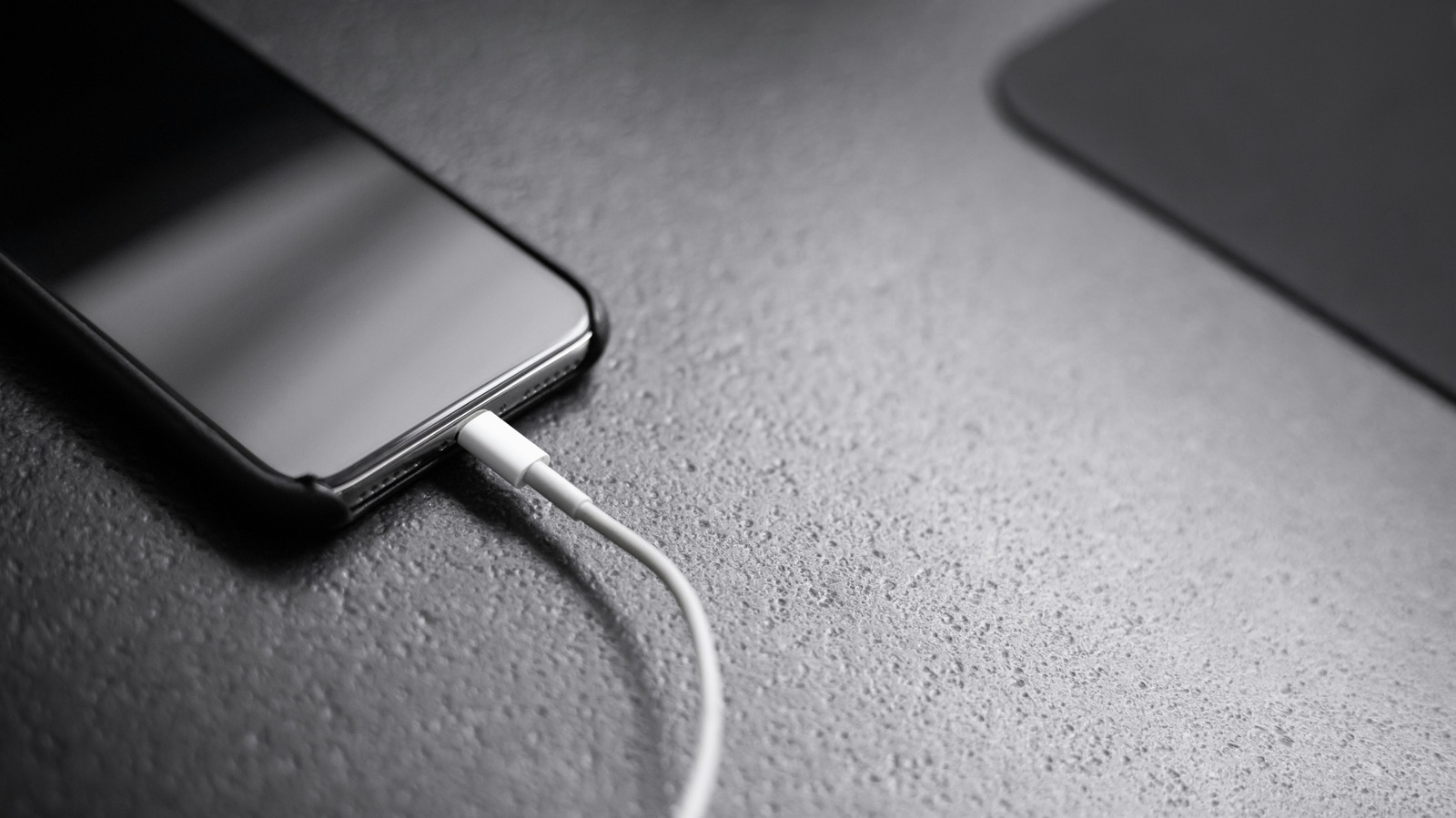
PPS, or Programmable Power Supply, is not a standalone standard but rather an optional, yet increasingly critical, feature within the USB PD 3.0 (and newer) specification. PPS elevates USB PD’s intelligence by enabling dynamic and granular control over the voltage and current output from the charger.
-
Mechanism and Benefits: Instead of fixed voltage steps, PPS allows the device to request minute adjustments to the voltage (typically in 20mV increments) and current (in 50mA increments) in real-time. This fine-tuned negotiation offers several key advantages:
- Improved Efficiency: By supplying only the precise power required, energy loss through conversion is minimized.
- Reduced Heat Generation: Less wasted energy means less heat produced, which is crucial for battery health and overall device performance, especially during peak charging rates.
- Faster Charging at Higher States: PPS can maintain higher charging speeds for longer periods by efficiently managing thermal loads, allowing the battery to absorb power more effectively as it fills.
-
Flagship Integration: PPS is particularly vital for achieving the fastest advertised charging speeds on many modern Android flagships. For example, Samsung’s Galaxy S26 Ultra utilizes PPS as a core component of its "Super Fast Charging 3.0" system, reaching up to 60W. Google’s Pixel 11 Pro models are designed to achieve their optimal 45W charging speeds specifically with a USB-C PPS charger. For consumers with these high-end devices, a charger supporting USB PD with PPS is not merely an option but a necessity to unlock their full charging potential.
Proprietary Fast Charging Systems: The Speed Demons with Ecosystem Lock-in
While USB PD with PPS aims for universality, several manufacturers continue to develop and promote their own proprietary fast-charging technologies. These systems often boast the highest theoretical wattages and fastest charging times within their specific device ecosystems.
-
Qualcomm Quick Charge: Once the dominant fast-charging standard for Android, Quick Charge (QC) has evolved significantly. Early versions relied on increasing voltage over USB-A. Newer iterations, such as Quick Charge 4+ and 5, have embraced USB PD as their foundational protocol, integrating PPS support. While a Qualcomm Snapdragon chip doesn’t automatically guarantee Quick Charge support (manufacturers can opt for other systems), QC remains prevalent. Quick Charge 5, for instance, promises to charge a 4500mAh battery from 0% to 50% in just 5 minutes, achieving up to 100W+ over USB-C PD.
-
Oppo/OnePlus SuperVOOC/VOOC: Oppo’s VOOC and its more powerful evolution, SuperVOOC (also used by OnePlus under various branding like Warp Charge), are renowned for their incredibly high charging speeds, often exceeding 100W and even reaching 240W in experimental stages. Unlike USB PD, which typically increases voltage, SuperVOOC prioritizes higher current (e.g., 10V at 6.5A for 65W) while keeping the voltage lower. This approach moves much of the heat generation to the charger itself, allowing for faster charging with less thermal stress on the phone. The catch is that these systems absolutely require proprietary chargers and often specific cables to achieve their advertised speeds, creating a closed ecosystem. While these phones usually support USB PD as a fallback, the charging speeds will be significantly reduced compared to their proprietary counterparts.
-
Xiaomi HyperCharge: Xiaomi has also pushed the boundaries of proprietary fast charging with its HyperCharge technology, demonstrating speeds up to 200W wired and 120W wireless in prototypes. Similar to SuperVOOC, HyperCharge often relies on specialized chargers and cables to manage high currents and voltages efficiently. These systems prioritize raw speed, often achieving a full charge in under 15-20 minutes for compatible devices. Like Oppo/OnePlus, Xiaomi phones typically revert to USB PD at lower speeds when connected to a generic PD charger.
The Charging Ecosystem: Device, Charger, and Cable – A Critical Trinity
Achieving optimal fast-charging performance is not merely about plugging in a USB-C cable. It requires a harmonious interaction between three crucial components: the device, the charger, and the cable. A bottleneck in any one of these can significantly impede charging speed.
-
Device Capability: The phone, tablet, or laptop itself dictates its maximum charging wattage and the specific fast-charging protocols it supports. A phone designed to max out at 20W, for example, will not magically draw 100W from a powerful 100W charger. The device’s internal charging controller negotiates the power and limits it to its safe maximum. This is why checking your device’s specifications is the first step.
-
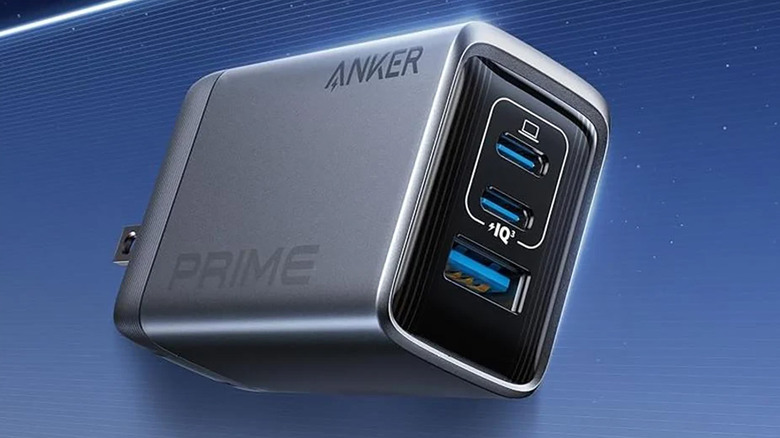
Charger Compatibility: The wall adapter or power bank must support the fast-charging protocol(s) your device uses (e.g., USB PD, PPS, Quick Charge, SuperVOOC) and be capable of delivering the required wattage. A charger lacking PPS support will not unlock the fastest speeds for a device that relies on it, even if both are USB PD compatible. Furthermore, the charger must have sufficient wattage overhead. While a 100W charger won’t harm a 20W device, a 20W charger certainly won’t fast charge a 60W laptop.
-
Cable Specifications: Often overlooked, the cable plays a vital role. Not all USB-C cables are created equal. For high-wattage charging (above 60W), cables typically need to incorporate an "e-marker" chip, which communicates the cable’s power capabilities to the connected devices. Using a cable rated for only 3A (60W) with a device and charger capable of 5A (100W) will limit the charging speed to 60W. Similarly, proprietary fast-charging systems like SuperVOOC often require specific cables designed to handle the higher current levels they employ. Always ensure your cable is rated for the desired power delivery.
Fast Charging and Battery Health: Dispelling Myths and Offering Best Practices
A persistent concern among consumers is whether fast charging degrades battery health more rapidly than slower charging. While it’s true that lithium-ion batteries naturally degrade over time, and excessive heat is a primary accelerator of this process, modern fast-charging systems are engineered with sophisticated safeguards to mitigate these risks.
-
Modern Safeguards: Contemporary smartphones and chargers incorporate intelligent thermal management systems. They constantly monitor battery temperature and reduce power input when temperatures rise beyond safe thresholds. Furthermore, fast charging typically occurs in a "tapering" fashion: the battery charges fastest when nearly empty (e.g., 0-50%), then the charging rate gradually slows down as it approaches full capacity (e.g., 80-100%). This tapering minimizes stress on the battery when it’s near full, a state that is generally more detrimental to long-term health than the initial rapid charge. Data from manufacturers and independent studies generally indicate that the difference in long-term degradation between typical fast charging and slower charging, when properly managed by the device, is often negligible for most users over the lifespan of a phone.
-
Practical Advice for Battery Longevity: While fast charging is generally safe, users can adopt habits to further optimize battery health:
- Avoid Extreme Heat: Do not charge your phone in direct sunlight or in a hot environment. Avoid graphically intensive gaming while fast charging, as this combines two major heat sources. Some advanced phones, like the Samsung Galaxy S26 family, offer a "pause charging while gaming" feature, allowing the device to draw power directly from the wall to run games without simultaneously charging the battery, thus reducing heat and stress.
- Utilize Smart Charging Features: Nearly all modern smartphones include built-in battery protection features.
- Apple’s Optimized Battery Charging: Learns your daily routine and delays charging past 80% until just before you need the phone, reducing the time spent at a full charge. iPhone 15 and newer models also allow users to set a custom charge limit between 80% and 100%.
- Samsung’s Battery Protection: Found in Galaxy phones, this feature can limit the maximum charge to 85%, significantly extending the battery’s lifespan.
- Google Pixel’s Charging Optimization (Adaptive Charging): Similar to Apple’s, it intelligently manages charging overnight to ensure the battery reaches 100% just before your alarm, and also offers an 80% charge limit option.
- Consider Slower Charging When Not in a Hurry: If time is not a factor, using a slower charger (e.g., an older 10W charger) can be marginally gentler on the battery over an extended period, as it generates less heat.
- Avoid Prolonged Storage at Full or Empty: For long-term storage, charge your device to around 50-60% and store it in a cool, dry place.
Official Responses and Industry Standards Bodies
The USB Implementers Forum (USB-IF) plays a critical role in standardizing USB technologies, including USB PD. Their mission is to ensure interoperability and reduce confusion for consumers. The USB-IF actively certifies products that comply with USB PD specifications, allowing manufacturers to use official logos that signify adherence to the standard. This certification process helps assure consumers that certified products will work together seamlessly and safely. The push for a unified charging standard has also gained traction at regulatory levels, exemplified by the European Union’s mandate for USB-C as the common charging port for many electronic devices by late 2024, aiming to reduce e-waste and simplify the user experience. These efforts underscore a broader industry trend towards greater standardization, even as proprietary solutions continue to innovate on speed.
Broader Impact and Implications for Consumers and Industry
The complex world of USB-C fast charging carries significant implications for both consumers and the broader electronics industry.
-
Consumer Benefits: The primary advantage for consumers is unparalleled convenience. Fast charging drastically reduces downtime, allowing users to quickly top up their devices before leaving home or during short breaks. A 10-minute charge can often provide several hours of usage, fundamentally changing how people interact with their devices. The increasing universality of USB PD also means fewer chargers are needed, reducing clutter and travel weight.
-
Consumer Challenges: The fragmentation of standards, however, remains a significant hurdle. The sheer number of acronyms (PD, PPS, QC, VOOC) and the need to match device, charger, and cable specifications can be overwhelming. This confusion can lead to sub-optimal charging experiences, frustration, and unnecessary purchases of incompatible accessories, ultimately diminishing the perceived benefit of "fast charging."
-
Environmental Impact: From an environmental perspective, a move towards truly universal charging standards, particularly USB PD, holds immense promise. The EU’s push for common chargers explicitly aims to reduce electronic waste. If one charger can power a smartphone, tablet, laptop, and other devices, it significantly reduces the need for multiple proprietary power bricks, leading to less manufacturing, less packaging, and less discarded electronics.
-
Future Outlook: The trajectory of fast charging suggests continued innovation. USB PD will likely continue to evolve, potentially incorporating even higher power levels as new applications emerge. The integration of smart charging features that dynamically adapt to user habits and grid demands will also become more sophisticated. While proprietary systems will continue to push the boundaries of raw speed, the overarching trend points towards USB PD with PPS as the dominant, broadly compatible, and intelligent solution for the vast majority of consumer electronics.
In conclusion, while the initial dive into USB-C fast charging can feel like navigating an alphabet soup of standards, the underlying principles are clear. For the savvy consumer seeking a versatile, efficient, and future-proof charging solution for a diverse array of modern devices, prioritizing a charger that supports USB Power Delivery with Programmable Power Supply (PPS) and possesses adequate wattage for their most demanding device is the most prudent course of action. This choice offers the best balance of compatibility, speed, and intelligent power management, cutting through the jargon to deliver a genuinely fast and reliable charging experience.







