
 George Chandra Eka
As the technology landscape continues its relentless march forward, consumers often face a critical dilemma: invest in the latest cutting-edge devices or seek value in older, yet still capable, models. This question is particularly pertinent in 2026 for the Apple Watch Series 10, a device launched just two years prior in 2024. While Apple has since introduced the Series 11 and the current flagship Series 12, the enduring appeal of the Series 10 hinges on a delicate balance of cost, feature set, and long-term software viability. This comprehensive analysis delves into whether the Series 10 retains sufficient utility and value to warrant a purchase today, or if the incremental advancements of its successors justify a higher investment.
The Apple Watch Series 10: A Retrospective on its 2024 Launch
The Apple Watch Series 10, unveiled in the autumn of 2024, was met with characteristic anticipation and critical acclaim. Positioned as a significant refinement rather than a radical overhaul, it built upon Apple’s established wearable philosophy. At its core, the Series 10 maintained the familiar design language, available in two standard sizes, and featured a vibrant wide-angle OLED display capable of reaching an impressive 2,000 nits of peak brightness. This ensured excellent outdoor visibility, a crucial attribute for a device designed for active use.
Key health and fitness tracking capabilities were central to its initial appeal. The Series 10 incorporated advanced ECG readings, comprehensive sleep tracking with sophisticated apnea notifications, and enhanced cycle tracking features. These functionalities were, at the time, at the forefront of consumer wearable technology, offering users a robust suite of tools for monitoring their well-being. Furthermore, the device debuted with support for Apple Intelligence and an improved Siri AI, integrating seamlessly into Apple’s evolving ecosystem of smart services. Its durability features, including water resistance, along with essential emergency functionalities like crash and fall detection, solidified its reputation as a reliable and safety-conscious companion. The inclusion of the "Jet Black Aluminum" colorway, boasting a glossy finish distinct from subsequent matte offerings, also offered an aesthetic choice that resonated with a segment of the market.
Market reception in 2024 was largely positive, with industry analysts such as Counterpoint Research noting its contribution to Apple’s continued dominance in the global smartwatch market. Initial sales figures suggested strong consumer uptake, driven by a combination of brand loyalty, effective marketing, and the perceived value of its feature set. The Series 10 represented the pinnacle of Apple’s mainstream smartwatch offerings at the time, bridging the gap between the more budget-friendly SE models and the rugged, premium Ultra line.
Software Longevity: A Critical Variable in 2026
One of the most significant factors influencing the value proposition of any Apple device, particularly in the long term, is its software support lifecycle. Unlike iPhones, which historically enjoy five to seven years of major iOS updates, Apple Watches have typically followed a slightly shorter, though still respectable, trajectory. Older models usually receive between four to six years of major watchOS updates. The Series 10, having been released in 2024, has already seen three major iterations of watchOS: its launch OS, watchOS 11, and the current watchOS 12.
Based on Apple’s historical patterns, it is reasonable to anticipate that the Series 10 could receive support for approximately three more years, potentially extending its update cycle through watchOS 15 or 16. However, this projection is not without caveats. For instance, the first-generation Apple Watch Ultra, despite its premium positioning, reportedly received only four major watchOS updates, underscoring that even high-end models are not immune to variations in support duration. This variability introduces a degree of uncertainty for prospective Series 10 buyers in 2026, especially those who prioritize extended software longevity over initial cost savings.
The implications of waning software support extend beyond merely missing out on new features. Critical security updates, performance optimizations, and compatibility with new accessories or services within the Apple ecosystem can become compromised. While a device might still function, its security posture could weaken, and its overall utility might diminish over time. Industry experts, such as those at TechCrunch, have often highlighted the increasing importance of long-term software commitment from manufacturers, particularly as consumers become more environmentally conscious and seek to extend the lifespan of their electronic devices. For the Series 10, its current compatibility with watchOS 12 means it fully supports Apple’s "Liquid Glass" design system and the latest interface enhancements, ensuring a modern user experience for now. However, the clock on its guaranteed future is ticking.
Hardware Evolution: Series 11 and 12 Innovations
While the Series 10 remains a capable device, the subsequent releases, the Series 11 and particularly the Series 12, have introduced notable hardware advancements that warrant consideration. Apple’s strategy of incremental yet impactful upgrades ensures that each new generation offers compelling reasons for some users to upgrade.
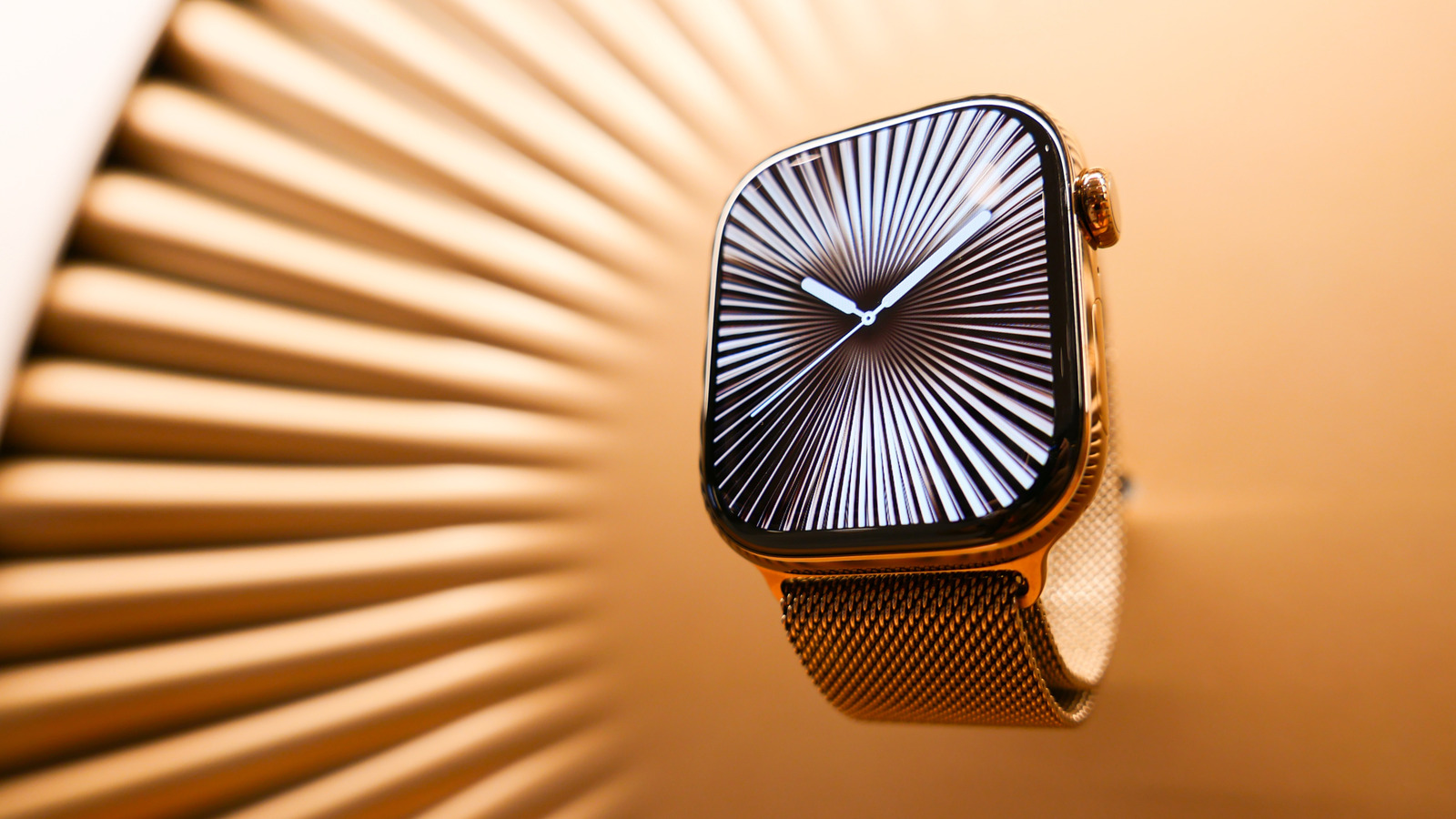
The Apple Watch Series 11, released in 2025, primarily focused on refining the Series 10’s foundation, likely incorporating a more efficient SiP (System in Package) for marginal performance and battery improvements. However, the Apple Watch Series 12, launched in 2026, represents a more substantial leap, especially in core functionalities. It features the S11 chip, an advanced SiP based on the A20 Pro architecture, which significantly enhances processing power and efficiency. Crucially, the Series 12 doubles the RAM to 4GB, providing substantially more headroom for multitasking, complex applications, and future watchOS updates. This increase in memory directly translates to a smoother user experience, faster app loading times, and a greater capacity to handle increasingly demanding software features over its lifespan.
Beyond raw performance, the Series 12 introduces a redesigned Health Sensing System. This innovation allows for heart rate readings every five seconds, a dramatic improvement over the five-minute interval on the Series 10. For fitness enthusiasts and individuals with specific health monitoring needs, this granular data can provide significantly more accurate insights into cardiovascular health and activity levels. The Series 12 also brings readiness scores, more precise step tracking algorithms, and the new Audio Intelligence feature set, which leverages advanced microphones and processing for enhanced environmental sound analysis and potentially new health diagnostics.
Battery life is another area where newer models typically outperform their predecessors. While the Series 10 offered a respectable 18 hours of typical use, the Series 12 boasts up to 24 hours on a single charge, a 33% improvement. This extended endurance can be a decisive factor for users who want to utilize sleep tracking or simply prefer less frequent charging. Connectivity also sees an upgrade; while the Series 10 offers a cellular variant, it lacks 5G support, a feature present in the Series 12, offering faster and more reliable network performance in supported regions.
Aesthetic preferences also play a role. While some users have expressed a preference for the slimmer bezels of the Series 10 compared to the Series 12, the latter often introduces new display technologies or materials that enhance durability or visual fidelity in other ways. For instance, the Series 12’s "Black Aluminum" variant features a matte finish, differing from the glossy "Jet Black Aluminum" of the Series 10, catering to different stylistic tastes.
The Refurbished Market and Value Proposition in 2026
Perhaps the most compelling argument for considering the Apple Watch Series 10 in 2026 lies in its price point within the refurbished and second-hand markets. As Apple no longer sells the Series 10 directly, consumers must turn to third-party retailers such as Amazon Renewed, certified pre-owned programs, or reputable electronics resellers.
In 2026, refurbished Series 10 models can typically be found starting around $250, a substantial discount compared to the Series 12, which retails at approximately $400. This nearly 40% price difference makes the Series 10 an attractive option for budget-conscious buyers or those who are new to the Apple Watch ecosystem and wish to experience its core functionalities without a premium investment. According to market analysis from IDC, the refurbished electronics market has been steadily growing by 8-10% annually, driven by consumer demand for affordability and sustainability. Smartwatches are a significant component of this market, with older generations maintaining strong resale value, particularly within the Apple ecosystem.
However, purchasing a refurbished device comes with its own set of considerations. While certified renewed products often undergo rigorous testing and come with warranties, there is always the potential for minor cosmetic wear or a battery that has seen some degradation from its original capacity. Consumers must weigh these potential compromises against the significant cost savings. For many, a device that performs 90% as well as the current model for 60% of the price represents an undeniable value.
Beyond the Specs: User Experience and Ecosystem Integration
Despite its age, the Apple Watch Series 10 remains deeply integrated into the Apple ecosystem, offering a cohesive user experience for iPhone owners. It seamlessly connects with HealthKit, Apple Pay, Messages, and other core Apple services. Its support for the latest watchOS (for now) ensures that users benefit from the most current interface, app compatibility, and essential features.
For users whose primary needs revolve around basic notifications, fitness tracking (steps, calories, workouts), heart rate monitoring, and convenience features like Apple Pay, the Series 10 still excels. Its display remains bright and clear, and its core sensors provide accurate data for most casual and intermediate users. The perceived performance sluggishness noted by some Series 10 users when opening apps or scrolling, particularly compared to the Series 12, is a valid concern. However, for many, this minor delay might not be a deal-breaker, especially if their typical usage patterns involve fewer demanding applications.
The aesthetic argument for the Series 10 is also worth noting. While design is subjective, some users prefer its potentially slimmer bezels or the unique glossy finish of the "Jet Black Aluminum" option, which is not available in the Series 12’s standard aluminum finishes. These nuanced preferences can contribute to a user’s satisfaction with an older model, irrespective of the latest technological advancements.
Analyst Perspectives and Consumer Trends
Industry analysts in 2026 largely concur that the smartwatch market is maturing, with less emphasis on groundbreaking new features each year and more on refinement and ecosystem integration. "The ‘must-have’ features of smartwatches have largely stabilized," commented a senior analyst at Gartner. "For many consumers, the health tracking and notification capabilities of a two-year-old high-end model like the Series 10 are more than sufficient. The decision then becomes purely economic."
Consumer trends in 2026 also reflect a growing segment of "value-conscious" buyers. Data from NPD Group indicates a rising interest in previous-generation devices, driven by economic pressures and an increased awareness of device longevity. The average smartwatch upgrade cycle, which once hovered around two years, has extended to 2.5 to 3 years for many users, particularly as incremental updates become less revolutionary. This trend bodes well for the continued relevance of devices like the Series 10.
Environmental and Sustainability Considerations
From an environmental perspective, extending the life of electronic devices is a crucial aspect of sustainable consumption. Choosing a refurbished Apple Watch Series 10 over a brand-new Series 12 contributes to reducing electronic waste and minimizing the carbon footprint associated with manufacturing new devices. Apple, like many tech giants, has faced increasing scrutiny over its environmental impact, and supporting the secondary market for its products aligns with broader sustainability goals. For eco-conscious consumers, the Series 10 offers a compelling option that marries technological utility with environmental responsibility.
Conclusion: A Nuanced Recommendation for 2026
In 2026, the Apple Watch Series 10 stands at a fascinating crossroads. It is a device that, while no longer at the vanguard of innovation, retains a formidable array of features and capabilities that remain highly relevant. Its vibrant display, comprehensive health tracking, robust emergency features, and seamless integration into the Apple ecosystem ensure a premium user experience for most daily tasks.
However, the decision to purchase a Series 10 in 2026 hinges critically on several factors. The most significant is the availability of a substantial discount. If a refurbished Series 10 can be acquired for significantly less than a new Series 12—ideally around the $250 mark compared to $400—it represents an exceptional value proposition. This is particularly true for individuals who are not "power users" of smartwatches, who prioritize cost savings, or who are entering the Apple Watch ecosystem for the first time.
Conversely, for those who demand the absolute latest in performance, the most extended software support window, cutting-edge health sensors (like the granular heart rate monitoring and Audio Intelligence of the Series 12), and improved battery life, investing in the newer Series 12 model is likely the more prudent choice. The Series 12’s enhanced SiP and doubled RAM also promise a smoother, more future-proof experience, mitigating the risk of performance degradation as watchOS continues to evolve.
Ultimately, the Apple Watch Series 10 in 2026 is a strong contender for the value-oriented consumer. It offers a premium smartwatch experience that covers the vast majority of user needs, albeit with a slightly shorter anticipated software support lifespan and some minor performance trade-offs compared to its direct successors. For those willing to embrace the refurbished market and accept these subtle compromises, the Series 10 remains a highly competent and financially intelligent purchase. For others, the allure of the very latest technology and guaranteed longevity will continue to justify the premium price tag of the Series 12.







