
 George Chandra Eka
San Francisco is abuzz as technology giants Microsoft and NVIDIA prepare to unveil their latest innovations, with all eyes on the highly anticipated Surface Laptop Ultra and the revolutionary NVIDIA RTX Spark. Scheduled to commence at 10 AM PT (1 PM ET) today, October 7, 2026, the joint Windows and Surface event is poised to redefine the landscape of personal computing, integrating cutting-edge hardware with a new generation of artificial intelligence capabilities. Microsoft CEO Satya Nadella and Windows and Devices chief Pavan Davuluri will share the stage with NVIDIA CEO Jensen Huang, signaling a deepening strategic alliance between the software giant and the leading AI chipmaker. The presentation, expected to run for approximately an hour, will be livestreamed across Microsoft’s official channels on X, Instagram, and YouTube, reaching a global audience eager for a glimpse into the future of Windows and Surface devices.
The event marks a critical juncture for Microsoft, particularly after a challenging period for its nascent AI initiatives within Windows. The company has explicitly teased "latest innovations across Windows, NVIDIA RTX Spark, Surface and the broader PC ecosystem," indicating a comprehensive overhaul rather than isolated product launches. While previous announcements at the Build developer conference offered a sneak peek at the Surface Laptop Ultra, today’s event is expected to fill in crucial details regarding pricing, availability, and, most importantly, the software features that will harness the power of the new NVIDIA RTX Spark superchip.
The Surface Laptop Ultra: A New Apex in Microsoft Hardware
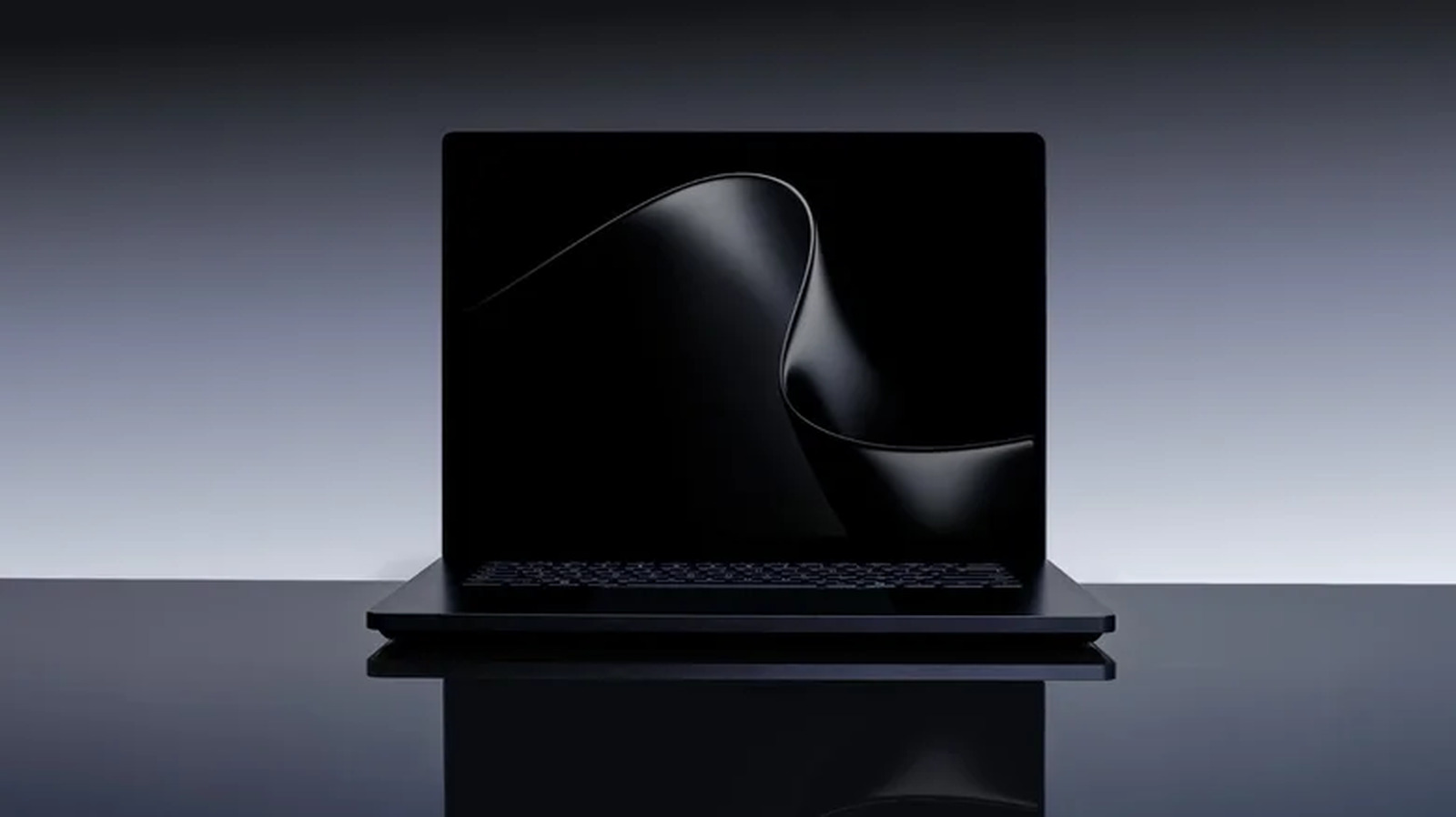
The Surface Laptop Ultra has been positioned as the most powerful Surface device to date, a claim that carries significant weight within Microsoft’s hardware portfolio. First teased earlier this year at the company’s annual Build developer conference, the device immediately garnered attention for its ambitious specifications and sleek design. The focus of the Surface Laptop Ultra is clearly on professional users, creative professionals, and power users who demand uncompromising performance and premium features.
At the heart of this ambition lies the integration of NVIDIA’s RTX Spark superchip. This collaboration represents a strategic move for Microsoft to differentiate its premium Surface line in an increasingly competitive market, where rivals like Apple have made substantial strides with their in-house M-series silicon. While specific architectural details of the RTX Spark remain under wraps, industry analysts speculate it combines a high-performance CPU with a formidable GPU, augmented by dedicated AI accelerators (NPUs) engineered for maximum efficiency and raw processing power in AI workloads. This would allow the Surface Laptop Ultra to handle complex tasks such as real-time 3D rendering, advanced video editing, data analysis, and sophisticated AI model inference directly on the device, rather than relying solely on cloud-based processing. The "Spark" moniker itself suggests a focus on accelerating innovation and igniting new possibilities in on-device AI.
Visually, the Surface Laptop Ultra is designed to impress and facilitate productivity. It features a stunning 15-inch mini LED display, capable of reaching an impressive 2,000 nits of peak brightness. Mini LED technology offers superior contrast ratios, deeper blacks, and more vibrant colors compared to traditional LCD panels, making it ideal for content creation, immersive entertainment, and tasks requiring absolute color accuracy. The high brightness ensures excellent visibility even in brightly lit environments or outdoors, addressing a common pain point for mobile professionals.
Ergonomics and connectivity have also received significant attention. The device boasts the largest trackpad Microsoft has ever incorporated into a Surface product, promising enhanced precision and comfort for navigation and gesture control. This larger surface area is a boon for users accustomed to trackpad-centric workflows, reducing the need for an external mouse. Furthermore, the Surface Laptop Ultra comes equipped with a generous array of ports, including multiple USB-C ports, traditional USB-A ports, and a full-sized SD card reader. This comprehensive selection addresses the needs of professionals who frequently connect external peripherals, monitors, and transfer large files from cameras or other devices, avoiding the dongle-dependent frustrations often associated with ultra-thin laptops.
Today’s event is expected to lift the veil on the remaining mysteries surrounding the Surface Laptop Ultra, including its various configurations, precise pricing tiers, and critical market availability dates. These details are crucial for understanding the device’s competitive positioning and its potential to capture market share in the high-end laptop segment.
NVIDIA RTX Spark: The Engine of Next-Gen AI PCs
The partnership between Microsoft and NVIDIA, particularly around the "RTX Spark" initiative, underscores a significant shift in the personal computing paradigm. NVIDIA, historically renowned for its graphics processing units (GPUs) that power everything from gaming rigs to data centers, has increasingly pivoted towards AI acceleration. The "Spark" brand, distinct from its traditional GeForce or Quadro RTX lines, suggests a specialized focus on optimizing AI performance within the Windows ecosystem, specifically for consumer-grade devices.
This collaboration is not merely about integrating a powerful GPU; it’s about embedding a comprehensive AI platform directly into the core of the PC. The RTX Spark superchip is expected to feature dedicated Tensor Cores and other AI-specific hardware accelerators, designed to efficiently run sophisticated machine learning models. This could include advancements in natural language processing, computer vision, generative AI, and predictive analytics – all running locally on the device with unprecedented speed and energy efficiency.
For Microsoft, partnering with NVIDIA provides access to industry-leading AI hardware expertise, allowing Windows to leverage the most advanced on-device AI capabilities available. This is crucial for maintaining competitiveness against Apple’s vertically integrated approach with its M-series chips, which feature powerful Neural Engines for AI tasks. For NVIDIA, it solidifies its position as a dominant force in AI beyond the data center, extending its reach into the vast consumer PC market and further diversifying its revenue streams. The strategic implications are vast, potentially setting a new standard for what constitutes an "AI PC."
Windows and Agentic AI: A High-Stakes Redefinition
Perhaps the most anticipated, and potentially contentious, aspect of today’s event is the revelation of new software features within Windows, particularly those centered around "Agentic AI." Microsoft has explicitly indicated that it would be "shocked" if some form of Agentic AI capability isn’t announced for Windows. This terminology signifies a move beyond reactive AI assistants towards proactive, intelligent agents that can understand context, anticipate user needs, and autonomously perform complex tasks across applications and the operating system.
The concept of Agentic AI in Windows could revolutionize productivity. Imagine an operating system that can not only transcribe your meetings but also summarize key action items, draft follow-up emails, schedule subsequent appointments, and even prepare relevant documents based on your recent activity – all without explicit, step-by-step instructions. Such a system would require deep integration with user data, applications, and cloud services, raising both immense possibilities and significant challenges.
However, Microsoft approaches this new frontier with a recent history of caution. The company’s prior Copilot+ PC initiative, launched with much fanfare, faced considerable headwinds and, as the company itself alluded, "rose and fell into obscurity" with surprising speed. Features like "Recall," intended to provide a searchable photographic memory of everything a user did on their PC, sparked widespread privacy concerns. Users and experts alike questioned the security of storing such sensitive data locally and the implications for personal privacy. Furthermore, the initial real-world utility of some Copilot+ features was perceived as limited, failing to deliver a compelling enough reason for widespread adoption despite requiring specific NPU hardware.
These past experiences mean "there’s quite a lot at stake for Microsoft" with this new wave of AI announcements. The company must demonstrate not only groundbreaking capabilities but also a clear, robust strategy for user privacy and data security. Building trust will be paramount. The success of Agentic AI in Windows will depend on Microsoft’s ability to clearly articulate its value proposition, provide granular user controls over data and AI behavior, and ensure that the features genuinely enhance productivity without feeling intrusive or overwhelming. A phased rollout, with extensive beta testing and transparent communication, could be crucial to avoiding the pitfalls of previous attempts.
Broader PC Ecosystem: Beyond Surface and Windows
The invitation’s mention of "innovations across… the broader PC ecosystem" hints that the impact of today’s announcements will extend beyond Microsoft’s own Surface hardware. New Windows features, especially those leveraging RTX Spark and Agentic AI, are likely to be made available to Microsoft’s extensive network of OEM partners, including Dell, HP, Lenovo, and others.
This means we could see a new generation of "AI PCs" from various manufacturers, all benefiting from the underlying Windows AI platform and NVIDIA’s specialized hardware. Microsoft will likely provide new APIs and SDKs for developers, enabling them to integrate Agentic AI capabilities directly into their applications, creating a richer and more intelligent software ecosystem. This could foster a wave of innovation, leading to smarter productivity tools, more immersive entertainment experiences, and more intuitive user interfaces across the entire Windows platform.
For OEMs, the challenge and opportunity lie in designing hardware that optimally supports these new AI features. This might involve specific thermal designs to manage the power requirements of the RTX Spark, or integrating additional sensors and input methods to facilitate more natural human-computer interaction with Agentic AI. The "broader PC ecosystem" will need to adapt and innovate rapidly to fully capitalize on the advancements unveiled today.
Chronology and Strategic Imperatives
The journey to today’s event has been marked by a period of intense speculation and strategic positioning. Rumors surrounding the Surface Laptop Ultra and NVIDIA’s deeper integration into Windows have circulated for months, fueled by leaks and subtle teases from both companies. Microsoft’s own X (formerly Twitter) account for Windows provided a direct pre-event reminder: "Tomorrow, see what’s next from Windows, @surface, and @NVIDIARTXSpark. Tune in live at 10:00 AM PT." This direct call to action built considerable anticipation.
This event is not merely a product launch; it is a strategic declaration. Microsoft’s long-term vision for Windows has always been tied to evolving user needs and technological advancements. The embrace of AI, despite initial stumbles, signifies a commitment to staying at the forefront of computing innovation. The collaboration with NVIDIA is a powerful statement of intent, combining Microsoft’s software prowess and ecosystem reach with NVIDIA’s leadership in AI hardware.
Historically, Microsoft’s Surface line has evolved from an experimental venture into a respected premium brand, often setting benchmarks for the wider PC industry. The Surface Laptop Ultra aims to elevate this legacy, pushing the boundaries of performance and intelligent design. Similarly, NVIDIA’s trajectory has seen it transform from a graphics card company into a foundational pillar of the global AI infrastructure. The RTX Spark is a logical extension of this evolution, bringing high-end AI processing to the consumer edge.
The competitive landscape looms large. Apple’s M-series chips have set a high bar for performance-per-watt and integrated AI capabilities, forcing competitors to innovate aggressively. Google is also making strides with AI integration in ChromeOS and its own hardware. Microsoft and NVIDIA’s joint effort is a direct response, aiming to offer a compelling alternative that leverages the strengths of both companies.
The next hour will be crucial. As Nadella, Huang, and Davuluri take the stage, the tech world will be watching to see if Microsoft can deliver on its ambitious promises for Agentic AI and if the Surface Laptop Ultra, powered by RTX Spark, can truly usher in a new era of intelligent personal computing. Engadget’s senior reporters, Karissa Bell and Devindra Hardawar, are on the ground in San Francisco, providing live updates, analysis, and answering reader comments, ensuring comprehensive coverage from the scene. The stakes are undeniably high, and the implications for the future of the PC are profound.







