
 Vera Intan Clara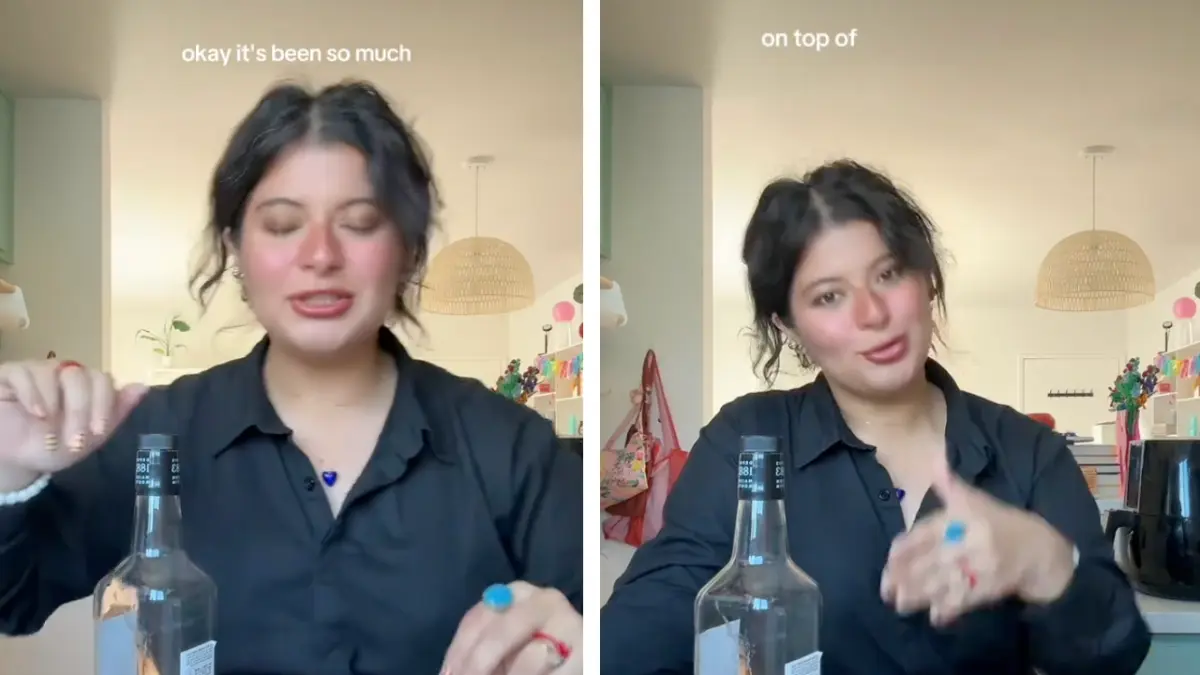
Workplace drama, particularly when it escalates to formal complaints and protracted investigations, can be profoundly unsettling for any employee. Such was the experience recounted by TikTok user @jezacat, known as Jezabel, whose viral video detailing her ordeal with six anonymous HR complaints at her former workplace has garnered significant attention, accumulating 94,500 likes and 845 comments. Her narrative casts a spotlight on the increasingly complex intersection of personal digital presence, professional conduct, and the often-opaque mechanisms of corporate human resources, culminating in her departure from a job she reportedly cherished. This incident raises critical questions about employer responsibilities, employee rights, the handling of anonymous grievances, and the evolving landscape of workplace etiquette in the digital age.
The Genesis of the Conflict: An Alleged Elevator Conversation
Jezabel’s account begins with the unsettling revelation of an anonymous complaint filed against her in early March, marking the initiation of a series of events that would profoundly impact her professional life. While she alludes to a prior, unrelated complaint that she had been addressing, the primary catalyst for the escalating drama, as she describes it, was an alleged conversation in an elevator. The complaint stated that Jezabel was discussing a brand deal involving "adult toys" and that this conversation was deemed inappropriate and made another individual uncomfortable. Jezabel vehemently denies any recollection of such a discussion, asserting that engaging in such a topic within a professional setting would be uncharacteristic of her. This initial complaint, she explains, plunged her into a bureaucratic maze involving multiple internal departments, each with its own investigative scope and jurisdictional authority.
Navigating a Labyrinth of Departments and Investigations
According to Jezabel, her ordeal was characterized by an astonishing degree of departmental fragmentation. She describes being simultaneously embroiled with:
- An initial department handling the first complaint (distinct from the elevator incident).
- A separate department or entity investigating her social media activities, presumably in connection with her TikTok account and brand deals.
- Yet another department that was reportedly refusing to approve her outside employment, a common corporate policy requiring disclosure and approval for secondary income-generating activities.
This multi-pronged scrutiny meant that Jezabel was not only expected to perform her primary job duties but also dedicate substantial time and emotional energy to defending herself across various internal inquiries. The cumulative effect of these overlapping investigations, coupled with the ongoing management of her public-facing TikTok persona, created an untenable professional environment.
An Escalating Timeline of Grievances
The initial anonymous complaint regarding the elevator incident was quickly followed by a cascade of further grievances. Jezabel recalls receiving email notifications confirming that formal investigations would be opened based on these complaints. For an employee who had never before faced a workplace complaint, this experience was inherently anxiety-inducing. Three weeks after the elevator incident complaint, another formal HR complaint was filed against her. This pattern continued, ultimately leading to a staggering total of six formal HR complaints.
Jezabel maintains that none of these six complaints ever resulted in substantiated findings against her. Despite the lack of substantiation, the sheer volume and persistent nature of the complaints, coupled with the arduous investigative processes, created an environment that she describes as increasingly hostile and unsupportive. This sustained pressure and the apparent lack of resolution ultimately contributed to her decision to leave her job, a resolution that forms the starting point of her viral TikTok narrative.
The Broader Context: Social Media, Personal Branding, and Workplace Policies
Jezabel’s situation is emblematic of a growing tension within modern workplaces: the delicate balance between an employee’s personal life, particularly their online presence, and their professional responsibilities. In an era where "personal branding" is encouraged and social media platforms like TikTok offer avenues for supplementary income through brand deals, the lines between personal and professional conduct have become increasingly blurred.
Many companies have robust social media policies that dictate what employees can and cannot post, especially regarding company-related information or content that might reflect poorly on the organization. However, policies regarding outside employment and personal conversations within the workplace about non-work-related brand deals can be more ambiguous. While companies have a legitimate interest in maintaining a professional environment and preventing harassment, the extent to which they can regulate off-duty conduct or even alleged private conversations (like one in an elevator) remains a complex area.
The rise of the "creator economy" means more employees, like Jezabel, are engaging in activities outside their primary employment that generate income and build a public profile. This necessitates clear, transparent, and fair policies from employers regarding outside employment approval processes and the permissible scope of discussions related to these activities within the workplace. Ambiguity in these policies can lead to misunderstandings, perceived overreach by employers, and situations like Jezabel’s.
Legal and HR Implications: Anonymous Complaints and Constructive Discharge
The handling of anonymous complaints is a contentious issue in human resources. While anonymity can encourage reporting of genuine misconduct without fear of retaliation, it also carries the risk of abuse, enabling malicious or unfounded accusations that can be difficult to investigate and refute. Best practices often suggest that while anonymous complaints should be taken seriously, HR departments must prioritize objective investigation and ensure due process for the accused. A pattern of unsubstantiated anonymous complaints, as alleged by Jezabel, can, in some jurisdictions, be viewed as a form of workplace harassment or even a precursor to "constructive discharge."
Constructive discharge, also known as constructive termination, occurs when an employer creates working conditions that are so intolerable or difficult that a reasonable person in the employee’s position would feel compelled to resign. Instead of being directly fired, the employee is effectively forced out. Elements often cited in constructive discharge cases include:
- Pervasive harassment or discrimination.
- Unjustified negative performance reviews or disciplinary actions.
- Demotion or significant reduction in responsibilities.
- An employer’s failure to address repeated complaints about hostile work conditions.
Several commenters on Jezabel’s video, some identifying themselves as HR professionals or legal experts, specifically raised the possibility of constructive discharge. One user wrote, "You probably know this already, but I work in HR and this feels an awful lot like a case of constructive discharge. I hope you and your lawyer are looking at ways to pursue something. This is wild." If Jezabel’s claims are accurate – that six complaints were filed, none substantiated, and the process created an intolerable work environment – there could be grounds for a legal challenge. The burden of proof for constructive discharge, however, is typically high, requiring the employee to demonstrate that the employer deliberately made working conditions intolerable or knew they were intolerable and permitted them to continue.
The Impact on Employee Well-being and Corporate Culture
The emotional and psychological toll of facing multiple, unsubstantiated complaints and protracted investigations cannot be overstated. Jezabel’s account highlights the anxiety, stress, and potential damage to an employee’s reputation and career trajectory. The continuous need to defend oneself, especially when the allegations are perceived as baseless, can lead to burnout, decreased productivity, and a complete erosion of trust in the employer.
From a corporate culture perspective, a situation like Jezabel’s can have far-reaching negative implications. When employees perceive that anonymous complaints are weaponized without proper oversight, or that management is unable to effectively resolve internal disputes, it can foster an environment of fear, distrust, and low morale. It can also signal to other employees that engaging in personal activities (even outside of work) could lead to undue scrutiny and professional repercussions. This can stifle innovation, limit open communication, and ultimately harm a company’s ability to attract and retain talent. Companies strive for a culture of psychological safety, where employees feel secure in expressing themselves and are confident that legitimate grievances will be handled fairly and objectively. A pattern of unsubstantiated complaints can severely undermine this.
Expert Commentary and Public Reaction
The overwhelming response to Jezabel’s video underscores the public’s concern and relatability to workplace challenges. Commenters expressed a mixture of disbelief, empathy, and advice. Many questioned the efficacy and fairness of the investigative process itself. "Honestly, if there were six complaints and none of them were substantiated, I’d be questioning why they never looked into the person making the complaints. At some point, that’s not only a workplace issue for you but harassment," one user articulated, echoing a common sentiment that a pattern of unsubstantiated complaints should trigger an investigation into the complainant.
This perspective highlights a critical point in HR best practices: while protecting complainants is important, protecting employees from vexatious or retaliatory complaints is equally vital. A lack of follow-up on serial, unsubstantiated complaints can itself be seen as a failure of management. Another user lamented the personal cost, stating, "This is honestly absolutely horrible, you’re just sharing your life on social media and know you’ve been forced to quit a job you’ve gotten degrees for, studied for, spent your life hoping for and the worst thing? You said multiple times that you actually loved your job. I’m terribly sorry." This comment encapsulates the emotional impact, particularly when an employee feels their career aspirations are derailed by what they perceive as unfair or unfounded allegations.
Journalistic Due Diligence and Unverified Claims
It is important to reiterate that the claims made by @jezacat in her TikTok video are based solely on her personal account of the workplace complaints she shared. As is standard journalistic practice, The Daily Dot (and by extension, this expanded article) was unable to independently verify the specifics of the allegations, the company involved, or the outcomes of the internal investigations. This limitation is crucial in maintaining objectivity; while Jezabel’s narrative is compelling and illustrative of broader workplace issues, the details remain her perspective.
However, the widespread public reaction and the specific concerns raised by commenters—especially those with professional backgrounds in HR or law—suggest that Jezabel’s experience resonates with a broader understanding of potential vulnerabilities in workplace complaint systems. Her story serves as a potent case study for companies to review their internal policies regarding social media, outside employment, anonymous complaints, and the protocols for managing repeated, unsubstantiated grievances. It also highlights the growing power of platforms like TikTok in bringing workplace issues to public scrutiny, influencing employer accountability, and fostering collective discussion around employee rights and corporate responsibilities in an increasingly digital and interconnected professional landscape. The saga of Jezabel’s six complaints underscores the urgent need for clear communication, fair process, and robust support systems within organizations to navigate the complexities of modern employment.








