
 George Chandra Eka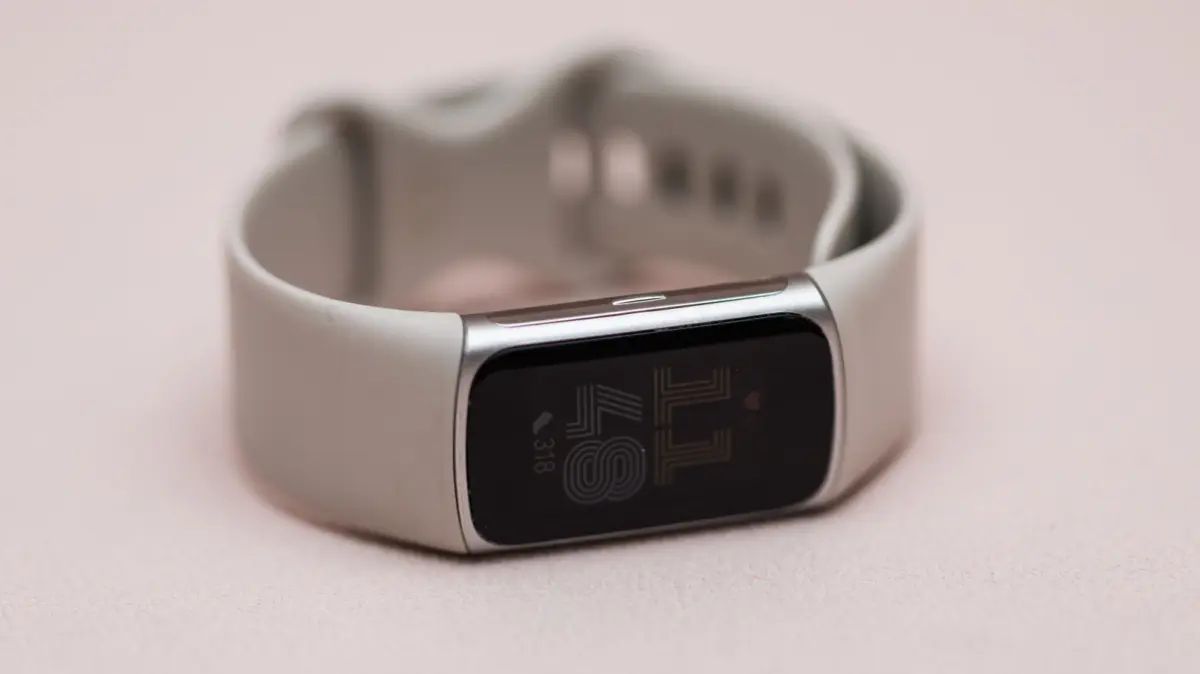
Google has officially signaled the impending launch of a new fitness tracker, the "Fitbit Edge," with a reveal anticipated for October 12, 2026. The tech giant’s health division, Google Health, posted cryptic messages across its official Instagram and X (formerly Twitter) accounts, showcasing a glimpse of the device and a date that all but confirms its arrival. This strategic tease follows a series of leaks that have provided a detailed preview of the device’s design, features, and market positioning, suggesting Google is keen to solidify its presence across all segments of the rapidly expanding health and fitness wearable market. The Fitbit Edge is expected to slot into Google’s diverse wearable portfolio, bridging the gap between the entry-level, screenless Fitbit Air and the more premium, full-featured Pixel Watch line, thereby offering consumers a broader spectrum of choices tailored to varying needs and budgets.
Google’s Strategic Vision for Wearables: A Tiered Approach
The announcement of the Fitbit Edge underscores Google’s deepening commitment to the health and fitness technology sector, a commitment that began in earnest with its landmark acquisition of Fitbit. In 2019, Google announced its intent to acquire Fitbit for approximately $2.1 billion, a deal that faced intense scrutiny from global antitrust regulators over concerns regarding data privacy and market dominance. After a protracted review process, the acquisition was finally approved in early 2021, with Google making several commitments to safeguard user data and maintain Fitbit’s open ecosystem. This acquisition was a pivotal moment, signaling Google’s ambition to directly challenge established players like Apple and Garmin in the lucrative wearables space.
Since then, Google has been strategically integrating Fitbit’s expertise in fitness tracking and health metrics with its own software prowess and hardware design capabilities. The overarching strategy appears to be a tiered product offering:
- Entry-Level: Devices like the Fitbit Air, a screenless tracker focused on essential activity and sleep monitoring, designed for users seeking simplicity and affordability.
- Mid-Range: The upcoming Fitbit Edge, which is poised to offer a more comprehensive feature set including a display, while maintaining a focus on dedicated fitness tracking and extended battery life.
- Premium/Smartwatch: The Pixel Watch series, which runs on Google’s Wear OS, offering advanced smartwatch functionalities, deeper integration with Google services, and a more robust app ecosystem.
This multi-pronged approach allows Google to cater to a wider demographic, from casual users interested in basic health tracking to tech enthusiasts desiring a full-fledged smartwatch. The continuous expansion of the Fitbit brand under Google’s stewardship also aims to leverage Fitbit’s strong brand recognition and loyal user base, while infusing it with Google’s design philosophy and software optimizations.
The Unveiling: From Cryptic Teases to Comprehensive Leaks
The journey of the Fitbit Edge into the public consciousness has been a classic example of modern product anticipation, blending strategic corporate teasing with extensive pre-release leaks.
Chronology of Revelations:
- August 2026: The first whispers of a new Fitbit device emerged when
9to5Google, a prominent tech publication, spotted an unnamed fitness tracker subtly featured in Google’s marketing materials for the Pixel 11 smartphone. While the device’s name and specific features remained elusive, its distinct form factor suggested a new addition to the lineup, distinct from existing Fitbit models and the Pixel Watch. This initial sighting sparked considerable speculation within tech communities regarding Google’s next move in the wearable market. - Earlier this week (October 2026): The veil was further lifted when
Android Headlinespublished a comprehensive report, revealing not only the "Fitbit Edge" moniker but also detailed images of its design. The report elaborated on the device’s built-in applications and a suite of health tracking features, providing the first concrete insights into its capabilities. This leak confirmed the existence of a display and hinted at a more interactive experience than the screenless Air. - Following
Android Headlines: The French technology magazineDealabscorroborated much of the information, reinforcing the device’s design and name. Crucially,Dealabsadded critical details regarding the Fitbit Edge’s battery life and its anticipated pricing in European markets, providing a near-complete picture of the device’s specifications ahead of any official announcement. - October 9, 2026: Official Tease: Google Health’s official social media channels on Instagram and X posted an image showcasing what appeared to be a side button on the new wearable, accompanied by the caption: "Get an Edge on your health. 10.12.26." The deliberate capitalization of "Edge" served as an unequivocal confirmation of the product’s name, while "10.12.26" precisely dated the upcoming reveal to October 12, 2026. This official teaser, strategically timed after the widespread leaks, built anticipation while validating the accuracy of the prior reports. The use of a simple yet effective call to action, "Get an Edge on your health," also clearly positions the device as a tool for enhanced well-being.
The orchestrated nature of these disclosures, culminating in Google’s own teaser, suggests a calculated marketing strategy. In an era where leaks are almost inevitable, some companies leverage them to generate buzz and manage expectations, turning potential setbacks into opportunities for pre-launch engagement.
Anticipated Features and Specifications of the Fitbit Edge
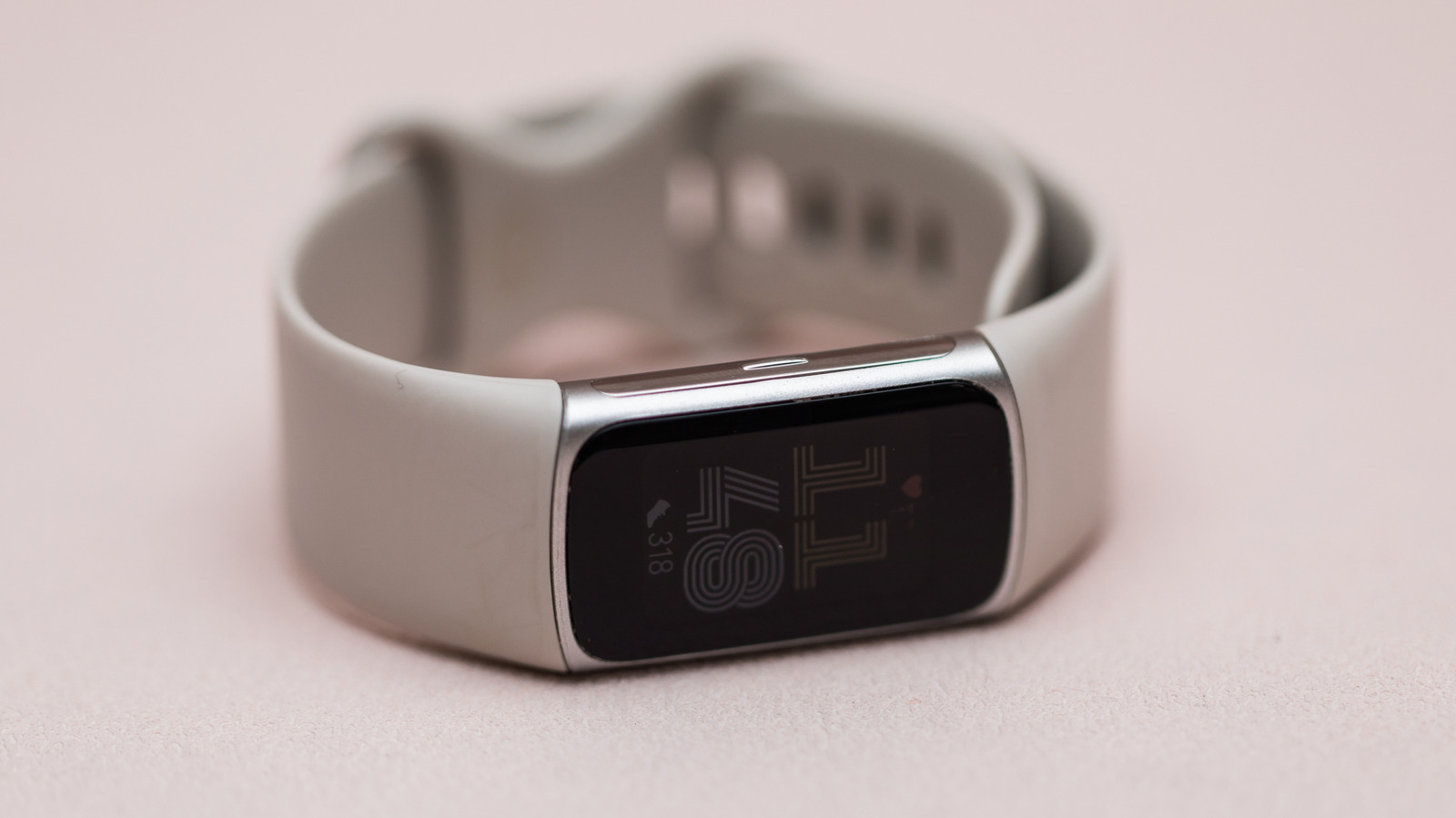
Based on the cumulative information from various leaks and Google’s teaser, the Fitbit Edge is shaping up to be a compelling mid-range offering with a focus on practical functionality and user convenience.
- Design and Display: The Fitbit Edge is expected to feature a compact, band-style design, a hallmark of Fitbit’s successful Charge series. Unlike the Fitbit Air, it will incorporate a display, likely an AMOLED panel, providing users with at-a-glance information for time, notifications, and health metrics. The teaser image suggests the return of a physical side button, a feature that was reintroduced with the Fitbit Charge 6 and widely appreciated for its tactile feedback and ease of navigation, especially during workouts.
- Health and Fitness Tracking: As a Fitbit device, the Edge will undoubtedly come equipped with a comprehensive suite of health and fitness tracking capabilities. These are expected to include:
- Heart Rate Monitoring: Continuous heart rate tracking, essential for exercise intensity, resting heart rate, and overall cardiovascular health.
- Activity Tracking: Step count, distance traveled, calories burned, and active zone minutes.
- Sleep Tracking: Detailed analysis of sleep stages (light, deep, REM), sleep score, and insights into sleep quality.
- Stress Management: Potentially through EDA (electrodermal activity) sensors or heart rate variability, offering tools for mindfulness and relaxation.
- SpO2 Monitoring: Blood oxygen saturation levels, crucial for understanding respiratory health, especially during sleep.
- Workout Modes: A variety of pre-set modes for different exercises, providing real-time metrics and post-workout summaries.
- Battery Life: One of the standout leaked specifications is the impressive battery performance. The Edge is reportedly capable of lasting up to seven days on a single charge with its always-on display disabled. Even with the always-on display activated, it is said to achieve two days of battery life. This longevity is a significant advantage over many smartwatches, which often require daily charging, and positions the Edge favorably for users who prioritize extended use without frequent recharges.
- Software and Ecosystem Integration: The Fitbit Edge will run on a streamlined Fitbit OS, optimized for its form factor. It will seamlessly integrate with the Fitbit app, which serves as the central hub for all health data, trends, and personalized insights. Furthermore, its inclusion in Google’s ecosystem means potential integration with Google services like Google Wallet for contactless payments, Google Maps for turn-by-turn navigation (likely through a connected phone), and potentially Google Assistant for voice commands, enhancing its utility beyond basic tracking.
- Pricing: The European pricing is rumored to be €179. Given typical regional pricing adjustments, this could translate to approximately $200 in the United States. However, considering the Fitbit Air launched at $99 in the US and €99 in Europe, a direct conversion isn’t always accurate. The US price could land closer to $180, placing it squarely in the mid-range segment, a competitive sweet spot for feature-rich fitness trackers.
Competitive Landscape and Market Implications
The introduction of the Fitbit Edge will intensify competition in the already crowded wearable market. Google’s tiered strategy aims to capture market share across various price points, directly challenging established players:
- Apple: The dominant force in smartwatches with its Apple Watch series, which offers comprehensive health features and a vast app ecosystem, albeit at a premium price point.
- Samsung: With its Galaxy Watch and Galaxy Fit lines, Samsung offers both Wear OS smartwatches and more focused fitness trackers, providing direct competition to both the Pixel Watch and Fitbit devices.
- Garmin: A long-standing leader in dedicated fitness and sports watches, known for its robust tracking capabilities, extended battery life, and specialized features for athletes. Garmin’s Vivosmart and Venu series directly compete with the Edge’s segment.
- Xiaomi and Huawei: These brands offer highly competitive, budget-friendly fitness bands and smartwatches, often providing a good feature set at a lower cost, appealing to a price-sensitive segment.
The Fitbit Edge’s positioning between the basic Air and the premium Pixel Watch is a shrewd move to carve out a niche. It targets users who desire more functionality than a basic band but don’t require the full capabilities or expense of a smartwatch. This demographic often prioritizes battery life, accurate fitness tracking, and a clear display for notifications and health stats.
Furthermore, the Edge is expected to serve as another gateway to the Google Health Premium subscription service. This subscription, which Google has been actively promoting, offers advanced insights, personalized coaching, readiness scores, and a deeper analysis of health trends. By offering devices like the Edge, Google encourages users to invest in its hardware, and then subsequently subscribe to its recurring service for an enriched health experience, thereby building a sustainable revenue stream beyond hardware sales. This model aligns with the broader industry trend of integrating hardware sales with software subscriptions, creating a more cohesive and potentially sticky ecosystem.
Broader Impact and Analyst Outlook
Industry analysts view Google’s continuous and diversified product releases in the wearable segment as a clear indication of its long-term strategic commitment to health technology. The global wearables market continues to grow, driven by increasing consumer awareness of health and wellness, coupled with technological advancements that make these devices more accurate and feature-rich. Data from market research firms consistently show strong demand for fitness trackers and smartwatches, with health monitoring features being a primary driver for purchases.
The strategy to offer a spectrum of devices, from entry-level trackers to premium smartwatches, is designed to capture diverse consumer needs and expand Google’s overall addressable market. The focus on integrating health data and promoting subscription services like Google Health Premium aligns with broader trends in personalized health technology, where raw data is transformed into actionable insights and tailored wellness programs. This not only enhances the value proposition for consumers but also positions Google as a comprehensive health partner rather than just a hardware provider.
As digital health solutions become more intertwined with daily life, the data collected by devices like the Fitbit Edge will become increasingly valuable for users to manage their personal well-being. Google’s challenge and opportunity lie in effectively integrating this data, providing secure and insightful platforms, and continually innovating to meet evolving user expectations for accuracy, privacy, and utility.
Conclusion
The impending reveal of the Fitbit Edge on October 12, 2026, marks another significant step in Google’s ambitious wearable strategy. By confirming the existence of this mid-range fitness tracker, Google is not only responding to market demands for diverse options but also reinforcing its long-term vision for a robust, interconnected health ecosystem. The Edge, with its blend of practical features, appealing design, and competitive pricing, is poised to become a key player in Google’s efforts to expand its reach and influence in the global health and fitness technology landscape. As the reveal date approaches, the industry will be watching closely to see if the Fitbit Edge lives up to the expectations set by the extensive leaks and Google’s strategic positioning.







