Chandra Wibowo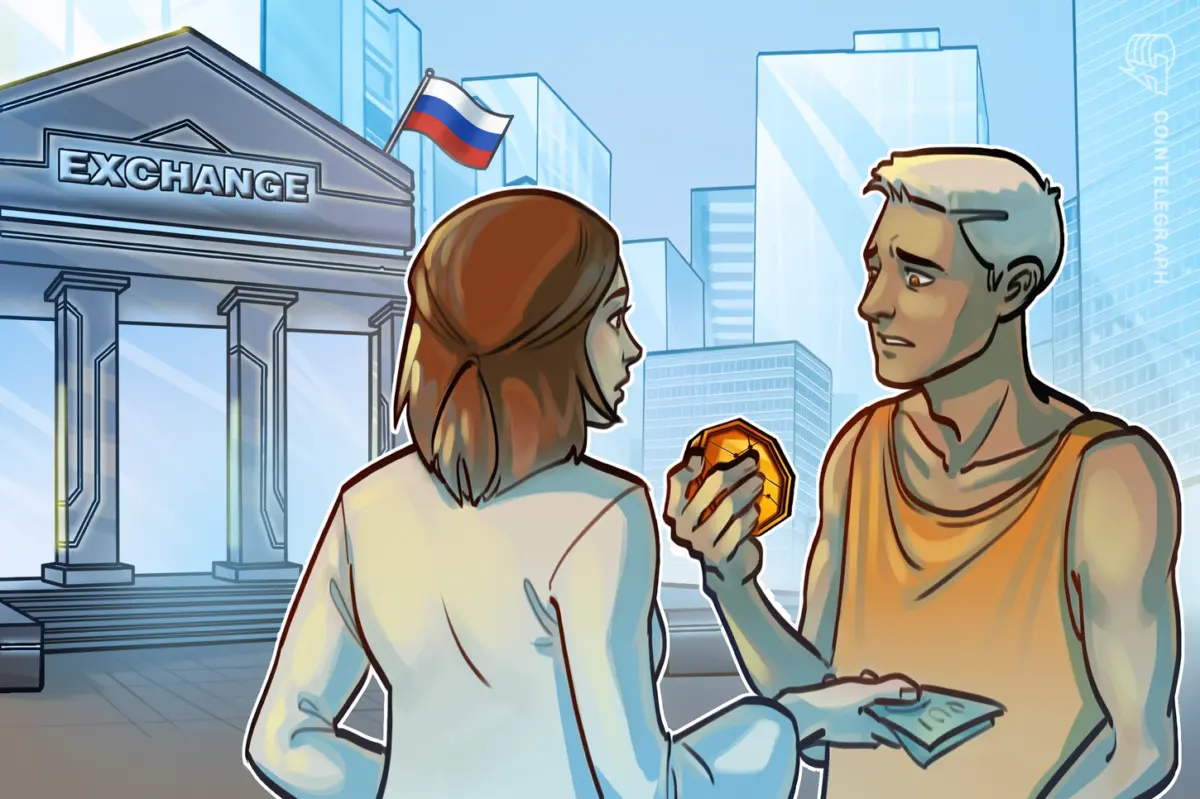
Russia is poised to enact a significant overhaul of its cryptocurrency landscape, with a new directive from the Bank of Russia mandating a complete ban on direct peer-to-peer (P2P) cryptocurrency transactions between individuals, effective July 1, 2027. This forthcoming prohibition signifies a decisive shift towards a more centralized and regulated digital asset ecosystem within the Russian Federation. Simultaneously, existing regulations already prohibit the direct transfer of digital assets from individuals’ bank accounts to self-custody wallets, further tightening the grip on unregulated crypto activities.
The Bank of Russia, the nation’s central monetary authority, detailed these forthcoming restrictions in updated guidance released on Monday. The core of the new policy is the elimination of individuals’ ability to exchange crypto assets directly with one another without the involvement of authorized intermediaries. This move, while aiming to enhance regulatory control and potentially bolster investor protection, is expected to fundamentally alter how Russian citizens engage with cryptocurrencies. The regulator has explicitly stated that such direct P2P transactions will only be permissible until the stipulated deadline of July 1, 2027.
Chronology of Evolving Crypto Regulations in Russia
The recent announcement from the Bank of Russia is not an isolated event but rather a continuation of a broader, multi-year regulatory effort to bring the burgeoning cryptocurrency market under official purview. Understanding the timeline of these developments is crucial to grasping the context and potential motivations behind the P2P ban.
- Early Stages and Ambiguity: For years, Russia’s approach to cryptocurrencies was characterized by a degree of ambiguity. While not outright illegal, there were significant legal gray areas regarding mining, trading, and usage. This led to a vibrant, albeit largely unregulated, crypto scene.
- Initial Legal Frameworks (Pre-2023): Initial legislative attempts focused on defining digital assets and establishing frameworks for their circulation. Discussions around taxation and potential bans on crypto payments for goods and services began to surface.
- September 1, 2023: New Crypto Rules Take Effect: This date marked a pivotal moment with the enforcement of Russia’s new cryptocurrency laws. These regulations brought crucial aspects of the digital asset market, such as exchange operators and custodians, under the direct oversight of the Bank of Russia. This was a significant step towards formalizing and controlling the industry.
- Recent Approvals for Major Banks: In the lead-up to the P2P ban, the Bank of Russia has been strategically authorizing traditional financial institutions to participate in the regulated crypto space. On Monday, the Bank of Russia granted Sberbank, the nation’s largest bank, approval to offer cryptocurrency exchange services. This followed an earlier endorsement of Sberbank as a digital asset custodian. These approvals signal a clear intention to channel crypto activity through established, regulated entities.
- July 1, 2027: P2P Ban Implementation: The newly announced deadline for the P2P ban represents the culmination of these regulatory efforts, aiming to consolidate crypto trading within authorized channels.
The Rationale Behind the P2P Ban and Wallet Restrictions
The Bank of Russia’s stated objectives for these stringent measures appear to revolve around several key areas: investor protection, combating illicit financial activities, and establishing a more predictable and controllable financial environment.
Investor Protection and Risk Mitigation
The unregulated nature of P2P crypto trading presents a heightened risk of fraud, scams, and market manipulation. By forcing individuals to transact through authorized intermediaries, the central bank aims to create a more secure environment. These intermediaries are expected to adhere to strict Know Your Customer (KYC) and Anti-Money Laundering (AML) regulations, thereby reducing the likelihood of individuals falling victim to fraudulent schemes or inadvertently participating in money laundering activities. The regulator’s guidance explicitly mentions the need to safeguard citizens from potential financial losses associated with direct, unvetted transactions.
Combating Illicit Finance and Sanctions Evasion
In the current geopolitical climate, where Russia faces extensive international sanctions, the government has expressed concerns about cryptocurrencies being used to circumvent financial restrictions or fund illicit activities. The ban on direct P2P trades and the restrictions on self-custody wallets are likely intended to enhance the traceability of cryptocurrency flows. Authorized intermediaries are subject to reporting requirements, making it more difficult for individuals to conduct anonymous or clandestine transactions. This move aligns with a broader global trend of increasing scrutiny over digital asset flows by financial regulators.
Centralized Oversight and Market Control
The shift towards authorized intermediaries and away from direct P2P trading facilitates a more centralized model of cryptocurrency management. This allows the Bank of Russia to have greater visibility and control over the digital asset market. By channeling all P2P activity through regulated platforms, the central bank can monitor transaction volumes, identify trends, and intervene if necessary to maintain financial stability. This approach is consistent with the Bank of Russia’s broader strategy of integrating digital assets into the traditional financial system under its direct supervision.
Restriction on Self-Custody Wallets: A Further Control Measure
The clarification that individuals cannot transfer crypto assets from their digital accounts to their own non-custodial, or self-custodial, wallets is a significant aspect of the new regulatory framework. Self-custody wallets are those where individuals hold their private keys, giving them complete control over their assets without relying on a third party. By prohibiting transfers to these wallets from digital accounts (presumably linked to regulated entities), the Bank of Russia aims to prevent individuals from moving their assets entirely outside of the regulated financial system once they enter it. This effectively encourages or mandates that all digital asset holdings remain within the purview of authorized custodians or exchanges.
Broader Implications and Industry Reactions
The implications of these sweeping regulatory changes are far-reaching for both individuals and the nascent crypto industry in Russia. While the stated goals are regulatory clarity and investor protection, concerns about the feasibility and impact of these measures are being voiced.
Impact on Individual Crypto Users
For everyday users, the P2P ban will necessitate a significant adjustment in how they trade cryptocurrencies. The convenience of direct, person-to-person exchanges will be replaced by the need to engage with regulated platforms. This could lead to increased transaction fees, slower settlement times, and a more bureaucratic process for acquiring or selling digital assets. The prohibition on transfers to self-custody wallets may also be viewed as an infringement on financial sovereignty for those who prefer to have full control over their private keys.
Challenges in Enforcement
Despite the clear directives from the Bank of Russia, industry observers have previously highlighted potential challenges in enforcing such broad restrictions. Experts like Jan3 CEO Samson Mow have argued that P2P trading, by its decentralized nature, is inherently more resilient to regulatory crackdowns compared to centralized exchanges. The ability to connect directly with other individuals across borders or through various communication channels makes it difficult for authorities to completely stamp out all P2P activity.
Stepan Uherik, an executive at SatoshiLabs (the company behind Trezor hardware wallets), has pointed out that while app bans might be contemplated, hardware and desktop wallets themselves are fundamentally difficult to ban outright. Users who are determined to maintain self-custody may find alternative, albeit potentially riskier, methods to acquire or trade cryptocurrencies. This suggests that the regulatory landscape might evolve into a cat-and-mouse game between authorities and tech-savvy users.
The Role of Authorized Intermediaries
The success of the new regulatory framework hinges on the robust development and widespread adoption of authorized intermediaries. The Bank of Russia’s approval of Sberbank’s crypto exchange services is a strong indicator of its intention to integrate major financial institutions into this ecosystem. This approach aims to lend credibility and stability to the regulated crypto market. However, it also raises questions about market concentration and whether these large institutions will be able to adequately serve the diverse needs of the crypto community, particularly those who have become accustomed to the agility of P2P markets.
Global Context and Future Trends
Russia’s move to centralize and regulate its crypto market is not an isolated phenomenon. Many countries worldwide are grappling with how to manage the rapid growth of digital assets. While some nations are exploring outright bans or highly restrictive measures, others are adopting more permissive approaches, focusing on innovation and regulatory sandboxes. Russia’s strategy appears to be firmly in the camp of strong state control, aiming to harness the potential of digital assets while mitigating perceived risks.
The prohibition on P2P trades and restrictions on self-custody wallets could be interpreted as a conservative stance, prioritizing stability and control over the freedoms often associated with decentralized technologies. The effectiveness of these measures will likely depend on the practical implementation, the ability of regulatory bodies to adapt to evolving technologies, and the response of the Russian public and the global crypto community.
As July 1, 2027, approaches, the Russian cryptocurrency sector will undergo a profound transformation. The era of unfettered direct P2P crypto trading is drawing to a close, paving the way for a more controlled and regulated digital asset environment, shaped by the directives of the Bank of Russia and the participation of authorized financial institutions. The long-term consequences for innovation, user autonomy, and the overall adoption of cryptocurrencies within Russia remain to be seen.