Galang Taruna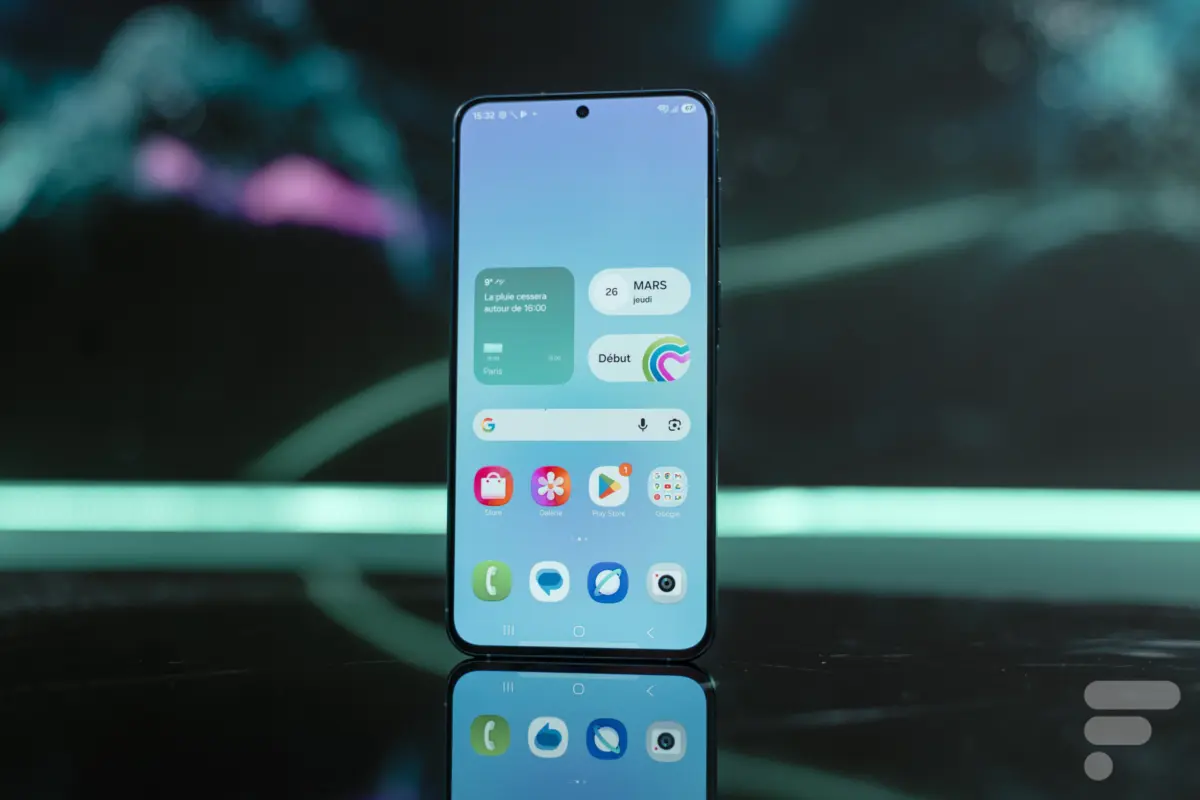
Samsung has officially commenced the broad distribution of its latest operating system, One UI 9, built upon the foundation of Android 17. This significant software update is now reaching a wide array of Galaxy smartphones, including the venerable Galaxy S23, S23+, and S23 Ultra, alongside several mid-range A-series devices: the Galaxy A57, A56, A37, A36, and A27. While users of these devices can anticipate a refreshed interface, enhanced performance, and crucial security updates, a key strategic distinction in Samsung’s rollout policy has emerged: the most computationally intensive Artificial Intelligence (AI) functionalities, branded under the "Galaxy AI" umbrella, will remain exclusively available to the most recent Galaxy S-series flagships and current foldable devices. This tiered approach underscores Samsung’s strategy to differentiate its premium offerings through advanced software capabilities, leveraging the robust hardware of its top-tier smartphones.
A Phased Global Rollout and Regional Disparities
The deployment of One UI 9 follows a characteristic phased approach, with South Korea typically serving as the initial launch market. Following this primary wave, other regions generally see the update within approximately a week, though the exact timing can fluctuate based on regional testing, carrier approvals, and local market conditions. For European consumers, patience remains key, as Samsung has yet to issue a specific timeline for the update’s availability across the continent. This absence of a concrete schedule often leads to anticipation and speculation among users, eager to experience the latest software enhancements on their devices.
The journey of One UI 9 began in late July, coinciding with the grand unveiling of Samsung’s cutting-edge foldable devices: the Galaxy Z Fold 8 Ultra, Z Fold 8, and Z Flip 8. These devices were the first to ship with Android 17 and the full suite of new AI features. Samsung later formalized the broader expansion of One UI 9 on September 16, initiating the rollout for the Galaxy S26, S26+, and S26 Ultra. These newer S-series flagships notably inherited the advanced AI capabilities first introduced with the Z Fold 8, with the update already accessible to S26 users in markets such as France. The current wave, extending to the Galaxy S23 series and specific A-series models, signifies a crucial step in making the core One UI 9 experience available to a wider user base.
One UI 9: Core Enhancements and User Experience Upgrades
For users of the Galaxy S23 series, the One UI 9 update is substantial, weighing in at approximately 3.85 GB. This considerable file size necessitates a Wi-Fi connection for download and a thorough check of available storage space on the device. Furthermore, as with any major operating system update, it is strongly advised that users perform a backup of their most critical data to prevent any potential loss during the installation process. Beta program participants, having already received incremental updates, will find a much smaller download size, typically under 500 MB, reflecting the final patch applied over their existing beta builds.
The core enhancements brought by One UI 9 are designed to refine the user experience and enhance system aesthetics. Users will notice a visibly refreshed design for system applications and notification cards, contributing to a more modern and cohesive visual language. The quick settings panel, accessed by swiping down from the top of the screen, gains increased customization options, allowing users to tailor their shortcuts and controls more precisely to their preferences. Beyond cosmetic changes, the update also incorporates the latest security patch for October 2026, ensuring that devices are protected against recently discovered vulnerabilities, a critical aspect of ongoing software maintenance.
For the mid-range Galaxy A-series, One UI 9 promises tangible performance improvements. The release notes indicate faster application launch times and smoother animations, which can significantly enhance the perceived responsiveness and fluidity of the user interface. These optimizations are particularly valuable for devices with less powerful processors compared to flagship models, ensuring a consistent and pleasant user experience across different hardware tiers.
The Strategic Divide: Galaxy AI Features and Hardware Exclusivity
Despite the widespread rollout of One UI 9, a clear line has been drawn regarding the availability of Samsung’s advanced Galaxy AI features. The most computationally demanding AI functionalities remain exclusive to the latest Galaxy S-series and current foldable devices. This strategic decision is likely driven by a combination of factors: the need to differentiate premium devices, the substantial processing power required for on-device AI operations, and Samsung’s ongoing efforts to highlight the cutting-edge capabilities of its flagship hardware.
The absence of Galaxy AI features on the A-series, even on higher-end models like the Galaxy A57, is explicitly noted in the update’s version notes. This stands in stark contrast to the S26 series, which received these AI enhancements directly from the Z Fold 8. A specific example highlighted is the Privacy Alerts function, an on-device AI mechanism designed to detect and flag suspicious background access to app permissions. Samsung’s official communication confirms that this particular feature is slated only for the Galaxy S23 through S26 series, foldable devices from the Z Fold 5 and Z Flip 5 onwards, and tablets from the Tab S9 through Tab S11 generations. Conspicuously absent from this list are any Galaxy A-series devices. This pattern aligns with Samsung’s previous approach, where AI integration has been minimal or entirely absent on its more affordable smartphone models, as observed in prior product reviews, such as the Galaxy A17 5G.
This segmentation of AI capabilities represents a significant strategic choice for Samsung. By reserving its most advanced AI for premium devices, the company reinforces the value proposition of its high-end lineup, encouraging consumers seeking the latest innovations to invest in its flagships. It also addresses the practical realities of on-device AI processing, which often requires dedicated neural processing units (NPUs) and robust system-on-chips (SoCs) found predominantly in premium hardware. For consumers, this means weighing the benefits of a refreshed UI and performance improvements against the allure of advanced AI features when making purchasing decisions across Samsung’s diverse product portfolio.
Broader Impact and Samsung’s Ecosystem Strategy
The rollout of One UI 9 and its associated features, or lack thereof, holds broader implications for Samsung’s overall ecosystem strategy and its competitive standing in the smartphone market. By extending the core One UI 9 experience to an older flagship series like the S23, Samsung demonstrates its commitment to long-term software support, a crucial factor for customer loyalty and device longevity. This commitment helps to retain value in its premium devices even after newer generations are released.
However, the deliberate exclusion of advanced AI from a significant portion of its mid-range lineup also signals a clear tiering strategy. In an increasingly competitive market where AI is becoming a key differentiator, Samsung is positioning Galaxy AI as a premium experience, integral to its flagship and foldable segments. This approach allows Samsung to maintain a distinct competitive edge for its high-end devices against rivals who might offer AI capabilities across a broader range of price points. It also encourages an upgrade cycle among users who wish to access the full spectrum of Samsung’s technological innovations.
Future Updates and Device Compatibility
Beyond the immediate rollout, Samsung has outlined plans for One UI 9 to reach an even wider array of devices, though without specific dates. The tablet segment is next in line, with the update slated for the Galaxy Tab S9, Tab S10, Tab S11, Tab A11, Tab S6 Lite (2024), and Tab Active 5. The absence of a concrete timeline for tablets suggests ongoing optimization efforts to adapt the One UI 9 experience to larger screen formats and potentially more diverse hardware configurations.
Similarly, a host of other smartphones are expected to receive One UI 9, further expanding the reach of Android 17 and Samsung’s updated interface. This includes a broad range of Galaxy A-series models, from the A55 down to the A15, as well as the A08, A07, and A06. The Galaxy M-series, starting from the M06, and the ruggedized XCover 7 and XCover 7 Pro models are also on the roadmap. This extensive list underscores Samsung’s dedication to providing a consistent software experience across its vast product ecosystem, ensuring that a significant portion of its user base benefits from the latest advancements.
How to Check for the Update
For Galaxy users eager to ascertain if One UI 9 is available for their device, the process is straightforward. Navigate to the "Settings" menu on your smartphone, then select "Software Update." From there, initiate a search for available updates. If One UI 9 has been released for your specific model and region, a "Download and install" button will appear, allowing you to commence the update process. Given the size of the update for many devices, ensuring a stable Wi-Fi connection and sufficient battery life is recommended before initiating the download and installation.