Vera Intan Clara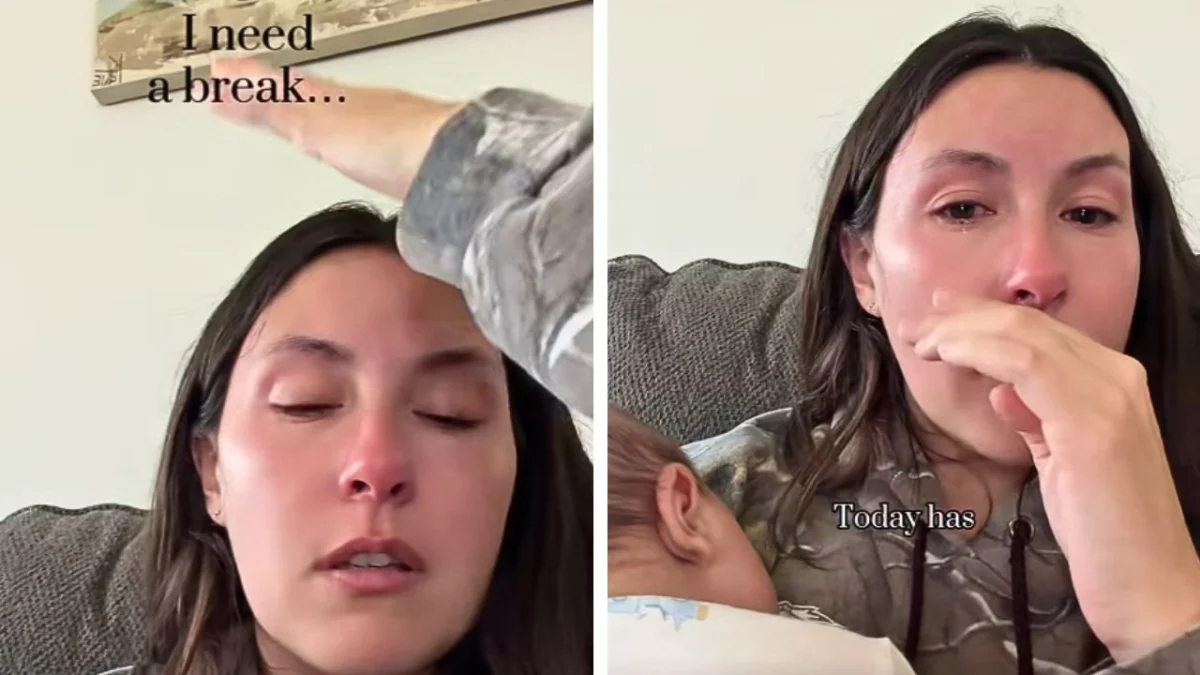
On July 31, a mother identified as Julia shared a candid TikTok video that immediately resonated with millions, laying bare the profound and often unacknowledged exhaustion prevalent in new parenthood. Her raw portrayal of feeling overwhelmed while caring for her infant, especially after the baby had undergone recent surgery, struck a chord, highlighting a reality where the simple act of getting through the day can be the most formidable challenge. Julia described her day as "literally so hard" and confessed to feeling "so touched out," a common but seldom discussed phenomenon among new mothers. Despite acknowledging her baby’s recent medical procedure, she articulated a fundamental human need for personal time and space. "Sometimes postpartum is just like, ugh," she expressed, encapsulating a sentiment of profound weariness that extends far beyond typical fatigue.
The video itself offered a poignant visual narrative: Julia, visibly tired, sat on a couch cradling her infant, repeatedly tapping her hand against her head. Overlaying text starkly read, "I need a break." This unvarnished depiction moved beyond the idealized image of new motherhood, offering a crucial counter-narrative to the pervasive myth that postpartum exhaustion is merely a minor inconvenience solvable with a few minutes of "self-care." It underscored the relentless demands of newborn care, which frequently leave parents with negligible uninterrupted time for basic necessities like eating, sleeping, showering, or even a moment of solitude.
The Unseen Struggle: A Deeper Look into Postpartum Fatigue
Julia’s TikTok serves as a powerful testament to the often-invisible struggles inherent in the postpartum period, frequently referred to as the "fourth trimester." This critical phase, extending beyond the initial six weeks after childbirth, is characterized by profound physical recovery, intense hormonal fluctuations, and the all-consuming demands of caring for a newborn. While joyous, it is also a period of immense vulnerability for parents, particularly mothers, who often bear the brunt of infant care responsibilities.
The concept of "postpartum fatigue" is far more pervasive and debilitating than many realize. It transcends mere tiredness; it is an exhaustion that permeates every aspect of a new parent’s existence, affecting cognitive function, emotional regulation, and physical stamina. This isn’t just a lack of sleep; it’s a chronic, cumulative depletion of energy reserves that can make even simple tasks feel monumental.
Supporting this anecdotal evidence, extensive research underscores the prevalence of postpartum fatigue. A CDC-indexed study published in the journal Birth, involving 716 mothers interviewed five weeks after childbirth, found that a staggering 64% reported experiencing fatigue. This study identified fatigue as the most frequently reported postpartum symptom, surpassing even physical discomforts related to childbirth recovery. The research further highlighted a significant association between breastfeeding and greater postpartum symptoms, suggesting that the physiological demands of nursing can exacerbate an already challenging period.
Another CDC-indexed study, detailed in the American Journal of Obstetrics and Gynecology, reinforced these findings, indicating that fatigue remained the most frequently reported childbirth-related symptom at 11 weeks postpartum. This extended timeline emphasizes that exhaustion is not a transient issue resolving quickly after birth. The study specifically attributed heightened exhaustion to reduced sleep, the relentless nature of child care responsibilities, and the ongoing physical recovery from childbirth, which often includes healing from vaginal tears, C-section incisions, and uterine contractions.
Beyond Physical Exhaustion: The "Touched Out" Phenomenon
Julia’s feeling of being "so touched out" speaks to a specific form of sensory and emotional overload that many new parents experience, particularly those who are breastfeeding or chestfeeding. This phenomenon, sometimes referred to as "touch aversion" or "lactation aversion" when tied to nursing, describes a profound sense of discomfort or irritation from being physically touched, often by the baby, after prolonged periods of physical contact and demand.
The constant physical connection required for infant care—holding, feeding, changing, comforting, skin-to-skin contact—can lead to a depletion of a parent’s personal physical boundaries. For a mother, her body transitions from being solely her own to a primary source of nourishment, comfort, and survival for another being. This relentless physical demand, coupled with severe sleep deprivation and hormonal shifts, can make even the most loving touch feel overwhelming and intrusive, leading to a deep yearning for physical autonomy and personal space. It’s not a rejection of the baby, but a biological and psychological response to constant sensory input and the lack of personal space. This aspect of postpartum life is frequently misunderstood, leading parents to feel guilty or abnormal for experiencing such intense aversions.
The Myth of ‘Rest When the Baby Rests’ and Societal Expectations
The cultural narrative surrounding new parenthood frequently perpetuates unrealistic expectations. One of the most commonly cited pieces of advice, "rest when the baby rests," while well-intentioned, often proves incredibly difficult, if not impossible, to follow in practice. This seemingly simple suggestion fails to account for the myriad other demands placed on new parents during those brief windows of infant sleep.
For many, these precious moments are not opportunities for rest but rather for completing essential tasks that cannot be done while actively caring for the baby. This includes preparing meals, eating, showering, cleaning bottles, sterilizing pump parts, doing laundry, tidying up, or even simply using the bathroom uninterrupted. The cumulative effect of constantly prioritizing these chores over personal rest means that parents, especially mothers, are often running on empty, unable to adequately recharge their physical and mental batteries.
Historically, many cultures observed a "lying-in" period, where new mothers were traditionally supported by a community or extended family, allowing them to focus solely on recovery and bonding with their newborn while others managed household tasks. Modern Western societies, however, often place a strong emphasis on individual self-sufficiency and a rapid return to pre-pregnancy routines, leaving new parents feeling isolated and pressured to "bounce back" quickly, both physically and emotionally. This disconnect between traditional support systems and contemporary expectations exacerbates the challenges of the postpartum period.
Official Responses and Expert Recommendations for Managing Postpartum Life
Medical organizations and public health bodies are increasingly recognizing the profound impact of postpartum fatigue and the broader challenges of the fourth trimester. The American College of Obstetricians and Gynecologists (ACOG) emphasizes the importance of ongoing postpartum care, extending beyond the traditional six-week check-up. ACOG guidelines recommend a comprehensive postpartum visit within the first three weeks after birth, followed by ongoing care as needed, to assess not only physical recovery but also emotional well-being, including screening for depression and anxiety.
Healthcare providers frequently offer practical strategies to help new parents navigate overwhelming days:
- Lowering Expectations: A crucial realistic approach is to significantly lower expectations for productivity, especially on particularly difficult days. Prioritizing only the absolute necessities—feeding the baby, changing diapers, ensuring the baby’s safety, and attending to basic personal hygiene—allows nonessential chores to wait. The mantra often becomes "good enough is perfect."
- Accepting and Seeking Help: Actively seeking and accepting help from a partner, relatives, friends, or even professional postpartum doulas can be transformative. Delegating tasks such as cooking, cleaning, grocery shopping, or even taking the baby for a brief period can create vital opportunities for a parent to sleep, shower, or simply have a few minutes of uninterrupted solitude. Partners play a critical role in this, and equitable division of labor, even during parental leave, is paramount.
- Brief Calming Activities: While not a substitute for rest, incorporating brief calming activities can offer small resets. This might include practicing slow, deep breathing exercises, stepping away for a few minutes while the baby is safely settled (e.g., in a bassinet or crib), or listening to a short guided meditation. The goal is not to eliminate exhaustion but to make an overwhelmingly difficult day more manageable and prevent complete burnout.
- Prioritizing Nutrition and Hydration: While often overlooked amidst the chaos, maintaining adequate nutrition and hydration is fundamental to sustaining energy levels and supporting physical recovery. Simple, easy-to-prepare meals and readily available water bottles can make a significant difference.
Distinguishing Exhaustion from Postpartum Mood and Anxiety Disorders
It is critically important to distinguish between ordinary postpartum exhaustion, however severe, and the symptoms of more serious postpartum mood and anxiety disorders (PMADs), such as postpartum depression (PPD) or postpartum anxiety (PPA). While fatigue is a hallmark symptom of both, PMADs involve additional, more persistent, and debilitating symptoms that significantly interfere with daily functioning and a parent’s ability to care for themselves or their baby.
The Centers for Disease Control and Prevention (CDC) provides clear guidelines on recognizing PMADs. Postpartum depression, for instance, can manifest as intense sadness, profound hopelessness, severe anxiety, persistent irritability, or overwhelming feelings of guilt or shame. It can also include a lack of interest or pleasure in activities once enjoyed, changes in appetite or sleep patterns (beyond typical newborn-induced disruption), difficulty bonding with the baby, and, in severe cases, thoughts of harming oneself or the baby. Postpartum anxiety, often co-occurring with depression, involves excessive worry, racing thoughts, panic attacks, and physical symptoms like heart palpitations or shortness of breath.
If symptoms of exhaustion persist for more than a few weeks, or if they are accompanied by intense sadness, severe anxiety, an inability to cope, or any thoughts of self-harm or harming the baby, it is imperative for new parents to consult a healthcare provider immediately. Early intervention and professional support are crucial for effective management and recovery from PMADs.
Broader Implications and The Path Forward
Julia’s viral TikTok is more than just a personal confession; it is a microcosm of a broader societal conversation unfolding around the realities of parenthood. The immense resonance of her video underscores a collective hunger for authenticity and a demand for greater understanding and support for new parents.
This increasing visibility, largely fueled by social media platforms, plays a vital role in de-stigmatizing parental struggles. By sharing raw, unfiltered experiences, parents like Julia contribute to dismantling the idealized and often isolating narratives of perfect parenthood. This cultural shift can pave the way for more robust support systems, both informal and formal.
The implications extend to healthcare policy, workplace practices, and community support initiatives. There is a growing call for longer, more inclusive parental leave policies that allow both parents adequate time to recover and bond without financial strain. Employers are increasingly being encouraged to offer flexible work arrangements and access to mental health resources. Communities can foster better support networks through parent groups, meal trains, and practical assistance for new families.
Ultimately, the goal is to move towards a society that not only celebrates new life but also adequately supports those who bring it into the world. A realistic understanding of the postpartum period, acknowledging its challenges alongside its joys, is fundamental to ensuring the well-being of both parents and their children. Julia’s candid moment on TikTok has served as a powerful catalyst, urging us all to listen, empathize, and respond with meaningful support.
Parents experiencing thoughts of harming themselves or their baby should contact the Postpartum Support International helpline at 1-800-944-4773 or text ‘HELLO’ to 503-894-9453. The 988 Suicide and Crisis Lifeline is also available by call or text at 988.
The Daily Dot was unable to independently verify the specific events described in Julia’s TikTok video. The medical information cited above draws on CDC-indexed research and ACOG guidelines. This article is not a substitute for professional medical advice.