Sonny Valindra
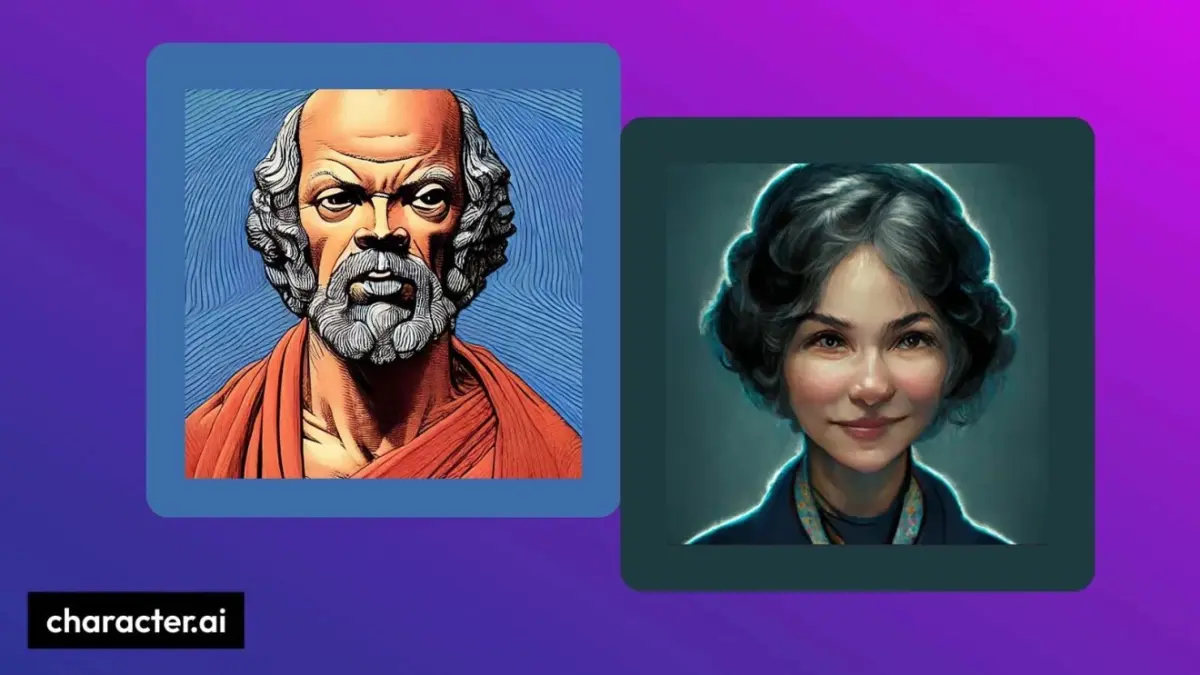
In a significant development following the bankruptcy filing of AI chatbot startup Character.AI earlier this week, a substantial portion of its workforce is poised to find new employment opportunities within the entertainment giant Disney. The agreement, revealed through legal filings, outlines Disney’s commitment to absorb at least 60 of Character.AI’s employees, representing the majority of its staff, with an estimated annual compensation package totaling $60 million. This move comes as Disney’s first Chief Technology Officer, Karandeep Anand, formerly the CEO of Character.AI, transitions to lead the company’s artificial intelligence initiatives.
The bankruptcy proceedings, initiated on October 13, 2026, have cast a shadow over the promising, albeit turbulent, trajectory of Character.AI. While the company boasted a "large and engaged user base," it was reportedly hobbled by escalating operational costs and significant legal challenges. These challenges included a high-profile lawsuit filed by the mother of a 14-year-old boy, alleging that her son’s obsessive interaction with a Character.AI chatbot contributed to his suicide. Furthermore, the company has been under scrutiny from government bodies, including investigations into child safety concerns by the Texas Attorney General’s office in December 2024.
The legal filing, brought to light by Bloomberg, details the "stalking horse bid" nature of Disney’s offer. This implies that while Disney has presented a foundational agreement to acquire certain assets and personnel, other entities have the potential to submit higher bids, a standard procedure in bankruptcy auctions designed to maximize returns for creditors. Character.AI’s previous statement indicated that Disney had agreed to acquire some of its assets for $20 million, a figure that appears to be a component of this larger personnel and asset acquisition strategy. The acceptance rate of Disney’s employment offers by Character.AI employees has been reported as high, suggesting a strong desire for stability and a perceived positive career path within a major corporation.
Background of Character.AI and its Challenges
Character.AI emerged as a prominent player in the rapidly evolving field of conversational AI, allowing users to interact with AI-powered characters, ranging from historical figures to fictional personalities. Founded with the vision of creating more engaging and personalized AI experiences, the platform rapidly garnered a significant user following. However, the ambitious scope of its operations and the inherent complexities of AI development and deployment came with substantial financial demands.
The company’s journey was not without its ethical and legal hurdles. The lawsuit stemming from the tragic death of a young user brought to the forefront the critical issues surrounding the psychological impact of AI interactions, particularly on vulnerable populations. The subsequent government investigations into child safety further amplified these concerns, signaling a growing regulatory landscape that companies in the AI space would need to navigate. These liabilities, coupled with the ongoing costs associated with maintaining and developing advanced AI models, appear to have contributed to the financial strain that ultimately led to the bankruptcy filing.
The transition of Karandeep Anand to Disney as its first CTO is particularly noteworthy. Anand’s prior leadership at Character.AI, an AI startup that Disney itself had previously accused of copying its characters, adds an intriguing layer to this acquisition. This past legal entanglement, while potentially complex, underscores the high stakes and competitive nature of the AI development landscape, even between entities that might engage in litigation. Anand’s deep understanding of AI technology and his recent leadership role at Character.AI position him strategically to bolster Disney’s own AI capabilities.
The Agreement with Disney: A Deeper Look
The legal filing provides granular details about the scope of Disney’s commitment. The offer to at least 60 Character.AI employees signifies a significant portion of the startup’s workforce, suggesting that Disney is not merely acquiring intellectual property but also crucial human capital. The estimated $60 million in annual compensation highlights the value placed on these individuals and their specialized skills in AI development, natural language processing, and related fields. This substantial investment underscores Disney’s strategic intent to integrate advanced AI capabilities into its vast entertainment ecosystem.

The "vast majority" of Character.AI employees who received offers have reportedly accepted them. This high acceptance rate can be attributed to several factors: the financial stability and brand recognition of Disney, the potential for exciting new projects within a global entertainment leader, and the assurance of continued employment in a sector that can be characterized by volatility. For employees facing the uncertainty of a bankrupting employer, a stable offer from a company of Disney’s stature would be highly attractive.
However, the "stalking horse bid" mechanism remains a critical element. This process is designed to solicit competing offers and ensure that the assets are sold at the best possible price. If another company were to present a superior bid, Character.AI’s bankruptcy court would then have to evaluate these competing offers. This introduces an element of potential competition for these AI talents, although the specifics of the bids would determine the ultimate outcome.
Analysis of Implications: What This Means for AI and Entertainment
The acquisition of Character.AI’s talent and assets by Disney has several significant implications for both the AI industry and the entertainment sector.
For Disney:
- Accelerated AI Integration: Disney is making a clear statement of intent to be at the forefront of AI integration within its creative and operational processes. The influx of experienced AI engineers and researchers from Character.AI will likely accelerate the development and deployment of AI-powered features across its theme parks, streaming services, content creation, and customer experiences.
- Talent Acquisition: Securing a large group of skilled AI professionals provides Disney with immediate access to specialized expertise that is in high demand globally. This preempts potential competition for these individuals from other tech giants.
- Strategic Advantage: By bringing in talent with a background in interactive AI and character development, Disney could be looking to enhance its interactive storytelling, create more sophisticated theme park experiences, or develop personalized content recommendations for its streaming platforms. The company’s history of innovation suggests a forward-thinking approach to leveraging new technologies.
For the AI Industry:
- Consolidation and Talent Migration: The bankruptcy of a relatively well-known AI startup and the subsequent absorption of its workforce by a larger entity highlights a trend of consolidation within the AI sector. Startups, even with strong user engagement, face immense pressure from high operational costs and regulatory scrutiny. This event also underscores the mobility of AI talent, with skilled professionals often moving between startups and established corporations.
- Focus on Ethical AI and Safety: The legal and regulatory challenges faced by Character.AI serve as a stark reminder of the critical importance of ethical AI development and robust safety protocols, particularly concerning minors. As AI becomes more deeply integrated into society, regulatory bodies and industry leaders are increasingly focused on ensuring responsible innovation. Disney’s acquisition may also involve inheriting and addressing these ongoing safety concerns.
- Asset Valuation in AI Bankruptcy: The process of valuing and acquiring assets from bankrupt AI companies will become a more defined area. The "stalking horse bid" model suggests a structured approach to liquidating such assets while potentially preserving their value through strategic acquisitions.
For Former Character.AI Employees:
- Career Stability and Growth: The opportunity to join Disney offers a significant step up in terms of career stability and potential for growth within a well-established and respected global brand.
- New Avenues for Innovation: Working within Disney’s expansive framework may open up new and exciting avenues for applying their AI expertise, potentially impacting millions of consumers worldwide through innovative entertainment experiences.
- Navigating a New Corporate Culture: While exciting, the transition will also involve adapting to a new corporate culture and operational environment, a common challenge for employees moving between organizations.
The Road Ahead for Disney and AI
Disney’s strategic move to acquire talent from Character.AI underscores its commitment to embracing the transformative potential of artificial intelligence. The company has a long history of leveraging technology to enhance its storytelling and customer engagement. With the integration of these new AI professionals, Disney is positioning itself to harness the power of AI to create even more immersive, personalized, and innovative experiences for its global audience. The success of this integration will likely be closely watched as a bellwether for how major entertainment companies can effectively leverage AI talent and technology amidst the evolving landscape of the tech industry. The coming months will reveal how Disney plans to deploy this new expertise and what new AI-driven innovations will emerge from the synergy between these two entities.