Sisilia Frederika
Since the launch of the Human Genome Project in 1990, the scientific community has undergone a paradigm shift in its understanding of the biological blueprints that define human life. By the time the project was declared complete in April 2003, researchers had successfully sequenced the 3 billion chemical base pairs that constitute human DNA. However, while the "alphabet" of life was decoded, the physical rules governing how this vast library of information is organized within the three-dimensional space of a cell remain a subject of intense investigation. Among the most pressing questions in modern biophysics is how gravity—a constant force throughout four billion years of Earth’s evolutionary history—influences life at the molecular and mitochondrial levels.
A landmark study led by researchers at the Center for Soft Matter Research at New York University (NYU) has recently provided new insights into this mystery. By developing an innovative technique to simulate microgravity on Earth, the team sought to isolate the impact of gravity on human genes and determine how the genome functions in a weightless environment. The research, published in the journal Science Advances, represents a critical step in mitigating the physiological risks of long-duration spaceflight and understanding the fundamental mechanical stresses that shape cellular life.
The Physical Complexity of the Human Genome
To appreciate the significance of the NYU study, one must consider the staggering physical complexity of the human genome. Every cell in the human body contains approximately two meters of DNA molecules. This extensive genetic material must be folded and packed into a nucleus that is barely 10 micrometers in diameter—roughly one-tenth the width of a human hair. This packing is not random; the spatial organization of the genome is directly linked to its function. How the DNA is positioned within the nucleus determines which genes are accessible for "reading" and which are silenced.
Deviations in this organizational structure are known to lead to severe health consequences, including the development of various cancers and complex developmental disabilities. On Earth, gravity exerts a constant mechanical stress on this delicate architecture. Scientists have long theorized that removing this stress could alter the way the genome organizes itself, potentially leading to the physiological changes observed in astronauts.
Lessons from the International Space Station and the NASA Twins Study
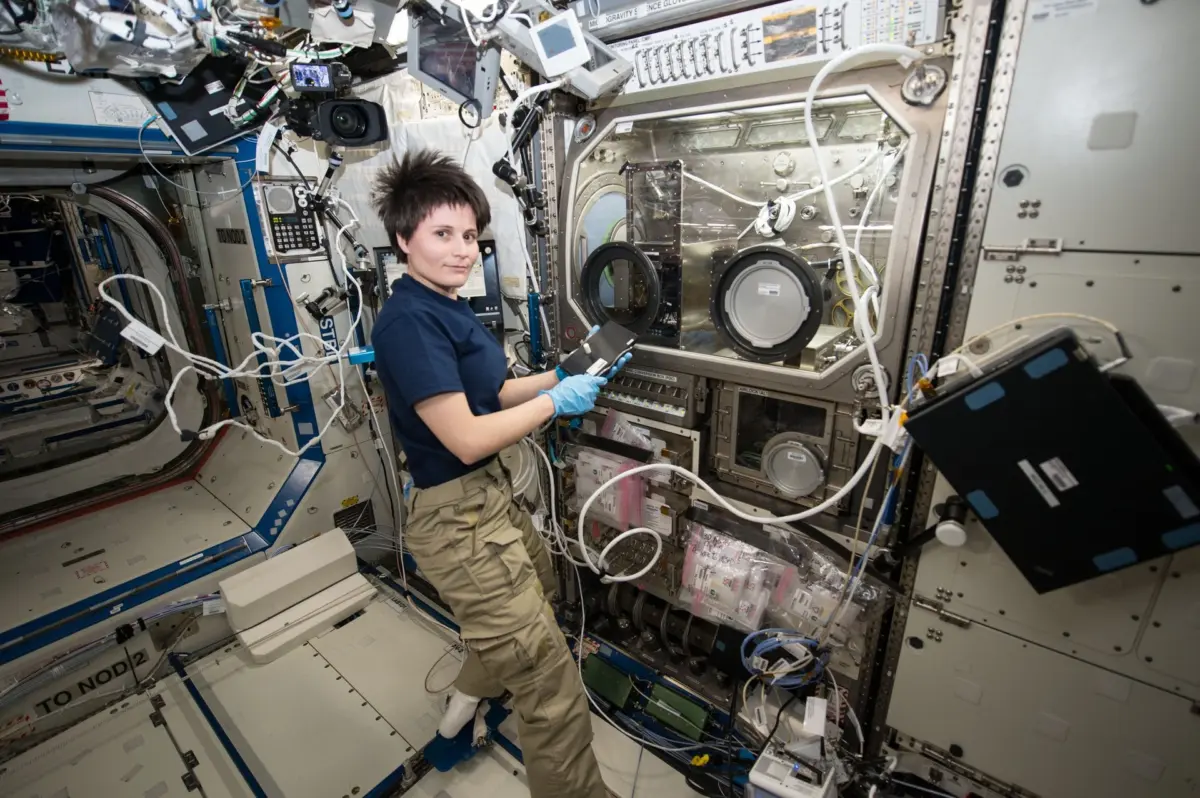
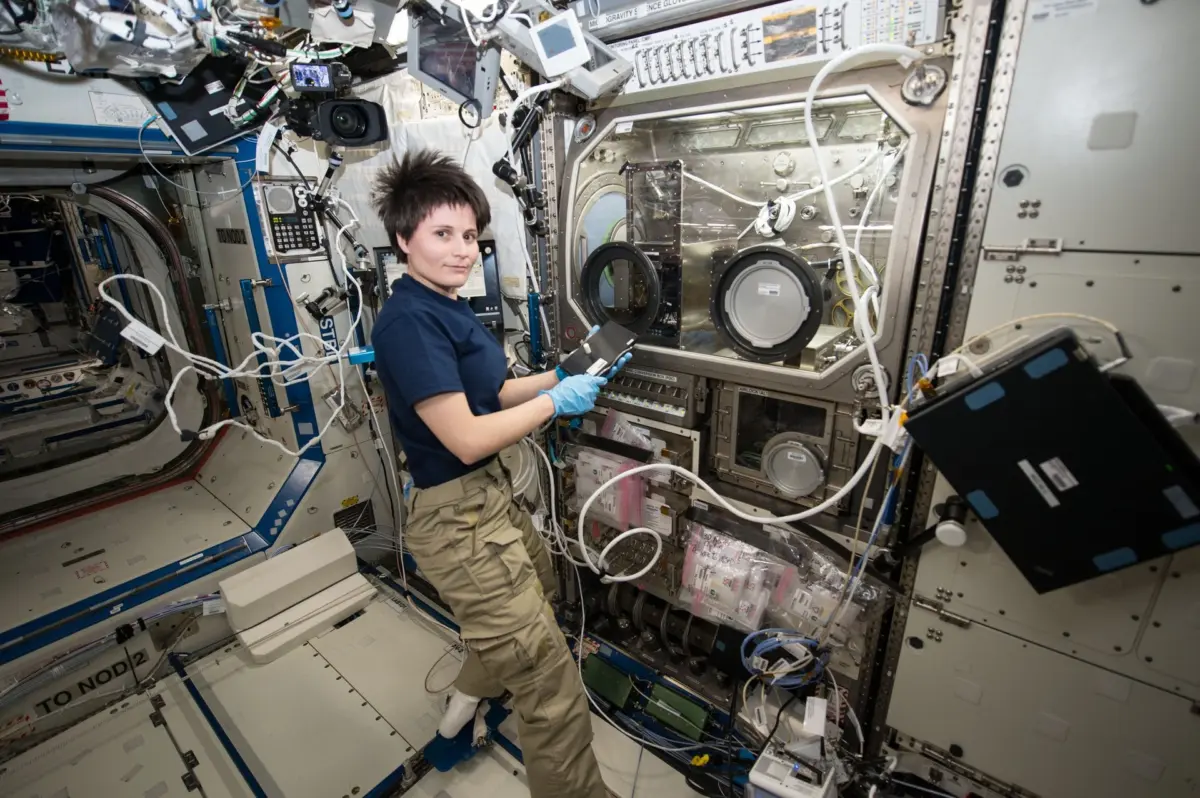
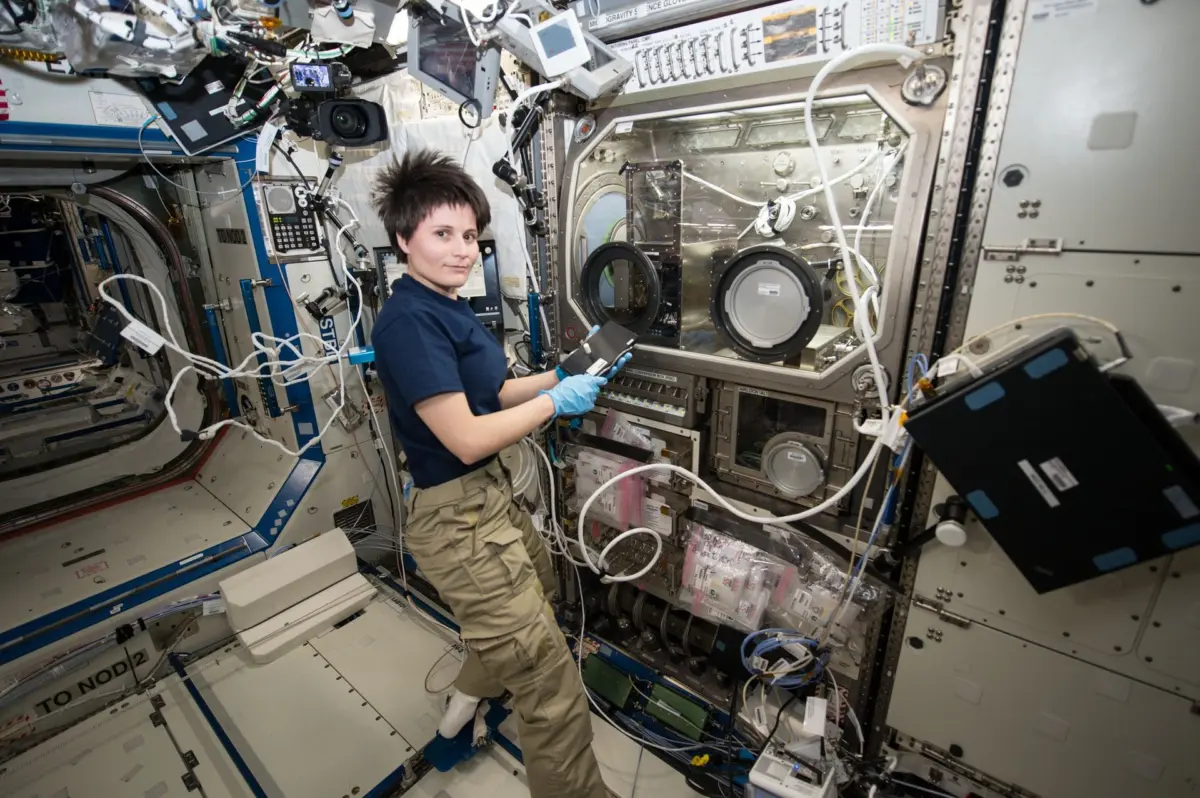
The impetus for the NYU research stems from decades of observations aboard the International Space Station (ISS). It is well-documented that prolonged exposure to microgravity causes significant alterations in human physiology. Astronauts frequently experience muscle atrophy, a reduction in bone density, vision impairment known as Spaceflight-Associated Neuro-ocular Syndrome (SANS), and various disruptions to the cardiovascular and central nervous systems.
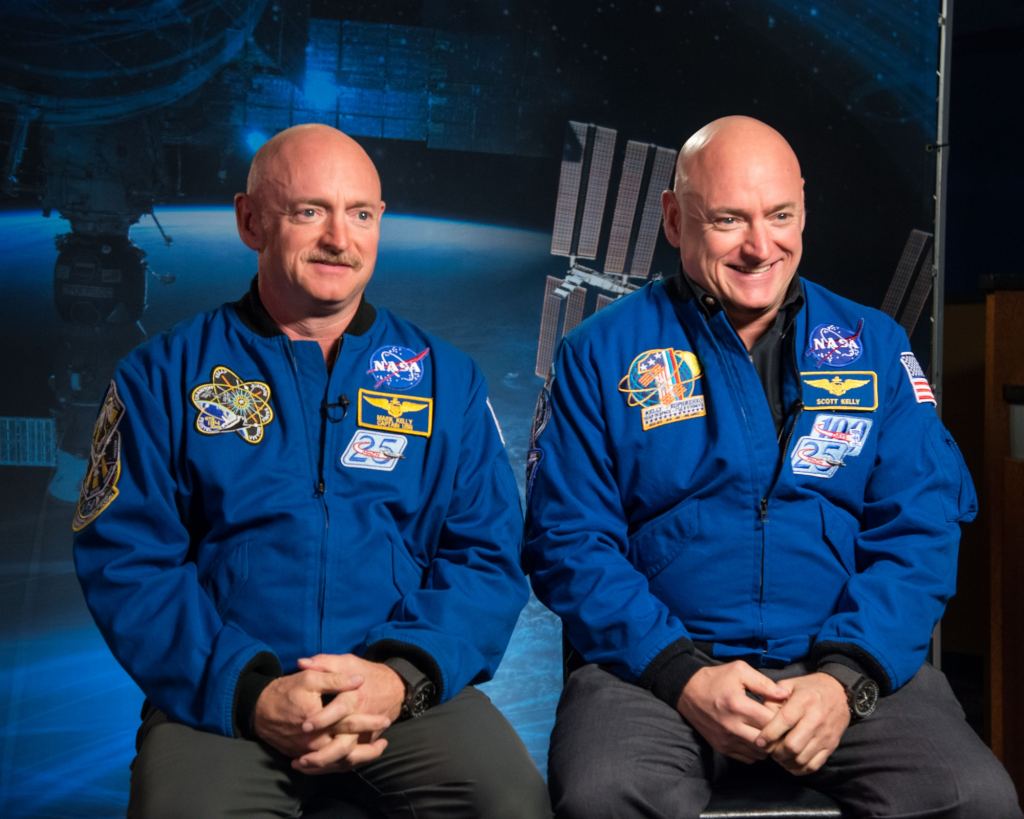
The most comprehensive look at these effects to date was NASA’s Twins Study, which compared astronaut Scott Kelly, who spent nearly a year on the ISS, with his identical twin brother, Mark Kelly, who remained on Earth as a control subject. The study revealed that microgravity affects humans at the genetic level, influencing gene expression and even the length of telomeres—the protective caps on the ends of chromosomes. However, the Twins Study and other ISS-based research are often confounded by other variables, such as cosmic radiation, the stress of confinement, and the logistical difficulties of performing high-resolution imaging in orbit. The NYU team aimed to isolate gravity as a single variable to understand its specific role in genomic organization.
Methodology: Simulating Weightlessness in the Laboratory
To conduct their experiments, the NYU researchers, led by Alexandra Zidovska, an associate professor in NYU’s Department of Physics, designed and built a Random Positioning Machine (RPM). This device is a ground-based simulator that replicates the effects of microgravity by constantly rotating a sample along two independent axes. By following a complex three-dimensional path, the machine ensures that the gravity vector is averaged to zero over time, effectively "tricking" the living cell cultures into a state of weightlessness.
A primary challenge in ground-based microgravity simulation is the unintended creation of fluid flows. When a liquid-filled dish is rotated, the movement can create shear stress—a mechanical force caused by the fluid sliding against the cells. In previous studies, it was often difficult to distinguish whether observed changes were caused by the lack of gravity or by these artificial fluid flows.
To solve this, the NYU team developed sophisticated 3D algorithms designed to minimize fluid flow during rotation. They also created a set of control experiments to specifically investigate how these flows affect cells. By comparing cells in simulated microgravity with minimal flow against cells exposed to intentional fluid flows, the researchers were able to isolate the effects of weightlessness with unprecedented precision. This methodological refinement led to a significant reduction in the formation of cell aggregates, which had obscured the results of earlier investigations.
Key Findings: Robustness and Cellular Expansion
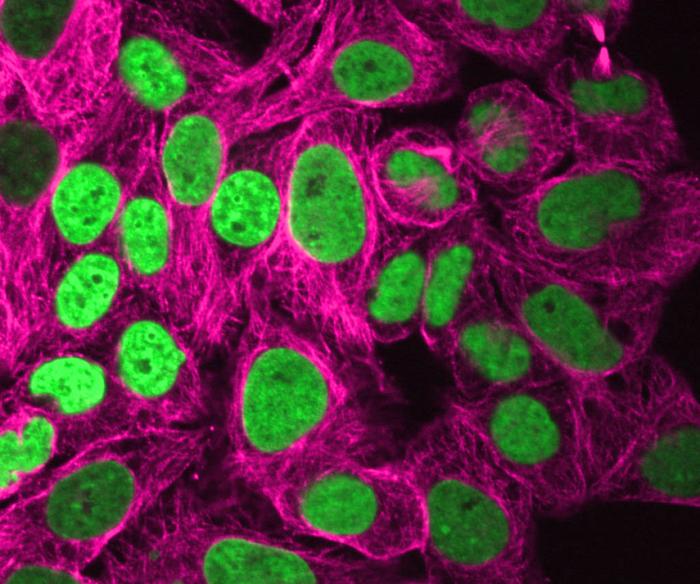
After exposing human cell cultures to 24 hours of simulated microgravity or fluid flows, the team utilized advanced high-resolution imaging and 3D analysis to observe the results. The findings provided a nuanced view of cellular resilience and vulnerability.
The data revealed that 24 hours of microgravity led to an increase in the volume of the cell nucleus. This suggests that, on Earth, gravity acts as a compressing force that diminishes the natural volume of the nucleus. Conversely, the exposure to fluid flows (the shear stress) did not change the nuclear volume but instead caused the cells to elongate. Interestingly, despite these physical changes in shape and size, the thickness and structural integrity of the nuclear envelope remained unchanged across all conditions.
Perhaps the most significant finding concerned the genome itself. The study showed that the physical organization and the internal motions of the genome remained remarkably robust after 24 hours of exposure to microgravity. The "dynamics" of the genome—how it moves and rearranges within the nucleus—appeared largely unaffected by the lack of gravity in the short term. Furthermore, the researchers confirmed that microgravity itself did not induce DNA damage. However, DNA damage was observed in the cells exposed to fluid flows, highlighting the sensitivity of genetic material to external mechanical shear.
Expert Analysis and Official Statements
The results suggest that the human genome is evolved to be highly stable, capable of maintaining its functional architecture even when its primary mechanical environment is radically altered. Alexandra Zidovska emphasized the importance of these findings for both terrestrial science and future space exploration.
"On Earth, the role of gravity is intriguing—it is a constant mechanical stress on everything," Zidovska stated. "Our data show that the genome, its organization, and dynamics are incredibly robust and seem unaffected by gravity, or lack thereof, after 24 hours. Similarly, these results suggest that the physical organization of the human genome may change little in outer space over comparable timeframes."
However, Zidovska also cautioned that the 24-hour window is only a starting point. "Such changes could occur during longer exposures and due to DNA damage occurring in space," she noted. The study suggests that while the genome can withstand the initial shock of weightlessness, the cumulative effects of a multi-year mission—such as a journey to Mars—could eventually overcome this biological robustness.
Implications for the Future of Human Spaceflight
The NYU study arrives at a pivotal moment for the global space industry. With NASA’s Artemis program aiming to return humans to the Moon and private entities like SpaceX targeting Mars, understanding the long-term biological viability of the human body in deep space is no longer a theoretical exercise but a mission-critical requirement.
The robustness of the genome observed in this study provides a glimmer of hope for long-duration missions. It suggests that the fundamental "software" of the human body is not immediately corrupted by the absence of gravity. However, the fact that nuclear volume increases in microgravity indicates that the "hardware"—the cellular structure—is indeed reacting. If the nucleus expands, the spatial relationships between different parts of the genome may eventually shift, potentially leading to changes in gene expression over months or years.
Furthermore, the study’s findings regarding fluid flow have immediate implications for how biological experiments are conducted on Earth and in space. By proving that shear stress from fluid movement can cause DNA damage, the NYU team has set a new standard for experimental design in the field of space biology.
Conclusion and Further Research
The NYU research provides a foundational understanding of the mechanical relationship between gravity and the human genome. It highlights the genome’s remarkable ability to maintain its physical organization under stress, while also identifying the subtle cellular changes that occur when gravity is removed.
As scientists look toward the next frontier of exploration, this study serves as a reminder that the most significant challenges of space travel may not be the distances between planets, but the microscopic reactions occurring within the human cell. Future research will likely focus on extending the duration of these simulations to weeks or months and introducing other space-related factors, such as ionizing radiation, to create a more comprehensive model of how the "code of life" behaves beyond the confines of Earth.
The paper, titled "Genome organization and dynamics in simulated microgravity," represents a vital contribution to the intersection of physics and biology, ensuring that as humanity reaches for the stars, it does so with a clear understanding of the biological legacy it carries from Earth.