George Chandra Eka
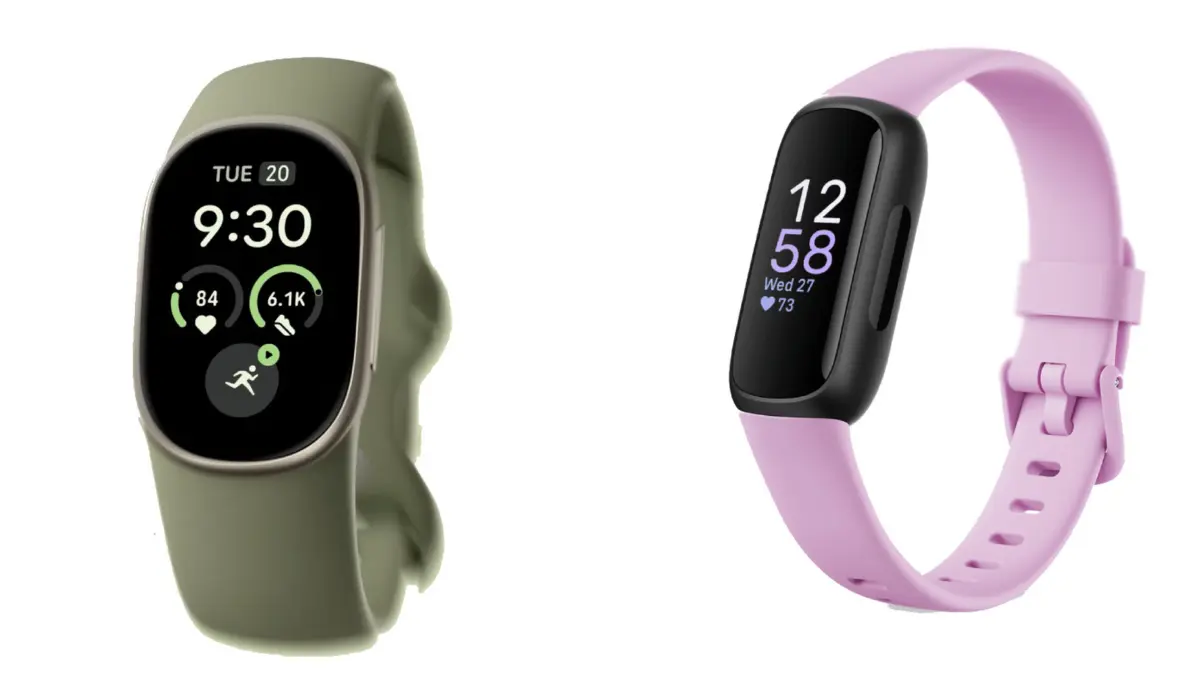
Google has officially launched the Fitbit Edge, a sophisticated new health and fitness tracker that aims to occupy a distinct niche in the increasingly crowded wearables market. Positioned as a compelling middle ground between rudimentary fitness bands and full-fledged smartwatches, the Edge enters the scene with a premium aluminum casing, an expanded display, and a price point of $180. This strategic introduction immediately invites comparison with its more budget-friendly sibling, the $99.95 Fitbit Inspire 3, prompting consumers and industry observers alike to evaluate whether the enhanced features and elevated price tag of the Edge justify the upgrade.
Google’s Evolving Wearables Strategy and the Fitbit Legacy
The introduction of the Fitbit Edge is not an isolated event but rather a significant move within Google’s overarching strategy for the wearables sector, particularly following its acquisition of Fitbit in 2021. This acquisition marked Google’s serious intent to compete in the health and fitness tracking space, leveraging Fitbit’s established brand recognition, user base, and expertise in health monitoring. Before the acquisition, Google’s wearable efforts were largely centered around Wear OS, which powered smartwatches from various manufacturers but struggled to gain dominant market share against Apple Watch. Integrating Fitbit’s hardware and software capabilities has allowed Google to diversify its offering, catering to a broader spectrum of users—from those seeking basic activity tracking to individuals desiring advanced health insights without the full complexity or cost of a premium smartwatch.
The Fitbit Inspire series has historically served as Fitbit’s entry-level offering, providing essential tracking features in a compact, affordable package. The Inspire 3, with its vibrant AMOLED display, robust battery life, and core fitness functions, continues this tradition. However, as user expectations evolve and the lines between fitness trackers and smartwatches blur, there has been a growing demand for devices that offer more sophisticated capabilities without necessarily mimicking a smartphone on the wrist. The Fitbit Edge appears to be Google’s direct answer to this demand, filling a perceived gap for a feature-rich, aesthetically pleasing device that prioritizes health and fitness while offering a curated selection of smartwatch-like functionalities. This strategic positioning allows Google to offer a graduated product line, guiding users from simpler devices to more advanced ones within its ecosystem.
Design and Aesthetics: A Premium Shift
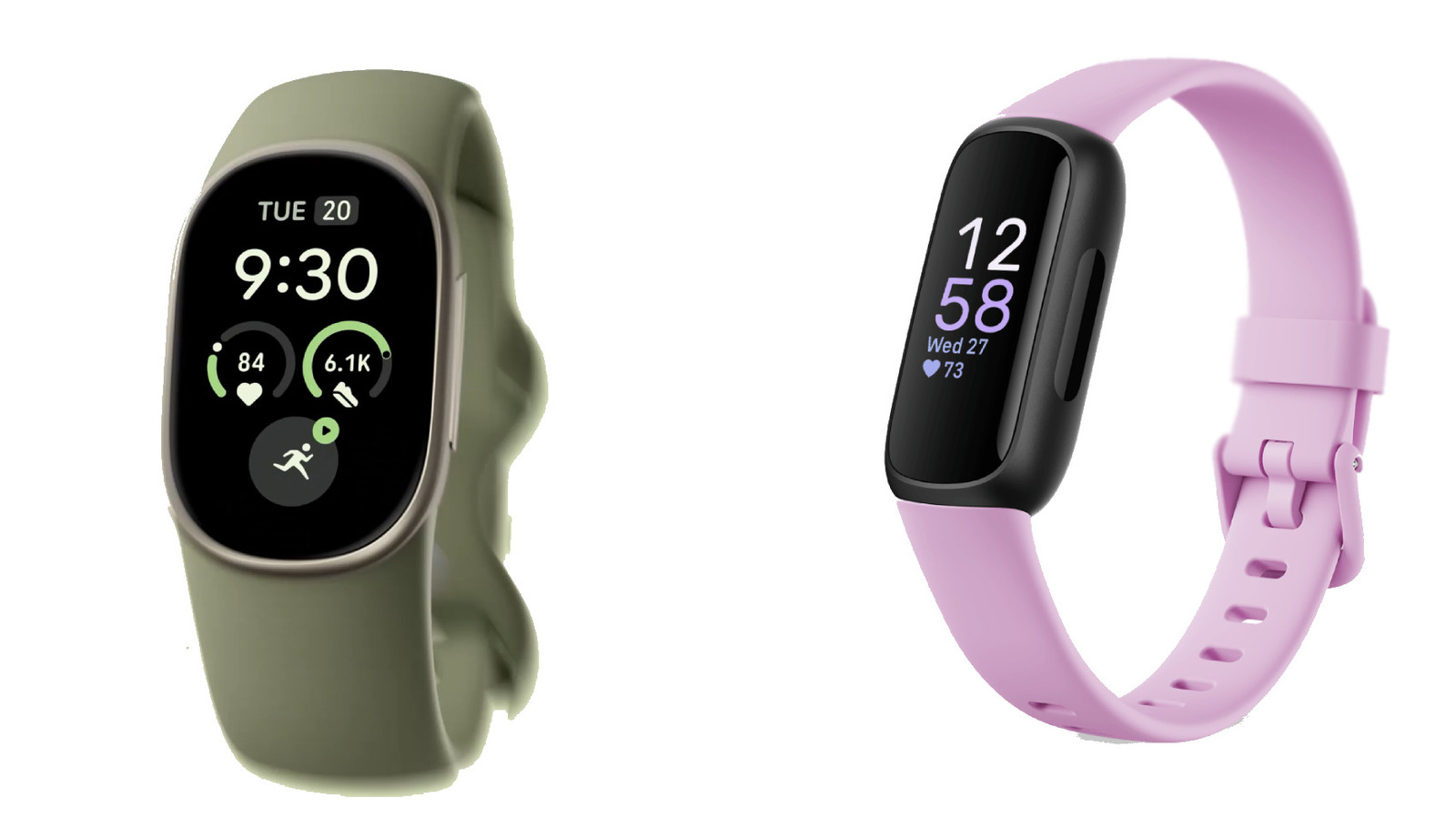
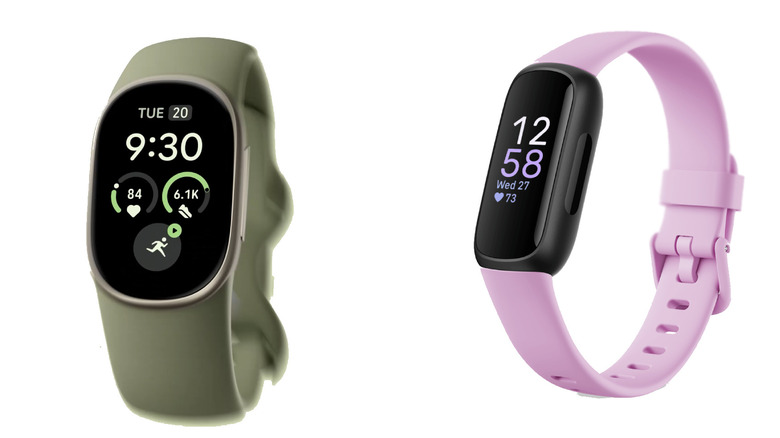
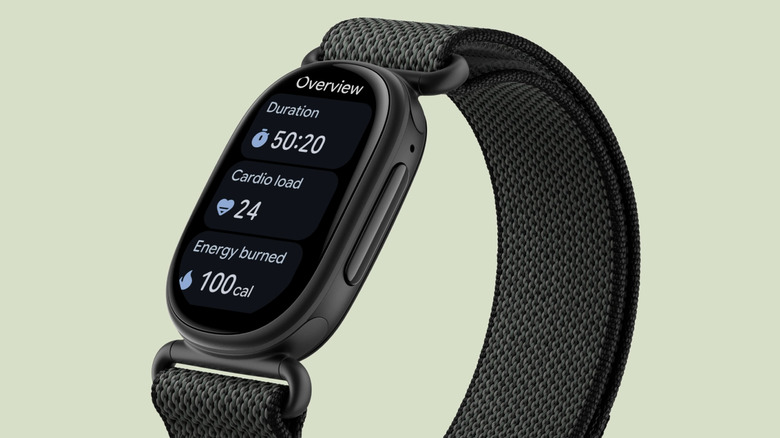
One of the most immediately apparent differentiators between the Fitbit Edge and the Inspire 3 lies in their design and construction materials, reflecting a deliberate effort by Google to elevate the user experience of the Edge. Both devices feature an AMOLED display, known for its vibrant colors and deep blacks, ensuring readability even in bright sunlight. However, the Edge boasts a screen that is 6.9mm (0.27 inches) wider than the Inspire 3. While their overall dimensions are remarkably similar—the Edge measuring 39.2 x 25.5 x 11.5mm compared to the Inspire 3’s 39.32 x 18.6 x 11.75mm—the increased screen real estate on the Edge significantly enhances the user interface. A wider screen allows for more data to be displayed at a glance, clearer text, and potentially more intuitive navigation through menus and notifications, bridging the usability gap with larger smartwatch displays.
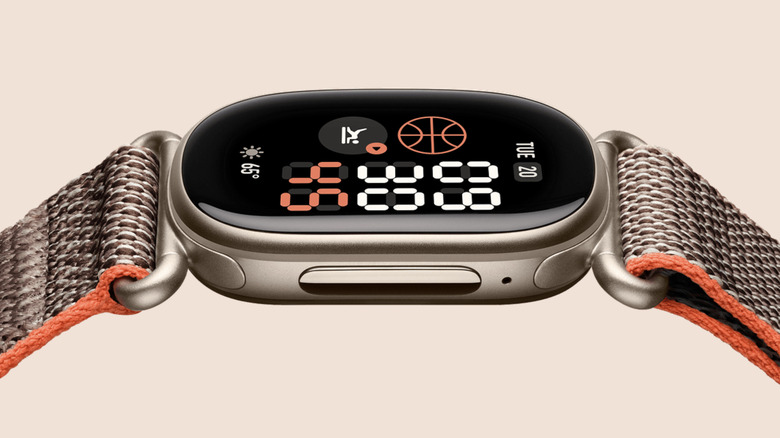
The material choice is another critical distinction. The Fitbit Edge sports a casing crafted from 100 percent recycled aluminum, lending it a more premium, sophisticated feel. This choice not only contributes to a sleeker aesthetic but also aligns with contemporary consumer preferences for sustainable and durable products. The inclusion of a more tactile side button further reinforces the sense of quality and improved user interaction. This design language allows the Edge to transcend the typical "athletic watch" appearance, making it suitable for a broader range of social and professional settings. In contrast, the Fitbit Inspire 3 features a more utilitarian, rectangular design with a plastic case. While functional and lightweight, the plastic construction positions it squarely as a fitness-first device, lacking the subtle elegance that the Edge’s aluminum frame provides.
Color options also play into the aesthetic appeal and target demographics. The Fitbit Edge is available in four standard colors: olive green, black, white, and a coral peach. Additionally, a special, pricier orange Steph Curry edition, endorsed by the NBA star, is offered at $220, a $40 premium over the base Edge model. This celebrity endorsement highlights Google’s strategy to market the Edge as a lifestyle accessory in addition to a health tool. The Inspire 3, by comparison, comes in three standard colors: pink, orange, and black, maintaining a more conventional fitness tracker palette. This array of choices underscores the Edge’s aspiration to appeal to users who value both form and function in their wearable technology.
Unleashed Connectivity: Beyond the Smartphone Tether
Perhaps one of the most compelling arguments for the Fitbit Edge’s upgrade status is its significantly enhanced connectivity features, which dramatically reduce its dependency on a nearby smartphone. The most prominent of these is the Edge’s built-in GPS. Unlike the Inspire 3, which relies on "connected GPS" (meaning it uses your smartphone’s GPS receiver), the Edge integrates its own GPS module. Google claims this results in a 40 percent accuracy increase in tracking movement, a crucial improvement for activities like running, cycling, or hiking where precise distance and pace data are paramount. More importantly, integrated GPS liberates users from the necessity of carrying their smartphone during outdoor workouts. This newfound independence offers unparalleled convenience for athletes and casual exercisers alike, allowing them to track their routes and performance data directly from their wrist without the bulk or distraction of a phone.
Further bolstering its connectivity prowess, the Edge incorporates Bluetooth 5.4. This advanced Bluetooth standard offers improved stability, energy efficiency, and a broader range compared to older versions. Crucially, it enables users to connect wireless headphones directly to the watch. This means users can store and stream music directly from their Edge to their Bluetooth earbuds, completely eliminating the need for a phone during runs or gym sessions. This feature, traditionally found in more expensive smartwatches, significantly enhances the Edge’s utility as a standalone fitness companion. Both the Edge and Inspire 3 support Google’s "Find My Device" feature, offering a practical solution for locating a misplaced tracker, and both can display app notifications from a nearby smartphone.
However, the Edge extends its smart functionalities beyond basic notifications. It supports Quick Replies, allowing users to send pre-set responses to messages directly from their wrist (Android only). It also offers music controls for compatible media players on a connected phone and provides immediate weather forecasts. Google has also announced that the Edge is expected to integrate Google Maps functionality soon, further solidifying its role as a more capable, semi-independent wearable. These additions bring the Edge closer to the functionality of a smartwatch, providing convenience and information at a glance, capabilities notably absent from the more streamlined Inspire 3, which primarily focuses on calendar notifications in its limited smart feature set.
Expanded Fitness and Advanced Health Monitoring
The Fitbit Edge significantly elevates the depth and breadth of fitness tracking compared to the Inspire 3, catering to more serious athletes and those seeking a comprehensive understanding of their physical activity. While both wearables continuously track activity, the Edge is engineered to support a wider array of exercise types. Google states the Edge can automatically detect 100 different movement activities, a substantial increase over the Inspire 3’s capabilities. Furthermore, the Edge can track over 50 specific exercise modes, compared to the Inspire 3’s 20. This extensive range means the Edge can provide more accurate and tailored data for a diverse set of workouts, from traditional cardio and strength training to niche activities, offering a richer dataset for performance analysis and goal setting.
Beyond sheer numbers, the Edge introduces several advanced fitness metrics not available on the Inspire 3. These include "cardio load" and "target cardio load," features designed to help users understand the physiological impact of their workouts and optimize their training intensity. Cardio load provides an assessment of the strain placed on the cardiovascular system during exercise, while target cardio load guides users to maintain an optimal training zone. This data is invaluable for preventing overtraining, managing recovery, and progressively improving fitness. The Edge also tracks "floors climbed," leveraging its altimeter for a more complete picture of daily activity, and offers heart rate tracking specifically optimized for use with workout machines, providing more accurate insights during gym sessions.
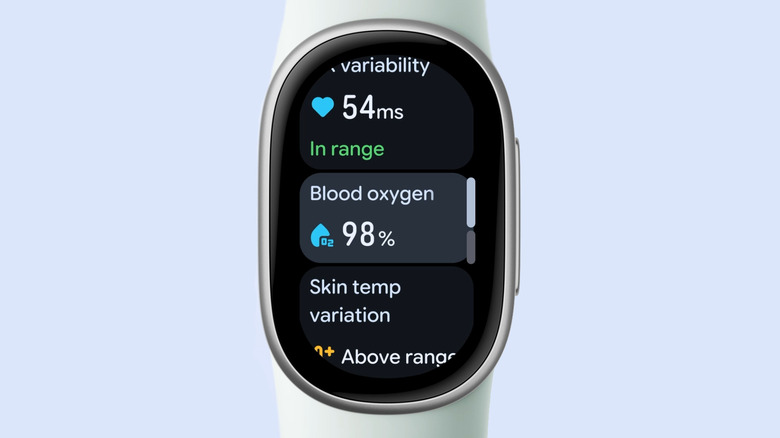
In terms of health data, the Fitbit Edge takes a significant leap forward, offering more comprehensive insights into cardiac health and general well-being. Both devices feature 24/7 heart rate tracking and a blood oxygen (SpO2) tracker, alongside an accelerometer for velocity and movement. However, the Edge integrates additional advanced sensors that unlock critical health monitoring capabilities. It comes with an Electrocardiogram (ECG) app, which includes irregular heartbeat tracking, specifically for Atrial Fibrillation (AFib) detection. AFib is a serious heart condition, and the ability to detect it early through a wearable can be life-saving, allowing users to seek medical attention promptly. This feature positions the Edge as a proactive health tool, moving beyond mere fitness tracking.
Furthermore, the Edge is designed to provide monthly insights into blood pressure and insulin resistance. While it doesn’t measure these directly (users would typically input data from external devices), it aids in analyzing and contextualizing this crucial health information over time. The inclusion of a skin temperature sensor is another valuable addition, which can be used to monitor trends that might indicate illness, track menstrual cycles more accurately, or provide insights into sleep quality. Complementing its enhanced GPS, the Edge also features a gyroscope and an altimeter, providing more granular data on movement, orientation, and elevation changes. This suite of sensors collectively transforms the Edge into a much more robust health monitoring platform, offering users a deeper and more actionable understanding of their physiological state.
Battery Life and Durability: Practical Considerations
While the Fitbit Edge boasts a suite of advanced features, these enhancements naturally come with certain trade-offs, particularly concerning battery life. With its larger screen, integrated GPS, and more extensive sensor array, the Edge has a shorter battery life on a single charge compared to the Inspire 3. Google states that the Edge can last for up to a week (7 days) on a single charge, whereas the Inspire 3 can power through up to 10 days. For most users, a week of battery life is still highly respectable and unlikely to be a dealbreaker, especially if they adopt a routine of charging it a few times a week. This duration is notably longer than many full-featured smartwatches, which often require daily charging, thus maintaining a key advantage of fitness trackers.
In terms of durability, both the Fitbit Edge and Inspire 3 share the same water resistance rating: 5 ATM under ISO standard 22810:2010. This rating signifies that both devices are suitable for everyday use and exposure to water, including rain, showering, and shallow-water activities like swimming laps in a pool. However, it’s important to note that 5 ATM does not certify them for high-velocity water sports, diving, or prolonged submersion at significant depths. Therefore, while robust for typical aquatic activities, neither device is fully waterproof for extreme conditions.
The Edge, however, adds an extra layer of protection with an IP68 rating for dust resistance, a feature not specified for the Inspire 3. The IP68 standard indicates that the device is completely sealed against dust intrusion and can withstand brief immersion in water (typically up to 1.5 meters for 30 minutes). This enhanced dust resistance makes the Edge a more reliable companion for outdoor enthusiasts, construction workers, or anyone frequently exposed to dusty environments, ensuring greater longevity and performance in challenging conditions. Despite these robust ratings, Google, like most electronics manufacturers, advises against fully submerging or exposing devices to harsh chemicals to maximize their lifespan.
The "Middle Ground" Defined: Market Impact and Implications
The Fitbit Edge’s strategic positioning as a "middle ground" device between a simple fitness tracker and a fully-connected smartwatch is arguably its most significant characteristic and the core of Google’s market strategy. It offers a more premium experience, advanced tracking capabilities, and increased independence from a smartphone than the Inspire 3, but without the higher price tag, app ecosystem complexity, or potentially shorter battery life associated with top-tier smartwatches like the Google Pixel Watch or Apple Watch.
This positioning has several implications. Firstly, it broadens Fitbit’s addressable market. For users who find basic trackers too limited but smartwatches too expensive or feature-laden, the Edge provides a compelling alternative. It targets individuals who are serious about their health and fitness data, value the convenience of integrated GPS and direct audio connectivity, and appreciate a more refined aesthetic, but do not necessarily require advanced features like mobile payments, cellular connectivity, or a vast app store on their wrist.
Secondly, the Edge strengthens Google’s wearable ecosystem. By offering a diverse range of devices, from the entry-level Inspire 3 to the mid-range Edge and the premium Pixel Watch, Google creates a clear upgrade path for consumers within its brand. This strategy encourages user loyalty and keeps consumers within the Google/Fitbit health data platform. The integration of Google services like "Find My Device" and upcoming Google Maps support further ties the Edge into the broader Google experience, enhancing its value proposition.
Thirdly, the Edge intensifies competition in the mid-range wearable market. It directly challenges devices from brands like Garmin (e.g., Vivosmart series), Samsung (e.g., Galaxy Fit series), and even lower-end Apple Watch models. Its blend of advanced health sensors (ECG, skin temperature), independent GPS, and premium design at its price point presents a formidable package. This competitive pressure could drive innovation across the industry, benefiting consumers with more feature-rich and affordable options.
Conclusion: A Strategic Evolution for Google and Fitbit
Overall, the Fitbit Edge represents a significant evolution in Google’s wearable portfolio. It is a notable upgrade over the Inspire 3, delivering a more sophisticated user experience through premium materials, an expanded display, enhanced connectivity that reduces smartphone dependency, and a much richer array of health and fitness tracking metrics. While it commands a higher price and has a slightly shorter battery life than its entry-level counterpart, these trade-offs are justifiable given the substantial increase in functionality and design quality.
The Edge successfully carves out a distinct identity as a device that intelligently bridges the gap between a focused fitness wearable and a comprehensive smartwatch. For consumers who prioritize detailed health insights, accurate activity tracking without carrying a phone, and a device that looks as good as it performs, but find the full features and cost of a Pixel Watch or Apple Watch to be excessive, the Fitbit Edge emerges as a highly compelling option. Its introduction underscores Google’s commitment to expanding its presence in the health tech sector and solidifying Fitbit’s role as a key player in a competitive and rapidly evolving market. The Fitbit Edge is more than just a new tracker; it is a statement of intent, signaling Google’s strategic vision for a holistic and interconnected health and wellness ecosystem.