Chandra Wibowo
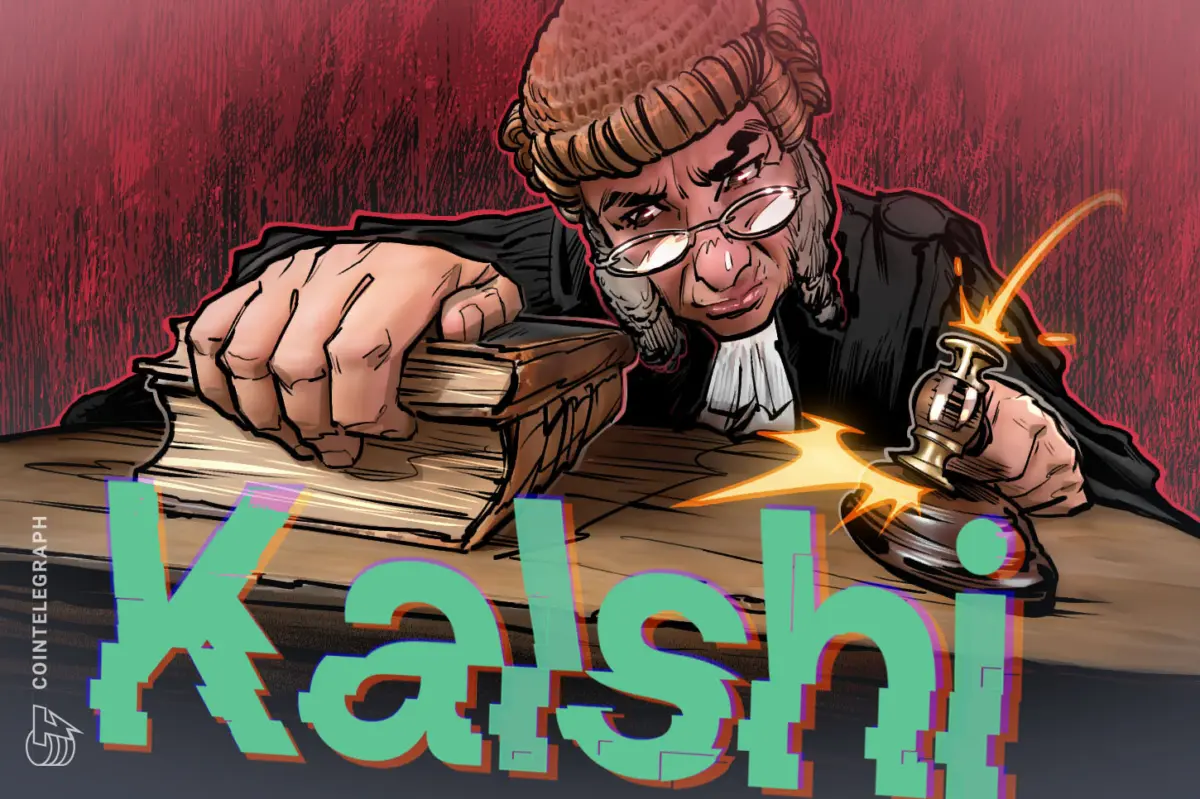
Utah Attorney General Derek Brown has initiated legal action against Kalshi, its affiliates, and two Susquehanna trading companies, accusing the prediction markets platform of facilitating illegal betting within the state since the beginning of 2024. The lawsuit seeks to compel the companies to return an estimated $30 million to $60 million in profits derived from what Utah officials deem illegal event contracts. The state asserts that Kalshi’s operations have negatively impacted over 32,000 users in Utah, leading to substantial financial losses.
Background of the Legal Challenge
The current legal confrontation in Utah is part of a larger, ongoing debate across the United States regarding the regulatory status of prediction markets. These platforms allow users to bet on the outcome of future events, ranging from political elections and economic indicators to cultural trends and even sports. Proponents argue that these markets provide valuable price discovery mechanisms and offer a legitimate form of financial speculation, akin to futures markets. Critics, however, contend that they function as unregulated gambling operations, posing significant risks to consumers and potentially violating state gambling laws.
Utah’s specific legal battle with Kalshi gained momentum earlier this year when state lawmakers passed legislation classifying betting on prediction markets as gambling under state law. This legislative action prompted Kalshi to file a lawsuit against Utah in February, challenging the state’s new stance. In August, a judge ruled in favor of Utah officials, determining that federal laws overseen by the U.S. Commodity Futures Trading Commission (CFTC) do not preempt state gambling regulations. Kalshi’s subsequent attempt to secure an injunction from an appellate court in September was denied, effectively barring the platform from operating in Utah during the pendency of its appeal.
Attorney General’s Assertions and Demands
During a press briefing on Tuesday, Attorney General Brown articulated the state’s position, stating, "Under Utah law, I have determined that this operation is causing a significant and substantial ongoing harm to a significant number of Utahns." He further elaborated on the scope of the lawsuit: "And so today, we are asking the court to stop sports, elections, politics, culture and mention bets here in Utah." The demand for the return of profits underscores the state’s belief that these operations have been financially detrimental to its residents. The figures of $30 million to $60 million represent the estimated profits accrued by Kalshi and its associated entities from their activities within Utah.
The lawsuit alleges that Kalshi’s platform was accessible to more than 32,000 users in Utah, suggesting a widespread impact on the state’s population. The nature of the "event contracts" offered by Kalshi, which likely encompass a wide array of future occurrences, is central to the state’s argument that they constitute illegal betting under Utah’s statutes. The attorney general’s statement implies that these contracts are not merely speculative financial instruments but rather bets on outcomes that fall under the purview of gambling regulations.
Kalshi’s Defense and Federal Oversight
In response to the Utah lawsuit, Kalshi spokesperson Jacki McGavick provided a statement to Cointelegraph, emphasizing the platform’s federally regulated status. "Kalshi is a federally regulated financial exchange, like the stock market," McGavick stated. "Our customers trade with each other and set the prices. As a national derivatives market overseen by the CFTC, Kalshi answers to federal law, and no single state should have a veto over it." This assertion highlights Kalshi’s reliance on federal oversight as its primary regulatory framework. The company maintains that its operations are subject to the rules and regulations set forth by the CFTC, which is the principal federal agency responsible for regulating derivatives markets in the United States.
McGavick further clarified that the current state court action does not impede their ongoing federal litigation. This indicates that Kalshi intends to continue challenging regulatory actions at both the state and federal levels, asserting its right to operate as a federally regulated entity. The distinction between federal and state regulatory authority is a critical point of contention in the broader legal landscape surrounding prediction markets.
A Broader Legal Landscape: Ongoing Battles Across the US
The legal challenges faced by Kalshi in Utah are not isolated incidents. They are part of a growing trend of state authorities taking action against prediction market platforms across the United States. These lawsuits often cite violations of state gambling laws and frequently involve allegations related to sports betting.
- Arizona: This state stands out as the only jurisdiction in the U.S. currently pursuing criminal charges against Kalshi. This aggressive approach suggests a particularly stringent view of prediction markets as illegal gambling operations within Arizona.
- Other States: Beyond Arizona and Utah, several other states have initiated civil lawsuits against prediction market companies, including Michigan, Ohio, Kentucky, Nevada, Massachusetts, Wisconsin, and New York. These actions collectively signal a widespread concern among state regulators regarding the potential for consumer harm and the circumvention of existing gambling laws.
- Polymarket: Similar to Kalshi, other prediction market platforms, such as Polymarket, have also faced legal scrutiny. New York, for instance, has pursued legal action against Polymarket for alleged illegal gambling operations.
The Supreme Court’s Potential Role
The ongoing legal battles are converging towards a potential landmark decision by the U.S. Supreme Court. The high court is currently considering whether to accept a petition concerning New Jersey’s case against Kalshi, which also centers on allegations of illegal sports betting.
This case, if taken up by the Supreme Court, could have far-reaching implications for the entire prediction market industry. It has the potential to definitively resolve the critical question of whether the purview of prediction market companies falls under the authority of individual state regulators or the federal CFTC. The CFTC has consistently asserted its "exclusive jurisdiction" over such event contracts, a claim that directly challenges the authority of states to regulate these platforms under their own gambling laws. A Supreme Court ruling could establish a clear precedent, either affirming federal supremacy or empowering states to enforce their existing gambling statutes against prediction market operators.
Supporting Data and Market Impact
While precise figures for the overall prediction market industry are not readily available due to their often-unregulated nature, the scale of the alleged profits in Utah ($30 million to $60 million) provides a glimpse into the financial stakes involved. These platforms attract a diverse user base, from sophisticated traders seeking arbitrage opportunities to individuals interested in speculating on future events.
The legal uncertainties surrounding prediction markets create a volatile environment for both operators and users. For Kalshi and its competitors, ongoing litigation translates to significant legal expenses, potential operational disruptions, and reputational damage. For users, the risk of engaging with platforms that may be deemed illegal in their jurisdiction includes the potential loss of funds and legal repercussions.
The involvement of established financial entities like Susquehanna International Group, a prominent quantitative trading firm, in association with Kalshi, underscores the complex interplay between traditional finance and emerging speculative markets. The legal challenges highlight the evolving nature of financial innovation and the continuous effort by regulators to adapt existing frameworks to new technological and market developments.
Broader Implications for Financial Regulation
The disputes over prediction markets are emblematic of a larger debate in financial regulation: how to classify and regulate novel financial products and platforms in an era of rapid technological advancement. The core issue revolves around the definition of a "security," a "derivative," or "gambling," and which regulatory body has the authority to oversee them.
- Federal vs. State Authority: The tension between federal and state authority is a recurring theme. In this instance, the CFTC’s claim of exclusive jurisdiction clashes with states’ rights to enforce their own gambling laws. This dynamic is common in financial regulation, where lines of authority can be blurred.
- Consumer Protection: A primary concern for regulators is consumer protection. States argue that their gambling laws are designed to shield citizens from exploitative practices and financial ruin. Prediction markets, by their nature, involve a high degree of risk, and regulators want to ensure that users are adequately protected.
- Market Integrity: Regulators also focus on market integrity. They aim to prevent manipulation, fraud, and systemic risk. The question is whether prediction markets, as currently structured, pose such risks and whether existing regulatory frameworks are sufficient to address them.
- Innovation and Regulation: The challenge for regulators is to strike a balance between fostering innovation and maintaining stability and fairness in financial markets. Overly restrictive regulations could stifle legitimate market activity, while a lack of oversight could lead to significant risks.
The outcome of the legal battles involving Kalshi and other prediction market platforms will likely shape the future regulatory landscape for these markets, impacting their accessibility, operation, and the types of events on which users can speculate. The ongoing legal actions in Utah and potentially before the U.S. Supreme Court are critical junctures that could define the boundaries of financial speculation and gambling in the digital age.