Evan Lee Salim
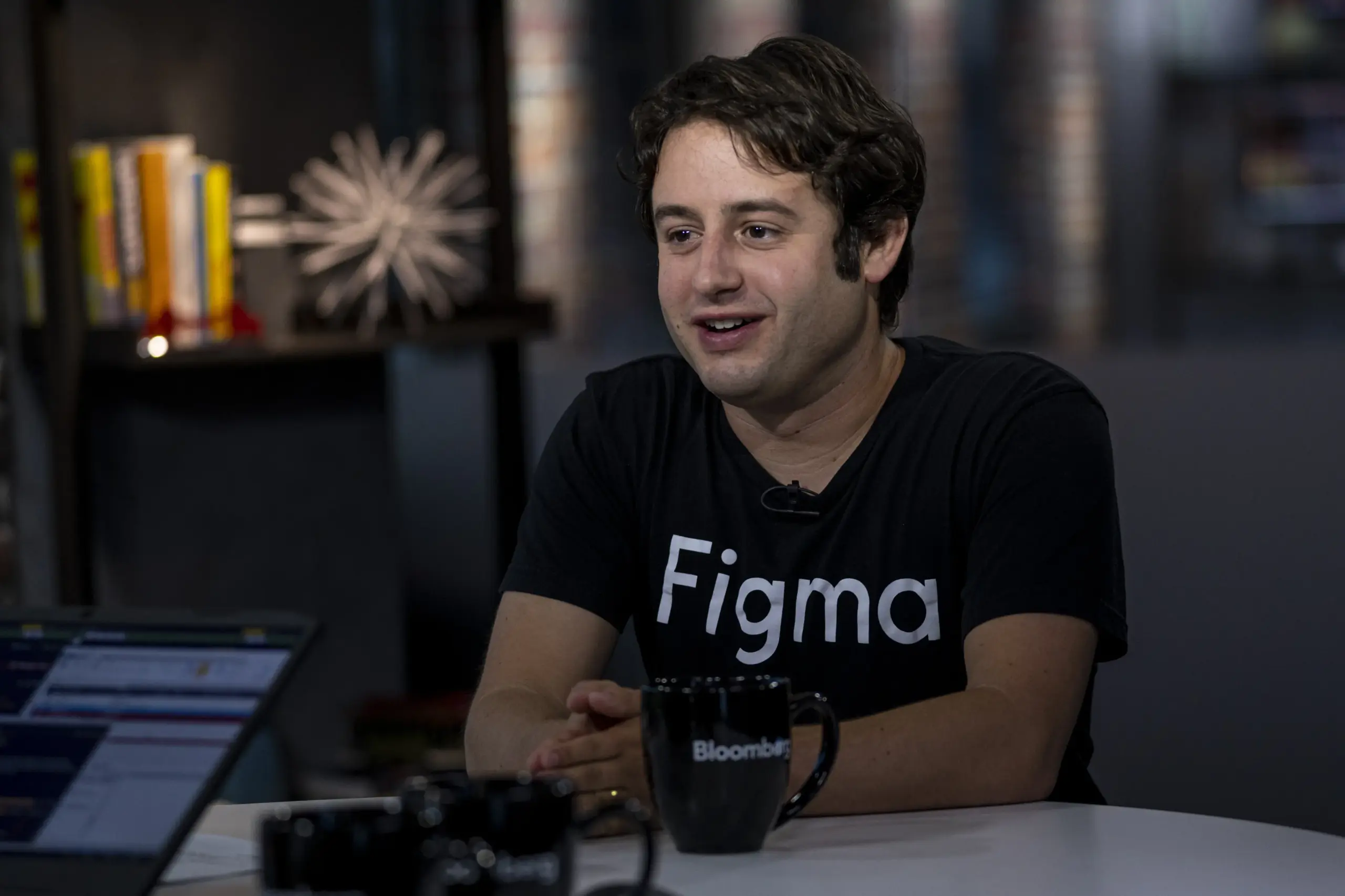
The digital design giant, Figma, has taken a significant step in embracing the evolving landscape of artificial intelligence by announcing a substantial expansion of its support for the Model Context Protocol (MCP). This move, unveiled at the company’s inaugural Config conference in India, signals a strategic pivot towards greater interoperability within the AI ecosystem, even as its co-founder, Dylan Field, continues to voice nuanced reservations about the protocol’s inherent complexities and potential pitfalls. The announcement saw Figma welcome 20 new MCP partners, including prominent names such as Amp, ClickUp, Dia, Junie by JetBrains, Linear, Meta Muse, Mistral, Notion, OpenCode, and Sarvam Agents, underscoring a growing commitment to an open yet carefully managed integration with AI agent technologies.
The Model Context Protocol: A Foundation for AI Interoperability
To fully appreciate the significance of Figma’s decision, it is essential to understand the Model Context Protocol (MCP) itself. Developed with contributions from leading AI research labs, notably Anthropic, MCP aims to create a universal language for AI agents to interact with external data sources, tools, and user interfaces. In an increasingly fragmented AI landscape, where diverse models and applications operate in silos, MCP proposes a standardized framework. This framework allows AI agents to access, interpret, and act upon information from various platforms in a consistent manner, fostering greater automation, efficiency, and a seamless user experience across different digital environments. For instance, an AI agent using MCP could theoretically retrieve design assets from Figma, integrate them into a marketing campaign managed in Notion, and then schedule tasks in ClickUp, all while maintaining contextual awareness of the user’s intent and project goals.
The proliferation of AI agents, designed to automate complex workflows and provide intelligent assistance, necessitates such protocols. Without a common standard, each AI agent would require bespoke integrations for every application it needs to interact with, leading to significant development overhead and limiting the scalability and utility of these advanced systems. MCP, therefore, represents a crucial step towards a more unified and functional AI-powered future, promising to unlock new possibilities for productivity and creative endeavors.
Config India: A Strategic Global Platform
Figma’s decision to announce this expansion at its first-ever Config conference held in India carries its own strategic weight. Config, Figma’s flagship user conference, traditionally held in the United States, made its debut in India, reflecting the company’s increasing focus on global markets, particularly the rapidly growing tech ecosystem and design talent pool in Asia. India, with its vast developer community and burgeoning startup scene, represents a critical frontier for technology companies seeking to expand their user base and influence. Hosting Config in Bengaluru, often dubbed the "Silicon Valley of India," not only provided a platform for local engagement but also signaled Figma’s commitment to fostering design innovation globally.
The conference served as an ideal backdrop for such a pivotal announcement, showcasing Figma’s forward-looking strategy in integrating AI into its core design workflow. By bringing together designers, developers, and industry leaders, Config India aimed to highlight how Figma is evolving beyond a mere design tool to become a central hub for creative collaboration, increasingly powered by intelligent agents and interconnected through protocols like MCP. The addition of 20 new partners, spanning a diverse range of categories from productivity suites like Notion and ClickUp to AI model developers like Mistral, illustrates the broad applicability and growing adoption of MCP within the broader tech ecosystem. These partnerships are expected to enable designers and developers to leverage Figma data more effectively within their AI-driven workflows, bridging the gap between design creation and automated execution.
Dylan Field’s Measured Skepticism: The Nuance of Openness
Despite the outward display of commitment to MCP through these new partnerships, Figma’s co-founder, Dylan Field, has consistently articulated a more nuanced and cautious perspective regarding the protocol. Field’s concerns are not born of opposition to open standards per se, but rather from a deep understanding of the practical challenges and potential risks associated with truly open data sharing in the AI age. His misgivings predate the Config India announcement, coming to the fore in a public exchange on X (formerly Twitter) just days before the event.
The genesis of this recent debate involved a complaint from one of MCP’s co-creators, who expressed dissatisfaction with Figma’s perceived lack of support for an open-source tool named Pi. Field’s response to this criticism was telling. He pointed out what he perceived as a fundamental asymmetry: "I find it interesting that Anthropic (creators of MCP standard) do not expose artifacts / other cloud resources created via MCP," he wrote on X. He further elaborated, "The debate is framed as open vs closed. Everyone always prefers open… obviously. And meanwhile issues of asymmetric context sharing are ignored." This statement highlighted a crucial aspect of his skepticism: while the rhetoric often champions "openness," the practical implementation can be uneven, leading to situations where some entities benefit more from open data access than others, or where the creators of a standard themselves do not fully adhere to its spirit in their own internal operations. He later clarified that Figma does plan to support Pi, addressing the immediate complaint but not retracting his broader critique.
During a subsequent media briefing, Field delved deeper into his reservations. While affirming Figma’s desire to foster an open ecosystem, he stated, "I’m really excited about what we’re doing in terms of opening up our ecosystem. I also think that MCP is not a perfect protocol. And I think that it is something that has tons of room for improvement." His critique extended to the protocol’s potential inherent biases, suggesting it "is advantaged more to frontier labs." This implies that the current design or implementation of MCP might inadvertently favor larger AI research organizations with extensive resources and data infrastructure, potentially creating an uneven playing field for smaller developers or independent creators.
The Broader Debate: Open Standards vs. Data Governance and Security
Field’s concerns tap into a much larger, ongoing debate within the technology industry: the tension between the ideals of open standards and the imperative of robust data governance and security. While open standards like MCP promise greater interoperability, innovation, and a level playing field, they also introduce complexities related to data privacy, intellectual property, and potential misuse.
Figma, as a platform that hosts vast amounts of sensitive design data, from nascent product concepts to proprietary brand assets, must navigate these waters with extreme caution. Field explicitly articulated this dilemma, explaining that the company’s cautious approach stems from the inherent risk of data exposure. "The more data the company exposes through MCP, the higher the chance of abuse," he stated. He further clarified that while the vast majority of users have no malicious intent, the company bears the responsibility of accounting for and mitigating potential risks from those who might. This includes concerns about sensitive design files being inadvertently exposed, proprietary algorithms being reverse-engineered, or even malicious actors leveraging open data access for nefarious purposes such as phishing or industrial espionage.
This perspective underscores a critical challenge for any platform integrating with AI agents. The ability of AI to rapidly process and contextualize vast amounts of data, while powerful, also amplifies the risks associated with unauthorized access or unintended data leakage. For Figma, a company built on trust and secure collaboration for creative professionals, safeguarding user data is paramount. This necessitates a delicate balancing act: embracing the innovation offered by open AI protocols while simultaneously implementing stringent safeguards to protect its users’ intellectual property and privacy.
Anthropic’s Position: A Case Study in Protocol Adoption
Field’s specific mention of Anthropic not exposing its own "artifacts / other cloud resources" via MCP is particularly insightful. Anthropic, a prominent AI research company and co-creator of MCP, represents a leading voice in responsible AI development. If even the architects of the protocol exhibit a degree of internal reservation or selective implementation, it raises important questions about the practicalities and unforeseen challenges of universal adoption. This could be due to a variety of reasons:
- Staged Implementation: Anthropic might be adopting MCP internally in phases, prioritizing certain use cases or testing its robustness before full deployment.
- Proprietary Advantage: Some internal resources might be deemed too critical or proprietary to expose via a public protocol, even one they helped create.
- Security Considerations: Even for a co-creator, the security implications of exposing all internal resources could be a significant hurdle, mirroring Figma’s own concerns.
- Protocol Evolution: MCP, like any new standard, is likely to evolve. Anthropic might be waiting for certain features or refinements before fully committing their own core operations to it.
Regardless of the specific reasons, Field’s observation highlights that the journey towards fully open and seamlessly integrated AI ecosystems is not without its internal contradictions and strategic considerations, even for those at the forefront of developing such standards.
The Path Forward: Implications for AI Agents and Design Tools
Figma’s strategic decision to expand MCP support while maintaining a critical perspective reflects a mature approach to technological integration. It acknowledges the undeniable benefits of interoperability and the transformative potential of AI agents, particularly for enhancing creative workflows and automating routine tasks for designers. By partnering with a diverse group of companies, Figma is positioning itself as a central player in the evolving AI-powered design landscape, enabling its users to leverage their Figma designs within a broader ecosystem of AI tools.
However, Field’s persistent caution serves as a vital reminder that the pursuit of technological advancement must always be tempered with a strong commitment to user privacy, data security, and ethical considerations. The "open vs. closed" debate is rarely black and white; it often exists on a spectrum, with companies needing to find the optimal balance that fosters innovation without compromising fundamental user trust.
The implications of Figma’s stance and the broader MCP adoption are significant for the future of AI agents and design tools:
- Enhanced Productivity: Designers can expect increasingly seamless workflows as AI agents gain better access to design assets, enabling automation of tasks like asset generation, design system maintenance, and even initial concept generation.
- Ecosystem Growth: The growing list of MCP partners signals a maturing ecosystem where various tools can "speak" to each other, fostering a more integrated and powerful suite of applications for creative professionals.
- Continued Protocol Development: Field’s critical feedback, coming from a major platform, will likely spur further refinement and improvement of MCP, pushing it towards a more robust, secure, and equitable standard.
- Data Governance as a Differentiator: Companies that can effectively balance openness with stringent data security measures will likely gain a competitive advantage and build stronger user trust in the AI era.
In conclusion, Figma’s expansion of Model Context Protocol support at Config India marks a pivotal moment for the company and the broader AI agent ecosystem. It underscores a clear commitment to leveraging open standards for greater interoperability and innovation. Yet, Dylan Field’s insightful reservations serve as a crucial counterpoint, reminding the industry that true progress lies not just in technological openness, but in the careful consideration of data governance, security, and the equitable distribution of benefits within an increasingly interconnected and AI-driven digital world. The ongoing dialogue between the promise of open standards and the realities of data protection will undoubtedly shape the future trajectory of AI integration in design and beyond.