George Chandra Eka
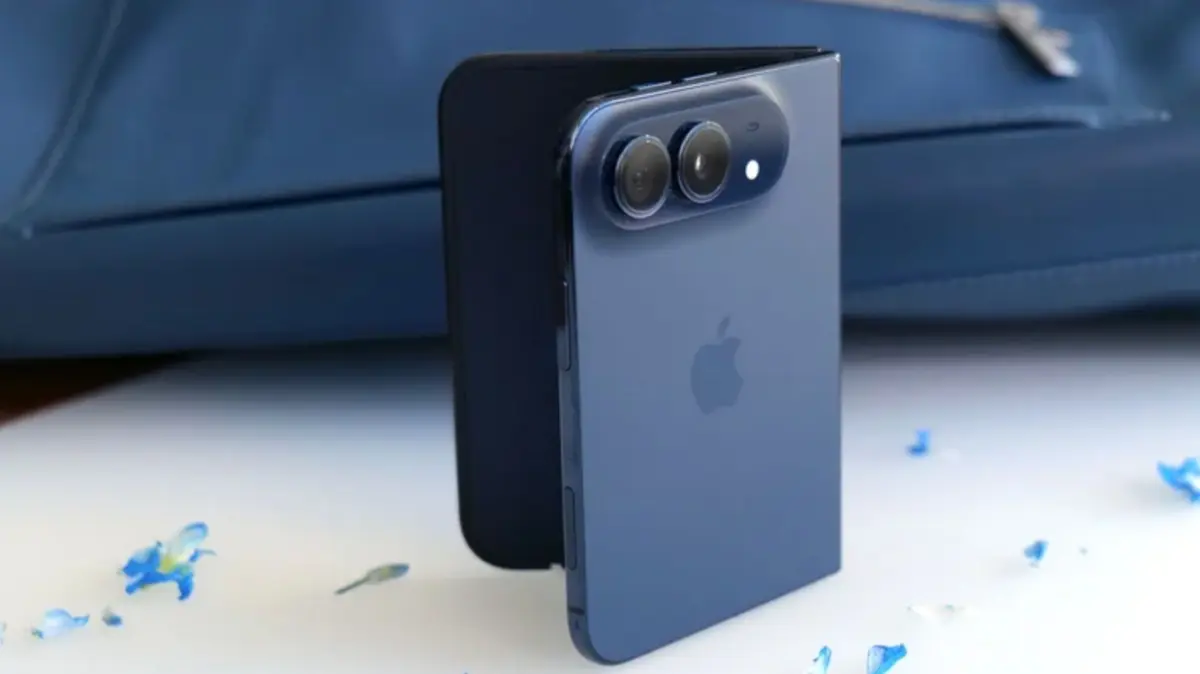
Apple is reportedly making significant strides in its quest to integrate advanced biometric authentication into its next-generation foldable device, the iPhone Duo. Reliable industry insider Mark Gurman of Bloomberg has revealed that prototypes for the iPhone Duo 2 are already actively testing under-display Face ID technology, signaling a potential departure from the first-generation model’s reliance on Touch ID. This development underscores Apple’s commitment to refining its nascent foldable line and aligning it more closely with the premium user experience expected from its flagship iPhones.
The First Generation’s Biometric Compromise: Touch ID’s Return
The initial launch of the iPhone Duo, while met with broadly positive reviews for its innovative design and robust performance, notably reintroduced Touch ID as its primary biometric security measure. For many users accustomed to Face ID since its debut with the iPhone X in 2017, this felt like a step back. The 2022 iPhone SE was the last mainstream iPhone to feature Touch ID, making its appearance on the high-end, $2,000 iPhone Duo a point of discussion among tech enthusiasts and reviewers alike. Engadget’s own review acknowledged the accuracy of the Touch ID solution on the Duo but noted that it could be perceptibly slower than Face ID, particularly for those accustomed to the instantaneous authentication offered by Apple’s facial recognition system.
The decision to equip the inaugural iPhone Duo with Touch ID was likely a pragmatic one, driven by a confluence of technical and economic considerations. Integrating Face ID’s complex TrueDepth camera system into a foldable form factor presents formidable challenges. The iPhone Duo is designed to operate in various orientations—folded, unfolded, and in tent mode—each demanding a seamless authentication experience. Placing Face ID sensors on both the inner and outer displays would have significantly escalated manufacturing complexity and cost, potentially pushing the device’s already premium price point even higher. Furthermore, the inherent thinness of the foldable displays, as highlighted by Gurman, makes squeezing additional components like the TrueDepth sensor array beneath the screen a monumental engineering feat. Apple’s desire for display uniformity between the two screens also played a role; achieving under-display Face ID for one screen but not the other would have created an inconsistent user experience that goes against Apple’s design philosophy.
Gurman’s Insights: A Glimpse into the Future of Foldable Biometrics
Mark Gurman’s recent report on his "Power On" podcast offers the most concrete indication yet of Apple’s plans to address this biometric disparity. According to Gurman, Apple is "actively working" on under-display Face ID and already has iPhone Duo 2 prototypes incorporating this advanced technology into the phone’s outer display. This suggests that Apple is not just researching the concept but has reached a stage of functional integration in its development cycle.
Gurman also drew parallels to other recent Apple innovations as evidence of the company’s progress in miniaturizing and embedding components. He pointed to the shrunken Dynamic Island hardware on the iPhone 18 Pro and Pro Max, which demonstrates Apple’s ability to reduce the footprint of crucial sensor arrays. The first-generation iPhone Duo itself already features Apple’s inaugural under-display camera, a significant technological milestone that paves the way for further sensor integration beneath the screen surface. These developments collectively indicate a strategic push by Apple to maximize screen real estate and achieve a more seamless, bezel-less aesthetic across its premium device lineup, including the evolving foldable segment.
The Technical Gauntlet: Integrating Under-Display Face ID
The transition to under-display Face ID represents a formidable engineering challenge, especially within the confines of a foldable device. Face ID relies on Apple’s TrueDepth camera system, which comprises an infrared camera, flood illuminator, dot projector, and other sensors working in concert to create a precise 3D map of the user’s face. Embedding these components beneath a display, particularly one that folds, requires overcoming several critical hurdles:
- Light Transmission and Accuracy: The display material itself can interfere with the infrared light emitted and received by the TrueDepth sensors. Engineers must devise display sections that are transparent enough to infrared light while maintaining visual integrity for the user. This often involves reducing pixel density in specific areas, a technique that must be perfected to avoid visible discrepancies or artifacts on the screen.
- Space Constraints: The TrueDepth module is relatively complex and requires a certain volume. Squeezing it beneath a thin, flexible display, especially in a device like the iPhone Duo where internal space is at a premium due to the hinge mechanism and dual batteries, is a monumental task. This necessitates significant miniaturization of the sensor components.
- Display Durability and Flexibility: Foldable displays are inherently more delicate and require specific materials to withstand repeated folding. Integrating rigid sensor components into such a flexible structure without compromising the display’s durability or the sensor’s functionality is a complex material science and manufacturing challenge.
- Heat Management: Electronic components generate heat, and packing them densely under a display, especially in a thin device, requires sophisticated thermal management solutions to prevent overheating and maintain optimal performance for both the display and the sensors.
Apple’s journey with biometric security has been one of continuous innovation. Touch ID, introduced with the iPhone 5s in 2013, revolutionized fingerprint authentication by embedding a capacitive sensor directly into the home button. It offered a fast, convenient, and secure way to unlock devices and authorize purchases, quickly becoming an industry standard. For years, Touch ID was a hallmark of the iPhone experience, praised for its reliability and ease of use.
However, in 2017, Apple made a bold leap with the iPhone X, replacing Touch ID entirely with Face ID. This move was not merely an upgrade but a paradigm shift, leveraging advanced facial recognition powered by the TrueDepth camera system. Face ID offered enhanced security, convenience (especially when hands were occupied), and paved the way for the notch design that characterized iPhones for several generations. The technology was significantly more complex than Touch ID, capable of creating a 3D map of a user’s face, making it far more difficult to spoof. While Touch ID continued to feature on lower-end devices like the iPad Air, iPad mini, and MacBook models, and later made a reappearance on the iPhone SE (2022) as a cost-effective solution for a budget-friendly iPhone, Face ID became synonymous with Apple’s premium smartphone experience.
The reintroduction of Touch ID in the first-gen iPhone Duo was therefore a notable exception, signaling the unique engineering hurdles posed by the foldable form factor. The design philosophy behind the Duo, with its dual displays and multiple usage modes, meant that a single, fixed Face ID module might not always be optimally positioned for authentication, or that integrating multiple modules would be prohibitively expensive and complex for a first-generation product. Gurman’s report indicates that Apple is now actively seeking to overcome these initial limitations, striving for a more unified and advanced biometric solution for the Duo’s successor.
Strategic Implications and User Experience Enhancement
The potential inclusion of under-display Face ID in the iPhone Duo 2 carries significant strategic implications for Apple and promises a substantial enhancement to the user experience.
Firstly, it would align the iPhone Duo 2 with Apple’s premium iPhone lineup, where Face ID has been the standard for nearly a decade. For users migrating from a flagship iPhone to the Duo, the lack of Face ID was a noticeable downgrade. Reintroducing it would ensure a consistent, high-end experience across Apple’s top-tier devices, reinforcing the Duo’s status as a premium offering. This consistency is crucial for Apple, which prides itself on a seamless user ecosystem.
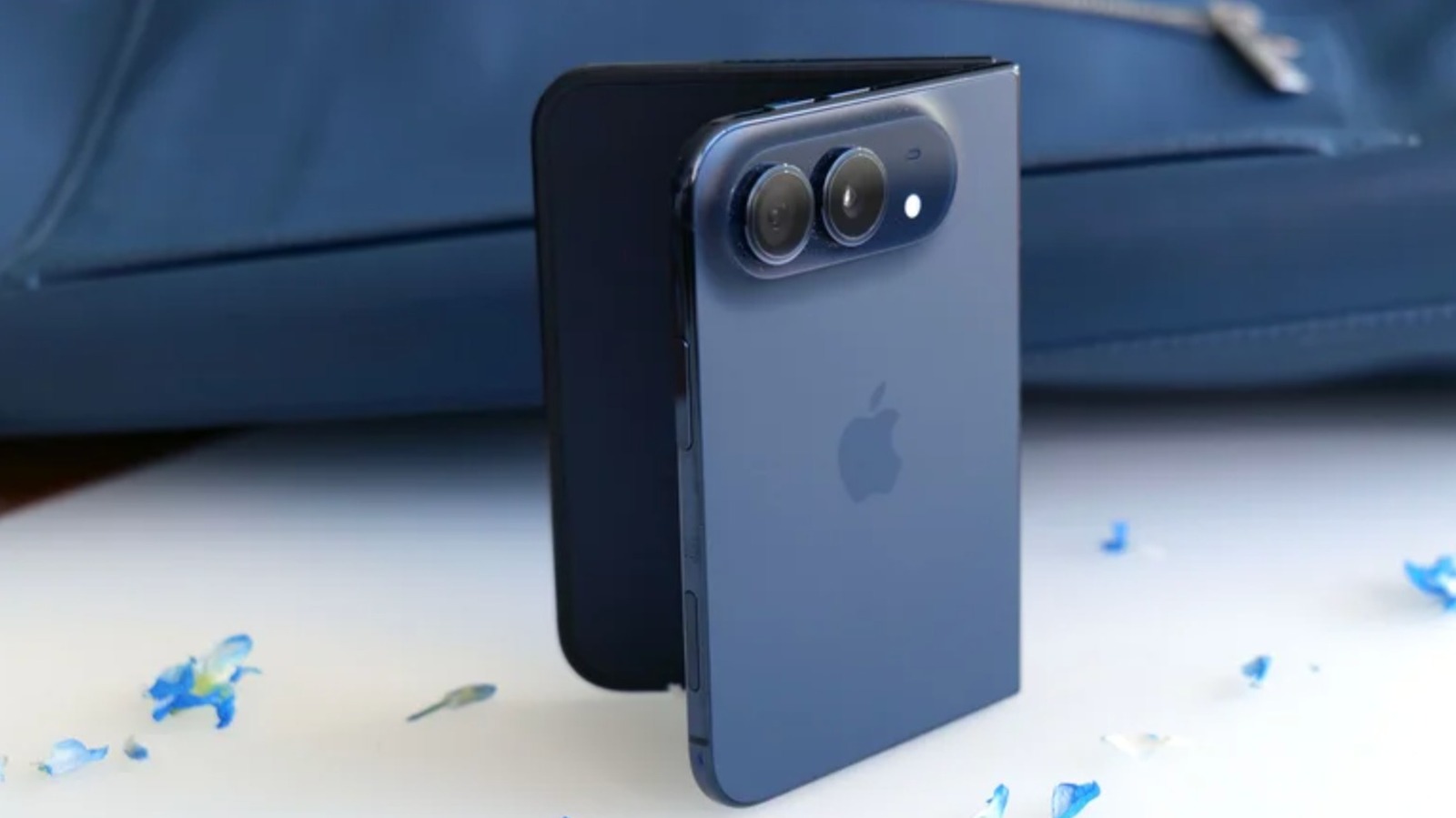
Secondly, the shift addresses user expectations for speed and convenience. While Touch ID on the Duo 1 was accurate, it often required a deliberate action to place a finger on the sensor. Face ID, by contrast, offers a more passive and often quicker authentication process, especially when simply glancing at the phone. This is particularly valuable in a foldable device designed for dynamic usage, where the phone might be opened or presented in various angles. Face ID would likely reduce friction points, making interactions smoother and more intuitive.
Thirdly, it potentially offers enhanced security. While Touch ID is highly secure, Face ID’s 3D facial mapping is generally considered to offer a higher level of biometric security, being more resistant to spoofing attempts. This would further bolster the security credentials of the iPhone Duo, a device often used for sensitive personal and professional tasks.
Beyond biometric authentication, Gurman also mentioned the potential inclusion of the Action Button in an eventual iPhone Duo 2. Introduced with the iPhone 15 Pro, the Action Button replaces the traditional mute switch with a customizable button that can be assigned to various functions, from launching the camera to activating a voice memo or accessibility features. This small but significant user interface enhancement further underscores Apple’s drive to provide more versatile and personalized control options, aligning the foldable with the cutting-edge features of its pro-grade smartphones.
The Broader Context: Apple’s Design Philosophy and the Foldable Market
Apple’s pursuit of under-display Face ID for the iPhone Duo 2 is deeply rooted in its overarching design philosophy: a relentless commitment to seamless integration and an intuitive user experience. The company consistently strives to eliminate physical buttons, notches, and bezels, aiming for devices that feel like pure, unadulterated displays. The evolution from the Home button to Face ID, and now towards under-display sensors, is a clear trajectory in this regard. This pursuit of aesthetic purity is always balanced with functional excellence, ensuring that advanced technology serves, rather than hinders, the user.
The foldable smartphone market, though still nascent, is fiercely competitive. Major players like Samsung, Google, and Huawei have been iterating on their foldable designs for several years. Apple’s entry with the iPhone Duo, while later than some rivals, is a testament to its methodical approach, waiting until it believes the technology is mature enough to deliver a truly Apple-grade experience. By addressing perceived shortcomings like the absence of Face ID, Apple can solidify its position in this emerging segment, demonstrating its ability to rapidly evolve its foldable offering.
The balance between innovation and cost is a perpetual tightrope walk for Apple. Developing cutting-edge technologies like under-display Face ID involves substantial research and development investments. While these features justify a premium price point, Apple must ensure that the added value outweighs the increased cost for consumers. The initial iPhone Duo’s $2,000 price tag already positions it at the very high end of the market, and any further price increases would need to be thoroughly justified by significant advancements. The fact that Apple is pushing for Face ID suggests they believe the user experience benefit will outweigh the additional manufacturing complexity and potential cost.
Anticipating the iPhone Duo 2: A Glimpse into Future Iterations
While a definitive timeline for the iPhone Duo 2 remains speculative, the reports of active prototype development suggest that Apple is progressing steadily. Typically, Apple introduces major revisions to its product lines on a roughly annual or biennial cycle. Given the significant engineering required for a foldable device and the integration of new technologies like under-display Face ID, a release sometime in the next 18-24 months seems plausible, potentially aligning with future iPhone launches or as a standalone event.
Beyond Face ID and the Action Button, the iPhone Duo 2 will undoubtedly feature a host of other enhancements. Users can expect improvements in hinge durability, a common area of focus for all foldable manufacturers. Display technologies will likely see further refinements, offering brighter, more vibrant visuals with enhanced durability. Battery life, often a concern for power-hungry foldable devices, will likely be a key area of optimization. Processor upgrades, camera advancements, and software optimizations tailored for the foldable form factor are also guaranteed.
A more refined iPhone Duo, complete with under-display Face ID, would not only address initial user feedback but also further cement Apple’s standing in the burgeoning foldable market. It would demonstrate Apple’s capacity to not only enter new product categories but also to rapidly iterate and perfect its offerings, upholding its reputation for delivering polished, high-quality devices. The competitive landscape demands continuous innovation, and Apple appears poised to meet that challenge head-on with its next-generation foldable.
Conclusion: A Trajectory Towards Biometric Sophistication
The news of iPhone Duo 2 prototypes incorporating under-display Face ID marks a pivotal moment in the evolution of Apple’s foldable smartphone. It signifies Apple’s unwavering commitment to pushing the boundaries of mobile technology, even in the face of significant engineering hurdles. By moving beyond the first generation’s pragmatic return to Touch ID, Apple aims to deliver a foldable experience that is not just innovative in form factor but also uncompromising in its core functionalities, particularly biometric security.
This trajectory towards biometric sophistication underscores Apple’s long-term vision for its devices: seamless, intuitive, and secure interactions that anticipate user needs. As the foldable market matures, the integration of advanced features like under-display Face ID will be crucial for differentiation and for solidifying Apple’s position as a leader in premium, cutting-edge consumer electronics. The iPhone Duo 2, with these reported advancements, promises to be a more complete and compelling offering, aligning the foldable experience with the high standards of performance and convenience that users have come to expect from Apple’s flagship products.