Galang Taruna
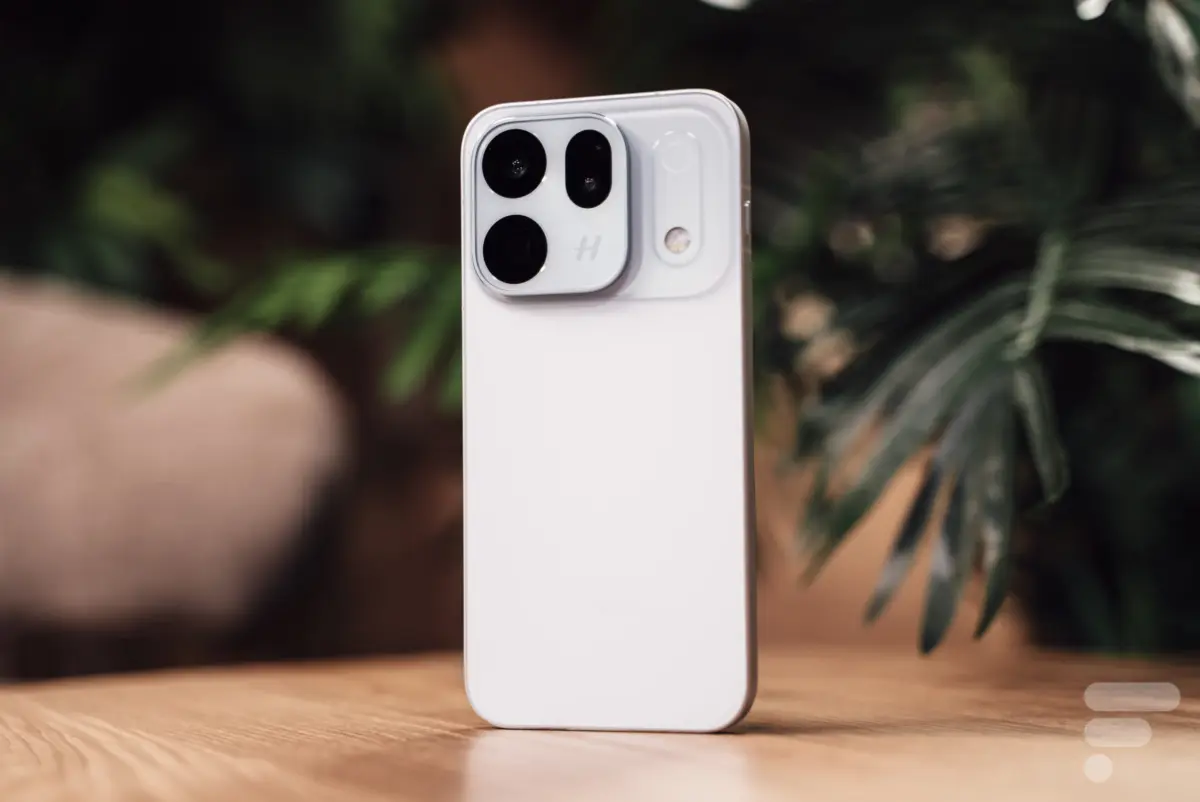
Oppo has officially launched its latest flagship smartphone series, introducing the Oppo Find X10 as the "smaller" yet significantly upgraded model. Priced at €1299 for the 12GB RAM and 256GB storage configuration, the Find X10 aims to build upon the legacy of its predecessor, the Find X9, which debuted at €1000 with a more generous 12GB RAM and 512GB storage. This launch signals Oppo’s continued ambition in the premium segment, focusing on substantial enhancements across crucial areas including design, processing power, display technology, photographic capabilities, and battery endurance.

The Evolution of Oppo’s Flagship Line: A Strategic Positioning

The release of the Find X10 on October 23, 2026, marks another step in Oppo’s iterative refinement of its high-end portfolio. While maintaining a similar physical footprint to the Find X9, the new model incorporates advancements that bring it closer in specification to last year’s Find X9 Pro, and even the ultra-premium Find X9 Ultra, particularly in its imaging prowess. This strategic move suggests Oppo is aiming for a more consolidated premium offering, distilling top-tier features into a more accessible flagship model within its series. The Find X series has consistently been Oppo’s showcase for innovation, competing directly with established giants and emerging challengers in the fiercely contested high-end Android market.

Design and Durability: Refined Aesthetics Meet Robust Engineering

The Oppo Find X10 subtly evolves the design language of its predecessors. While the overall rectangular camera module with rounded corners and an aluminum surround remains, a notable refinement is the externalized flash unit, now elegantly protected by a transparent glass plate—a design cue previously seen on the Find X9 Pro. This attention to detail contributes to a sophisticated aesthetic. The device is available in three distinct colorways: a classic grey, a vibrant light blue, and a warm salmon, catering to diverse consumer preferences. The matte glass back panel is a practical highlight, offering a soft, pleasant tactile experience while effectively resisting fingerprints, a common issue with many premium glass-backed smartphones.

Despite its positioning as the "smaller" model compared to devices like the Samsung Galaxy S26+ (6.7 inches) or the Xiaomi 17 Ultra (6.9 inches), the Find X10’s 8.4mm thickness and 216-gram weight give it a somewhat substantial, premium feel. Physical controls are ergonomically placed: traditional power and volume buttons reside on the right edge, while the left features the customizable "Snap Key." This dedicated button, carried over from the Find X9, provides quick access to user-defined functions or applications with a single press, enhancing usability. Notably, the Find X10 foregoes the dedicated physical camera button found on the Find X9 Pro, indicating a design divergence from that particular high-end feature.

In terms of build quality, the Find X10 leaves little to chance. Its aluminum frame provides structural integrity, while IP68/IP69 certification guarantees comprehensive resistance against dust and water ingress. Further bolstering its resilience, the device boasts SGS 5-star drop resistance certification and features Gorilla Glass Victus 2 protecting its display, ensuring a high level of durability against everyday accidents. These robust specifications align the Find X10 with the industry’s most resilient flagship devices.

Immersive Visuals: The Display Experience

The Find X10 features a 6.59-inch AMOLED display, a size that positions it as an intermediate option between larger flagships and more compact models like the Google Pixel 11, Samsung Galaxy S26, or Oppo Reno 16 Pro (all around 6.3 inches). This screen size, identical to the Honor 600 Pro and its direct predecessor, the Find X9, offers a balance between immersive viewing and comfortable one-handed use. The ultra-thin bezels maximize screen real estate, drawing the user’s attention fully to the content.

The OLED panel delivers a crisp resolution of 2768 x 1272 pixels, with an alternative power-saving mode at 2350 x 1080 pixels. The operating system intelligently switches between these modes based on the application in use, optimizing both visual quality and power consumption. While Oppo advertises a maximum refresh rate of 144Hz, this is primarily reserved for a limited selection of high-frame-rate games. For most daily tasks, the display operates at a fluid 120Hz. The integration of LTPO technology allows for highly granular control over the refresh rate, dynamically adjusting it to match content and further enhancing energy efficiency, thereby extending battery life.

The Find X10’s display generally shares the strengths and weaknesses of the Find X9 Pro’s screen. Oppo claims a peak HDR brightness of 3600 nits, achievable when viewing HDR content on streaming platforms like Netflix or Disney+. Standard brightness is rated at 800 nits, with a High Brightness Mode (HBM) capable of reaching 2000 nits in automatic brightness settings. Our independent tests, conducted with a colorimetric probe and CalMAN Ultimate software, recorded a standard brightness of 765 nits and an HBM SDR brightness exceeding 1000 nits (1015 nits). While respectable and in line with many 2026 flagship displays, this measured brightness falls slightly short of the absolute brightest panels seen on competitors like the Honor 600 Pro or Xiaomi 17 Ultra. Nonetheless, the display’s color reproduction is rated as generally satisfactory, offering a vibrant and accurate visual experience.

Performance: Mediatek Dimensity 9600M Under Scrutiny

Powering the Oppo Find X10 is the Mediatek Dimensity 9600M processor. This octa-core chip features a formidable configuration: one prime core clocked at 4.21 GHz, three performance cores at 3.5 GHz, and four efficiency cores at 2.7 GHz. However, a key point of analysis is that the Dimensity 9600M, despite its new nomenclature, is primarily a 2026 iteration of the Dimensity 9500, the chip found in the previous Find X9 and Find X9 Pro. This means that while capable, its performance gains over the prior generation are not significantly transformative, often varying depending on the benchmark utilized. In essence, the Dimensity 9500 and 9600M offer comparable levels of raw processing power.

Comparative benchmarks indicate that the Dimensity 9600M slightly outperforms Qualcomm’s Snapdragon 8 Elite, as seen in devices like the Honor 600 Pro. However, when stacked against the very latest high-end chips from Samsung (Exynos 2600) or Qualcomm (Snapdragon 8 Elite Gen 5), the Dimensity 9600M, while not a slouch, generally lags in raw performance scores. This might be partly attributed to the Find X10’s single configuration offering 12GB of RAM and 256GB of internal storage, whereas many contemporary flagships now provide 16GB of RAM as a standard, potentially impacting multi-tasking and high-intensity application performance. Despite these comparisons, the Dimensity 9600M ensures an exemplary level of responsiveness for all daily tasks, from web browsing and social media to demanding applications.

For mobile gamers, the Find X10 provides ample power. Titles like Fortnite can be played with maximum responsiveness (120 frames per second) at lower graphical settings, or with stunning "Epic" quality graphics at a smooth 60 frames per second. A significant advantage of the Dimensity 9600M is its thermal management. Unlike some of the latest high-end Qualcomm chips (e.g., Snapdragon 8 Elite Gen 5), the Dimensity 9600M maintains lower processor and chassis temperatures, allowing it to sustain high performance over extended periods. Our stress tests showed that the Find X10’s performance dipped only slightly below 70% after nearly 40 minutes of intensive tasks, indicating superior thermal throttling control compared to some rivals.

Software and AI: Android 17 with ColorOS 17’s Smart Features

The Oppo Find X10 runs on Android 17, overlaid with Oppo’s proprietary ColorOS 17 interface. This combination provides a comprehensive and user-friendly software environment, complete with intuitive on-screen explanations for its various unique functions. A common observation in Chinese smartphone brands, even at premium price points, is the presence of pre-installed third-party applications or "bloatware," and the Find X10 is no exception, featuring apps like Facebook, Instagram, TikTok, Netflix, Spotify, and Temu out of the box.

Oppo commits to a robust update policy for the Find X10, promising 5 years of Android version updates and 6 years of security patches. While commendable, this falls slightly short of the 7-year commitment offered by some industry leaders like Google and Samsung for their flagship devices. ColorOS 17 introduces several productivity-enhancing features, including floating windows for flexible multitasking, a split-screen view for running two applications concurrently, and an intelligent sidebar for quick access to frequently used functions and applications.

A significant focus of ColorOS 17 is its comprehensive integration of artificial intelligence. The Find X10 offers standard AI-powered assistance for writing, translation, and transcription of recordings. Oppo takes this further with its new Mind Pilot application, which leverages large language models such as Gemini, ChatGPT, or Perplexity, alongside an AI agent (like ChatGPT or Manus), to assist users with complex tasks. These can range from organizing events and travel itineraries to sorting files and photos, provided the user has the necessary "tokens" or subscriptions for the underlying AI services. However, practical testing of the AI agent’s photo sorting capabilities yielded mixed results, as it struggled to accurately identify and categorize various portraits or animal photos stored on the device.

Another AI-driven feature is Mind Space, which acts as a digital notepad. It stores screenshots and voice notes, which are then analyzed and categorized by AI, aiming to provide a more intelligent and organized note-taking experience. Furthermore, several photo editing functions within the Find X10 are AI-enhanced, including AI recomposition, an intelligent eraser, AI re-lighting, a "perfect shot" mode for group photos, sharpness enhancement, blur and reflection removal, and automatic color adjustments. These AI tools collectively aim to elevate the user’s photographic output with minimal effort.

Photography Powerhouse: A Leap in Imaging

The Oppo Find X10 boasts a significantly upgraded camera system compared to its predecessors, particularly the Find X9, which featured three 50-megapixel sensors. The Find X9 Pro introduced a 200-megapixel telephoto sensor, and the Find X10 expands on this photographic evolution with a truly high-end configuration, featuring three Samsung-designed sensors:

- Main Wide-Angle: A 200-megapixel sensor (ISOCELL HP3), paired with a 23mm equivalent lens and a bright f/1.6 aperture. This sensor benefits from optical image stabilization (OIS), minimizing blur in low light and during video recording.
- Ultra-Wide-Angle: A 50-megapixel sensor, coupled with a 15mm equivalent lens and an f/2.0 aperture.
- Telephoto: A 200-megapixel sensor (ISOCELL HP3), offering a 65mm equivalent focal length (2.8x optical zoom) and an f/2.6 aperture. This lens also features OIS, crucial for sharp zoomed shots.
A 50-megapixel front-facing camera completes the imaging suite. The camera interface offers two primary shooting modes: a classic mode, which captures images at 25 megapixels (5780 x 4352 pixels) by default, and a specialized Hasselblad high-resolution mode, which doubles the precision to 8160 x 6144 pixels. For the wide and telephoto lenses, a dedicated 200-megapixel option is also available, albeit at the cost of significantly larger file sizes.

Daylight Performance:
The main wide-angle lens consistently produces images of excellent quality, rich in detail and with finely reproduced textures. The high-resolution sensor ensures that even subtle elements are captured with clarity.
The ultra-wide-angle lens, despite having a "mere" 50-megapixel sensor compared to the Find X10 Pro Max’s 200-megapixel ultra-wide, still delivers very convincing results in daylight. The Hasselblad high-definition mode is available here, allowing for 8192 x 6144 pixel captures. As is common with ultra-wide lenses, there is a slight decrease in sharpness towards the edges of the frame, but it remains within acceptable limits for a flagship device.
The telephoto lens, with its 2.8x optical zoom (65mm equivalent) and 200-megapixel sensor, excels in daylight. Images taken at 2x (46mm equivalent) or 2.8x are impeccable. Even when digital interpolation is applied to achieve a 5.6x zoom (130mm equivalent), photos retain remarkable detail.

Nighttime Photography:
The main wide-angle camera utilizes 16-in-1 pixel binning technology in its dedicated Night mode, producing 12-megapixel images. While this boosts overall brightness, it often results in color renditions that deviate from reality. However, the resulting images are generally precise, even when light sources are distant or challenging.
The ultra-wide-angle lens struggles significantly in low-light conditions. Despite the reduced 12.5-megapixel resolution in Night mode, our tests revealed images that were often imprecise and blurry, making it the weakest link in the Find X10’s night photography arsenal.
The 2.8x telephoto lens performs surprisingly well at night, delivering satisfactory close-up shots even in particularly challenging lighting environments, thanks to its high-resolution sensor and OIS. For higher zoom factors, the Find X10 employs sophisticated algorithms to enhance image precision. Up to 30x zoom (232mm to 696mm equivalent), photos generally maintain good quality, though the impact of digital interpolation becomes more apparent when viewed on larger screens. Beyond 30x, at 60x and 120x, image quality degrades significantly, as expected.

Selfie and Video Capabilities:
The 50-megapixel front-facing camera can also leverage the Hasselblad mode for high-definition selfies (8192 x 6144 pixels). Whether in standard or Hasselblad mode, selfies exhibit excellent precision. In low-light conditions, the screen-based flash provides powerful illumination, enabling precise and high-quality selfies even in very dark environments.

For videographers, the Oppo Find X10 is a compelling device. It supports 4K video recording at an impressive 120 frames per second on both the main and telephoto cameras. Users can also record in cinematic 8K resolution at 30 frames per second. The front camera is equally capable, offering 4K video capture at 60 frames per second. A premium feature is the ability to record video in Dolby Vision, ensuring exceptional dynamic range and color fidelity. Optical image stabilization is available up to 4K at 60 frames per second, providing smooth and stable footage. Our tests, including concert recordings, confirmed the Find X10’s ability to produce visually and audibly impressive video sequences.

Audio Experience: A Balanced Output

The Oppo Find X10 is equipped with dual stereo speakers. However, the audio output is somewhat unbalanced, with the speaker located near the USB-C port delivering noticeably more power than the one at the top of the screen. Overall, the audio quality is decent, but the maximum volume output is somewhat limited compared to other high-end devices.

Users can activate various audio effects, including "Smart," "Movie," and "Game" modes. However, the differences between these modes are quite subtle, offering minimal discernible enhancement. For those who prefer a personalized audio experience, a 10-band frequency equalizer is available for fine-tuning the sound profile.

Connectivity and Endurance: Modern Standards and Market-Leading Battery Life

In terms of connectivity, the Find X10 is future-proof, supporting the latest Wi-Fi 7 (802.11be) standard for ultra-fast wireless networking and Bluetooth 6.2 for efficient peripheral connections. It also supports dual 5G nano SIM cards, ensuring high-speed mobile connectivity. However, it lacks a microSD card slot for expandable storage, which might be a consideration for users who require more than the built-in 256GB.

One of the standout features of the Find X10 is its exceptional battery life, powered by a substantial 7150 mAh lithium-ion silicon/carbon battery. This represents a minor but welcome increase over the Find X9’s 7025 mAh capacity. More significantly, it dwarfs the battery capacities of many competitors, such as the Xiaomi 17 Ultra (6000 mAh), Honor 600 Pro (6400 mAh), Samsung Galaxy S26 (4300 mAh), and Google Pixel 11 (4985 mAh). This massive battery translates into impressive real-world endurance, allowing the smartphone to operate for two to three days on a single charge, depending on usage intensity.

Our tests confirmed these claims: streaming a series on Netflix for 8 hours resulted in only a 27% battery drain (with Wi-Fi, 60Hz refresh rate, and 250 nits brightness), projecting a total video playback autonomy of approximately 29 hours and 37 minutes. The PC Mark office/multimedia endurance test, simulating mixed usage, showed the smartphone lasting 20 hours and 12 minutes with a variable refresh rate, and an even more impressive 21 hours with a fixed 60Hz refresh rate before reaching 20% battery. These results firmly position the Oppo Find X10 among the market leaders in smartphone battery endurance.

Beyond its impressive capacity, the Find X10 also excels in charging speeds. It supports Oppo’s proprietary 120W wired SuperVOOC fast charging and 80W AirVOOC wireless charging. With a compatible USB-C adapter and the fast charge option enabled, the battery can reach 57% charge in just 30 minutes, achieving a full charge in under an hour. These charging speeds are remarkably fast, especially considering the large battery size.

Market Positioning and Pricing Strategy: A Premium Proposition

The Oppo Find X10 is launched in France in a single configuration, offering 12GB of RAM and 256GB of internal storage, at a recommended retail price of €1299. This pricing strategy places it in direct competition with high-end flagships from other major manufacturers. It is noteworthy that the Find X9 Pro, its predecessor’s more premium variant, was launched at the same price point last year but offered a more generous 16GB of RAM and 512GB of storage. This suggests an increase in component costs or a strategic shift in Oppo’s value proposition for the Find X10.

To entice early adopters, Oppo is offering a limited-time launch promotion during the first week. This includes an immediate €100 discount, bringing the effective price down, and a choice of a complimentary gift: either a telephoto lens kit, an Oppo Watch X3 (valued at €349), or an Oppo Pad 5 tablet (valued at €459). Furthermore, Oppo is providing a trade-in bonus, adding €250 to the estimated value of an existing Oppo or OnePlus smartphone, or €150 for trade-ins of Samsung or Apple devices. These incentives are designed to soften the blow of the premium price and encourage brand loyalty.

When compared to its competitors, the Find X10’s price of €1299 positions it between the Samsung Galaxy S26 (€1119 for 12GB/256GB) and the Galaxy S26+ (€1369 for 12GB/256GB). It is significantly higher than the Honor 600 Pro, which launched at €1000 with 12GB RAM and 512GB storage. The price point is more aligned with the Xiaomi 17 Ultra (€1199 for 16GB/512GB) and the Google Pixel 11 Pro (€1229 for 16GB/512GB). This competitive analysis highlights Oppo’s intent to firmly establish the Find X10 as a premium offering, despite its slightly less aggressive memory and storage configuration compared to some rivals at a similar or lower price.

Broader Impact and Implications

The launch of the Oppo Find X10 reinforces Oppo’s commitment to the high-end smartphone market, showcasing advancements in camera technology, battery life, and AI integration. Its impressive battery endurance and rapid charging capabilities set a new benchmark, addressing a critical pain point for many smartphone users. The sophisticated camera system, particularly its video prowess, solidifies its appeal to content creators and photography enthusiasts.

However, the choice of the Dimensity 9600M, a modest upgrade from the previous generation, rather than the more advanced 9600 Pro found in the Find X10 Pro Max, presents a curious differentiation strategy. This, coupled with a slightly less competitive RAM/storage configuration at its premium price, might influence consumer perception against rivals offering more powerful chips or higher specifications for similar or slightly lower costs. The growing emphasis on AI features across the software, while promising, also highlights the nascent stage of practical AI application in smartphones, as evidenced by mixed results in certain AI tasks. Overall, the Find X10 is a strong contender, offering a compelling blend of premium design, advanced imaging, and market-leading battery performance, but it faces stiff competition in a highly saturated and innovative segment.