Galang Taruna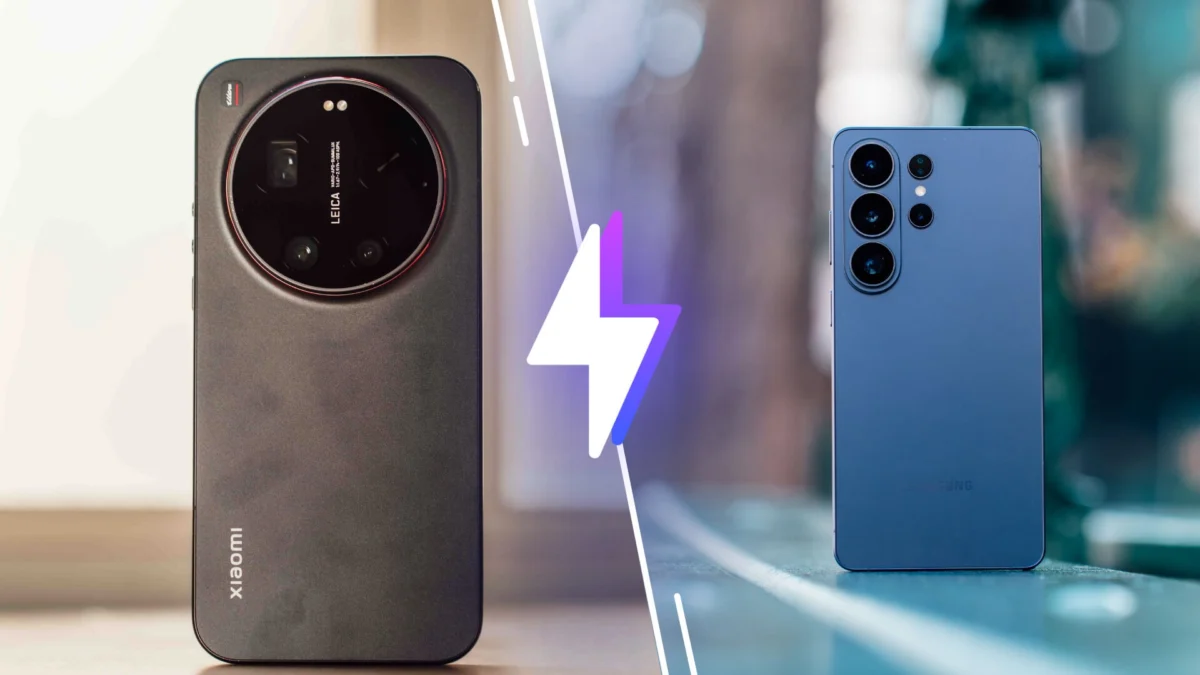
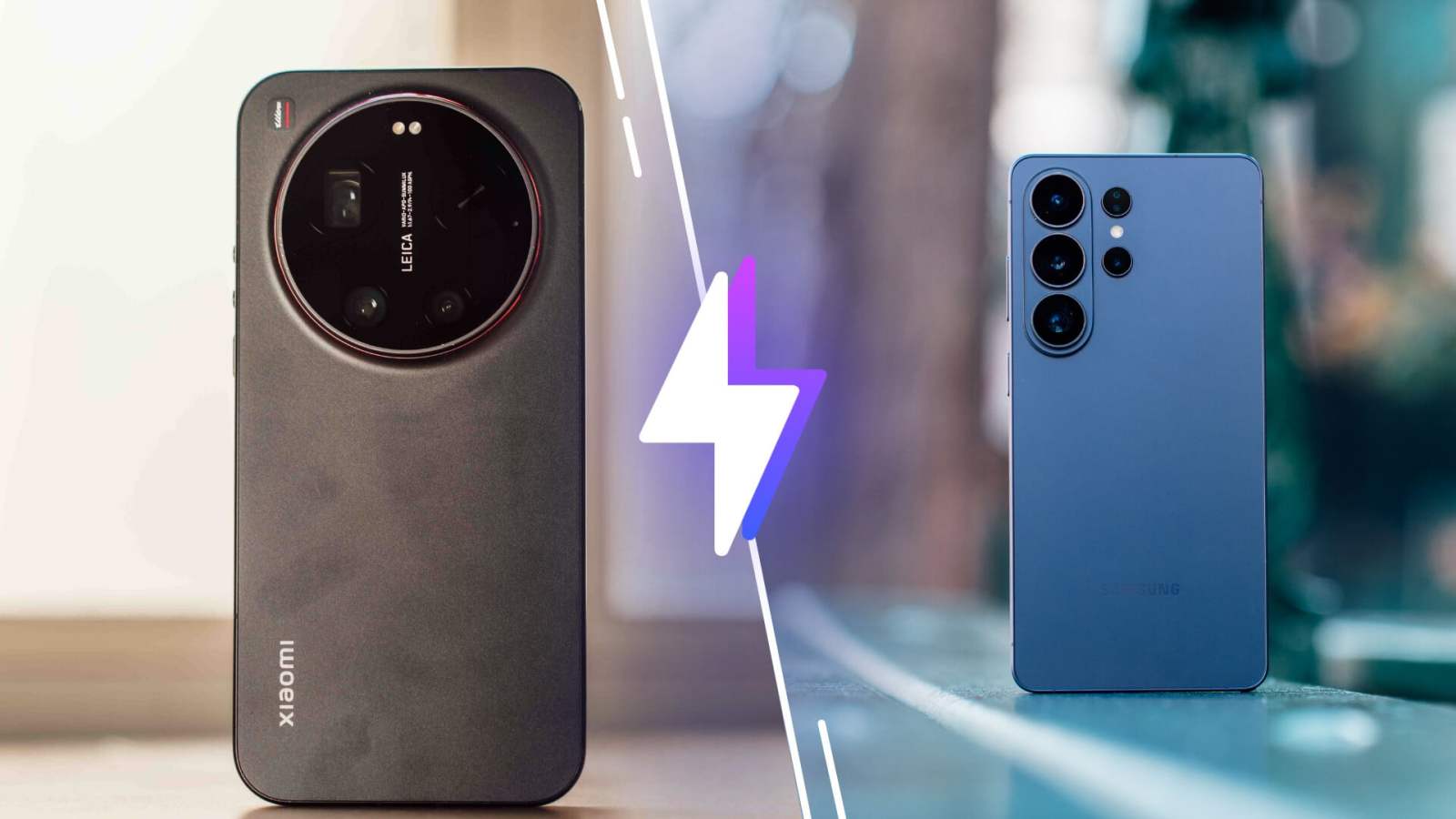
The fiercely competitive landscape of the premium smartphone market witnesses another enthralling showdown as two titans, the Xiaomi 17 Ultra and the Samsung Galaxy S26 Ultra, vie for supremacy. Both devices, now widely available and subjected to rigorous testing, represent the pinnacle of mobile technology, particularly in photography, performance, and user experience. With identical review scores of 9/10 from leading tech publications and remarkably similar price points, discerning the superior flagship requires a meticulous examination of their nuanced strengths and strategic innovations. This comprehensive comparison aims to equip prospective buyers with the insights needed to navigate this high-stakes decision.
The Annual Flagship Launch Cycle and Market Positioning
Historically, the release of Samsung’s top-tier Galaxy Ultra model often creates a significant ripple effect in the industry, frequently serving as a benchmark against which other manufacturers, particularly Xiaomi, launch their photography-focused flagships. The year 2026 is no exception, marking a generational leap for Xiaomi, bypassing the 16 series to introduce the Xiaomi 17 Ultra. This strategic timing positions it directly against Samsung’s latest iteration, the Galaxy S26 Ultra. Both devices arrive on the market with an almost negligible price difference—1499 euros for the Xiaomi 17 Ultra and 1479 euros for the Samsung Galaxy S26 Ultra—setting the stage for a direct head-to-head battle for consumer preference in the ultra-premium segment. These devices are not merely smartphones; they are technological showcases, embodying the cutting edge of mobile innovation for the year.
Technical Specifications at a Glance: Xiaomi 17 Ultra vs. Samsung Galaxy S26 Ultra
| Feature | Xiaomi 17 Ultra | Samsung Galaxy S26 Ultra |
|---|---|---|
| Dimensions | 77.6 mm x 162.9 mm x 8.29 mm | 78.1 mm x 163.6 mm x 7.9 mm |
| Operating System | HyperOS | One UI 8.5 (Android) |
| Display Size | 6.9 inches | 6.9 inches |
| Resolution | 2608 x 1200 pixels (1.5K) | 3120 x 1440 pixels (QHD+, optional; 1080p default) |
| Pixel Density | 416 ppi | 498 ppi |
| Display Technology | OLED | AMOLED (LTPO, Dynamic 120Hz) |
| Processor | Qualcomm Snapdragon 8 Elite Gen 5 | Qualcomm Snapdragon 8 Elite Gen 5 |
| GPU | Adreno 840 | Adreno 840 |
| Internal Storage | 512 GB, 1024 GB | 256 GB, 512 GB, 1024 GB |
| Rear Camera (Main) | Sensor 1: 50 MP | Sensor 1: 200 MP (f/1.4 aperture) |
| Rear Camera (Other) | Sensor 2: 200 MP (telephoto, continuous zoom) | Sensor 2: 10 MP (telephoto) |
| Sensor 3: 50 MP (ultrawide) | Sensor 3: 50 MP (telephoto) | |
| Sensor 4: 50 MP (ultrawide) | ||
| Front Camera | 50 MP | 12 MP |
| Video Recording | 8K@30fps | 8K@30fps |
| Wi-Fi | Wi-Fi 7 (be) | Wi-Fi 7 (be) |
| Bluetooth | 5.4 | 6.0 |
| 5G Support | Yes | Yes |
| NFC | Yes | Yes |
| Fingerprint Sensor | Under-display | Under-display |
| Connector Type | USB Type-C | USB Type-C |
| Battery Capacity | 6000 mAh (Silicon-Carbon) | 5000 mAh |
| Weight | 218.4 g | 214 g |
| Colors | Black, White, Green | Black, White, Violet, Blue |
| Water/Dust Resistance | IP69 | IP68 |
| Stylus Support | No | Yes (Integrated S Pen) |
| Software Updates | 5 years OS updates + 1 year security patches | 7 years OS updates + 7 years security patches |
Design and Build Quality: A Clash of Giants
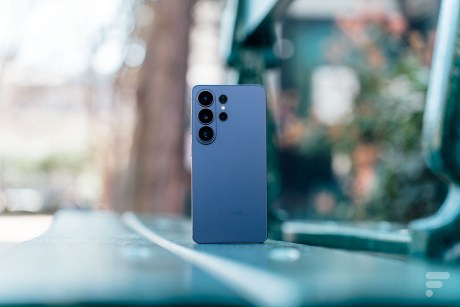
Neither the Xiaomi 17 Ultra nor the Samsung Galaxy S26 Ultra caters to users seeking a compact device; both are unapologetically large, defining the "phablet" category. The Samsung Galaxy S26 Ultra marginally edges out the Xiaomi in overall dimensions, though it impressively maintains a slender profile at 7.9 mm and a weight of 214 grams, making it feel relatively svelte for its size.
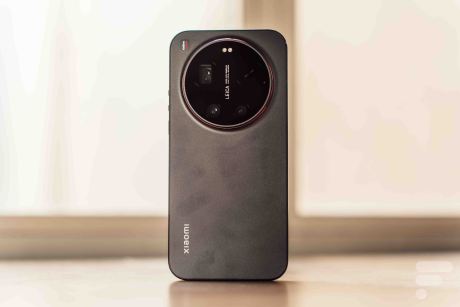
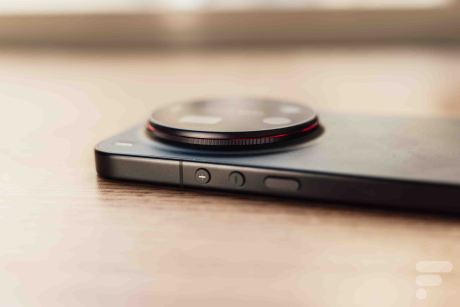
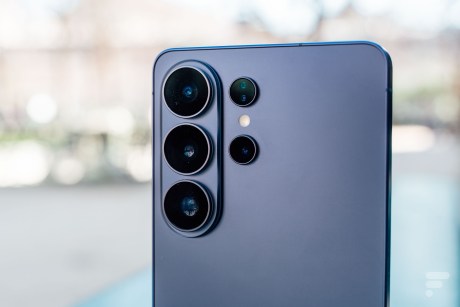
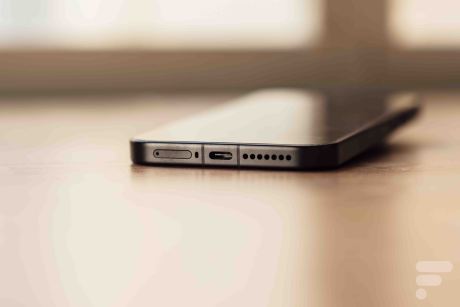
In terms of aesthetics, both manufacturers have opted for an evolutionary rather than revolutionary approach this year. The design language largely mirrors their predecessors, with subtle refinements. Xiaomi retains its distinctive, prominent camera island, a bold visual statement that emphasizes its photographic prowess. Samsung, conversely, continues with its more integrated and discreet sensor alignment, maintaining a cleaner back panel. A key design differentiator for Samsung is the enduring integration of the S Pen stylus within the chassis, conveniently located near the USB-C port, a feature that offers unparalleled productivity and creative versatility.
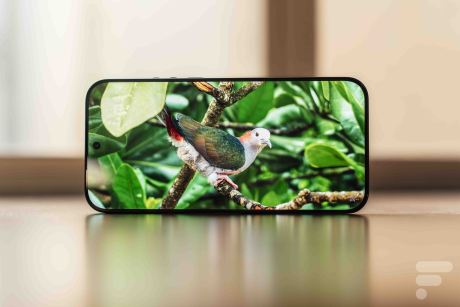
Both smartphones feature a modern flat design, offering a comfortable grip and a sleek appearance. Durability is paramount in this segment, and both are protected by advanced glass technologies: Shield Glass 3 for the Xiaomi 17 Ultra and Gorilla Glass Armor 2 for the Samsung Galaxy S26 Ultra. While both offer robust protection, Xiaomi pushes the envelope slightly further with an IP69 certification, providing enhanced dust and high-pressure water jet resistance compared to the S26 Ultra’s IP68 rating. This might offer peace of mind in very specific, demanding environments, though for most users, IP68 is more than adequate.
Display Dynamics: Brightness vs. Innovation
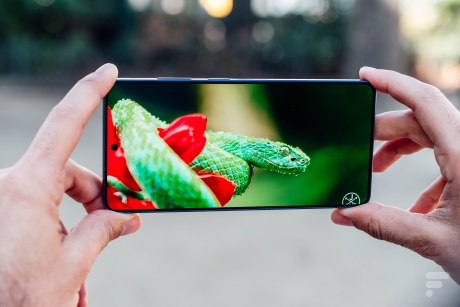
The displays on both flagship devices are, in many respects, spectacular. Both boast a expansive 6.9-inch diagonal, employing high-end OLED (Xiaomi) and AMOLED (Samsung) technologies, coupled with dynamic 120 Hz refresh rates thanks to LTPO panels. These features ensure buttery-smooth scrolling, responsive gaming, and vibrant visuals.
A significant point of divergence lies in resolution and brightness. The Xiaomi 17 Ultra offers a native 1.5K resolution (2608 x 1200 pixels), providing crisp imagery. The Samsung Galaxy S26 Ultra, while capable of QHD+ (3120 x 1440 pixels), defaults to 1080p, making its out-of-the-box display slightly less defined than Xiaomi’s. Users must manually activate the higher resolution on the S26 Ultra, which can impact battery life.
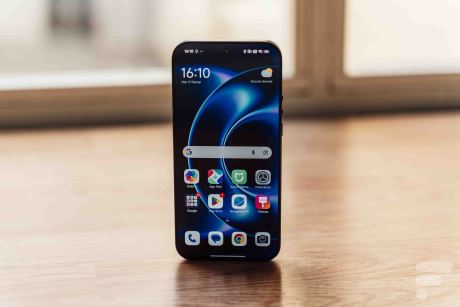
However, the Xiaomi 17 Ultra takes a substantial lead in peak brightness. Our tests reveal it can soar to an astonishing 3500 nits, ensuring exceptional readability even under the harshest direct sunlight. While the S26 Ultra’s 2552 nits is still highly impressive and more than sufficient for outdoor use, Xiaomi’s display is objectively brighter.
Samsung, however, introduces a compelling innovation: a next-generation anti-reflective glass combined with a "confidential display" option. This privacy feature significantly hinders screen visibility from oblique angles, making it difficult for bystanders to glimpse your content in public spaces like commuter trains. This ingenious feature addresses a common privacy concern and is a genuinely practical advancement that could well become a standard across future high-end smartphones.
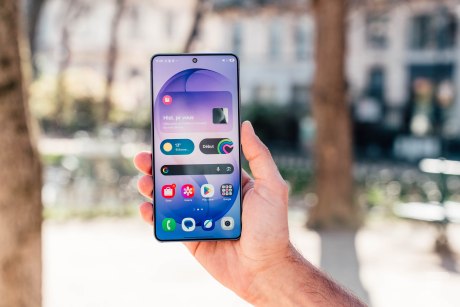
In terms of colorimetry, the two brands adopt distinct philosophies. Samsung typically leans towards a more saturated, vibrant color profile, which, while visually appealing to many, often comes at the expense of absolute accuracy. Its higher Delta E values indicate a noticeable deviation in certain colors. Xiaomi, by contrast, tends to offer a more accurate, albeit sometimes perceived as paler, color reproduction. This difference is ultimately a matter of personal preference, highlighting that "best" in display quality can be subjective.
Software and AI: Galaxy AI at its Zenith vs. Xiaomi’s Refined Approach

The software experience and the integration of artificial intelligence present one of the most significant battlegrounds. With the Galaxy S26 Ultra, Samsung pushes the boundaries of its One UI 8.5 Android overlay, enhancing an already robust platform with a suite of innovative AI features under the "Galaxy AI" banner.
Samsung’s AI is deeply integrated into the user interface, aiming to streamline everyday tasks. Features like "Now Nudge It" on the keyboard exemplify this: as you read messages, the keyboard intelligently offers contextual actions. For instance, if a contact requests photos, the keyboard provides a direct shortcut to the Gallery app. This proactive, context-aware assistance transforms mundane interactions into seamless experiences. Further advancements include an intelligent finder for content discovery and the promise of an "agentic AI" powered by Gemini. This futuristic capability aims to perform complex tasks like ordering a ride-hailing service or a meal with minimal user intervention, although this specific functionality is still rolling out and not yet available in all regions, including France. Coupled with an array of AI-driven photo editing and enhancement tools, the S26 Ultra positions itself as one of the most comprehensive AI smartphones on the market.
Xiaomi’s HyperOS, while mature and feature-rich, adopts a more conservative stance on AI. Its AI functionalities are largely refined versions of last year’s offerings, primarily focusing on photo embellishment, retouching, and some system optimization. While these features are practical and useful, they do not match the breadth and depth of Samsung’s broader productivity-focused AI ambitions.
Crucially, Samsung maintains its industry-leading commitment to software support. The Galaxy S26 Ultra is promised seven years of OS updates and seven years of security patches, a policy that significantly extends the device’s lifespan and value proposition. The Xiaomi 17 Ultra, while offering a respectable five years of OS updates and an additional year of security patches, falls short of Samsung’s unparalleled long-term commitment. This difference is a major factor for users who prioritize longevity and access to the latest software innovations.
Performance: Samsung’s Optimized Edge
At the heart of both flagships lies the formidable Qualcomm Snapdragon 8 Elite Gen 5 processor, paired with the Adreno 840 GPU. On paper, this suggests parity in raw processing power. However, benchmark tests and real-world usage indicate that the Samsung Galaxy S26 Ultra manages to eke out a slight performance advantage, largely attributed to Samsung’s proprietary software and hardware optimizations. These optimizations can include enhanced thermal management, more aggressive clock speed management, or superior memory allocation algorithms.
It is worth noting that the Xiaomi 17 Ultra is exclusively available with 16 GB of RAM, whereas the Samsung Galaxy S26 Ultra typically comes with 12 GB. In specific, highly demanding scenarios involving extensive multitasking, heavy gaming, or complex AI computations, the additional RAM in the Xiaomi could theoretically provide a smoother experience or greater headroom. Nonetheless, for the vast majority of users, the performance difference between these two devices will be imperceptible. Both smartphones deliver blisteringly fast