Garick Elordi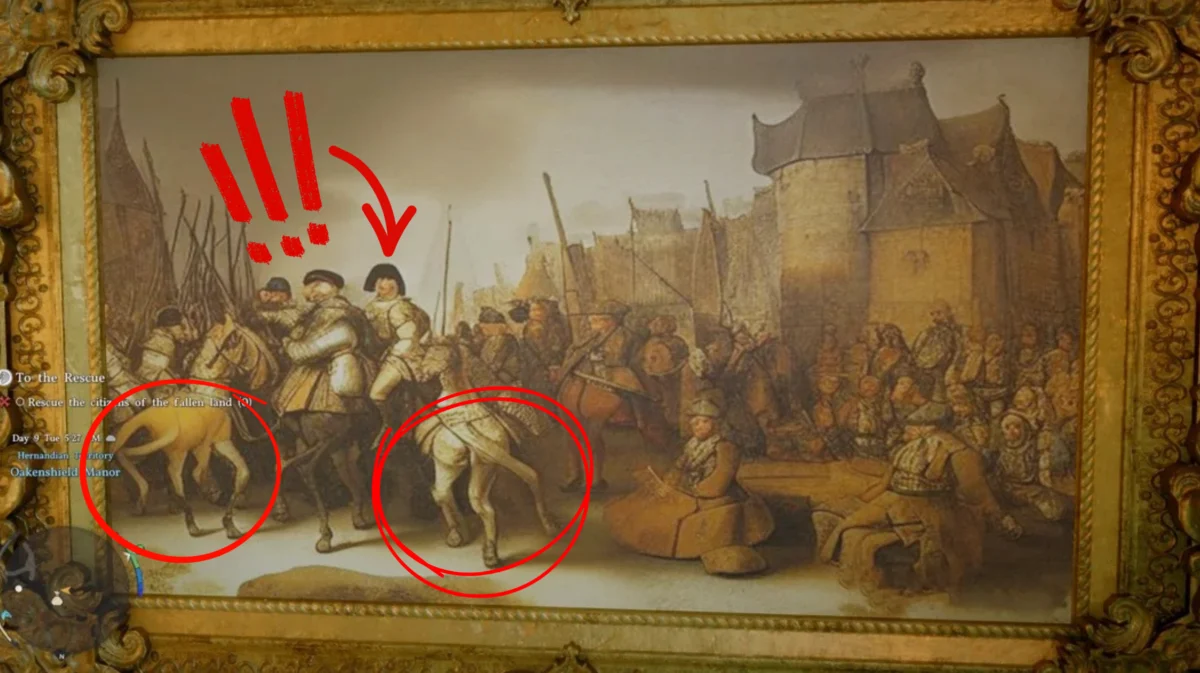
Pearl Abyss, the South Korean developer renowned for the visual fidelity of Black Desert Online, is currently navigating a turbulent release period for its ambitious open-world action-adventure title, Crimson Desert. While the game was initially positioned as a technical showcase for the studio’s proprietary BlackSpace Engine, its arrival has been marred by a growing controversy surrounding the alleged use of generative artificial intelligence in art assets and localization. These concerns, coupled with significant technical hurdles—including a total lack of support for Intel Arc graphics cards and massive Day-One patches—have led to a polarized reception among the gaming community and raised questions regarding the quality control standards of modern AAA development.
The Emergence of Generative AI Allegations
The controversy began shortly after the game’s global launch, as players began documenting visual anomalies within the world of Pywel. Social media platforms, particularly Reddit and Bluesky, became hubs for "AI spotting," where users shared screenshots of in-game assets that displayed the hallmark artifacts of generative AI models.
One of the most widely circulated images involves a "historic" in-game painting found within a tavern. Players noted that upon close inspection, the figures on horseback appeared to "melt" into the animals, with limbs blending into the horses’ torsos in a manner inconsistent with intentional surrealism. Other exhibits included character portraits and background posters where characters possessed more than five fingers or where clothing textures merged nonsensically with the environment.
The scrutiny quickly expanded from visual assets to the game’s script and localization. German-speaking players were among the first to raise alarms, suggesting that the German translation felt "mechanical" and lacked the nuanced syntax expected from professional human translators. Common complaints included the use of "hallucinated" words—terms that do not exist in the German language but are phonetically plausible—and a repetitive sentence structure often associated with Large Language Models (LLMs) like ChatGPT. This "verbose but hollow" dialogue style has been criticized for breaking immersion, as NPCs often deliver long-winded, philosophical monologues that feel disconnected from the immediate context of the player’s actions.
Chronology of Crimson Desert’s Development and Launch
To understand the current friction, it is necessary to examine the protracted development cycle of Crimson Desert. Originally announced at G-Star 2019, the project was initially conceived as a prequel to Black Desert Online before pivoting into a standalone, single-player-focused experience.
- December 2019: Crimson Desert is officially revealed with a cinematic trailer, promising a gritty, mercenary-focused narrative.
- December 2020: A gameplay trailer at The Game Awards showcases high-fidelity combat and traversal, setting high expectations for visual quality.
- 2021–2023: The game suffers multiple internal delays. Pearl Abyss cites the need for further refinement and the transition to a newer version of the BlackSpace Engine.
- Late 2024–2025: Marketing ramps up, highlighting the vastness of the world and the "living" ecosystem of Pywel.
- March 2026: Crimson Desert launches globally. Within hours, reports of technical instability on PC and consoles begin to surface.
- Launch Week: Discovery of AI-generated assets leads to "the final nail in the coffin" discourse on community forums, while Intel GPU users report the game is entirely unplayable.
Technical Hurdles and the Intel Arc Incompatibility
Beyond the aesthetic concerns, Crimson Desert’s launch has been plagued by functional failures. Perhaps the most significant is the total lack of support for Intel Arc graphics hardware. In an era where Intel has established itself as a third major player in the GPU market, the inability of a flagship AAA title to launch on these systems is an anomaly.
Intel issued a formal statement to Eurogamer expressing "huge disappointment" regarding the situation. The company emphasized that they had provided Pearl Abyss with open tools, documentation, and direct engineering support throughout the development process. The failure to implement functional drivers for a significant portion of the PC user base suggests a breakdown in the late-stage optimization phase of development.
Furthermore, players on other platforms have faced a 120GB Day-One patch, a file size that exceeds the initial installation of many contemporary games. This has led to "unplayability" for users with slower internet connections or limited storage, particularly on the Xbox Series S, where storage management is a perennial concern. On the PC front, storefront issues—specifically with the Xbox App and certain European digital retailers—have resulted in license verification loops, preventing legitimate purchasers from accessing the game.
Supporting Data: The Scale of Asset Repetition
While the use of AI is the primary point of contention, players have also pointed to a lack of traditional "hand-crafted" variety in the game world. Data-mining and environmental analysis by the community suggest a high degree of asset recycling that exceeds industry norms for a game of this budget.
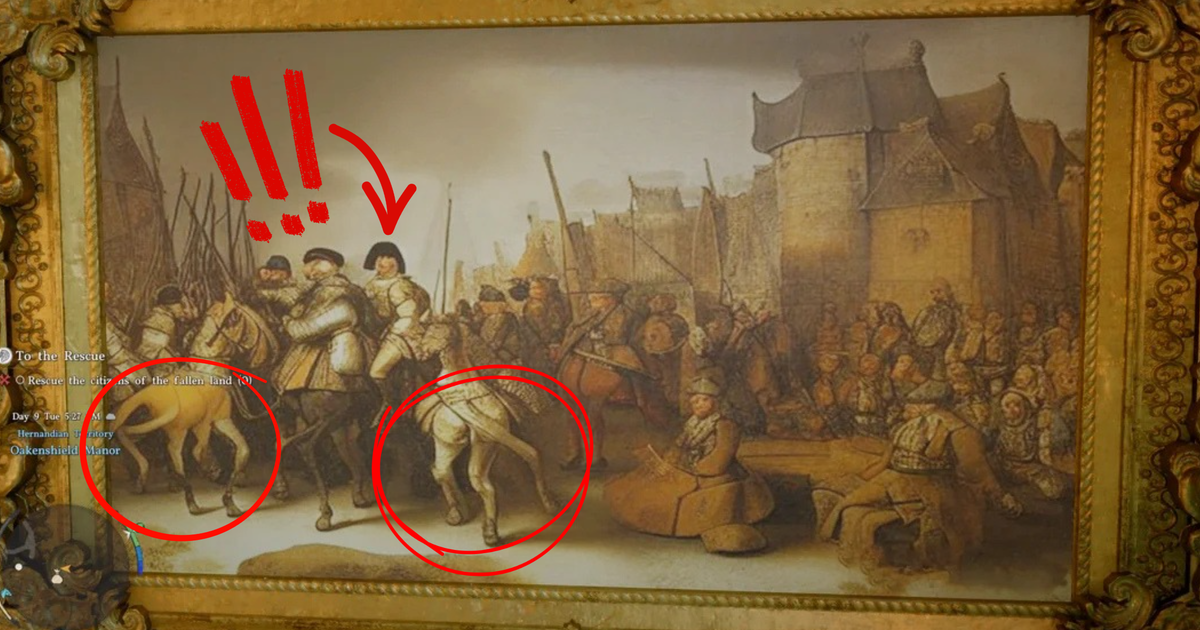
In one specific instance documented on the Crimson Desert subreddit, a player found the same "AI-generated" painting repeated four times on a single floor of an inn, with only slight rotations to the frames. While asset reuse is a standard practice in game development to save memory and time, the lack of variety in high-visibility decorative items has been labeled an "immersion breaker."
The debate over efficiency versus quality has divided the player base. Some argue that the use of AI to fill out minor environmental details is a necessary evil to manage the ballooning costs of AAA development. "I’ll take AI images over microtransactions any day of the week," one user noted, suggesting that if AI helps keep the game a one-time purchase, the trade-off is acceptable. However, critics argue that for a premium-priced title, the presence of "melting" figures and nonsensical text represents a lack of respect for the consumer and the artists who traditionally fill these roles.
Official Responses and Industry Implications
Pearl Abyss has yet to issue a comprehensive statement addressing the specific allegations of generative AI use. Their current communication has focused on the technical "hotfixes" required to stabilize the game’s performance. However, the industry implications are already being felt.
The Crimson Desert controversy serves as a case study for the "uncanny valley" of AI integration. As studios look for ways to streamline content creation, the risk of public backlash remains high if the output is not meticulously vetted by human designers. The "missing fingers" and "horse-body melds" seen in Pywel are precisely the types of errors that modern QA (Quality Assurance) teams are expected to catch. Their presence in the retail build suggests either a rushed production schedule or a significant reduction in QA resources.
From a journalistic perspective, this event highlights a shifting standard in game production. The use of AI in localization, in particular, poses a threat to the professional translation industry. If a major studio can release a game with "hallucinated" German dialogue, it sets a precedent that linguistic accuracy is secondary to speed and cost-saving.
Impact on the Pearl Abyss Brand
For Pearl Abyss, the stakes are high. Black Desert Online was a global success because of its industry-leading character creator and fluid combat. Crimson Desert was meant to prove that the studio could compete with Western giants like CD Projekt Red or Rockstar Games in the realm of narrative-driven, single-player epics.
The current narrative, however, is focused on "shortcuts." If the developer fails to address the AI concerns and the Intel GPU incompatibility quickly, they risk permanent damage to their reputation among core PC gamers. The "final nail in the coffin" sentiment shared by some fans reflects a broader fatigue within the gaming community regarding "minimum viable products" and the perceived erosion of artistic craftsmanship in favor of automated efficiency.
Broader Implications for the Future of Pywel
As the studio works to patch the game, the long-term viability of the Crimson Desert IP remains in question. While the core combat mechanics and world-building have received some praise, the "fake" feeling of the world—caused by repetitive and anomalous assets—threatens to overshadow the game’s strengths.
The coming months will be critical. If Pearl Abyss replaces the controversial assets with hand-drawn art and commissions a professional script polish for its non-English localizations, they may be able to salvage the game’s legacy. If they remain silent, Crimson Desert may instead be remembered as the first major AAA title to be defined not by its gameplay, but by the artifacts of the algorithms used to build it.
In conclusion, Crimson Desert stands at a crossroads. It represents the cutting edge of what is possible with modern game engines, yet it simultaneously exposes the vulnerabilities of a development model increasingly reliant on automation. For the tens of millions of players using Intel GPUs and the millions more who value artistic consistency, the world of Pywel remains a beautiful but deeply flawed vision of the future of gaming.