Metty Iskandar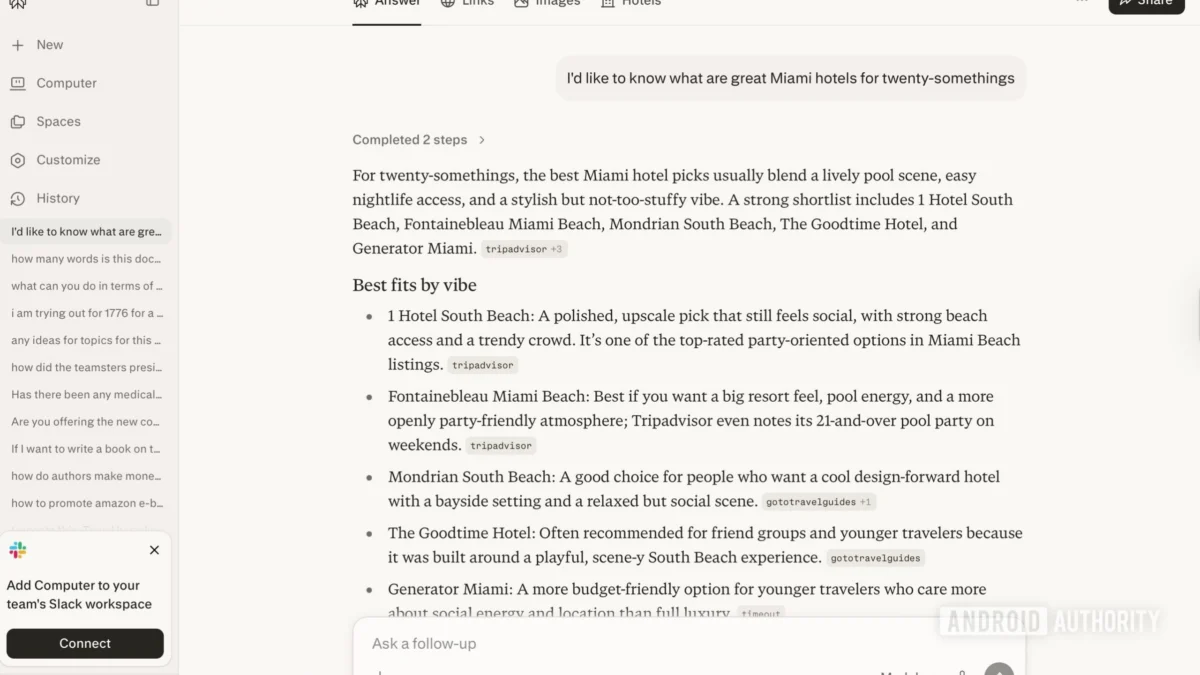
The proliferation of Artificial Intelligence (AI) tools has revolutionized how individuals and professionals approach tasks ranging from content creation to research and coding. As these sophisticated technologies become more accessible, a growing number of subscriptions are filling digital wallets. However, a recent personal audit by a content creator has illuminated a critical question for many: are these AI subscriptions truly delivering value commensurate with their cost? In a significant re-evaluation of his digital toolkit, the author identified three out of four AI subscriptions as redundant, leading to a monthly saving of approximately $50 and a shift towards more cost-effective, yet equally capable, free alternatives. This article delves into the process, the specific tools evaluated, and the underlying principle of aligning digital expenditure with tangible utility.
The initial impetus for this re-evaluation stemmed from a direct, introspective question: "Am I actually using this?" This seemingly simple query, posed to a portfolio of AI subscriptions including Adobe Firefly, ChatGPT Plus, and Perplexity Pro, revealed a significant disconnect between perceived need and actual usage. Despite each service ostensibly serving distinct purposes, the reality on the ground indicated a considerable overlap in functionality and a reliance on free alternatives for the majority of tasks. This led to the cancellation of these three subscriptions, a move that not only reduced monthly overhead but also prompted a deeper understanding of the evolving landscape of AI accessibility and value propositions.
The Shift Away From Adobe Firefly: Ideogram Emerges as a Viable Alternative
Adobe Firefly, a suite of generative AI tools designed for creative professionals, was initially subscribed to for its touted advantage of being trained on licensed content. This feature was presented as a significant differentiator, offering a layer of commercial safety and intellectual property assurance for those producing content professionally. The underlying premise was that using AI-generated assets derived from ethically sourced data would mitigate potential legal risks associated with copyright infringement. For businesses and individuals operating in fields where intellectual property is a paramount concern, this offered a compelling rationale for investment.
However, the author’s actual usage pattern revealed a less frequent engagement with these tools than initially anticipated. The generation of AI-created imagery, while often producing polished results, did not consistently deliver outputs that were groundbreaking or significantly superior to those offered by emerging free alternatives. The subscription, therefore, became a payment for a perceived safety net that was rarely deployed and a level of image quality that was rapidly being matched, if not surpassed, by free-to-use platforms.
The transition to Ideogram marked a strategic pivot. Ideogram, a text-to-image generation AI, was chosen to fulfill the need for header images, social media graphics, and occasional illustrations for a travel website. The author’s use case specifically involved creating visuals for 48-hour city guides and for the site’s Instagram presence. The free tier of Ideogram proved remarkably generous, offering a substantial number of image generations. Crucially, the quality of Ideogram’s output, particularly in photorealistic and stylized prompt interpretations, was found to be highly impressive, eliminating the need to revert to the paid Firefly service.
While the commercial licensing assurances of Adobe Firefly remain a valid consideration for users with high-stakes intellectual property concerns, for the majority of casual users, the cost-benefit analysis often tips in favor of more accessible options. The author’s experience underscores that the "peace of mind" offered by premium features may not always translate into tangible value if the core functionality can be adequately replicated by less expensive or free alternatives.

Re-evaluating ChatGPT Plus: The Caveats of Free Tier Access
The decision to cancel ChatGPT Plus was more nuanced, involving a degree of overlap with another existing subscription, Claude Pro. While not a direct monetary saving in terms of eliminating a duplicate service, the cancellation represented a redirection of funds and a validation of the free tier’s capabilities. ChatGPT Plus was maintained primarily out of inertia, with most interactions involving quick queries that the free version of ChatGPT could effectively handle. The critical realization was that the subscription was being maintained out of habit rather than a demonstrable necessity for advanced features.
As a freelance tech writer, the author’s professional audit prioritized tools that delivered distinct value. For the average ChatGPT user, the free tier is remarkably robust, covering a vast spectrum of daily tasks. This includes summarization, drafting content, answering queries, and assisting in problem-solving. While access to the most advanced models, such as GPT-4o, is rate-limited on the free tier, the frequency of hitting these limits for typical users is often negligible. This suggests that for a significant portion of the user base, the premium subscription may not be essential for optimal performance.
The primary drawback of relying solely on the free tier is the aforementioned rate limiting for advanced models. For power users who engage with ChatGPT extensively throughout the day, the unrestricted access to GPT-4o offered by ChatGPT Plus might still represent a worthwhile investment. However, for users whose needs are met by the core functionalities, the free tier provides a compelling and cost-effective solution. The author’s decision to cancel ChatGPT Plus was facilitated by the fact that Claude Pro, a comparable paid service, was already in use and met the advanced needs that might have otherwise necessitated the Plus subscription.
Perplexity Pro vs. Free Perplexity: A Clear Case for Cost Savings
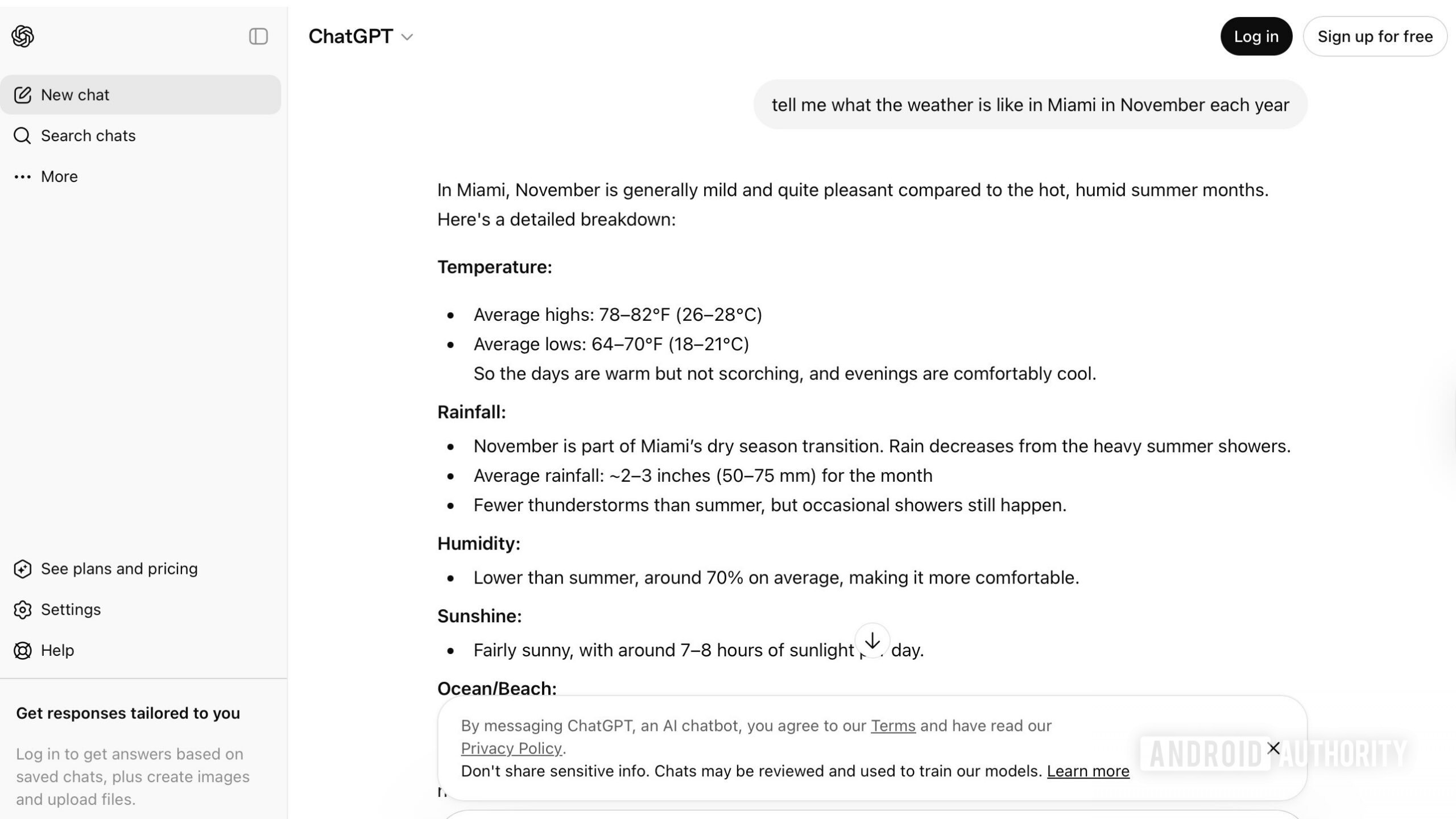
The cancellation of Perplexity Pro represented the most straightforward saving. Perplexity, an AI-powered search engine that synthesizes information from the web with cited sources, was subscribed to for its advanced features and enhanced search capabilities. However, the author’s primary usage pattern revolved around quick research tasks requiring synthesized answers and verifiable links. In this regard, the free tier of Perplexity proved to be just as effective. The frequency of encountering usage limits was minimal, and the differences in model performance were not significant enough to warrant the premium subscription for everyday use.
The Pro version of Perplexity becomes more advantageous for users engaged in extensive, sustained research projects that necessitate access to a wider array of models and advanced analytical tools. For the typical user seeking to quickly gather information and understand complex topics with clear sourcing, the free version offers an exceptional and highly competitive experience within the AI search landscape. The author reported no regrets or missed functionalities after canceling Perplexity Pro, highlighting the free tier’s comprehensive capabilities for their specific needs.
The Sole Retained Subscription: Claude Pro and Its Indispensable Role
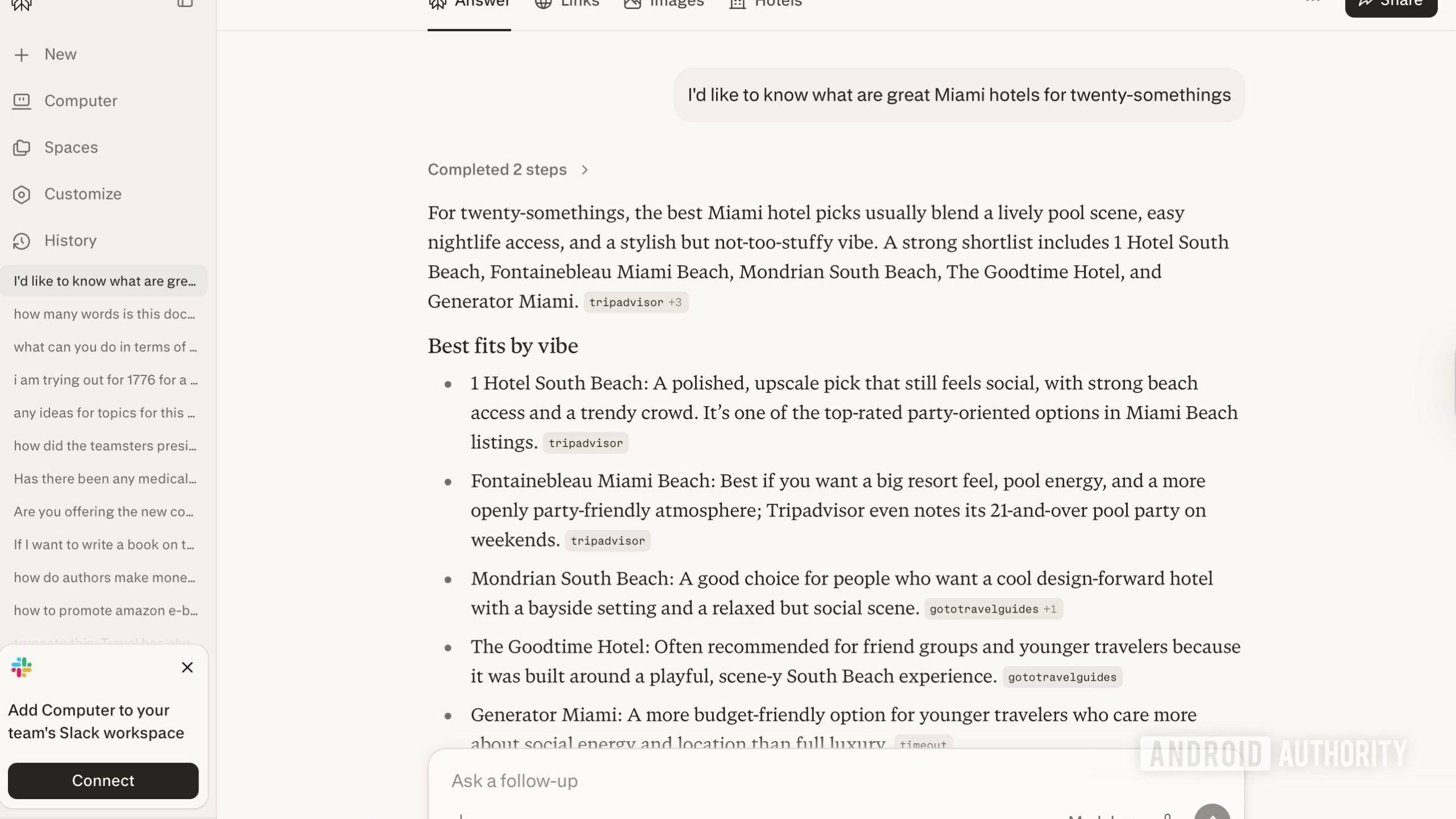
Despite the extensive culling of AI subscriptions, one service remained: Claude Pro. This decision was not a reflection of the inadequacy of the other tools, but rather a testament to Claude Pro’s unique and indispensable role in the author’s workflow. Unlike the other services, Claude Pro consistently performed specific, complex tasks that could not be replicated by free alternatives. The author, echoing observations made by colleagues regarding the benefits of transitioning to Claude Pro from ChatGPT, found it to be a superior tool for a range of demanding professional activities.
Claude Pro’s utility extends to critical areas such as journalism, B2B client work, website coding, and even the ambitious undertaking of writing a novel. These tasks often involve managing intricate details, maintaining context over extended interactions, and processing large volumes of information. For journalism and client-specific projects, the advanced reasoning and long-context capabilities of Claude Pro proved to be a significant asset. Similarly, for creative endeavors like novel writing, where sustained coherence and narrative complexity are paramount, Claude Pro’s performance was deemed essential.
This selective retention highlights a crucial principle: the value of a subscription is deeply personal and contingent upon individual needs and workflows. While one user may find free alternatives sufficient, another may discover that a particular paid service offers a unique advantage that justifies its cost. The author’s experience underscores that the "right" subscription is not a universal constant but a dynamic assessment based on tangible professional or personal utility.
The Broader Implications: Beyond the Tools to the Mindset
The core lesson derived from this AI subscription audit transcends the specific tools themselves. It centers on the critical distinction between perceived value and actual utility, and the tendency for users to fall into the trap of subscribing to services out of habit or a vague sense of future potential rather than immediate, demonstrable need. The exercise served as a potent reminder of the importance of regularly questioning one’s digital expenditure and aligning it with concrete usage patterns.
In an era where AI tools are rapidly evolving and becoming increasingly democratized, the temptation to subscribe to every promising new service is significant. However, as this case study illustrates, a critical and honest assessment of one’s actual engagement with these tools is paramount. The question "Am I actually using this?" should be a recurring one, applied not just to AI subscriptions but to the entire digital ecosystem of paid services. This proactive approach allows for the optimization of digital resources, ensuring that financial outlays are directed towards tools that demonstrably contribute to productivity, creativity, or efficiency, rather than simply accumulating unused digital subscriptions. The savings of $50 per month, while seemingly modest, represent a tangible outcome of this critical self-reflection, offering a blueprint for others to follow in navigating the complex and often costly world of AI tools.