Garick Elordi
The Binding of Isaac: Rebirth, a title that has long served as a cornerstone of the indie roguelike genre, has achieved an unprecedented milestone more than a decade after its initial release. In a remarkable display of longevity and market staying power, the game has ascended to the upper echelons of the Steam charts during the 2026 Summer Sale. Driven by a steep 90 percent discount and the recent introduction of highly anticipated features, the title has surpassed its previous historical peaks, signaling a massive renaissance for a franchise that many industry analysts believed had already reached its saturation point.
As of late June 2026, The Binding of Isaac: Rebirth reached a staggering concurrent player count of nearly 131,000 on Valve’s Steam platform. This figure represents a monumental leap from its previous record of 70,701 players, which was set in April 2021 following the launch of the Repentance expansion. According to data provided by SteamDB, the game has seen a 394.9 percent increase in total player activity over the last 30 days. This surge has propelled the title into the tenth spot on Steam’s "Most Played" chart, allowing it to outperform high-profile modern releases such as Path of Exile 2, Slay the Spire 2, and the perennial horror favorite Dead by Daylight.
The Catalyst: A Deep-Discount Strategy and the Complete Bundle
The primary driver behind this sudden influx of players is a historically low price point. During the current Steam Summer Sale, The Binding of Isaac: Rebirth is being offered at a 90 percent discount. More significantly, the "Complete Bundle"—which includes the base game and all major expansions: Afterbirth, Afterbirth+, and Repentance—is available for approximately £3.70. This pricing strategy has lowered the barrier to entry to an almost negligible level, attracting both budget-conscious newcomers and long-time fans who may have previously played the game on consoles or earlier versions.
Industry experts suggest that this "90 percent off" threshold is often a psychological turning point for digital software. For a game with the reputation of The Binding of Isaac, such a price point transforms the purchase from a considered investment into an impulsive acquisition. The value proposition is particularly high given the sheer volume of content; the Complete Bundle offers hundreds of hours of gameplay, thousands of item combinations, and dozens of unique characters, making it one of the most cost-effective entertainment options currently available on the market.
A Chronology of Evolution: From Flash to Repentance+
The journey of The Binding of Isaac is one of the most storied in independent gaming history. To understand the significance of the 2026 surge, one must look back at the game’s iterative development cycle, which has seen it evolve from a modest web-based project into a massive multi-platform franchise.
The original The Binding of Isaac was released in 2011 by Edmund McMillen and Florian Himsl. Built on the now-defunct Adobe Flash platform, the game was a surprise hit but was hampered by the technical limitations of its engine. In 2014, The Binding of Isaac: Rebirth was released, serving as a complete remake developed by Nicalis. Rebirth featured a new engine, a distinct 16-bit inspired art style, and vastly improved performance, which allowed for the chaotic "synergies" that would become the series’ trademark.
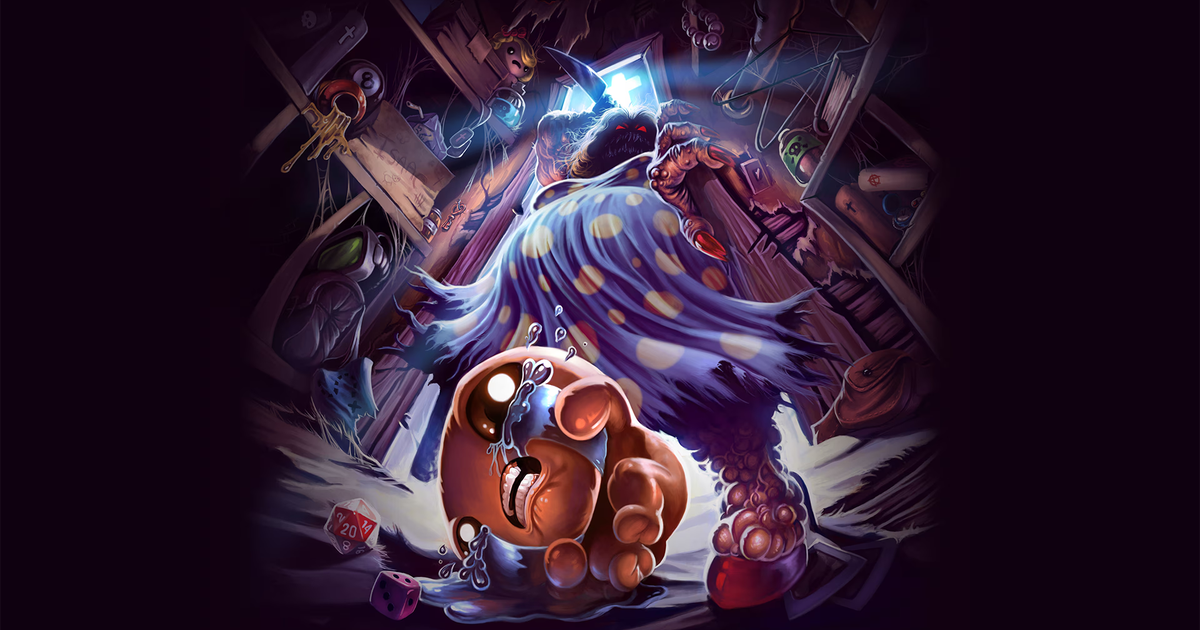
Following Rebirth, the game received several major expansions:
- Afterbirth (2015): Introduced Greed Mode, daily runs, and over 100 new items.
- Afterbirth+ (2017): Added official mod support via the Steam Workshop and additional end-game content.
- Repentance (2021): Originally described as a "sequel-sized" expansion, it integrated the fan-made "Antibirth" mod and doubled the game’s overall content, introducing the "Tainted" character variants and a definitive conclusion to the game’s narrative.
- Repentance+ (2024): A free update that finally implemented native online co-operative play, a feature the community had requested for over a decade.
The 2024 addition of online co-op is viewed by many as the foundation for the current 2026 success. By transitioning from a purely solo or local-only experience to a robust online multiplayer game, Nicalis and McMillen expanded the game’s social reach, encouraging groups of friends to purchase the game together during the sale.
Technical Analysis of the Player Surge
The data surrounding the 2026 surge provides a fascinating look at player retention and acquisition. While many "legacy" games see a spike during sales, few manage to break their all-time concurrent player records years after their last major paid DLC. The 131,000 player peak indicates that the game is not only retaining its "core" audience of veterans but is successfully onboarding a new generation of players.
The "long tail" of indie games like The Binding of Isaac and Terraria is often attributed to their procedural nature. Because every "run" is different, the game avoids the stagnation that affects many linear titles. In the last 30 days, the influx of new users has been complemented by a "return to the basement" by veteran players, many of whom are likely exploring the online co-op features for the first time or attempting to complete the daunting "Dead God" achievement—a task that requires hundreds of hours of dedicated play.
Impact on the Roguelike Genre and Competitive Landscape
The Binding of Isaac’s dominance on the 2026 charts has broader implications for the indie gaming industry. It serves as a reminder that well-supported "forever games" can compete directly with modern AAA and AA titles. By holding its own against Slay the Spire 2 and Path of Exile 2, Isaac demonstrates that a strong mechanical core and a dedicated community can outweigh the graphical fidelity of newer releases.
The game’s success also highlights the importance of "community-inspired" development. Much of the content in the Repentance expansion began as fan-made mods. By embracing the modding community rather than litigating against it, McMillen and Nicalis have fostered a sense of co-ownership among the player base, which translates into long-term loyalty and free word-of-mouth marketing.

The "Edmund-verse": Mewgenics and Future Prospects
The resurgence of Isaac comes at a time of high activity for creator Edmund McMillen. His latest project, Mewgenics—a complex "cat-breeding RPG"—was released earlier in 2026 to critical and commercial acclaim. Selling 150,000 copies in its first six hours, Mewgenics proved that McMillen’s brand of dark humor and deep systems remains highly marketable.
The synergy between McMillen’s titles cannot be overlooked. The success of Mewgenics likely cross-pollinated with The Binding of Isaac, as new fans of the former sought out the developer’s most famous work. Furthermore, the announcement of a physical release for The Binding of Isaac: Repentance+ on the upcoming Nintendo Switch 2, scheduled for Q3 2026, has kept the game in the hardware-focused news cycle. This physical edition, while noted for its premium price point, targets collectors and suggests that Nicalis expects the game to remain a staple on next-generation hardware.
Official Responses and Community Reaction
While Nicalis and McMillen have maintained a characteristically humble stance on the recent numbers, the community reaction has been one of celebration. On platforms like Reddit and Discord, veteran players have been seen organizing "newbie-friendly" lobbies to help those who joined during the Summer Sale navigate the game’s notoriously steep learning curve and cryptic item descriptions.
There is also ongoing speculation regarding whether this surge will prompt further updates. Although Repentance was marketed as the final expansion, the history of the game suggests that "final" is a relative term. The release of the Repentance+ online update in 2024 proved that the developers are still willing to iterate on the game if there is sufficient demand.
Conclusion: The Endurance of the Indie Icon
The Binding of Isaac: Rebirth’s record-breaking performance in 2026 is a testament to the power of iterative design and fair pricing. In an era where many games struggle to maintain a player base for more than a few months, Isaac’s ability to grow its audience 12 years after its remake’s launch is an anomaly that will likely be studied by game marketers for years to come.
As the Steam Summer Sale concludes, the challenge for Nicalis will be to convert this temporary spike into a sustained player base. However, given the game’s deep modding scene, the recently added online infrastructure, and the impending move to new console hardware, the "Basement" shows no signs of closing its doors. The Binding of Isaac remains not just a relic of the early indie boom, but a living, breathing titan of the digital storefront.