George Chandra Eka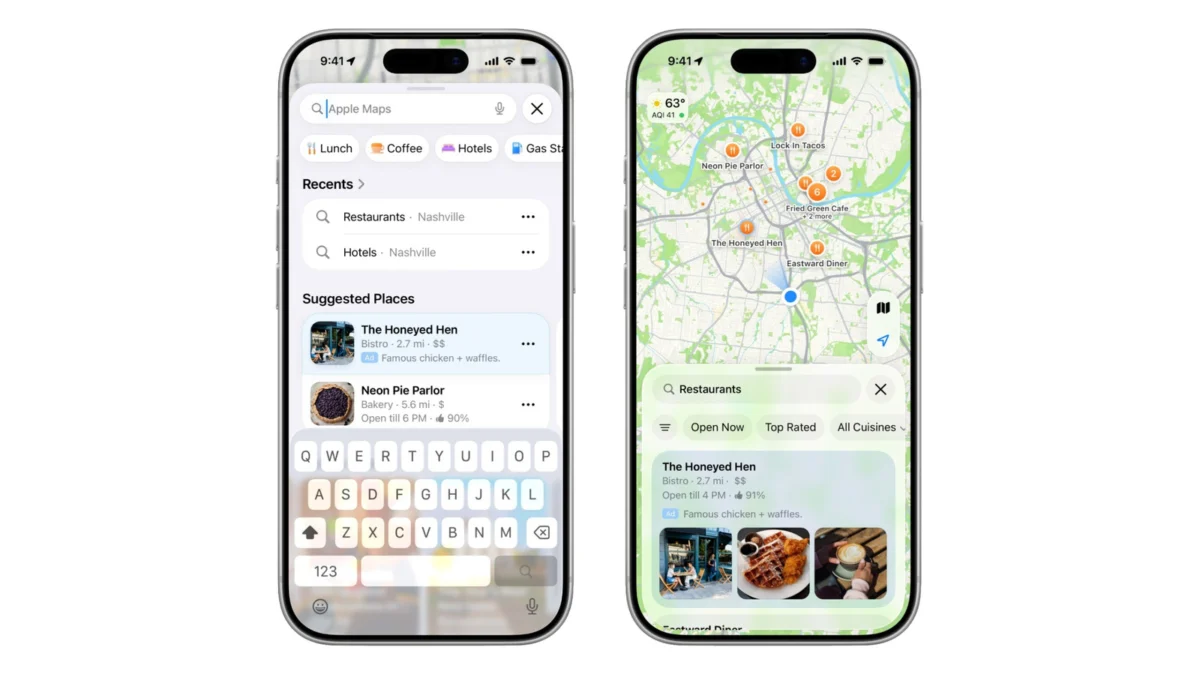
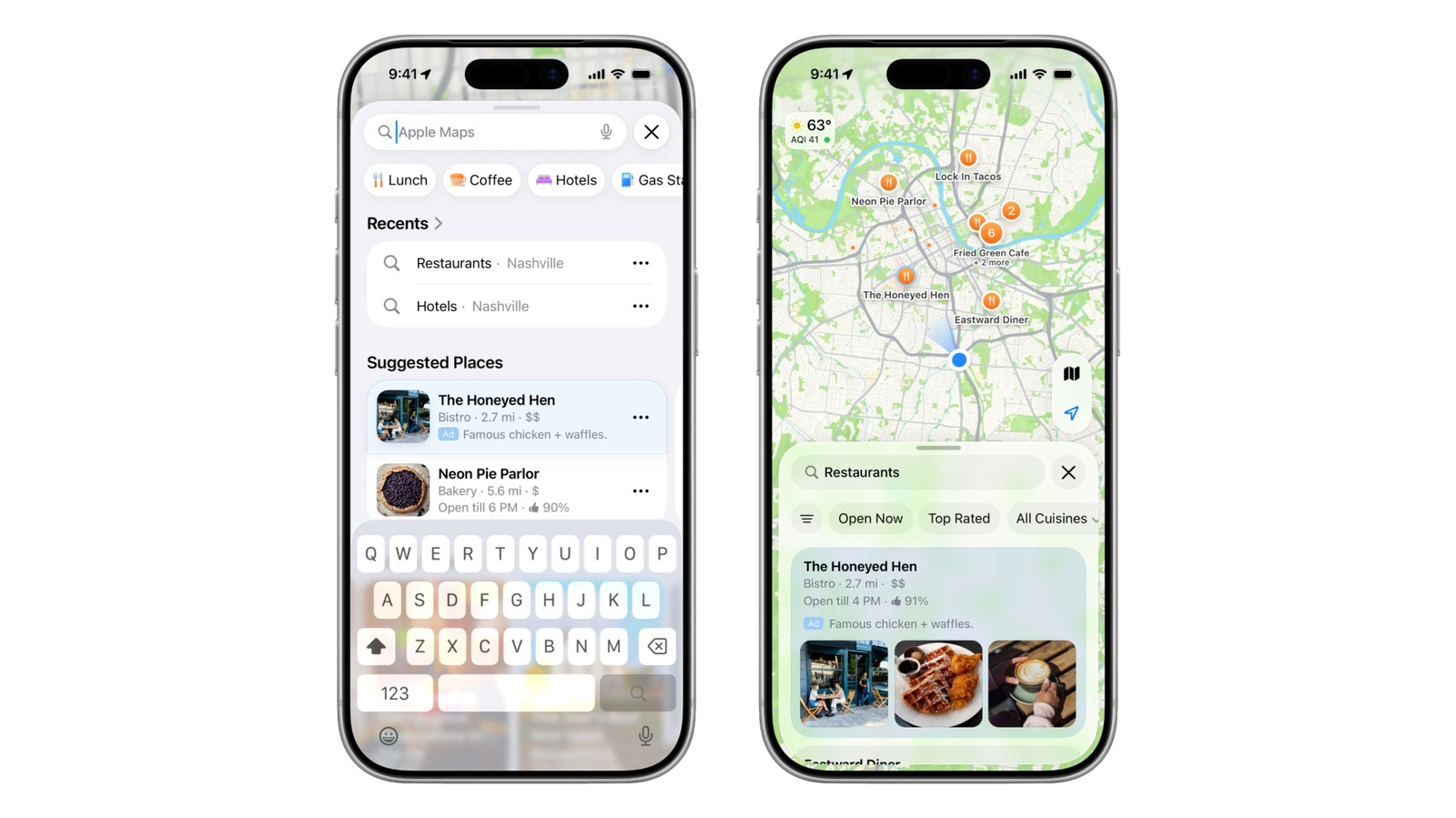
Apple has unveiled stringent new advertising guidelines for its forthcoming Apple Maps platform, explicitly banning ads for a broad spectrum of home services, including plumbing, electrical work, HVAC, pest control, roofing, and general contracting. This strategic move, detailed in newly published policies, signals Apple’s intent to differentiate its Maps advertising experience significantly from competitors by focusing on local businesses, points of interest, and a curated "discovery" narrative rather than utilitarian service promotions. The company’s decision underscores a deliberate effort to shape user interaction within its mapping application, aligning with its broader brand identity and evolving Services division.
The announcement comes as Apple prepares to roll out ads in its Maps application, a plan first confirmed in March 2026, with an updated timeline indicating a launch as early as this summer for users in the United States and Canada. These new guidelines represent the first concrete details on the nature of advertising content Apple will permit, providing a crucial glimpse into how the tech giant envisions monetizing one of its core navigation services. Beyond the prohibition of home services, the policies also bar content deemed defamatory, profane, illegal, criminal, deceptive, drug-related, or political. Notably, ads for bail bonds and cryptocurrency ATMs are also explicitly forbidden, reinforcing a commitment to a perceived "cleaner" and more reliable advertising environment.
A Strategic Departure from Competitors
The most striking aspect of Apple’s new ad policy is its direct contrast with the prevailing model seen on platforms like Google Maps, where ads for local electricians, plumbers, and other home service providers are commonplace. Google Maps, commanding a dominant share of the navigation app market, has long integrated such ads as a standard feature, providing a direct connection between users searching for services and businesses offering them. Apple’s decision to forego this revenue stream suggests a strategic calculation: prioritize user experience and brand image over maximizing immediate ad inventory.
Apple’s landing page for "Ads in Apple Maps" explicitly frames the service around "discovery" and "exploration." The company states, "People rely on Apple Maps to explore new places and try new things. From discovering coffee shops and restaurants, to stores and landmarks, Maps is where ‘what’s around here?’ becomes ‘I’m on my way.’ Soon local businesses can run ads on Apple Maps — right where customers are deciding where to go." This language clearly indicates a preference for ads that enhance a user’s leisure, lifestyle, or exploratory activities, rather than addressing immediate household needs. The "romantic" notion of discovering a new coffee shop is seemingly favored over the practical necessity of finding a plumber, aligning with a premium, aspirational brand image that Apple consistently cultivates.
The Expanding Horizon of Apple’s Services Business
This move into Maps advertising is not an isolated incident but rather a significant component of Apple’s aggressive expansion of its "Services" business. This segment, encompassing subscriptions (Apple Music, iCloud, Apple TV+, Apple Arcade, etc.), platform fees from in-app purchases, and advertising sales, has become an increasingly vital revenue driver for the company. As iPhone sales growth has shown signs of maturation in certain markets, Apple has strategically diversified its income streams, with Services emerging as a robust and high-margin growth engine.
In the fiscal year 2023, Apple’s Services revenue reached an impressive $85.2 billion, representing a substantial portion of the company’s overall financial performance and demonstrating consistent year-over-year growth. This trajectory underscores the strategic imperative for Apple to continue identifying new avenues for service monetization. Advertising, in particular, has seen considerable investment and expansion. Prior to Maps, Apple had already established advertising presence in Apple News, where ads have drawn scrutiny for their quality, and within the App Store. In 2022, Apple significantly broadened its App Store advertising capabilities, extending placements beyond search results to app product pages and the "Today" tab on the App Store’s home screen. The App Store advertising business alone reportedly generated billions of dollars annually, highlighting the lucrative potential of internal ad platforms.
The decision to introduce ads into Apple Maps, therefore, is a logical progression within this broader strategy. However, the restrained approach to content, specifically the ban on home services, suggests that Apple is treading carefully to maintain a delicate balance between revenue generation and preserving a premium user experience that has historically differentiated its products. The company appears keen to avoid the perception of "scuzzy" or overly intrusive advertising, a sentiment it alludes to in its own commentary regarding the "feeling" of selling ad space.
Implications for Users and Businesses
For the end-user, the absence of home service ads in Apple Maps could result in a less cluttered interface and an experience more focused on discovery and leisure. Users seeking a restaurant, a store, or a landmark might find the ad suggestions more relevant to their immediate context. However, it also means that users explicitly searching for a plumber, an electrician, or an HVAC technician might find Apple Maps less comprehensive in addressing those specific needs, potentially driving them to competitor platforms like Google Maps, which readily display such service providers.
For businesses, the impact will be bifurcated. Home service providers, a substantial segment of local businesses, will find themselves excluded from a potentially vast advertising channel on Apple Maps. This could compel them to rely more heavily on traditional advertising, other digital platforms, or competitor mapping services for visibility. For these businesses, Apple Maps will remain a utility for navigation to their existing customers, but not a significant lead-generation tool via advertising. This could disproportionately affect smaller, independent home service businesses that rely on cost-effective digital advertising to reach local customers.
Conversely, businesses aligning with Apple’s "discovery" vision – coffee shops, restaurants, retail stores, cultural institutions, and other points of interest – stand to gain significant exposure. The exclusivity of ad space for these categories could make Apple Maps a highly valuable platform for driving foot traffic and brand awareness among a user base that Apple prides itself on being affluent and engaged. This targeted approach might create a more effective advertising ecosystem for the approved categories, potentially yielding higher conversion rates due to reduced competition from unrelated service ads.
Analyzing Apple’s Brand and User Experience Philosophy
Apple’s consistent emphasis on user privacy and a premium, uncluttered experience is central to its brand identity. The company has historically positioned itself as a guardian of user data, even when it has come at the cost of potential revenue streams. While the introduction of ads inherently presents a tension with this philosophy, the carefully curated nature of Apple Maps ads suggests an attempt to mitigate potential backlash. By restricting content that might be perceived as less "aspirational" or more "transactional," Apple aims to integrate advertising in a way that feels additive rather than intrusive.
The guidelines prohibiting "illegal or criminal conduct," "defamatory or profane content," and specific categories like "bail bonds" and "cryptocurrency ATMs" further illustrate Apple’s commitment to maintaining a reputable and trustworthy environment within its ecosystem. These prohibitions go beyond mere legal compliance, reflecting a desire to protect users from potentially predatory or low-quality advertising, aligning with Apple’s broader App Store review guidelines that prioritize safety and quality. This stricter vetting process, while potentially limiting ad inventory, could enhance the perceived value and reliability of the ads that are permitted.
The Competitive Landscape and Future Outlook
The mapping and navigation app market is intensely competitive, with Google Maps holding a dominant position globally. Other players like Waze (owned by Google), HERE Technologies, and various regional apps also vie for market share. Apple Maps, while pre-installed on every iOS device, has historically lagged behind Google Maps in terms of feature set and data comprehensiveness, though it has made significant strides in recent years. The introduction of advertising is a crucial step for Apple to monetize this platform and potentially invest further in its development.
By adopting a distinct advertising strategy, Apple is not merely trying to catch up but to carve out a unique niche. Instead of directly competing on the sheer volume or breadth of ad types, it appears to be competing on the quality and relevance of the advertising experience. This differentiation could appeal to a segment of users who prefer a more curated, less commercialized digital environment.
However, the success of this strategy will depend on several factors. Apple will need to demonstrate that its selected ad categories can generate substantial revenue while truly enhancing the user experience. The challenge will be to onboard enough relevant local businesses to make the ad platform robust and attractive to advertisers, even with the content restrictions. Furthermore, user adoption and engagement with the ads will be critical. If users find the ads genuinely useful for discovery, Apple’s gamble could pay off, reinforcing its premium brand and bolstering its Services revenue. If, however, the limitations prove too restrictive for advertisers or users find the absence of essential services frustrating, Apple may face pressure to adjust its policies in the future.
In conclusion, Apple’s decision to prohibit home service ads on Apple Maps is a calculated and deliberate move to create a distinct advertising ecosystem. It reflects a strategic blend of revenue generation ambitions within its burgeoning Services division, a steadfast commitment to its brand’s premium identity, and a nuanced approach to user experience. As Apple Maps ads prepare for their debut, the industry will closely watch whether this curated strategy can successfully balance commercial imperatives with the company’s long-standing promise of quality and user-centric design.