
 George Chandra Eka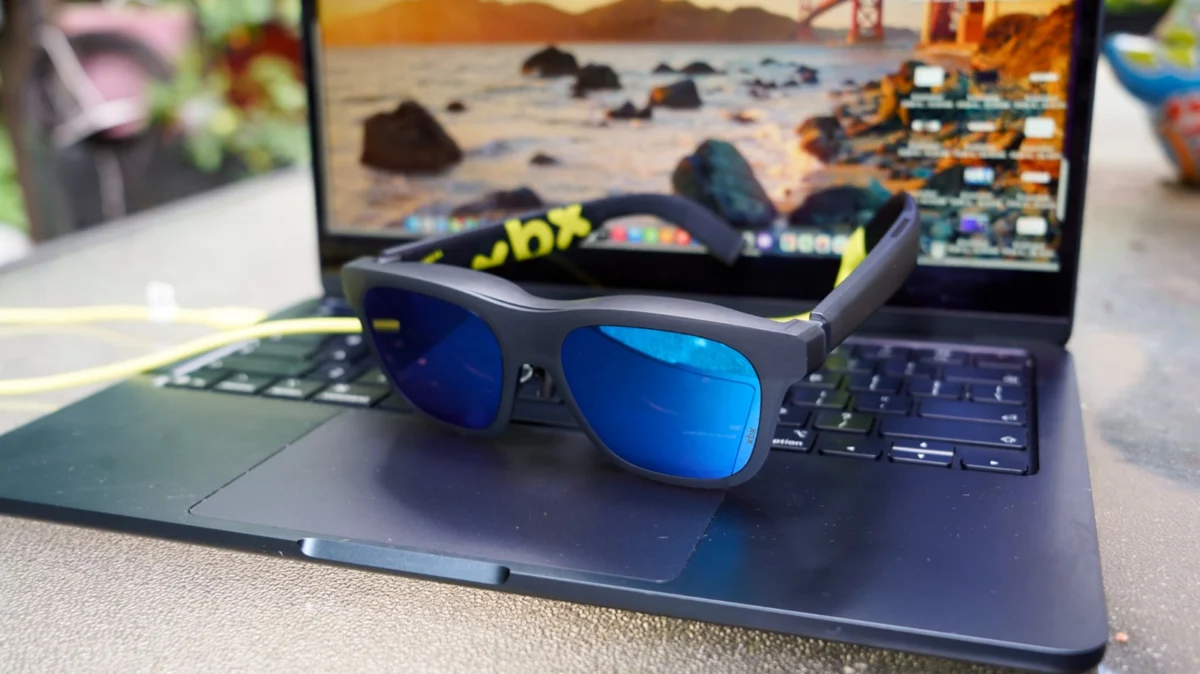
The augmented reality (AR) landscape has seen a significant shift towards greater accessibility with the introduction of the Xreal XBX a01+ smart display glasses. Priced at a highly competitive $299, this new offering from Xreal positions itself as a compelling entry point into the world of wearable displays, blending affordability with a surprisingly robust feature set. Garnering an impressive 9 out of 10 rating from Engadget, the XBX a01+ distinguishes itself through its exceptional brightness, remarkably lightweight design, and the ability to project a large, virtual 147-inch screen directly into the user’s field of view. This device represents a strategic move by Xreal to broaden the appeal of AR-adjacent technology, moving beyond enthusiast-level pricing to capture a wider consumer base interested in portable, immersive media consumption and discreet productivity solutions.
The Evolution of Xreal’s Vision: Bridging the Price-Performance Gap
Xreal has been a notable player in the burgeoning market for AR glasses, previously making waves with its Xreal One Pro models. While critically acclaimed for their sophisticated AR capabilities and immersive experience, the Xreal One Pro’s $599 price point positioned them as a more significant investment, primarily appealing to early adopters and tech enthusiasts. The launch of the XBX a01+ signals a deliberate strategic pivot, or at least an expansion, into a more budget-conscious segment. This move aligns with a broader industry trend towards democratizing advanced technologies, aiming to bring the benefits of spatial computing and wearable displays to a mainstream audience without the prohibitive cost barriers often associated with cutting-edge hardware.
The market for AR and smart display glasses is still in its nascent stages, often characterized by high prices and niche applications. Devices like the Apple Vision Pro, while showcasing advanced mixed reality, come with a premium price tag that places them firmly out of reach for most consumers. Xreal’s approach with the XBX a01+ focuses on a more utilitarian, yet highly effective, "smart display" experience rather than full-fledged augmented reality with complex spatial computing and environmental interaction. This distinction is crucial: the a01+ primarily functions as a high-quality, wearable external display, mirroring content from connected devices. This simpler proposition allows for a more streamlined design and, critically, a lower manufacturing cost, directly translating to consumer savings. By offering a stripped-down yet highly functional experience, Xreal aims to cultivate a new segment of users who prioritize portability, screen size, and visual quality for entertainment and productivity.
Unpacking the Technology: Display, Design, and Audio Innovations
The core of the Xreal XBX a01+’s appeal lies in its technical specifications, which punch well above its price category. Understanding these components provides insight into why the device has received such positive initial reception.
Micro-OLED Display Excellence
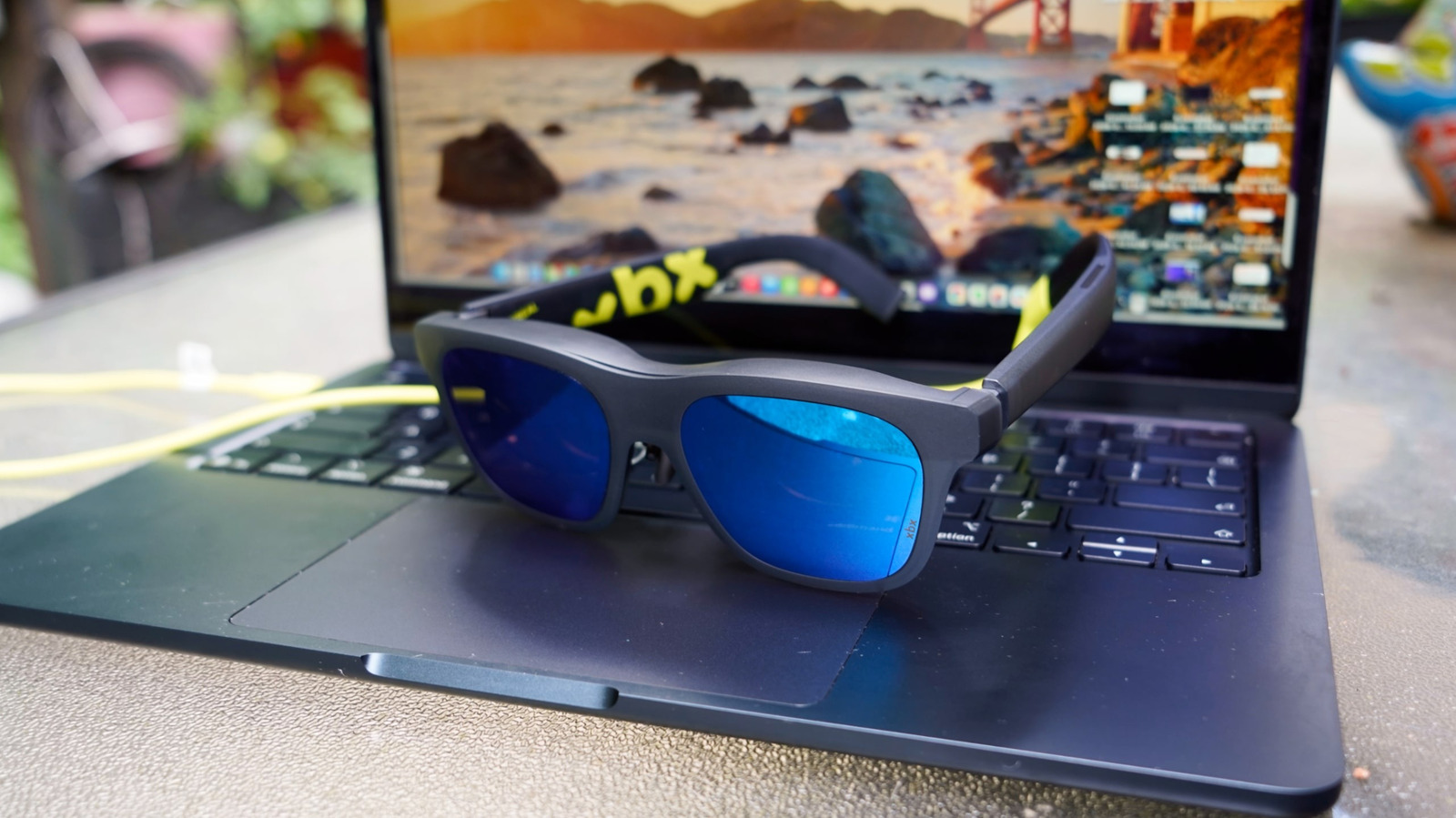
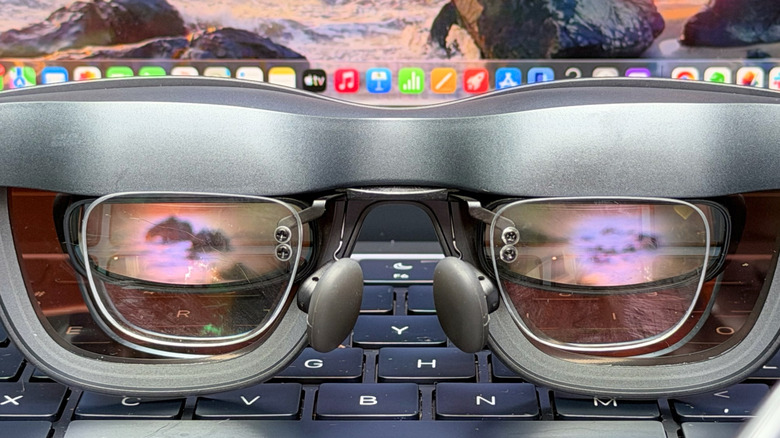
At the heart of the XBX a01+ are its dual-layer Micro-OLED 1080p screens. Micro-OLED technology is particularly well-suited for AR glasses due to its ability to produce incredibly high pixel densities, superior contrast ratios, and vibrant colors in a very compact form factor. Unlike traditional LCD or even standard OLED panels, Micro-OLED pixels are directly fabricated onto silicon wafers, allowing for miniature, high-resolution displays. This results in deep blacks and brilliant whites, enhancing the visual fidelity of all content.
Perhaps the most striking feature is the display’s peak brightness of 1,600 nits. This figure is exceptionally high for a screen viewed directly in front of the eyes, often exceeding the brightness of many high-end televisions and monitors. While such intensity might seem excessive, it is a crucial factor for AR glasses designed to be used in diverse lighting conditions, including direct sunlight or brightly lit indoor environments. The high brightness ensures that the virtual 147-inch screen remains sharp, legible, and vibrant, cutting through ambient light effectively. Users are provided with fourteen steps of brightness adjustment, allowing for fine-tuning to suit any environment. Furthermore, the a01+ includes multiple viewing profiles, such as a standard mode for general use, an eye-care mode that reduces blue light emission to minimize strain during prolonged use, and a cinema mode designed to optimize color saturation and contrast for an enhanced movie-watching experience. This adaptability underscores Xreal’s commitment to user comfort and versatility.
The 1080p resolution, while not 4K, is perfectly adequate for the projected virtual screen size and the primary use cases. For video consumption, 1080p on a virtual 147-inch screen still offers a highly immersive and cinematic experience. For productivity, especially single-window tasks or web browsing, the resolution provides sufficient clarity for reading small text and viewing detailed images.
Lightweight and Discreet Design
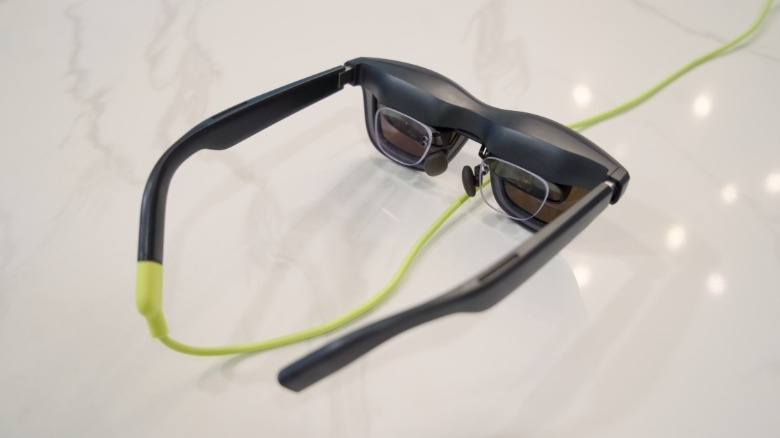
Weighing a mere 62 grams – comparable to a standard C battery or a typical pair of oversized sunglasses – the XBX a01+ stands out for its ergonomic design. This minimal weight is critical for wearable devices, directly impacting user comfort during extended periods of use. Many AR/VR headsets suffer from significant bulk and weight, leading to discomfort and fatigue. Xreal has clearly prioritized a lightweight form factor, making the a01+ feel much less like a piece of technology and more like conventional eyewear.
The physical design is also noteworthy for its discretion. The arms are less bulky than some of Xreal’s previous models, and the front frames subtly conceal the internal electronics. This allows the a01+ to blend in more effectively with everyday attire, reducing the self-consciousness often associated with wearing smart glasses in public. Crucially, and unlike some competing smart glasses from companies like Meta, the XBX a01+ does not incorporate any cameras. This design choice, while limiting potential advanced AR features, significantly addresses privacy concerns, making users and those around them feel more at ease. This focus on privacy by design may also contribute to broader public acceptance.
Immersive Audio Integration
Complementing the visual experience are dual stereo speaker drivers seamlessly integrated into the frames of the glasses. These speakers deliver sound directly to the user’s ears without requiring additional headphones, though external audio solutions can still be used if preferred. The audio quality, while not offering deep bass, is described as detailed enough to enhance cinematic trailers and general media consumption.
The a01+ provides various audio modes to suit different scenarios: a standard mode for balanced sound, a whisper mode for private listening in quiet environments, a cinema mode to enhance immersion, and a 3D surround sound mode to create a more spatial audio experience. The open-ear design of these speakers is a significant advantage, particularly for outdoor use or in situations where situational awareness is important. Unlike noise-canceling headphones that isolate the user, the a01+’s speakers allow ambient sounds to pass through, enabling users to remain aware of their surroundings – a feature highly praised by reviewers for its practical benefits in various settings, from a bustling cafe to a tranquil outdoor deck.
Connectivity and Refresh Rate
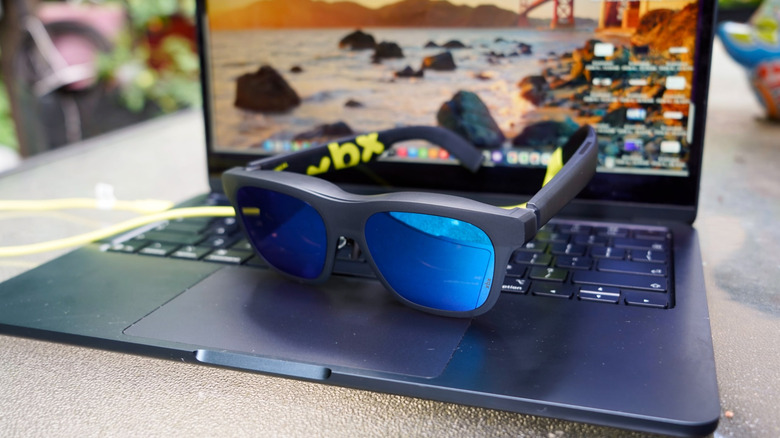
Connectivity for the XBX a01+ is streamlined via a single USB-C cable, utilizing DisplayPort Alt Mode. This universal standard allows for direct connection to a wide range of devices, including smartphones (iPhone via adapter, Android phones with USB-C DisplayPort support), laptops (MacBook Air, Windows PCs), and portable gaming devices like the Steam Deck. This plug-and-play simplicity eliminates the need for complex setup procedures or additional power sources, as the glasses draw power directly from the host device.
The display’s 120Hz refresh rate is another premium feature, particularly beneficial for gaming. A higher refresh rate translates to smoother motion and reduced latency, offering a more fluid and responsive visual experience, especially in fast-paced games. Even for video content, the 120Hz refresh rate ensures smooth playback, contributing to overall visual comfort.
Real-World Applications: A Personal Cinema and Portable Workstation
The practical utility of the Xreal XBX a01+ extends across various aspects of daily life, transforming how users interact with their digital content and work environments.
Mobile Entertainment Redefined
The primary and most intuitive application of the XBX a01+ is as a personal, portable cinema. The ability to project a 147-inch virtual screen from a device as compact as a smartphone or laptop dramatically alters the media consumption experience. Reviewers consistently highlight the "wow" factor of seeing a familiar iPhone home screen or a YouTube video blown up to cinematic proportions. Despite the 1080p resolution, the large virtual screen combined with the Micro-OLED’s excellent contrast and color reproduction makes nearly everything feel more immersive and cinematic. Details in movie trailers, like intricate armor or facial expressions, become clearly discernible, enhancing engagement.
This capability is particularly valuable for travelers, commuters, or anyone seeking a private, large-screen viewing experience without being tethered to a physical television or monitor. Whether on a plane, a train, or simply in bed while a child sleeps, the a01+ offers a discreet and comfortable way to enjoy movies, TV shows, and music videos. Its self-powered design, drawing energy from the connected device, means no additional charging for the glasses themselves, adding to the convenience.
Enhancing Productivity and Privacy
Beyond entertainment, the XBX a01+ also proves to be a solid accessory for mobile productivity. When connected to a laptop like a MacBook Air, it effectively functions as an external monitor. While a single 1080p display might not fully replace a multi-monitor setup for complex multitasking, it offers a distinct advantage for focused work, especially when away from a traditional desk. The ability to work on a large virtual screen directly in front of the user’s gaze can reduce neck strain often associated with looking down at a laptop screen.
A significant benefit for professionals is the enhanced privacy it offers in public spaces. Working on sensitive documents or browsing confidential information on a laptop screen in a coffee shop or on a plane can expose content to prying eyes. The XBX a01+ effectively creates a private workspace, where only the user can see the displayed content, making it an ideal tool for confidential tasks while on the go.
The glasses’ comfort also extends to outdoor work environments. Unlike bulkier VR headsets or even traditional laptops, the a01+ manages heat well, remaining comfortable even during extended outdoor sessions in warm climates. The open-ear speakers further contribute to this by allowing users to enjoy audio without blocking out ambient sounds, fostering a more pleasant and integrated outdoor experience.
Immersive Gaming on the Go
For gamers, the XBX a01+ unlocks a new level of immersion for portable and desktop gaming. When paired with handheld gaming PCs like the Steam Deck, the virtual 147-inch screen provides a far more expansive and engaging experience than the device’s native display. Games like Star Wars: Jedi Survivor feel more epic on the large virtual canvas, enhancing the sense of presence and scale. The 120Hz refresh rate ensures smooth, responsive gameplay, crucial for fast-paced titles.
Similarly, connecting the a01+ to a gaming desktop or laptop provides an immersive gaming experience, making it an excellent option for those who want a portable large screen for their gaming rig or for enjoying titles in a more personal, cinematic way. The plug-and-play functionality with these devices means minimal setup, allowing gamers to jump straight into their favorite titles.
However, a notable limitation is the lack of native support for Nintendo Switch consoles (both current and upcoming models). To use the XBX a01+ with a Switch, an additional portable dock solution, such as the Viture Pro Mobile Dock ($89.10), is required. This adds an extra expense and another piece of hardware to carry, which somewhat detracts from the a01+’s otherwise seamless portability. Xreal had previously planned its own portable dock, the Xreal Neo, but these plans were unfortunately canceled, leaving a gap in direct Switch compatibility. This represents a missed opportunity, especially given the popularity of the Switch as a portable gaming device. The article also notes the intriguing detail that while the XBX a01+ name has no affiliation with Xbox, Microsoft is aware of the product and has no issues with the naming. This could be seen as a missed opportunity for Microsoft to endorse or integrate with a useful gaming accessory.
Competitive Landscape and Market Implications
The release of the Xreal XBX a01+ at $299 significantly intensifies competition in the emerging smart display glasses segment. It directly challenges existing players and sets new benchmarks for affordability and performance.

Direct Competitors and Xreal’s Portfolio
The most direct competitor mentioned is RayNeo, which has offered $300 AR glasses for several years, including the recent Air 4 Pro. However, the XBX a01+ is highlighted for its superior brightness (1,600 nits vs. typical ~600-1000 nits for similar devices) and a slightly wider field of view (50 degrees). These technical advantages provide a noticeable improvement in user experience, particularly in terms of visual clarity and immersion.
Within Xreal’s own product line, the XBX a01+ serves as a more accessible alternative to the Xreal One Pro ($599). While the One Pro offers more advanced AR capabilities and possibly higher overall specifications in some areas, the a01+ distills the core "big screen" experience into a more affordable package. This tiered product strategy allows Xreal to cater to different segments of the market – those seeking advanced AR features and those prioritizing a high-quality, portable display at a lower cost.
Broader AR/VR Market Context
When compared to the broader AR/VR market, the XBX a01+ occupies a distinct niche. Devices like the Apple Vision Pro and Meta’s line of smart glasses represent different ends of the spectrum. The Apple Vision Pro is a premium mixed-reality headset designed for spatial computing, with a price point reflecting its advanced capabilities. Meta’s smart glasses, on the other hand, often focus on social features and integrated cameras, targeting a different use case altogether. The XBX a01+ largely avoids these complexities and associated costs by focusing squarely on delivering an excellent personal display. Its lack of cameras is a deliberate choice that differentiates it from camera-equipped smart glasses, appealing to users concerned about privacy.
Impact on Pricing and Consumer Adoption
The aggressive pricing of the XBX a01+ is a significant development. By offering a high-quality experience at $299, Xreal puts pressure on other manufacturers to innovate and reduce their own costs. This competition is crucial for driving down prices across the entire AR glasses market, ultimately benefiting consumers. A lower barrier to entry is essential for mainstream adoption of any new technology. The XBX a01+ could serve as a gateway device, introducing a wider audience to the practical benefits of wearable displays, paving the way for more sophisticated (and potentially more expensive) AR experiences in the future. As more consumers experience the utility of a personal cinema or private workstation on their face, demand for these types of devices is likely to grow.
Future Outlook for AR
The success of devices like the Xreal XBX a01+ has broader implications for the future of augmented reality. It demonstrates that there is a viable market for "smart display glasses" that prioritize practical utility and affordability over bleeding-edge, complex AR features. This pragmatic approach could accelerate the integration of wearable displays into daily life, setting the stage for a future where personal screens are ubiquitous and seamlessly integrated into our eyewear. As the technology matures and costs continue to decrease, we can anticipate even more advanced features, higher resolutions, and perhaps more sophisticated, yet still accessible, AR capabilities making their way into consumer-grade glasses.
Strategic Positioning: Who Benefits Most?
The Xreal XBX a01+ is ideally suited for a diverse demographic of users whose lifestyles demand portability, discretion, and a high-quality personal viewing experience. This includes frequent travelers, daily commuters, students who need a private study screen, mobile professionals working in varied locations, and casual gamers seeking enhanced immersion on the go. Its compact bundled case, which comfortably fits both the glasses and its angled USB-C cable, reinforces its design for portability. The option to snap on prescription lenses (an additional $50 from HonsVR) further enhances its appeal and usability for those with vision correction needs, ensuring that a broader audience can comfortably adopt the technology.
Conclusion: A Gateway to the Future of Personal Displays
The Xreal XBX a01+ stands as a testament to the ongoing evolution of wearable technology, demonstrating that high-quality, immersive experiences do not necessarily demand a premium price tag. With its astoundingly bright Micro-OLED display, lightweight and discreet design, and versatile application across entertainment, productivity, and gaming, it offers a dead-simple yet highly effective way to engage with digital content. For a mere $299, it provides a compelling alternative to more expensive and feature-rich AR glasses like the Xreal One Pro, focusing on the core utility of a vast personal screen. In an era where privacy concerns often accompany camera-equipped smart glasses, the a01+’s design choices offer a refreshing, user-centric approach. Why restrict oneself to the confines of small device screens when the future of personal cinema and private workspaces can be effortlessly slipped on? The Xreal XBX a01+ is more than just a pair of glasses; it is a significant step towards democratizing the future of personal, immersive displays, making the benefits of AR-adjacent technology accessible to a far wider audience.







