Sisilia Frederika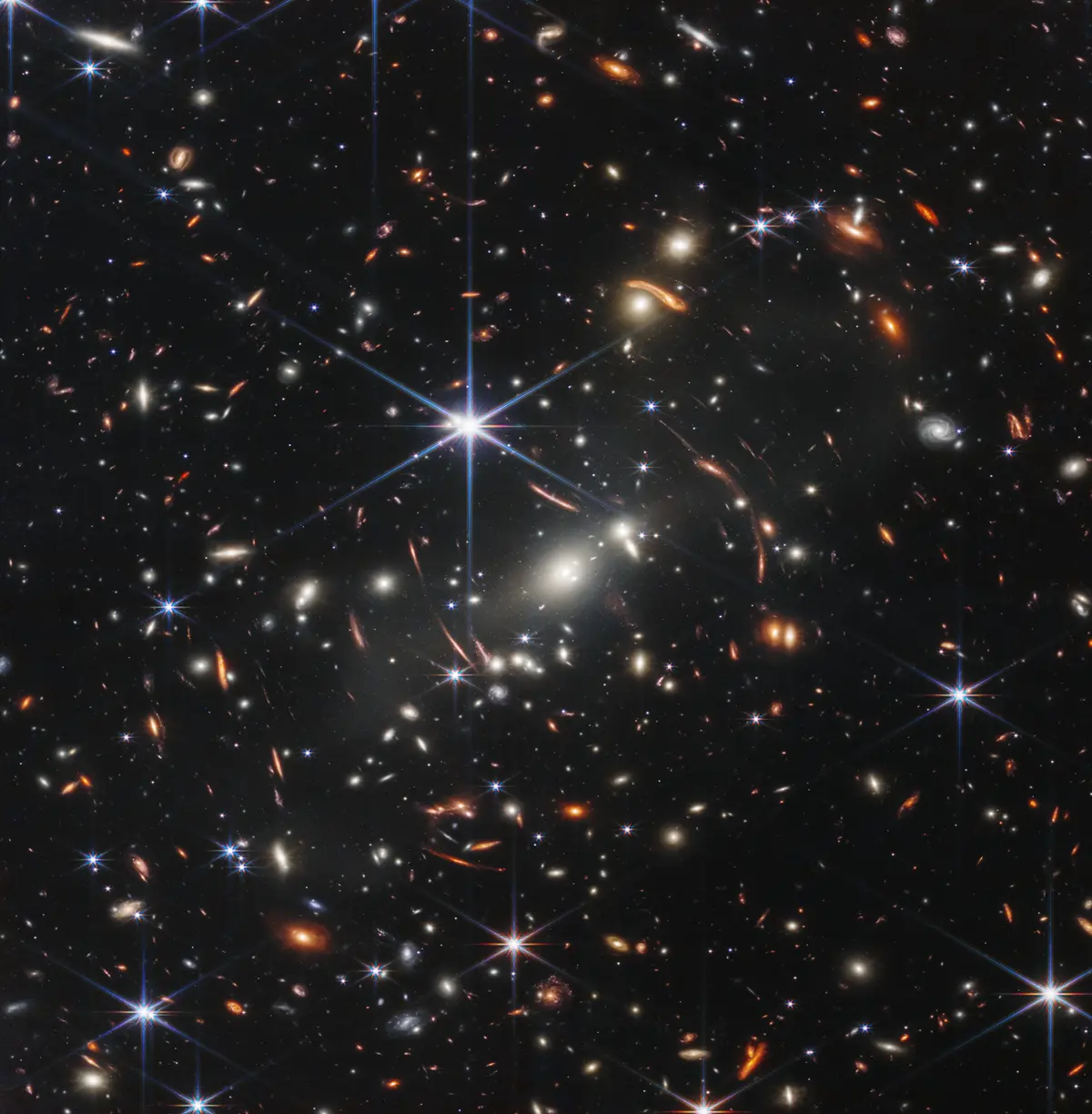
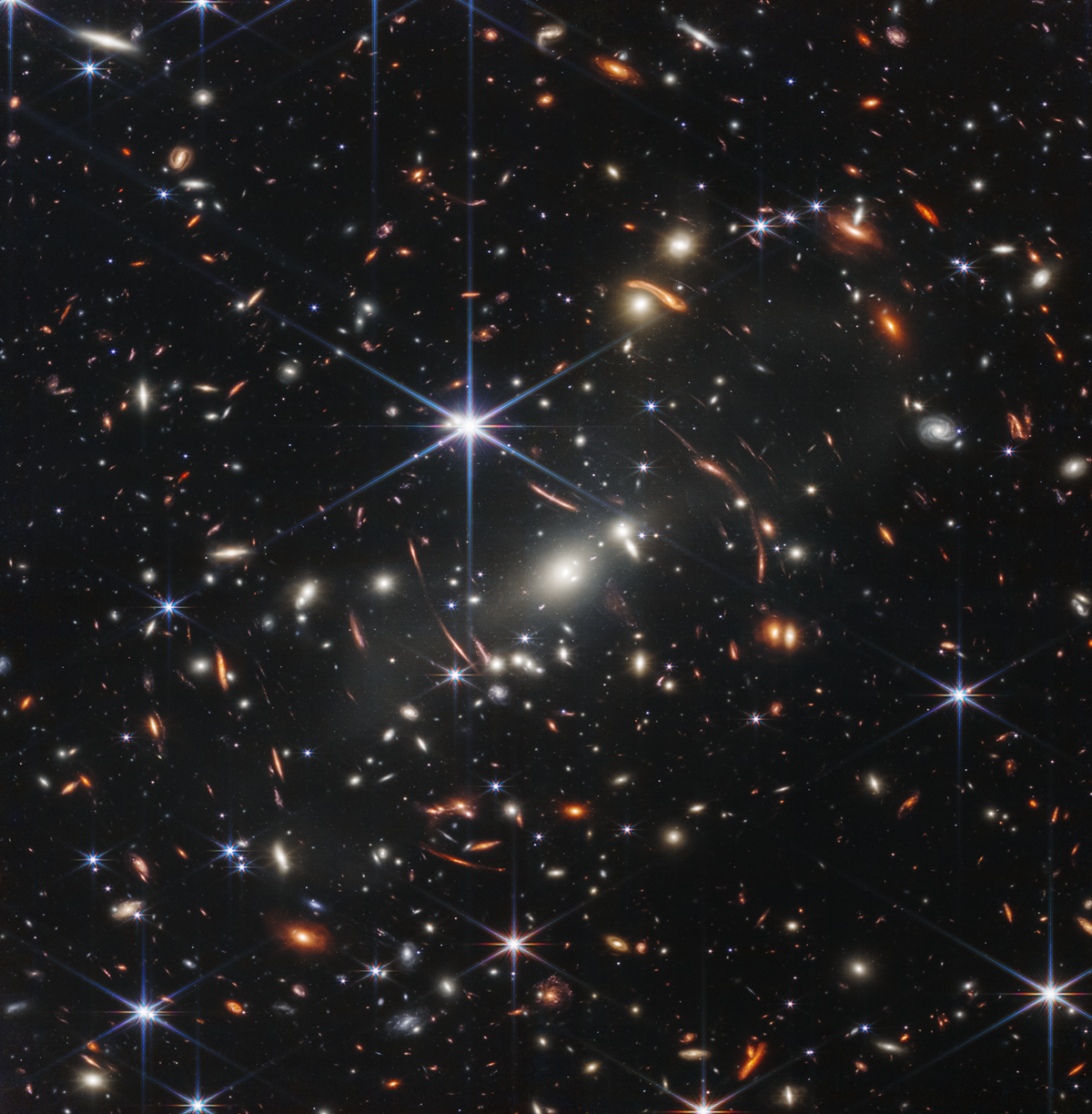
For the global community of astronomers and cosmologists, the Cosmic Dark Ages represent the ultimate "final frontier" in the study of our universe. This era, which began roughly 380,000 years after the Big Bang and lasted for hundreds of millions of years, holds the essential keys to understanding how the first structures in the cosmos formed and evolved. According to the prevailing cosmological models, the very first generation of stars—known as Population III stars—emerged approximately 100 to 400 million years after the Big Bang. However, despite the unprecedented technological leaps represented by the Hubble Space Telescope and the James Webb Space Telescope (JWST), these primordial stars remain frustratingly elusive. Even with JWST’s powerful infrared optics, the sheer distance and the intervening cosmic medium prevent direct observation of individual first-generation stars within the infant galaxies of the early universe.
To circumvent these observational limitations, an international consortium of researchers has leveraged the MEGATRON project to reconstruct the conditions of the early universe with unprecedented fidelity. By utilizing this advanced cosmological simulation suite alongside sophisticated models of radiation transport, complex chemistry, and galaxy formation, the team has successfully produced the most detailed simulations of the early universe to date. Their findings, published across four comprehensive papers in the Open Journal of Astrophysics, establish a definitive link between the high-redshift observations of the early universe and the "chemical fingerprints" preserved within the oldest stars currently residing in the Milky Way.
The Scientific Framework of the MEGATRON Project
The MEGATRON project (Multi-scale Evolution of Galaxies Across Total Radiative and Organic Networks) is an ambitious long-term initiative that commenced in 2023 and is slated to continue through 2030. The project’s primary objective is to investigate the intricate ways in which stars influence the gas in the interstellar medium (ISM) and the intergalactic medium (IGM) over billions of years of cosmic time. To achieve this, the collaboration integrated advanced computer models that track the movement of gas, the propagation of starlight, and the evolution of chemical concentrations with a level of granularity previously thought impossible.
The study was a massive collaborative effort, led by the University of Bath and supported by a global network of prestigious institutions. These include the Kavli Institute for Cosmological Physics (University of Chicago), the Institut d’Astrophysique de Paris, the Lund Observatory, the Cambridge Kavli Institute for Cosmology, the Cavendish Laboratory, the Kavli Institute for Particle Astrophysics & Cosmology (KIPAC) at Stanford, the Sterrenkundig Observatorium, the Laboratoire d’Astrophysique, and the Ecole Polytechnique Fédérale de Lausanne (EPFL).
By simulating the evolution of a young galaxy that eventually reaches a mass comparable to our own Milky Way, the researchers were able to observe the lifecycle of cosmic structures in a "digital laboratory." This allowed them to test theoretical models against actual data gathered by the JWST, effectively creating a bridge between the distant past and our modern galactic neighborhood.
Chronology of the Early Universe and the First Light
To understand the significance of the MEGATRON simulations, it is necessary to look at the timeline of the early universe. In the moments following the Big Bang, the universe was an extremely hot, dense plasma. As it expanded and cooled, protons and electrons combined to form neutral hydrogen, a period known as recombination. This transition allowed photons to travel freely, creating the Cosmic Microwave Background (CMB). However, following this event, the universe entered the "Dark Ages"—a period where no stars yet existed to illuminate the void.
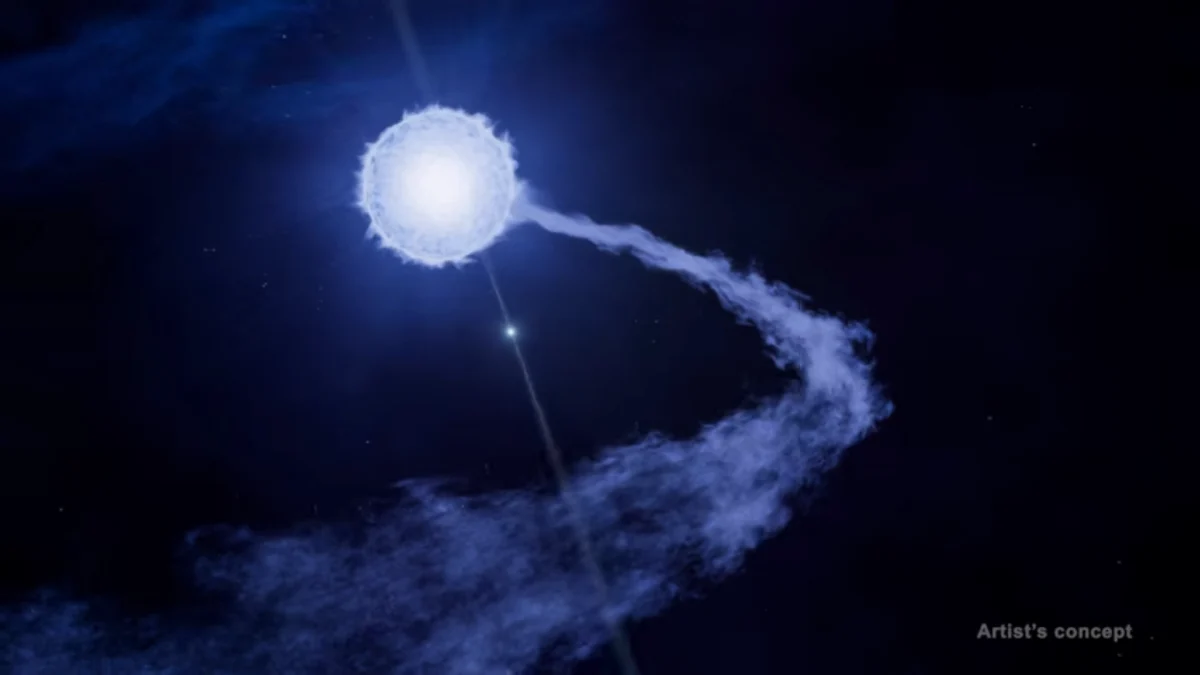
The MEGATRON simulations began with these precise conditions: a universe permeated by "pristine" gas consisting almost entirely of hydrogen and helium, with virtually no heavy elements (metals, in astronomical terms). The simulations then tracked the gravitational collapse of this gas into the first dark matter halos, leading to the birth of Population III stars. These stars were massive, luminous, and short-lived, ending their lives in violent supernovae.
These first explosions were pivotal. They seeded the surrounding ISM and IGM with the first heavy elements—carbon, oxygen, and iron—forged in the hearts of the first stars. This "chemical seeding" altered the cooling properties of cosmic gas, allowing for the formation of smaller, longer-lived Population II stars. The MEGATRON suite tracked this transition with high resolution, showing how these elements eventually became incorporated into subsequent generations of stars, some of which survive today in the halo and core of the Milky Way.
Stellar Archaeology: Decoding the Fossil Record
While the JWST looks "out" into the deep past, another branch of astronomy known as "stellar archaeology" looks "in" at our own galaxy. By analyzing the chemical composition of the oldest stars in the Milky Way, astronomers can deduce the conditions of the environment in which they formed. These stars act as cosmic fossils, carrying the chemical signature of the first supernovae that occurred over 13 billion years ago.
Dr. Martin Rey, a lead contributor to the MEGATRON collaboration from the Department of Physics at the University of Bath, emphasized the dual nature of this research. "The James Webb Space Telescope gives us a direct glimpse of the infant cosmos, while stellar archaeology allows us to study the relics of those earliest times in our own Galactic neighborhood," Dr. Rey stated. "MEGATRON provides a physical bridge between the two."
The simulations demonstrated that the interplay between starlight and gas is far more complex than earlier, simpler models suggested. Previous simulations often underestimated the impact of stellar radiation and the intricate chemical processes involved in gas enrichment. MEGATRON’s high-resolution capabilities allowed the team to resolve small-scale gas structures, providing a more accurate picture of how the first metals were distributed throughout the early galaxies.
Technical Milestones and Computational Power
The success of the MEGATRON project is deeply rooted in its computational scale. The project was recently awarded 40 million processor hours on the United Kingdom’s national supercomputing facilities. This massive allocation of resources is essential for running "zoom-in" simulations, which focus on specific regions of the universe with high detail while still accounting for the larger cosmic environment.
These simulations are unique because they include "radiation-hydrodynamics"—a method that calculates how light from stars physically pushes and heats the surrounding gas. In the early universe, this "feedback" was critical. The intense ultraviolet radiation from the first stars could actually blow gas out of small galaxies, temporarily halting star formation. Understanding these feedback loops is essential for explaining why some galaxies grew rapidly while others remained small and chemically "primitive."

The results of the MEGATRON study suggest that the chemical fingerprints we see in the Milky Way today are a direct result of these early feedback processes. The specific ratios of elements like magnesium to iron in ancient stars can tell scientists whether the first stars in that region were exceptionally massive or if they exploded in a particular type of supernova.
Implications for Future Cosmological Research
The findings presented in the Open Journal of Astrophysics have significant implications for how astronomers will use next-generation telescopes. By providing a "common physical framework," MEGATRON allows researchers to interpret JWST data with greater confidence. When JWST observes a faint, distant galaxy, astronomers can now use the MEGATRON models to predict what the stellar population within that galaxy might look like and what kind of chemical legacy it will leave behind.
Furthermore, the project helps resolve long-standing debates about the "Reionization" era. This was the period when the light from the first stars and galaxies stripped the electrons back off the neutral hydrogen that filled the universe, making the cosmos transparent to light. MEGATRON’s detailed modeling of radiation transport provides a clearer picture of how this process unfolded and which types of galaxies were the primary drivers of reionization.
Looking ahead, Dr. Rey and the team at the University of Bath are already working on the next iteration of the simulations. The goal is to create even higher-resolution models that can track the formation of individual stars within the first galaxies, further refining the link between theory and observation.
Conclusion: Understanding Our Atomic Origins
At its core, the MEGATRON project is an investigation into the origin of the material world. As Dr. Rey noted, "The elements that make our world and life possible—carbon, oxygen, iron and many others—were forged by stars. To understand where those elements came from, we need to understand how the first stars formed and enriched their surroundings."
By connecting the "stellar fossil record" in our own backyard with the "infant cosmos" seen by the JWST, the MEGATRON project has provided a roadmap for the next decade of astronomical discovery. It confirms that the history of the universe is written in the chemistry of the stars, and for the first time, scientists have a simulation suite capable of reading that history from the beginning of time to the present day. As the project continues through 2030, it promises to further demystify the Cosmic Dark Ages, turning what was once a theoretical "frontier" into a well-mapped territory of human knowledge.