Evan Lee Salim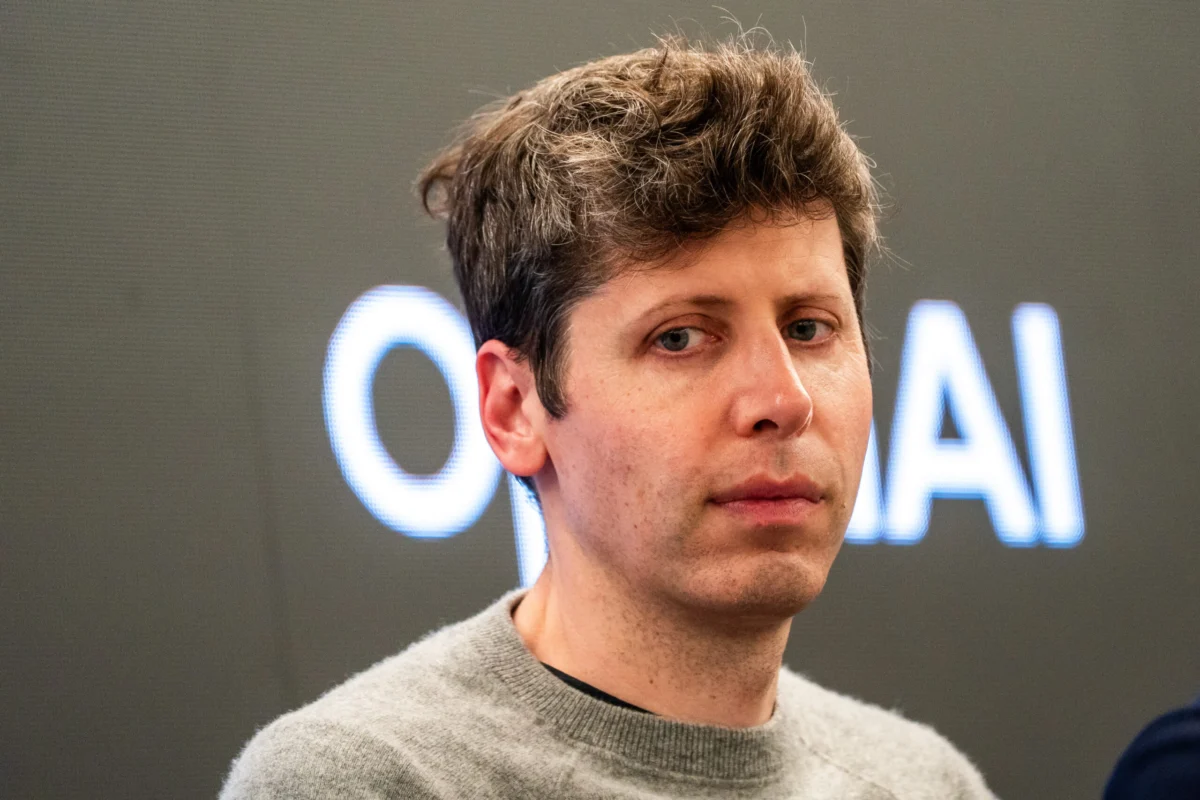
Apple filed a trade secrets lawsuit against OpenAI on Friday, July 13, 2026, launching a significant legal challenge that alleges a widespread pattern of misconduct reaching the highest levels of OpenAI’s leadership, including its chief hardware officer. The complaint further asserts that more than 400 former Apple employees have transitioned to work at OpenAI, painting a picture of systematic talent acquisition potentially intertwined with intellectual property concerns. OpenAI’s initial response, issued on Saturday, July 14, 2026, has been characterized as carefully hedged, indicating a cautious approach to the serious allegations. This legal battle emerges at a particularly sensitive juncture for OpenAI, which is reportedly preparing for an initial public offering (IPO) as early as later this year, making the timing of Apple’s legal action exceptionally challenging for the artificial intelligence powerhouse.
The lawsuit, lodged in a federal court, marks a substantial escalation in the competitive landscape between two of the tech industry’s most influential companies. Apple, historically a fiercely protective guardian of its intellectual property, is not merely seeking monetary damages but is likely aiming to prevent the alleged misuse of its proprietary information and to set a precedent against what it perceives as unethical business practices. The core of Apple’s complaint revolves around the accusation that OpenAI has systematically leveraged confidential information, potentially acquired through the influx of former Apple employees, to advance its own hardware ambitions and broader AI development.
Allegations of Misconduct and Talent Poaching
At the heart of Apple’s complaint are detailed allegations that extend beyond typical competitive hiring. The phrase "pattern of misconduct" suggests that Apple believes OpenAI’s actions were not isolated incidents but rather a deliberate strategy to gain an unfair advantage. The specific mention of OpenAI’s chief hardware officer is particularly damning, implying high-level involvement and suggesting that the alleged trade secrets are critical to hardware development—a sector where Apple holds significant expertise and proprietary designs.
The recruitment of over 400 former Apple employees by OpenAI is a key piece of evidence cited in the lawsuit. While employee mobility is common in Silicon Valley, the sheer volume, coupled with the "pattern of misconduct" allegation, raises questions about the nature of the information these employees might have carried with them, intentionally or unintentionally. Apple’s complaint likely argues that this large-scale migration of talent facilitated the transfer of valuable trade secrets related to its hardware designs, manufacturing processes, supply chain logistics, and potentially even its internal AI development methodologies. Such secrets could include detailed specifications for custom silicon, sensor technologies, thermal management solutions, or sophisticated integration techniques that give Apple a competitive edge in its devices.
For a company like Apple, whose innovation often stems from tightly integrated hardware and software, the alleged compromise of hardware-related trade secrets could be seen as a direct threat to its core business model. The development of custom chips and integrated systems is a multi-year, multi-billion-dollar endeavor, and any shortcuts gained by a competitor through illicit means could significantly erode Apple’s competitive lead.
OpenAI’s Strategic Response and IPO Implications
OpenAI’s "carefully hedged" response to the lawsuit indicates a strategic legal maneuver. This typically means acknowledging the filing without admitting guilt, reserving specific defenses for court proceedings, and possibly downplaying the merits of the accusations. Such a response aims to manage public perception while not committing to a definitive legal strategy prematurely. OpenAI’s legal team will likely explore several avenues, including challenging Apple’s definition of what constitutes a "trade secret," arguing for independent development of its technologies, or asserting that any information brought by former Apple employees was either not confidential or was not utilized improperly.
However, the timing of this lawsuit couldn’t be more detrimental for OpenAI. The company is reportedly eyeing an IPO later this year, a process that demands immense scrutiny from potential investors, regulators, and the public. A high-profile trade secrets lawsuit from a tech giant like Apple introduces significant uncertainty and risk. Investors conducting due diligence will carefully evaluate the potential financial liabilities, the risk of injunctions that could halt or alter product development, and the reputational damage associated with such allegations.
A prolonged legal battle could drain OpenAI’s resources, divert management attention from core business and IPO preparations, and potentially depress its valuation. Furthermore, the accusations could raise questions among institutional investors about OpenAI’s corporate governance and ethical standards, especially concerning intellectual property and talent acquisition practices. While the AI market is booming, any perceived instability could make investors wary, potentially delaying the IPO or forcing a lower valuation than initially anticipated.
The Broader AI Race and Apple’s Strategic Positioning
This lawsuit is not an isolated event but a critical development within the larger, escalating AI arms race. For years, Apple has been perceived as a relative laggard in the generative AI space compared to competitors like Google, Microsoft, and OpenAI. However, Apple has been quietly investing heavily in its own on-device AI capabilities and exploring partnerships to integrate advanced AI models into its ecosystem. The prospect of OpenAI, a leader in generative AI, potentially leveraging Apple’s hardware trade secrets could be seen as a direct threat to Apple’s strategy of tightly integrating its software with custom hardware to deliver unique AI experiences.
Apple’s move signals a robust defense of its intellectual property as it ramps up its own AI initiatives. It sends a clear message to other companies and former employees that Apple will aggressively protect its innovations. This lawsuit could be interpreted as Apple drawing a line in the sand, asserting its commitment to fair competition and intellectual integrity in an industry where rapid innovation often blurs ethical boundaries.
The question posed by TechCrunch’s "Equity" podcast hosts Kirsten Korosec, Anthony Ha, and Sean O’Kane—"how much should anyone trust AI companies with their data?"—gains significant resonance in light of these allegations. If a company is accused of illicitly acquiring trade secrets, it can naturally raise concerns among users and partners about its broader ethical conduct, including how it handles sensitive user data and proprietary information from collaborations. This broader theme underscores the growing importance of trust and transparency in the AI industry, where companies are increasingly entrusted with vast amounts of personal and corporate data.
Historical Context of Trade Secret Litigation in Tech
Trade secret lawsuits are not uncommon in the highly competitive technology sector. Cases like Waymo v. Uber (regarding self-driving car technology), Google v. Oracle (Java APIs), and Intel v. TSMC (chip manufacturing processes) illustrate the fierce battles companies wage to protect their innovations. These cases often involve complex technical details, forensic analysis of data, and extensive legal discovery processes. The burden of proof in trade secret cases typically requires the plaintiff to demonstrate that the information was indeed a trade secret, that reasonable measures were taken to protect it, and that the defendant misappropriated it through improper means.
The "400 former employees" figure will likely be central to Apple’s case, suggesting a pattern of hiring that could have been designed to access proprietary knowledge. In such cases, courts often examine the roles and responsibilities of the departing employees, the nature of the information they had access to, and whether they signed non-disclosure or non-compete agreements. The specific mention of a "chief hardware officer" at OpenAI who previously worked at Apple would be particularly scrutinized, as executives often have a holistic understanding of a company’s strategic direction and sensitive technical details.
The Road Ahead: Legal Process and Potential Outcomes
The legal process for a trade secrets lawsuit can be lengthy and complex, often spanning several years. It typically involves:
- Complaint and Answer: Apple has filed its complaint, and OpenAI will file an answer, denying the allegations and potentially asserting counterclaims.
- Discovery: Both parties will exchange vast amounts of information, including documents, emails, and internal communications, and conduct depositions of key personnel. This phase can be particularly revealing and contentious.
- Motions: Parties may file motions to dismiss, for summary judgment, or for protective orders regarding confidential information.
- Trial: If no settlement is reached, the case would proceed to trial, where a judge or jury would hear evidence and arguments.
- Appeals: Either party could appeal the trial court’s decision.
Potential outcomes for OpenAI include substantial financial damages if found liable, which could amount to billions of dollars, especially given the scale and strategic importance of the alleged secrets. An injunction could also be imposed, preventing OpenAI from using specific technologies or processes alleged to have been stolen, which could severely impede its hardware development or AI model training. Conversely, if OpenAI successfully defends itself, Apple could face reputational damage for filing a meritless lawsuit. A settlement outside of court is also a common outcome in such high-stakes cases, often involving a financial payment and specific agreements on future conduct.
Implications for the Future of AI Development
Beyond the immediate parties, this lawsuit carries significant implications for the broader AI industry. It underscores the intense competition for talent and intellectual property in a field where innovation is rapidly accelerating. Companies will likely increase their vigilance regarding employee non-disclosure agreements, exit interviews, and intellectual property protection measures. It may also lead to greater scrutiny of hiring practices, particularly when recruiting from direct competitors.
The case could also set a precedent for how trade secrets are defined and protected in the context of rapidly evolving AI technologies. As AI models become more sophisticated, distinguishing between legitimately acquired knowledge and misappropriated proprietary algorithms or training data methodologies can be challenging. The outcome of Apple v. OpenAI could provide crucial clarity on these emerging legal frontiers.
In conclusion, Apple’s trade secrets lawsuit against OpenAI is a seismic event in the tech world. It not only challenges OpenAI’s current business practices and its impending IPO but also highlights the escalating stakes in the global AI race. As the legal proceedings unfold, the industry will be watching closely to see how these two titans navigate the complex intersection of innovation, competition, and intellectual property law, and what lessons emerge regarding trust in the rapidly expanding realm of artificial intelligence.