Evan Lee Salim
A profound challenge faces the global digital landscape: a farmer in rural India, seeking to understand why her crops are failing, takes a photo of a dying plant. She wishes to research it online, but the internet’s vast repository of information, overwhelmingly in English, remains inaccessible. This isn’t merely a language barrier; it’s a chasm in access to vital knowledge, a symptom of an AI ecosystem predominantly shaped by a handful of powerful, privately-owned, English-centric systems. Addressing this fundamental inequity is the core mission of Current AI, a pioneering nonprofit dedicated to building open, public AI infrastructure designed to serve the world’s diverse linguistic and cultural heritage.
The Genesis of a Public Alternative to Proprietary AI
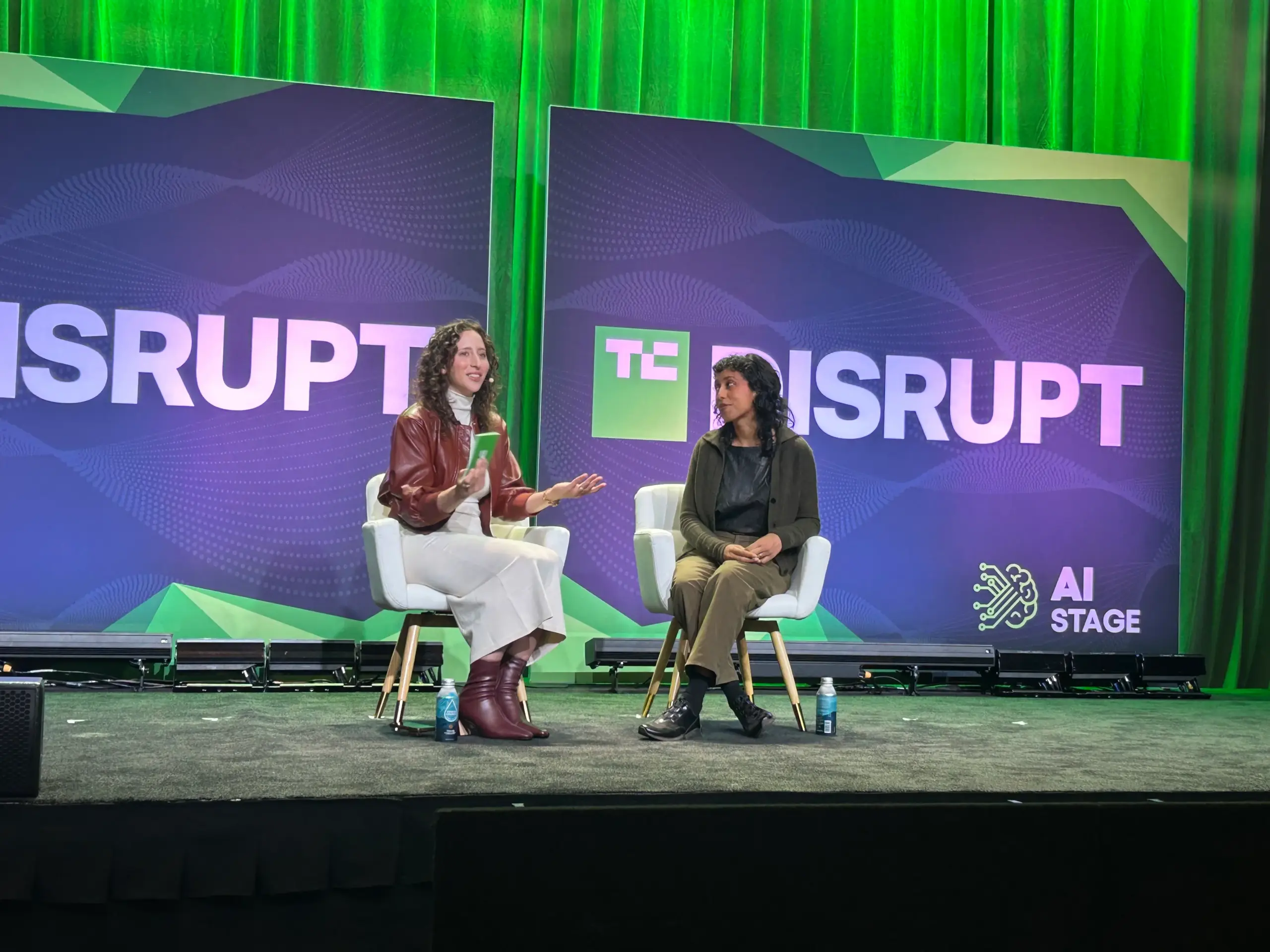
Current AI emerged from a critical recognition that artificial intelligence, a technology poised to reshape every facet of human existence, cannot remain solely within the purview of private corporations. Founded in February 2025 by Martin Tisne, the organization swiftly positioned itself as a crucial counterpoint to the prevailing model of AI development, advocating for a public alternative akin to the early World Wide Web – universally accessible, free, and collaborative. "If AI is truly a transformative technology, if it’s going to change every aspect of everyone’s life, there has to be a public alternative," asserted Ayah Bdeir, CEO of Current AI, in a recent interview. Her vision echoes the foundational principles of the internet, aiming to ensure that AI’s benefits are distributed equitably, preventing digital exclusion from deepening existing societal divides.
Bdeir, who joined Current AI in January 2026 after spearheading Mozilla’s AI strategy and previously founding littleBits, a STEM education company, brings a wealth of experience in democratizing technology and fostering open ecosystems. Her leadership is instrumental in steering Current AI’s ambitious agenda, which directly confronts the linguistic bias embedded within most contemporary AI systems. The stark reality is that out of over 7,000 languages spoken globally, more than half face the threat of extinction, and only a small fraction are adequately represented in the training data of dominant AI models. This linguistic neglect not only marginalizes entire communities but also imperils invaluable cultural knowledge and traditions passed down through generations.
Suno Sutra: Bridging the Linguistic Divide in India
A cornerstone of Current AI’s early initiatives is the Suno Sutra project, a groundbreaking collaboration launched in February 2026 at the India AI Summit. Teaming up with Bhashini, the Indian government’s dedicated AI language division, Current AI unveiled a pocket-sized, offline device capable of running AI in 22 Indian languages, entirely without an internet connection. "In India, there are hundreds of different languages and dialects, and right now AI is not representing them," Bdeir highlighted, underscoring the profound need for such innovation. The device, whose name "Suno Sutra" translates to "listening chronicles" in Hindi, represents a significant leap towards localized and accessible AI.
India, a nation of unparalleled linguistic diversity with 22 official languages and hundreds of other dialects, presents a microcosm of the global challenge. The digital divide in rural areas is exacerbated by limited internet penetration and a lack of localized content. For farmers like the one depicted at the outset, access to information on crop diseases, weather patterns, or agricultural best practices, delivered in their native tongue and without reliance on internet connectivity, can be transformative. Suno Sutra is designed to empower these communities, providing a vital tool for knowledge acquisition and problem-solving, thereby enhancing agricultural productivity and improving livelihoods. Moreover, its open-source nature means developer communities can build upon it, fostering a decentralized and community-driven approach to AI development. Bhashini’s involvement signifies the Indian government’s strategic commitment to leveraging AI for national development and ensuring linguistic inclusion, reflecting a broader trend among nations to develop "Sovereign AI" capabilities tailored to their unique cultural and linguistic contexts.
Funding a Public Interest AI Ecosystem
Current AI operates on a unique "public-private partnership" model, bringing together governments, philanthropic organizations, and technology companies to fund public interest technology. This collaborative funding approach distinguishes it from conventional venture capital models, emphasizing societal benefit over purely financial returns. The French government provided initial seed funding of $100 million, a substantial commitment that underscored a growing international recognition of AI as a global public good requiring public stewardship. This was augmented by contributions from the Ford Foundation, MacArthur Foundation, DeepMind, and Salesforce, bringing the total committed funding to an impressive $400 million. "They’re not investors; they’re funders," Bdeir clarified, emphasizing that these contributions are aimed at fostering an open ecosystem rather than seeking proprietary returns. This diverse funding base is critical for Current AI to maintain its independence and pursue projects that may not offer immediate commercial viability but yield immense social value.
The scale of this funding reflects a growing global consensus that a public alternative to privately controlled AI is not just desirable but essential. As governments and international bodies increasingly grapple with the ethical implications, biases, and monopolistic tendencies of current AI systems, the model proposed by Current AI offers a tangible pathway towards a more equitable and inclusive digital future. This financial backing allows Current AI to support initiatives that address fundamental issues of access, equity, and cultural preservation, laying the groundwork for an AI landscape that genuinely serves all of humanity.
Global Initiatives: Empowering Communities Across Continents
Beyond its flagship Suno Sutra project, Current AI has rapidly expanded its global reach through strategic grant programs, demonstrating a commitment to fostering localized AI solutions worldwide. Last month, the organization allocated $3.2 million in grants to projects across four organizations spanning Kenya, Lebanon, and the Brazilian Amazon, each tackling unique regional challenges through the lens of open, community-driven AI.
In Masakhane, Kenya, a project is underway to build extensive AI datasets across more than 50 African languages, focusing on critical domains such as health, farming, and education. This initiative is vital for Africa, a continent rich in linguistic diversity but often overlooked by global AI development, leading to a severe deficit in localized digital resources. By developing these datasets, Masakhane is not only empowering local researchers and developers but also ensuring that AI applications can address context-specific needs, from diagnosing crop diseases prevalent in East Africa to providing health information in mother-tongue languages.
Lebanon’s Institute for Worldmaking is undertaking the ambitious task of digitizing Arab cultural history and contemporary practice into machine-readable databases. Crucially, these databases are designed to be controlled by the communities themselves, rather than external tech companies. This project directly addresses the imperative of cultural preservation in the digital age, ensuring that the rich tapestry of Arab heritage is not only documented but also made accessible and adaptable through AI in a manner that respects cultural sovereignty and intellectual property.
In the Brazilian Amazon, the Portal sem Porteiras project is working directly with Indigenous communities to build offline AI tools. This initiative prioritizes keeping data within the territorial boundaries of these communities, safeguarding their invaluable traditional knowledge – particularly concerning ecological practices and biodiversity – from external exploitation. This model of hyper-local, offline AI empowers Indigenous peoples to leverage technology on their own terms, fostering self-determination and ensuring that AI serves as a tool for cultural continuity and environmental stewardship.
Finally, the African Internet Rights Alliance in Kenya is developing audit tools to hold AI systems accountable across the continent. This critical work focuses on establishing frameworks and mechanisms to identify and mitigate biases, ensure fairness, and protect user rights in AI applications. It represents a proactive step towards ethical AI governance, ensuring that as AI proliferates, its development and deployment adhere to principles of justice and human dignity, particularly in regions that have historically borne the brunt of technological exploitation.
These diverse projects underscore Current AI’s philosophy that "scale is not always the measure," a direct challenge to the "Big Tech paradigm" that often prioritizes rapid, mass deployment over localized impact and cultural relevance. Bdeir envisions scenarios where "an Indigenous elder in the Brazilian Amazon using a tool built in Kenya to be able to pass down ecological knowledge in their own language," highlighting the profound, interconnected potential of this global, community-centric approach.
The Imperative of Data Sovereignty and Ethical Frameworks
A central tenet of Current AI’s philosophy revolves around the contentious issue of data ownership. Bdeir minces no words on the matter: "There are different models and proposals for who owns data in various communities, but one thing is sure: it shouldn’t be a company in Silicon Valley trying to make a select few thousand people wealthier." This statement directly challenges the extractive data practices prevalent in the commercial AI sector, where user data is often collected, processed, and monetized without adequate consent or benefit to the original creators.
Current AI’s approach prioritizes storing models and data locally, empowering communities with control over their digital assets. This involves bringing in community experts from the outset of any project, ensuring that local knowledge and values inform the development process. Furthermore, robust consent protocols are woven into the very pipeline of AI development, allowing communities to halt the process at any point if their terms are not met or if concerns arise. While acknowledging that "None of Current AI’s grantees have fully solved it yet," Bdeir emphasizes that "Every one of them has built the question into their work, rather than accepting the usual default, where complexity becomes the excuse to let a government or a tech company decide for everyone." This iterative, community-first approach aims to establish new precedents for ethical data governance in the age of AI, moving away from a top-down model to one rooted in trust and genuine partnership.
Building the Open AI Stack: Collaborative Innovation
The vision for a public AI infrastructure extends to the very foundational layers of technology. Earlier in March 2026, at the AI for Good Global Summit in Geneva, Current AI launched Alpha Chat, an open-source chatbot assembled in a remarkable seven weeks through the collaborative efforts of a coalition of ten organizations. This consortium included prominent names like Hugging Face, Mozilla, and MIT Media Lab, each contributing a vital piece of the AI stack, from language models and safety tooling to computing power. Alpha Chat serves as a testament to the power of open collaboration, demonstrating that complex AI systems can be built transparently and collectively, fostering innovation that is accessible to all.
In a significant strategic move, Current AI also forged a partnership with Sakana AI, a Tokyo-based startup renowned for its work on "Sovereign AI." The two organizations plan to collaboratively build a shared open-source AI stack specifically designed to support the Japanese language and culture. This initiative, however, is not confined to Japan; it aims to create a blueprint and infrastructure that can be adapted and extended to support communities across the Global South that have been largely overlooked by dominant AI systems. This partnership underscores Current AI’s commitment to fostering regional AI capabilities, enabling nations and communities to develop AI solutions that are culturally resonant, linguistically accurate, and aligned with their specific societal needs, thereby reducing reliance on external, often biased, technologies.
The Road Ahead: Challenges and Transformative Potential
The journey for Current AI is undoubtedly fraught with challenges. Competing with the immense resources, talent, and market dominance of private tech giants requires sustained effort, innovative models, and unwavering commitment. However, the organization’s rapid progress in just over a year since its founding, marked by significant funding, strategic partnerships, and impactful project launches, signals a powerful shift in the global conversation around AI.
Current AI is not merely building technology; it is striving to build an alternative future for AI – one where technology empowers rather than marginalizes, where knowledge is a shared commons rather than a proprietary asset, and where every language and culture finds its voice in the digital realm. The long-term implications of Current AI’s work are profound: fostering true digital inclusion, safeguarding linguistic diversity, preserving invaluable cultural heritage, and ensuring that the transformative power of artificial intelligence serves the collective good of humanity, rather than the narrow interests of a select few. As the world navigates the complexities of the AI revolution, initiatives like Current AI offer a beacon of hope for a more equitable, ethical, and universally beneficial technological future.